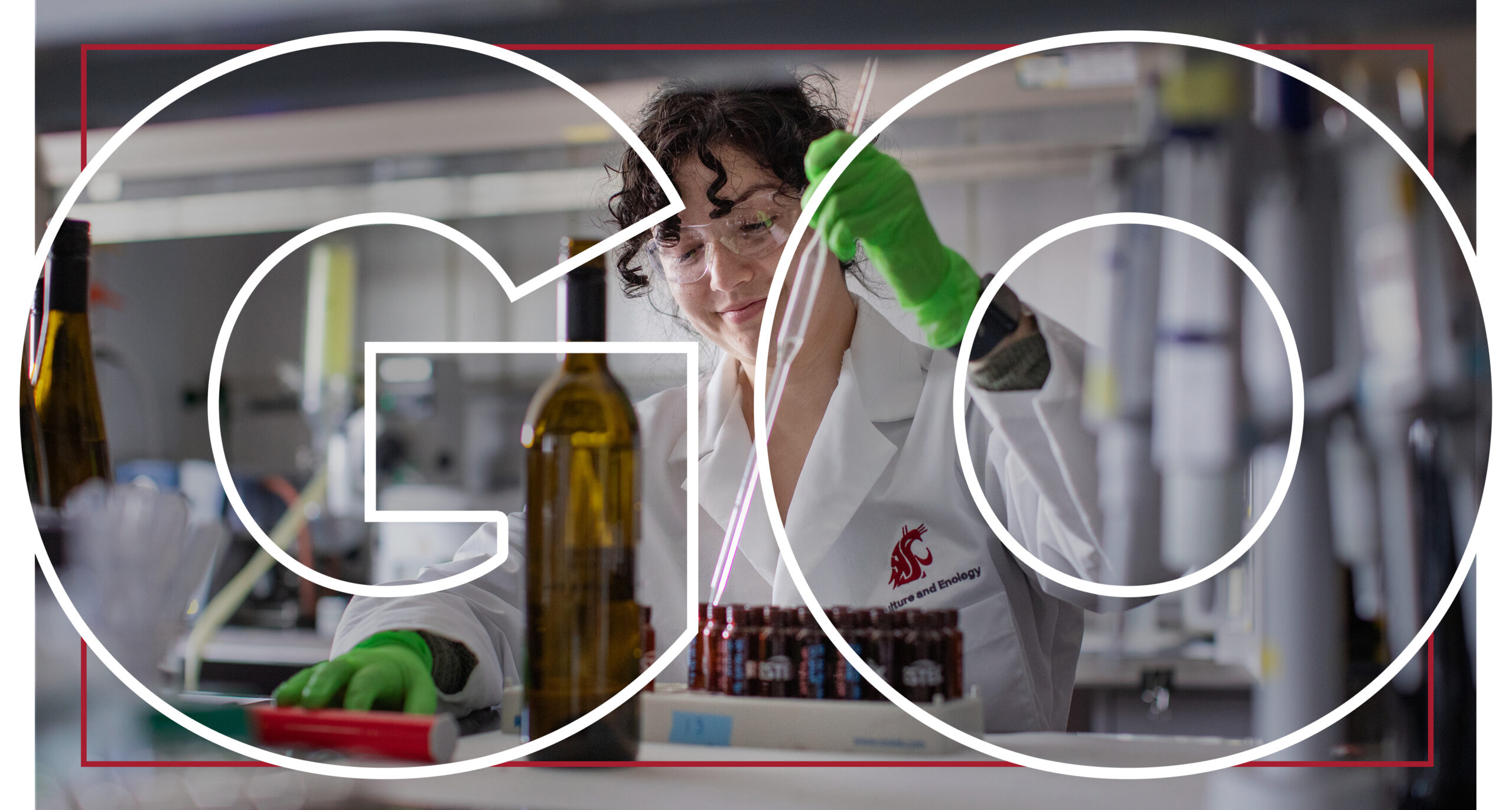
HERE WE GO
For Cougs, it’s always GO time,
because there’s too much at stake, too much to lose, so much to gain. We GO headlong into challenges to solve problems, innovate and disrupt. We GO in service to our communities, across Washington and around the globe. And we GO not only as teachers, but as learners, because education is a limitless power.
Ready? Here we GO.

Discover
A prescription for rural pharmacy
Students like Catalina Yepez could help solve Washington’s shortage of rural health care providers.
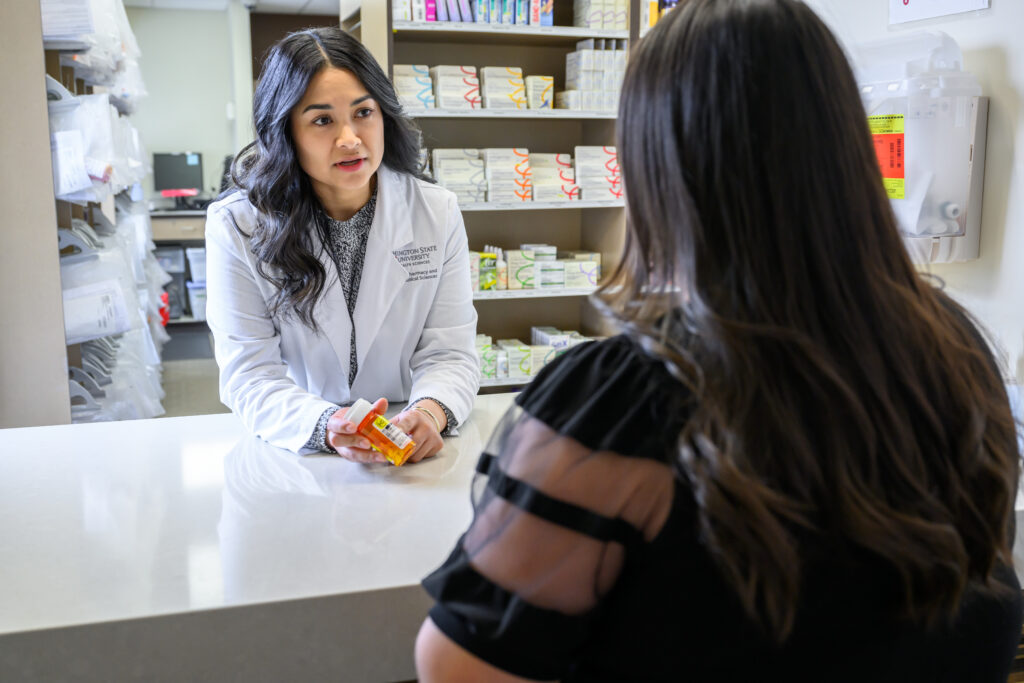
A 30-year-old Washington State University pharmacy student, Yepez got interested in the field after her dad was diagnosed with diabetes in his 40s.
“People are often on a lot of medications, and diabetes can cause complications that will require different meds,” she said.
About 800,000 Washington residents live in sparsely populated areas that lack access to health care professionals. Much of eastern Washington fits that category, according to the state Department of Health, and so do parts of central and southwest Washington.
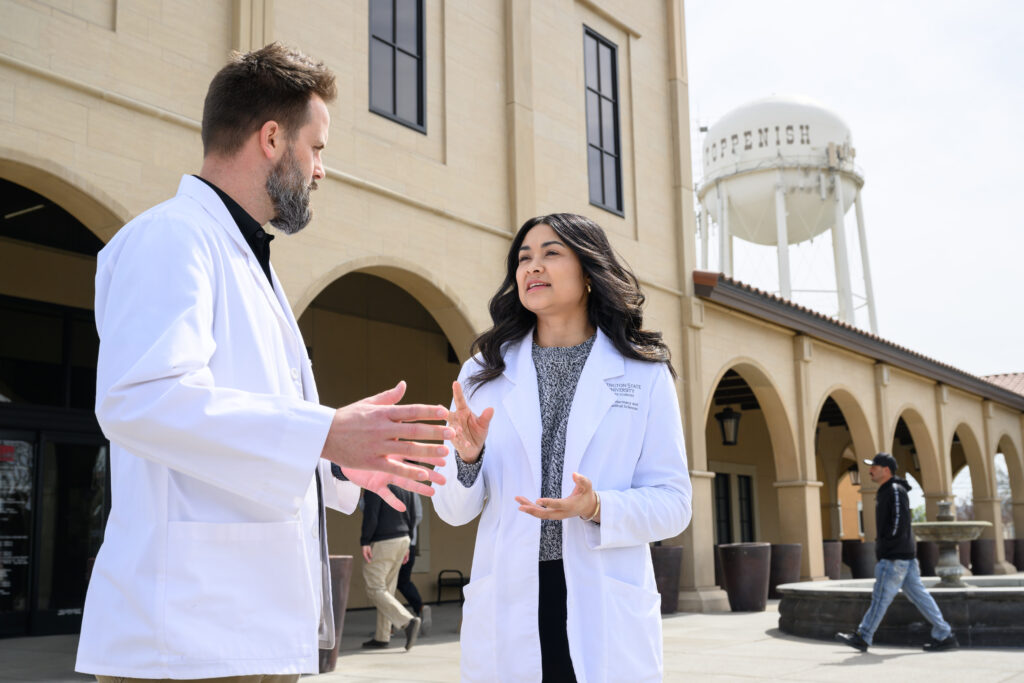
To help fill the provider gap, the WSU College of Pharmacy and Pharmaceutical Sciences in 2022 launched the Rural Health Initiative, a 10-year program to recruit pharmacy students from rural areas and underserved populations, as well as enhancing rural pharmacy services.
WSU pharmacy professor and former dean Mark Leid, the program’s founder, grew up in the farm town of Waitsburg. Who better to serve rural communities, he thought, than people from rural areas? And what better place than the local pharmacy?
An effective program also prepares students for the realities of rural practice. The curriculum includes classes tailored to rural health care, and students do clinical rotations in smaller communities.
“If you don’t know the area, you might have difficulty seeing yourself taking a job in Republic, Omak, or another small town after graduation,” said Angela Stewart, associate dean for rural health and pharmacotherapy professor. “But if you already have connections there, there’s more of a draw.”
Besides graduating new pharmacists, the initiative envisions helping existing pharmacists expand their services.
“People think of a pharmacist as the person who hands them their prescription and provides counseling on medications, but pharmacists can and do provide care,” Stewart said.
Among other things, Washington pharmacists can treat burns, cuts, and rashes and monitor chronic conditions like hypertension and diabetes. They can perform basic screenings, manage medication therapy, and evaluate and treat patients with strep throat and uncomplicated urinary tract infections.
“When you put all the parts of the Rural Health Initiative together,” Leid said. “I truly think we can make a difference in improving health care for Washington’s rural residents.”
When you put all the parts of the Rural Health Initiative together, I truly think we can make a difference in improving health care for Washington’s rural residents.
Mark Leid

Make An Impact
51%
The share of WSU students from Washington who earn a bachelor’s degree with no student loan debt
Annual spending on research and development
$379
Million
$12.8
Billion
Value of Washington’s agricultural production, supported through WSU programs
Share of first-generation college students across all six campuses
36%

Tell Your Story
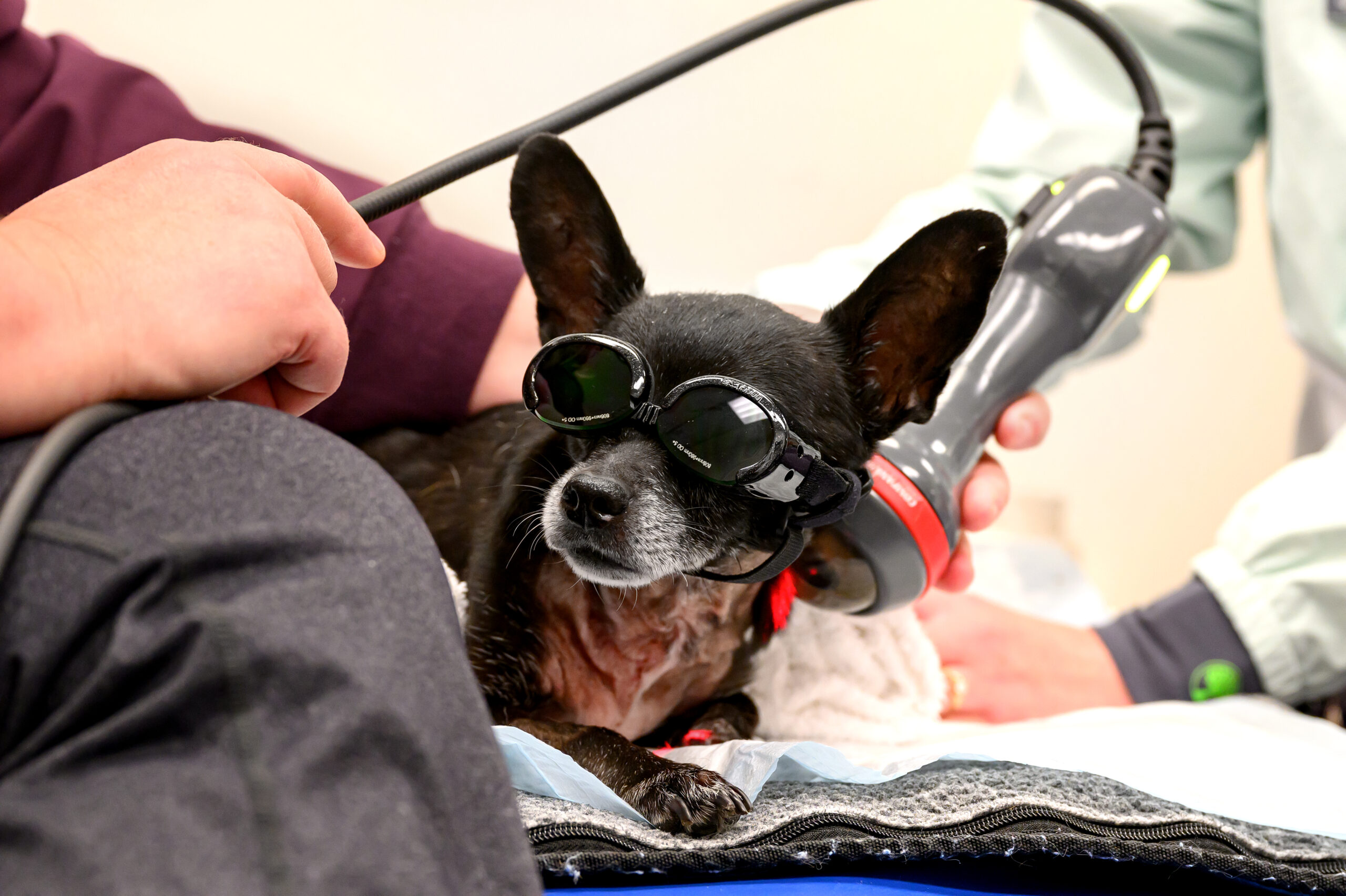
Rehab isn’t just for humans
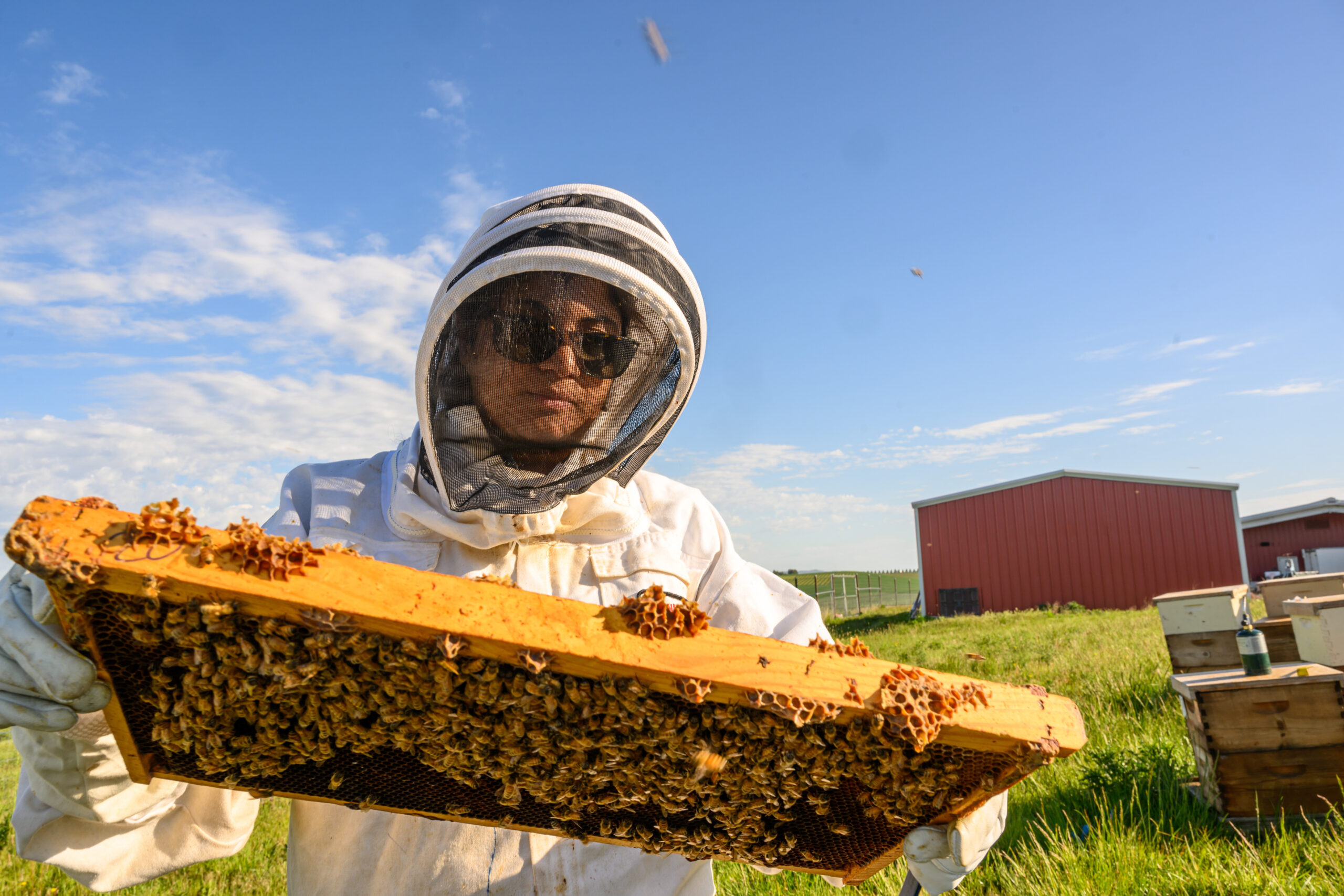
Mass timber on the rise
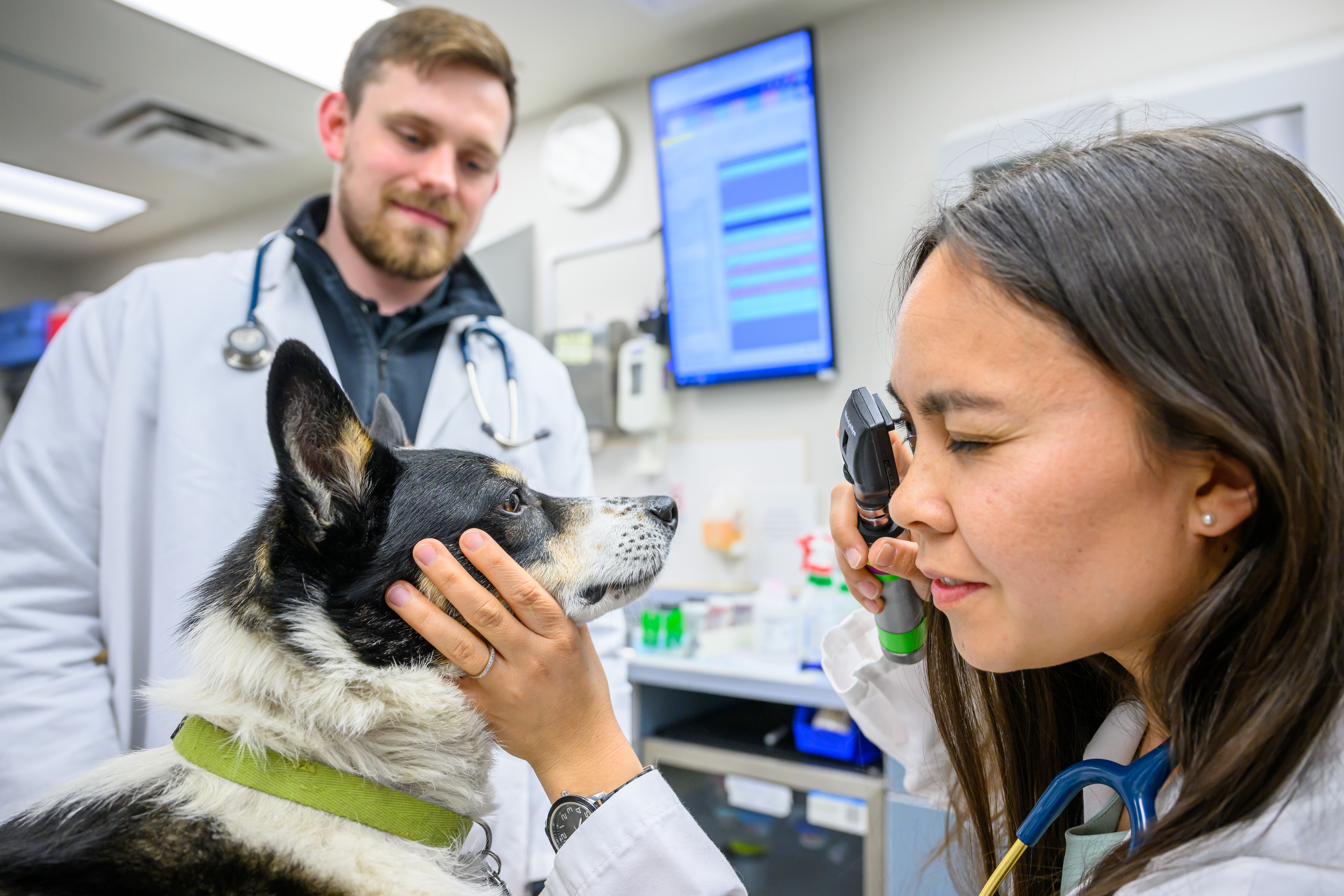
At WSU, the animal doctors are in
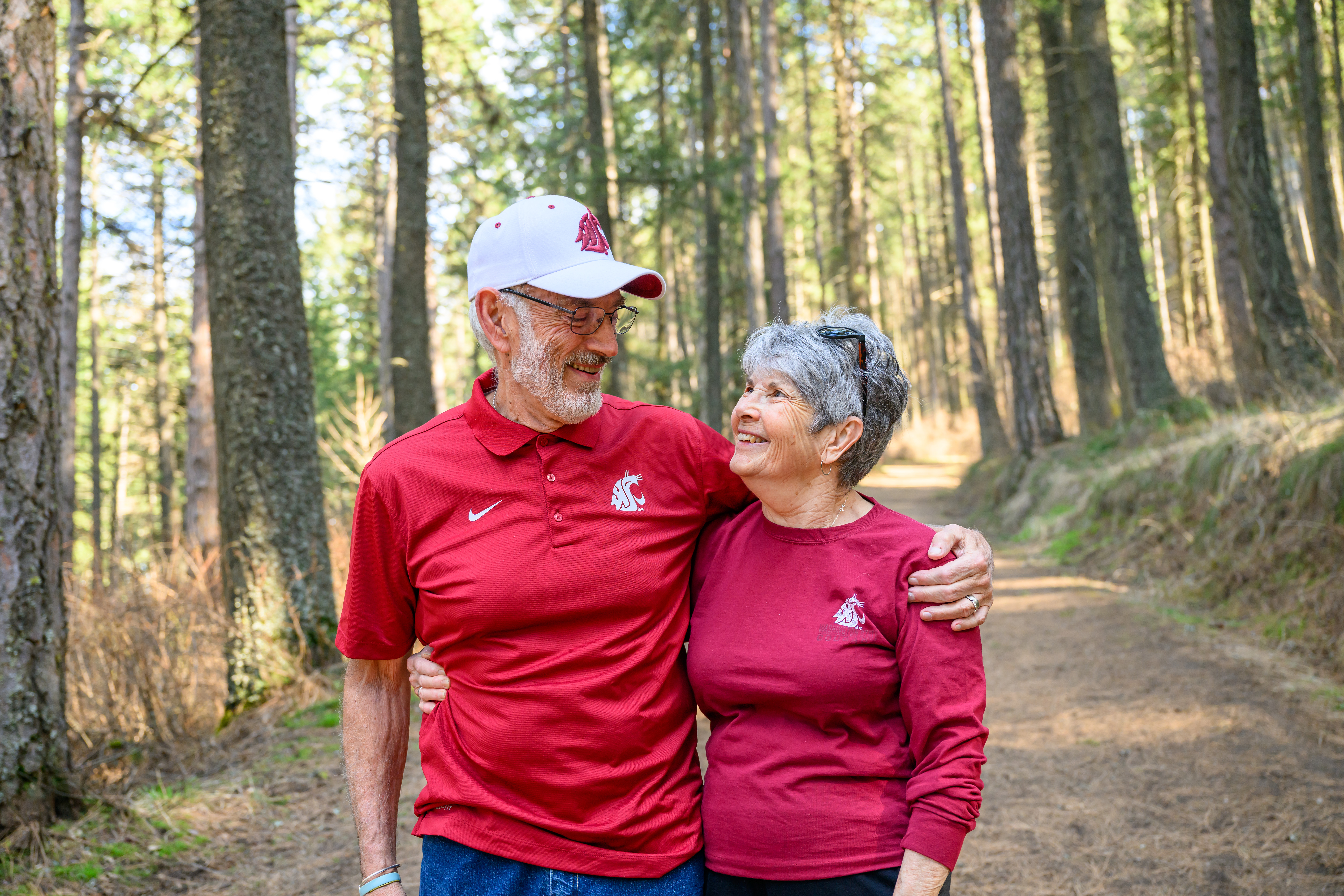
Growing older, living better
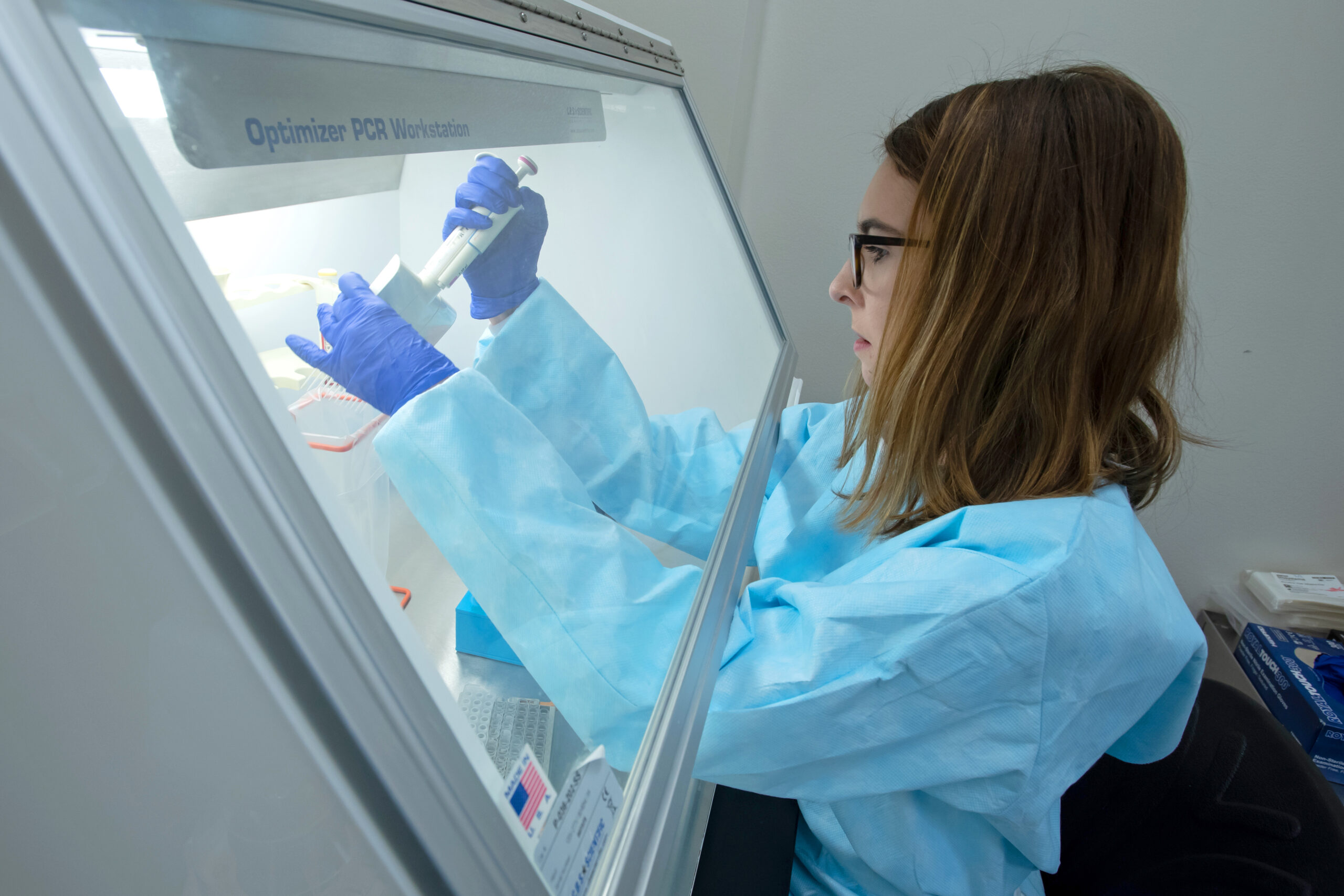
WSU builds on the lessons from Covid

“We worry so you don’t have to”
Robotic gripper could offer a helping hand in the apple orchard
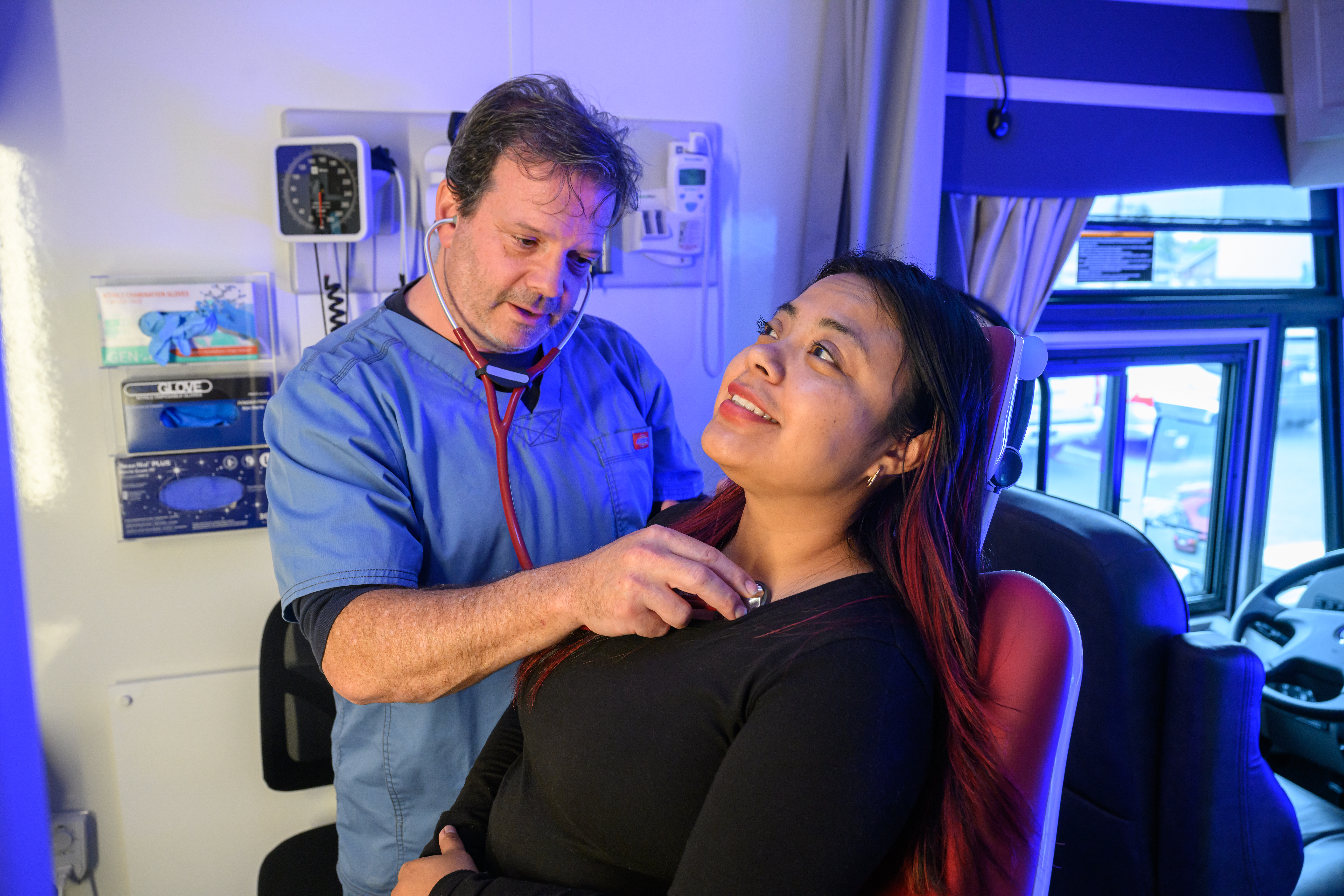
Health for the whole person
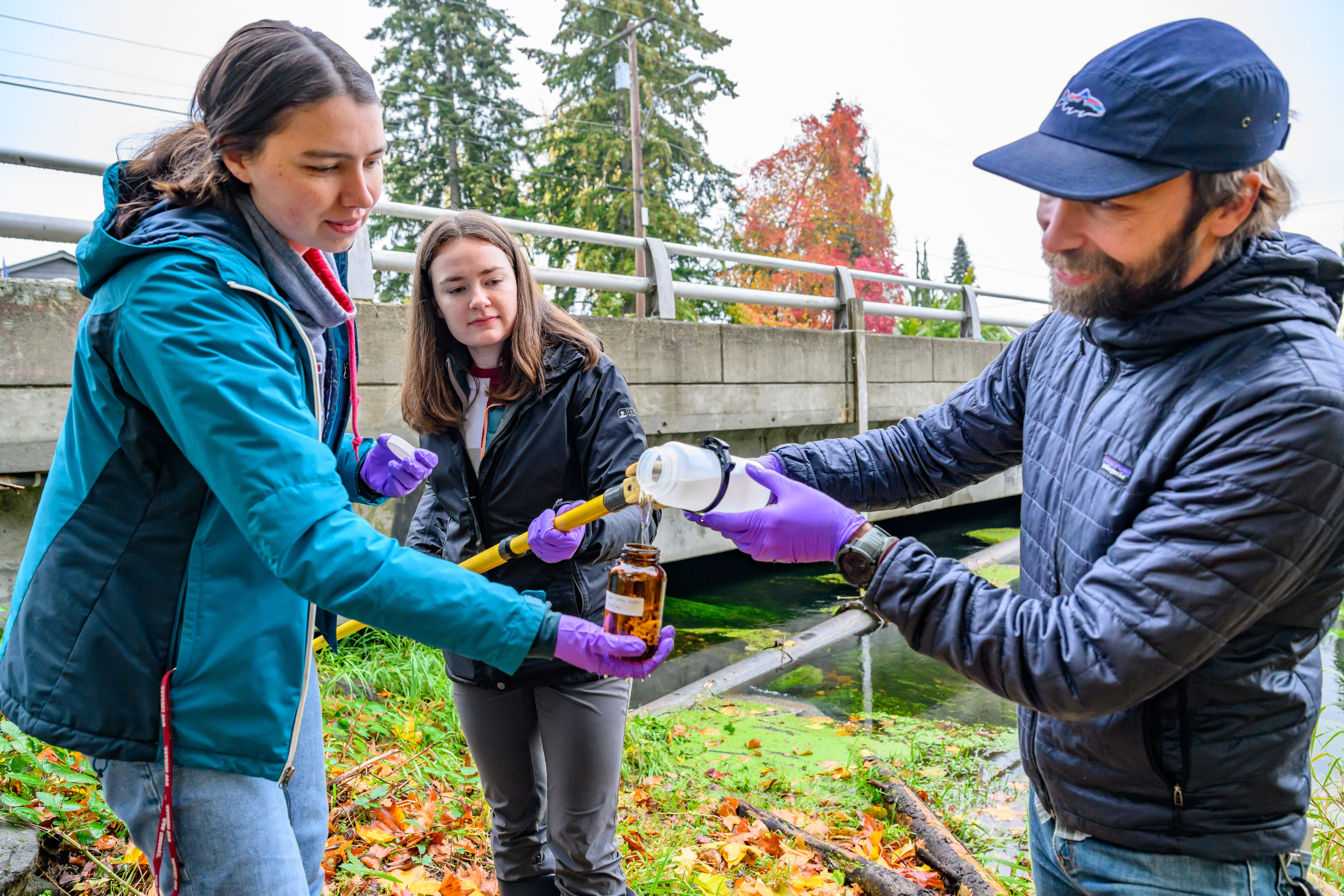
Students help solve salmon puzzle

Murrow News Fellowship puts more local reporters on the beat
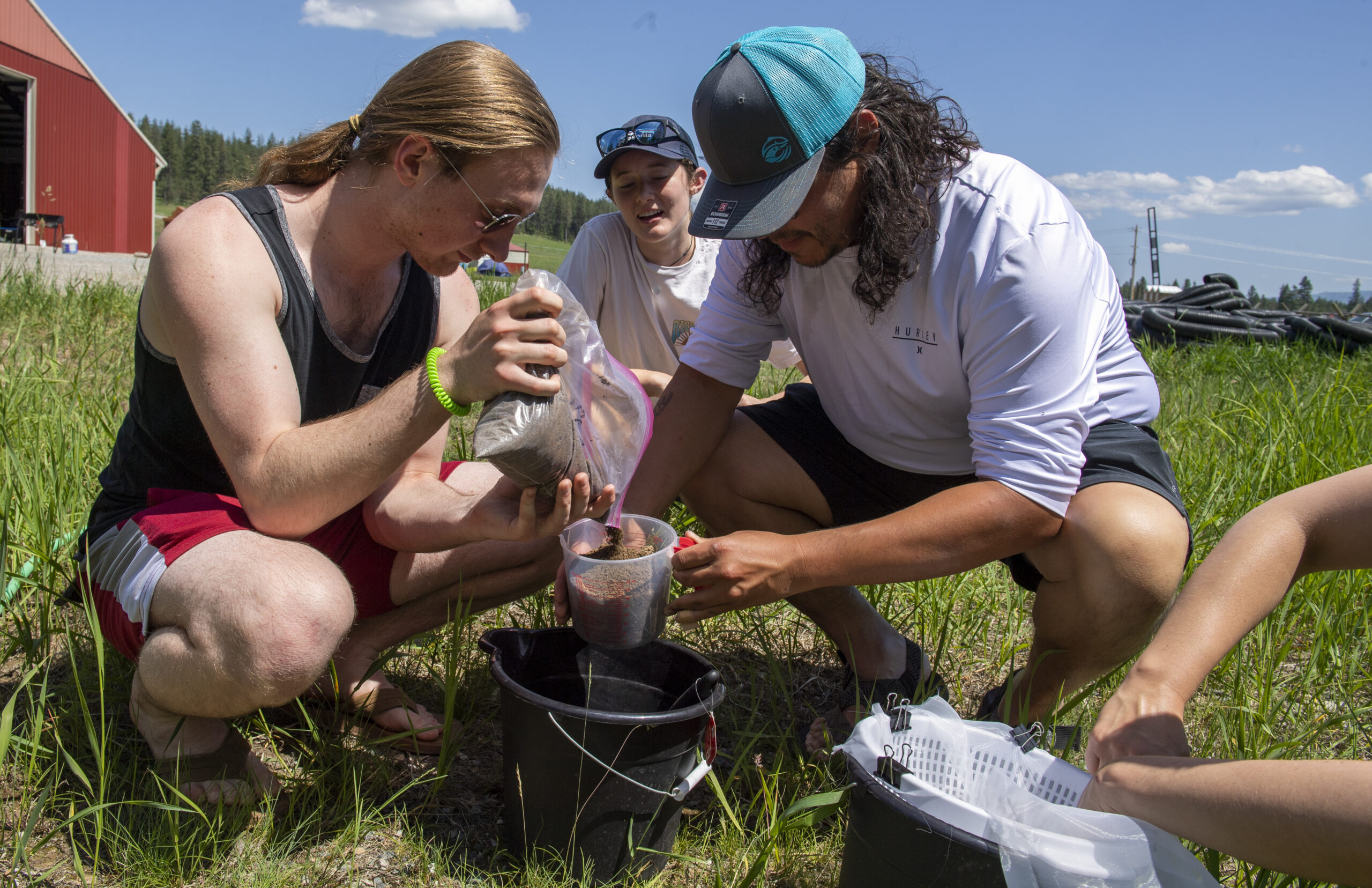
Partners in the field

WSU grizzlies put coolers to the test

Master Gardeners know all the dirt
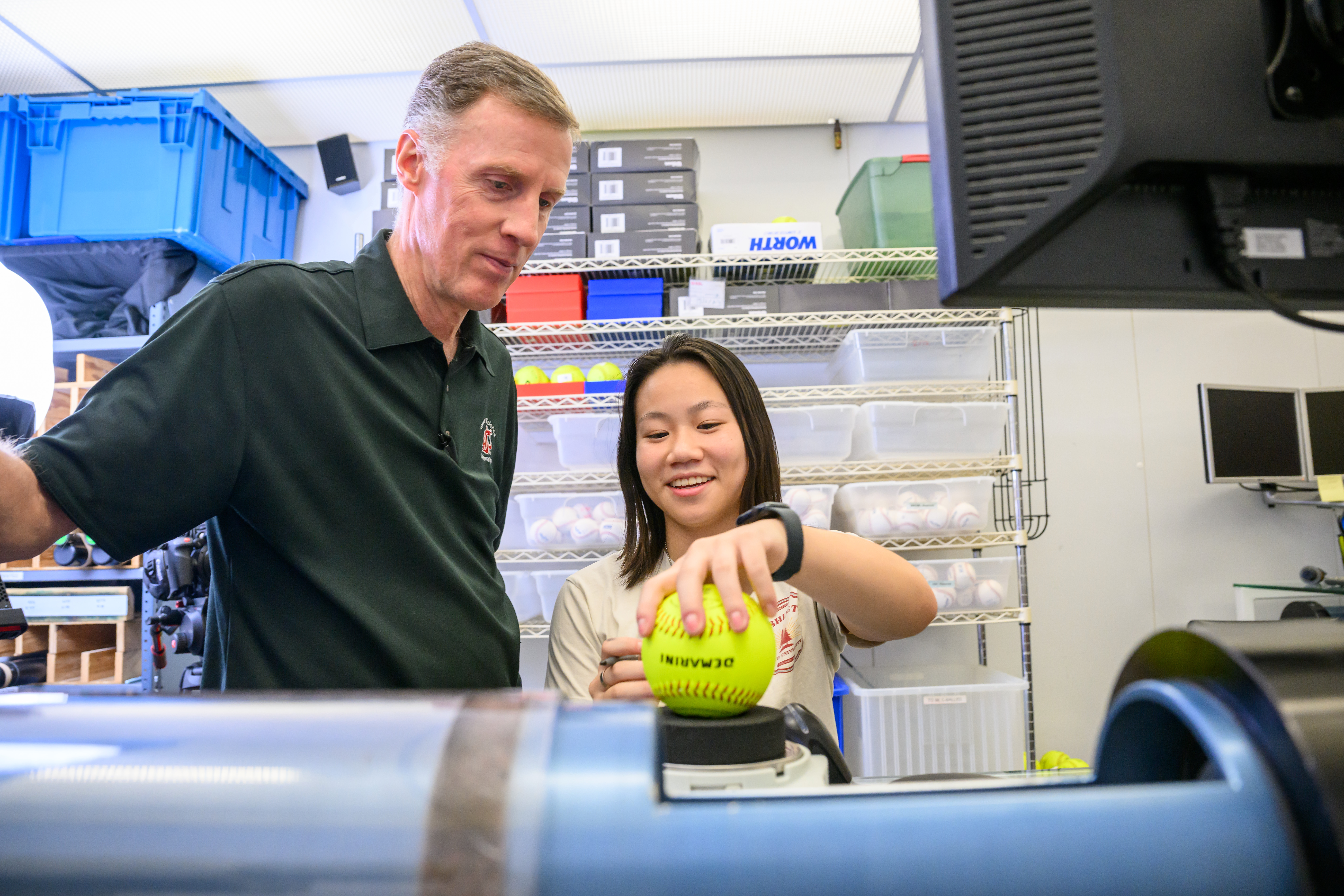
“Bat Lab” targets the science of the ballpark
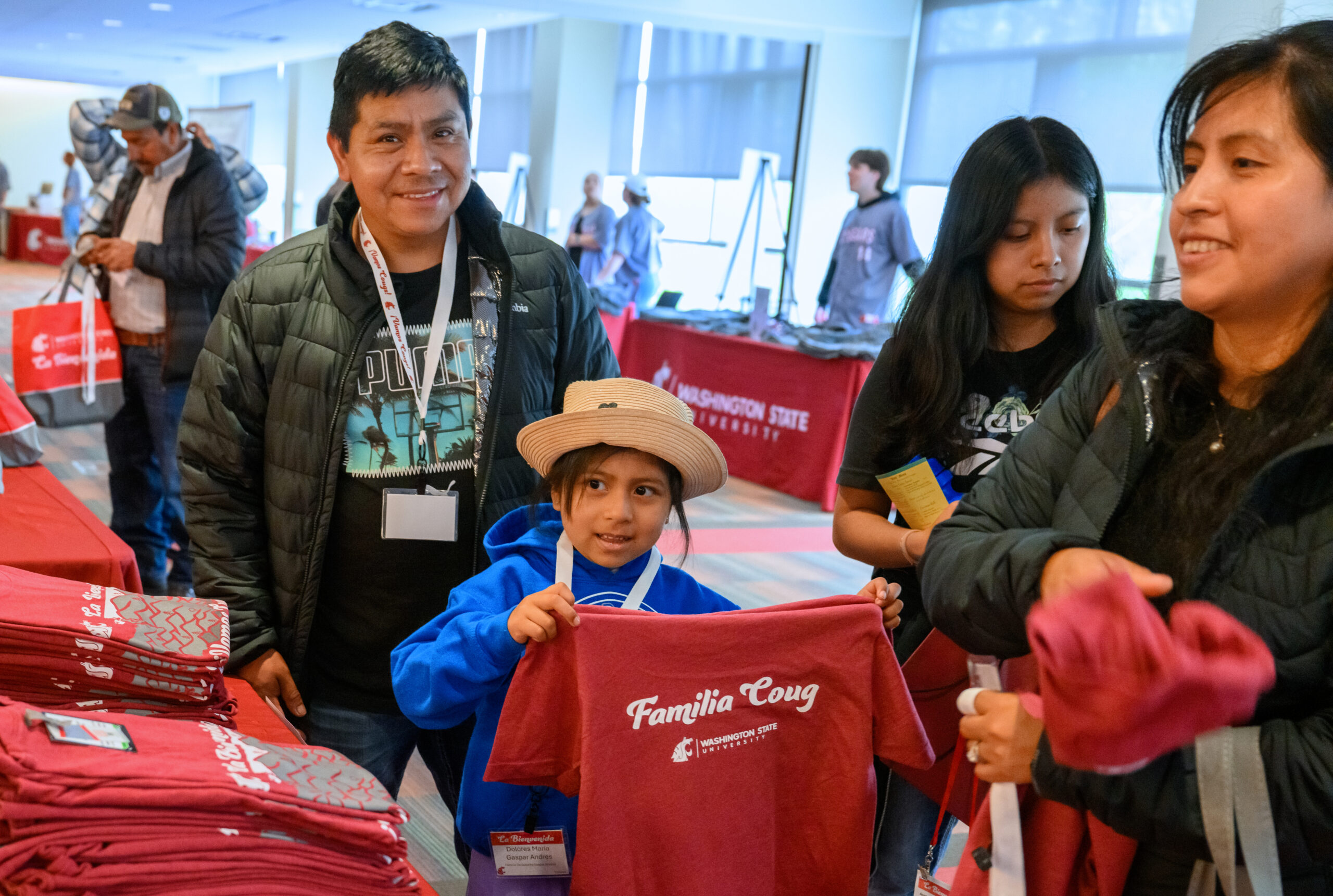
High expectations, high support for first gen
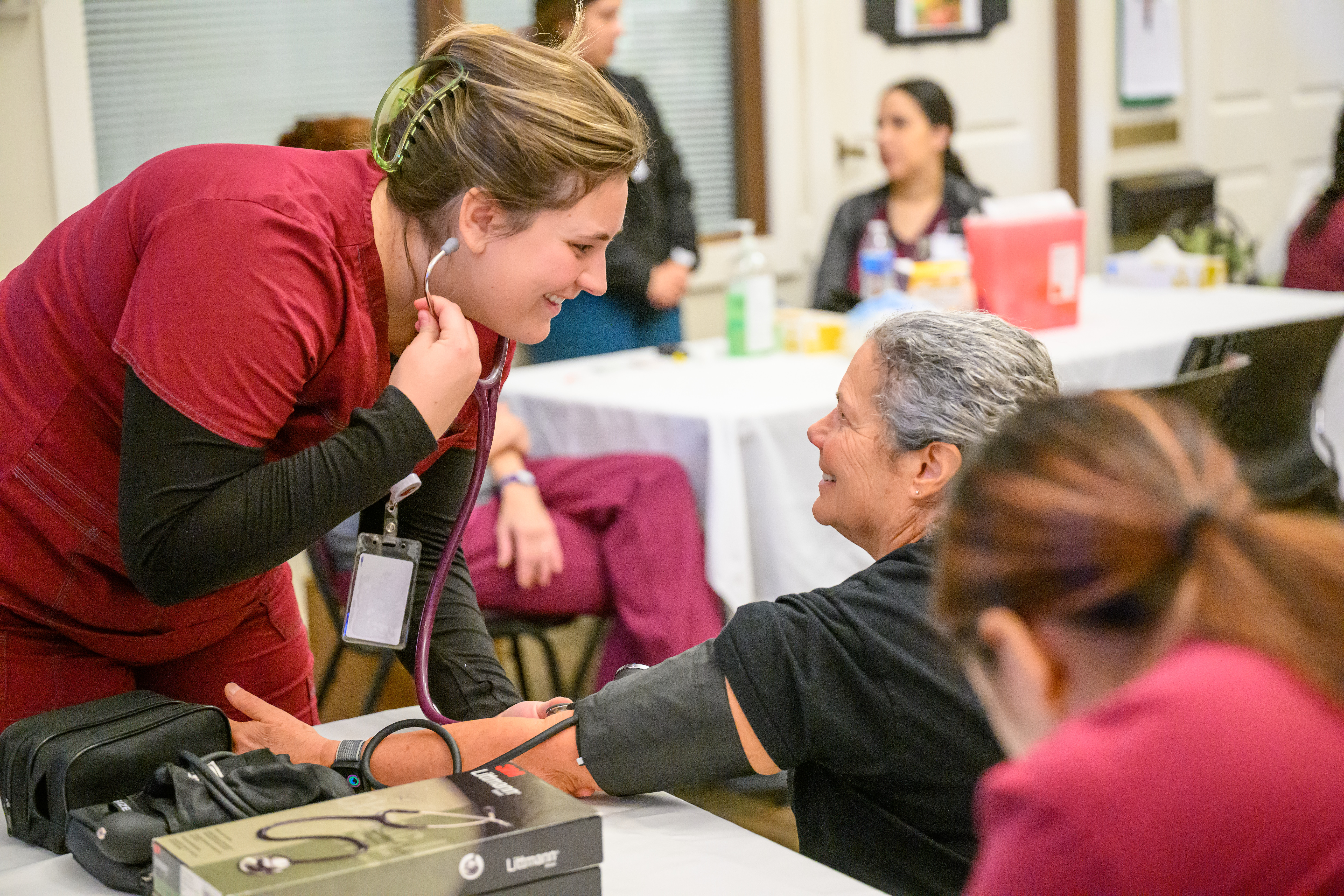
Community care is the curriculum