HERE WE GO

WSU on the ground in East Africa
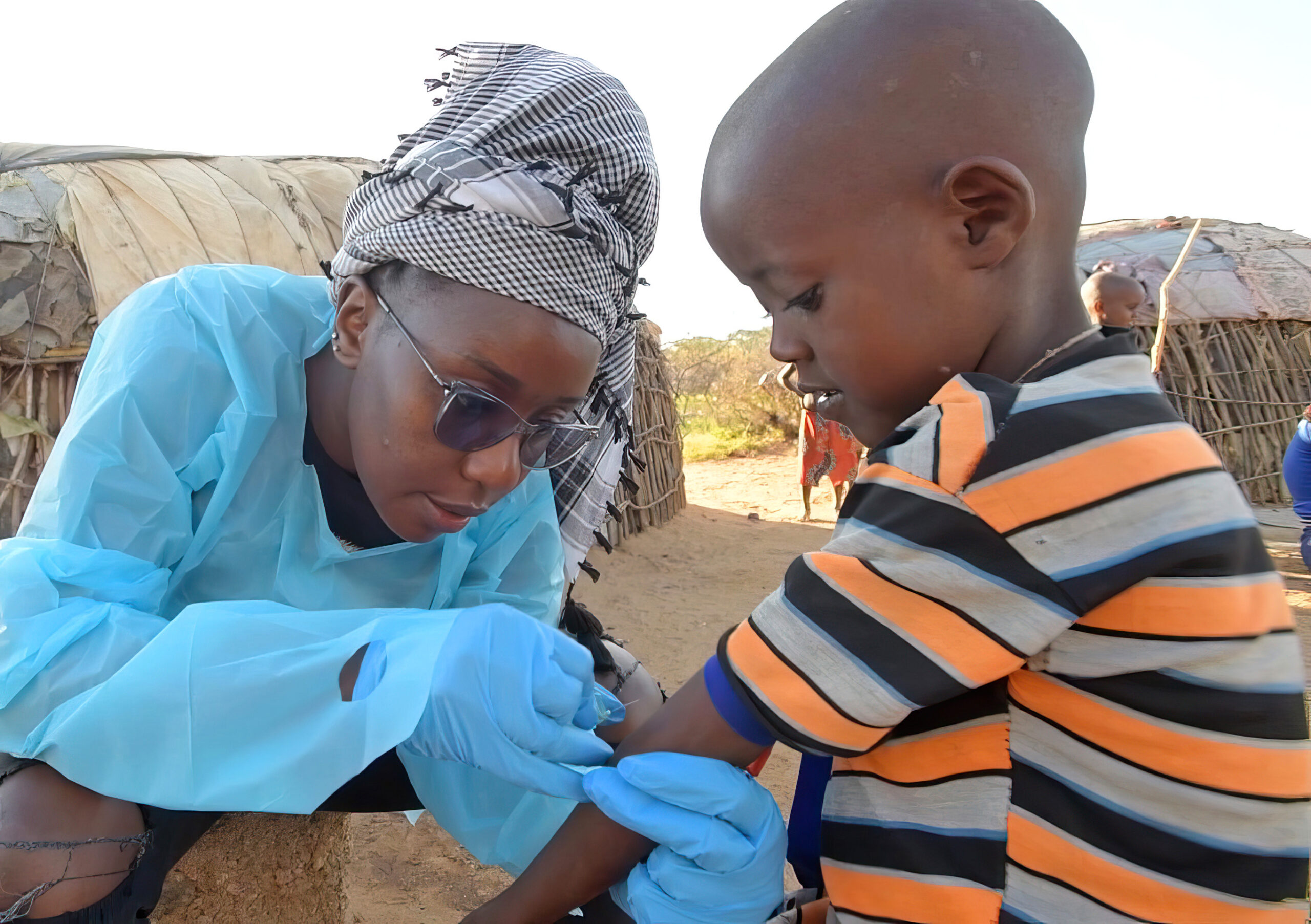
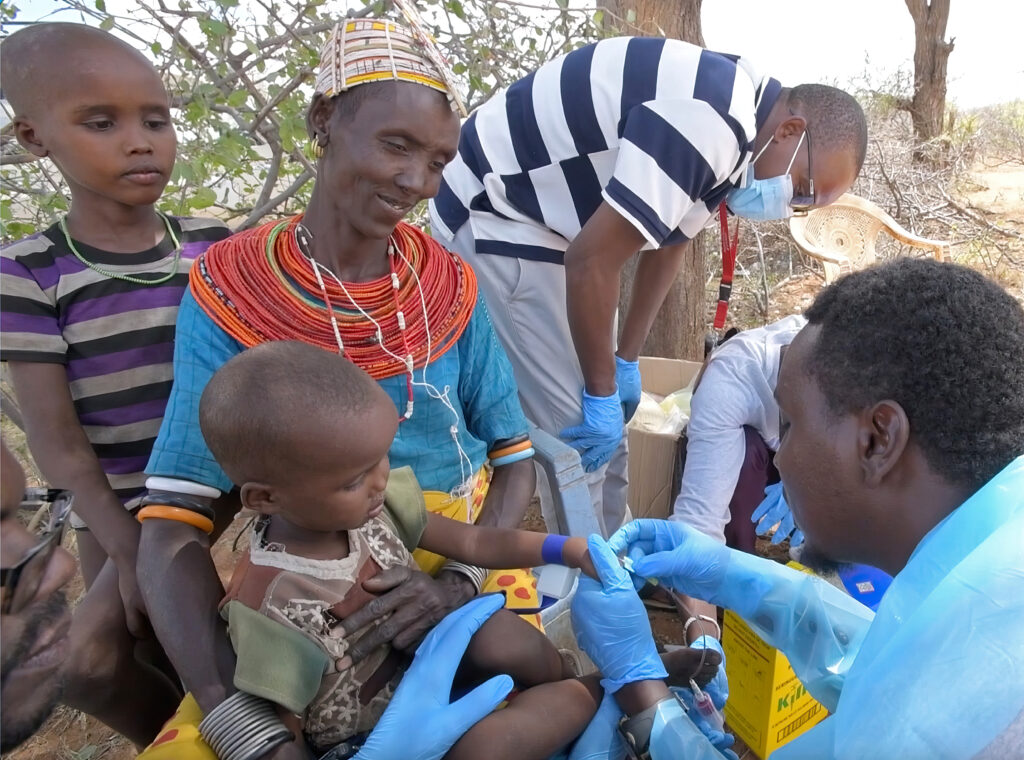
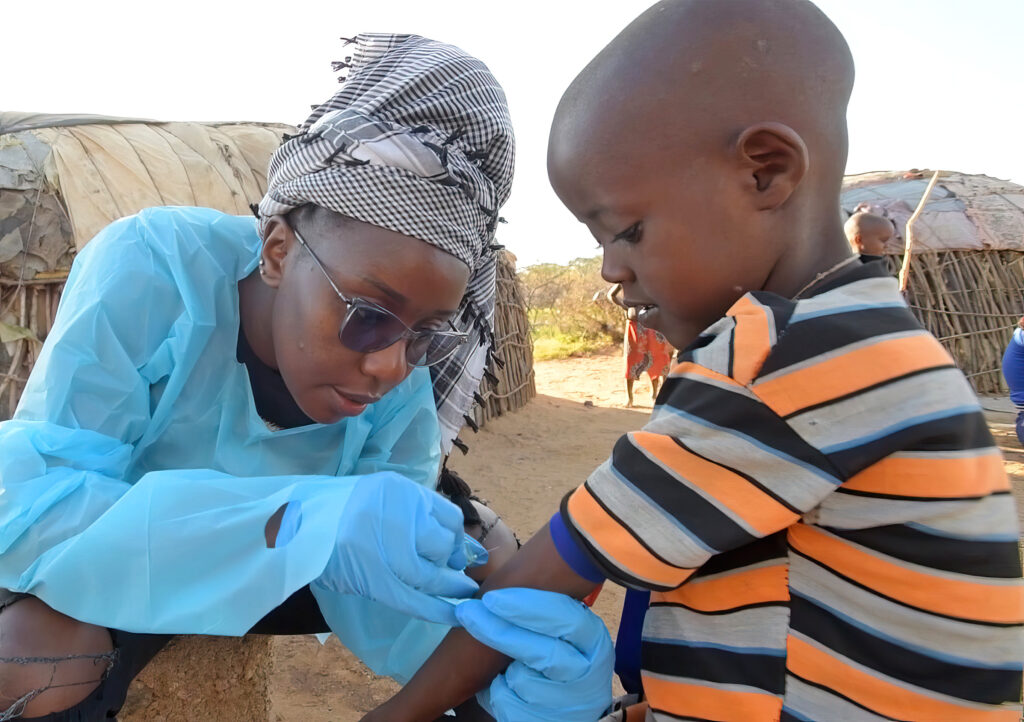
Disease detectives from Washington State University work in East Africa to identify and track emerging diseases before they spread, and to find new approaches to combat old diseases.
Much of the work of WSU scientists, local experts, and U.S. and international partners there focus on zoonotic diseases, which are transmitted from animals to people and cause most new infectious diseases in humans. Rabies, Ebola virus and Middle East Respiratory Syndrome (MERS) are examples.
In East Africa, many people are farmers or live near wildlife. There’s also widespread poverty and inadequate health systems. Those factors combine to make the region high-risk for new infectious diseases, and a logical site for WSU research.
So scientists test camel herds and herders for MERS, a virus more deadly than Covid-19. In Kenya and Tanzania, researchers are vaccinating dogs against rabies, a disease that’s nearly always contracted through a dog bite and that kills 60,000 people a year worldwide. WSU was chosen by the National Institutes of Health to lead an international research hub in Kenya, one of 10 in a global network that functions as both an early-warning and rapid-response system for new viruses.
“There’s pushback that we shouldn’t go looking for a virus, but that’s a pretty naïve argument,” said Kariuki Njenga, a professor at the WSU Paul G. Allen School for Global Health in Kenya. “We need to know what could be coming our way so that we can make vaccines and treatments.”
Guy Palmer, WSU’s Senior Director of Global Health and the founding director of the Paul G. Allen School for Global Health, said identifying and controlling virus outbreaks in Africa is a mixture of altruism and self-interest.
“By understanding an outbreak there, we are aware of the risk so we can begin to screen for it in the United States,” he said.
This is a global problem, we have to be able to act together globally.
Kariuki Njenga
WSU has important programs in Kenya and Guatemala to limit antibiotic resistant bacteria, which helps preserve the effectiveness of antibiotics in the United States.
And the university is educating the next generation of infectious disease specialists in Africa, for Africa.
Such programs are making a big difference in East Africa’s ability to respond to emerging diseases. With more experts on the ground, “Within days they can tell us exactly what is happening, what kind of disease there is and how the country can respond,” Njenga said.
He added, “This is a global problem, we have to be able to act together globally.”
Tell Your Story
Rehab isn’t just for humans

Mass timber on the rise
At WSU, the animal doctors are in

Growing older, living better
WSU builds on the lessons from Covid

“We worry so you don’t have to”
Robotic gripper could offer a helping hand in the apple orchard
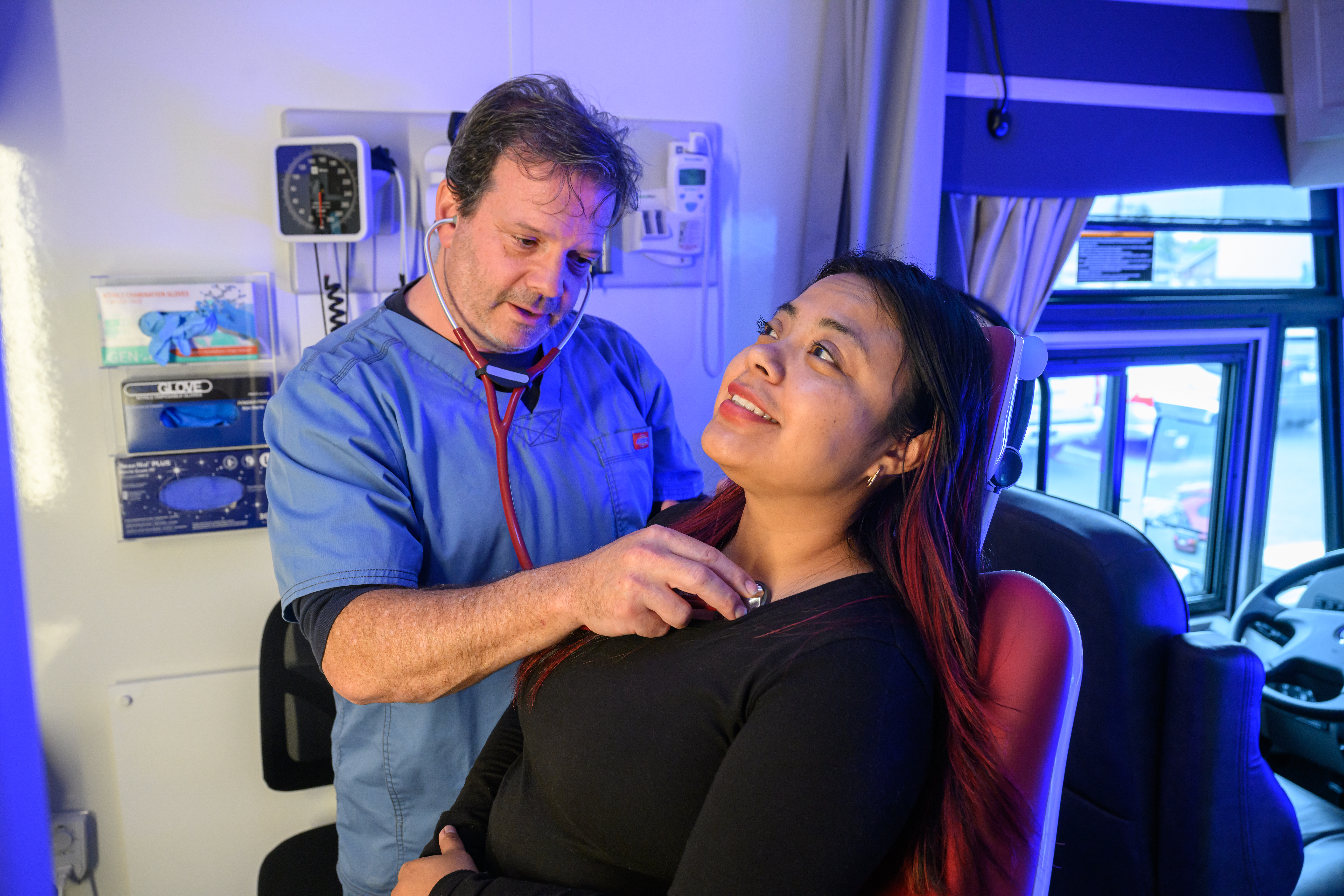
Health for the whole person
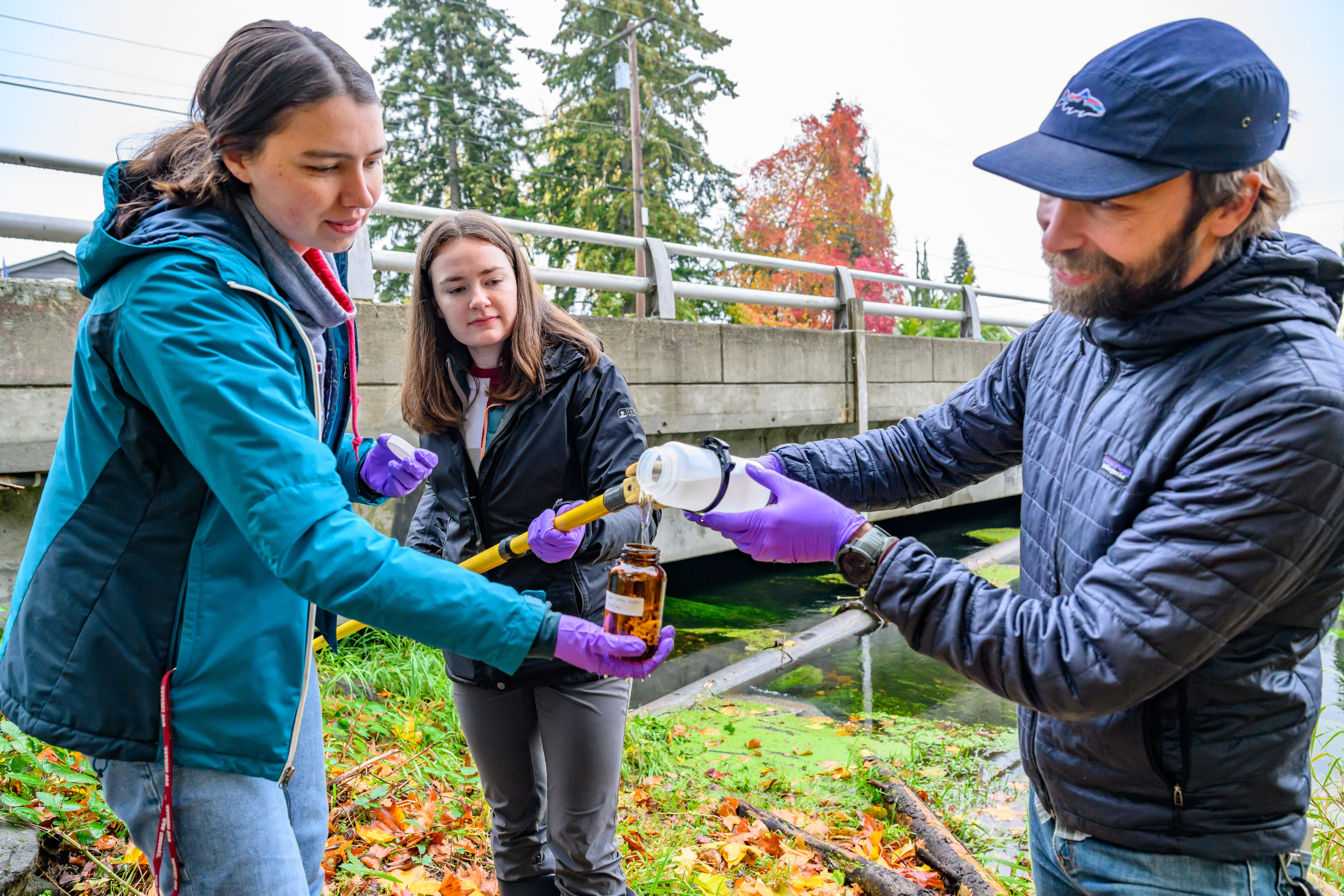
Students help solve salmon puzzle

Murrow News Fellowship puts more local reporters on the beat
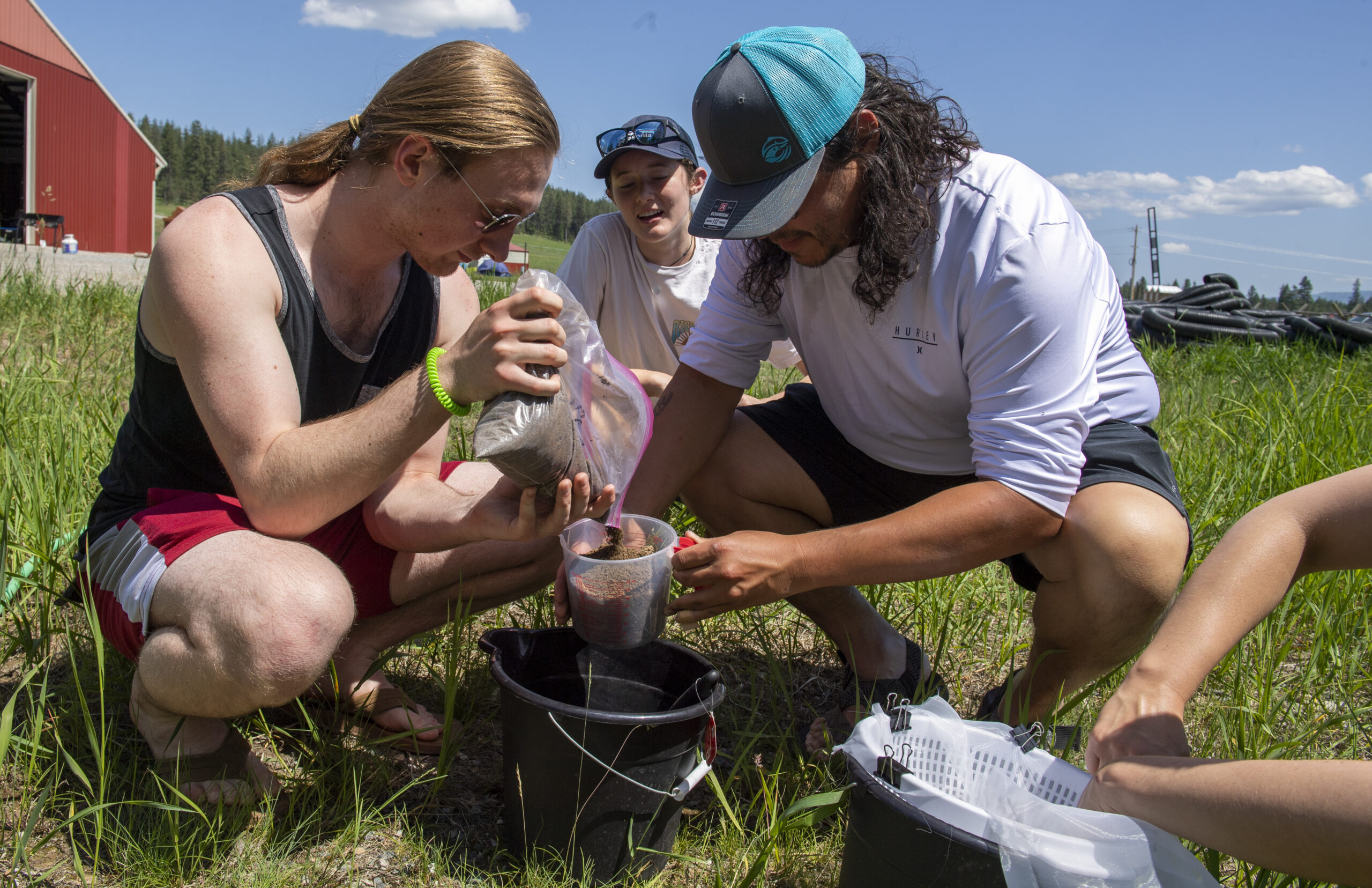
Partners in the field

WSU grizzlies put coolers to the test

Master Gardeners know all the dirt
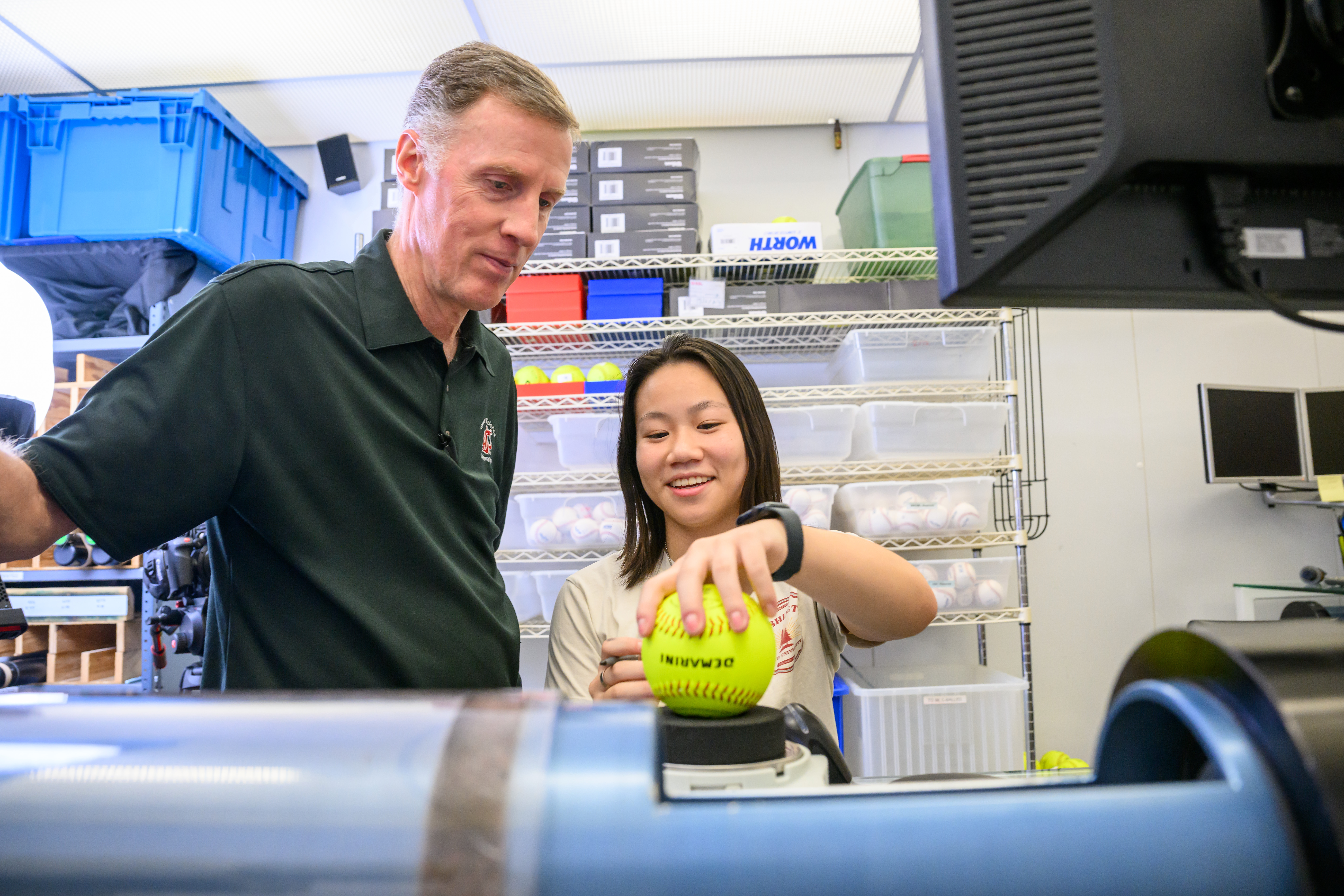
“Bat Lab” targets the science of the ballpark

High expectations, high support for first gen
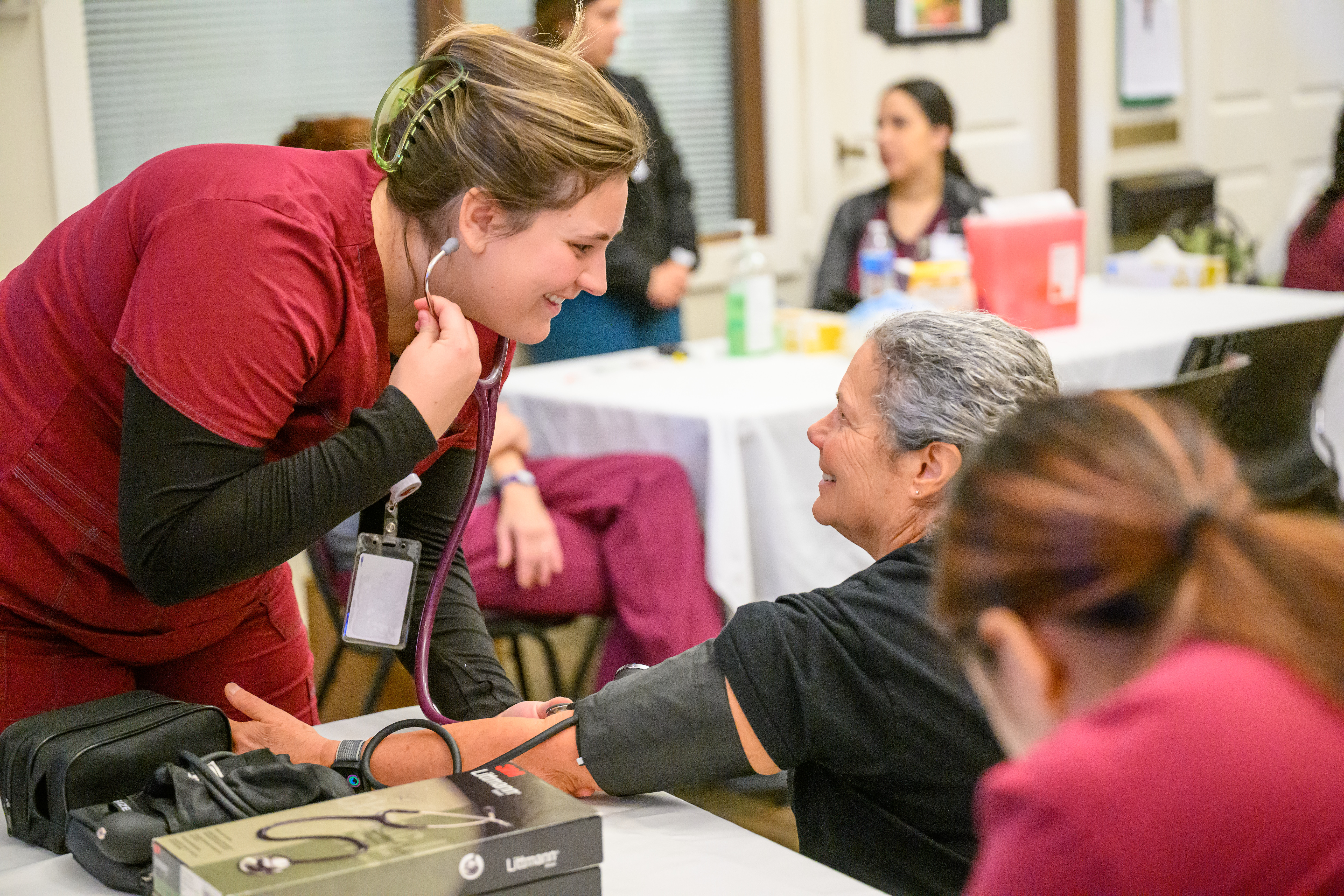
Community care is the curriculum