HERE WE GO

Community care is the curriculum
Someone educated at Washington State University Health Sciences will know more than the practice of medicine, nursing or pharmacy.
They’ll know how to build healthier communities.
Students will understand the challenges of living far from healthcare resources, and how someone’s neighborhood, income and education can shape their wellbeing.
They’ll be comfortable talking to people about difficult topics like substance use and suicide. And they’ll appreciate how someone from a culture not their own might have different expectations or needs when it comes to their healthcare.
With community health at the forefront, the Elson S. Floyd College of Medicine, the College of Nursing and the College of Pharmacy and Pharmaceutical Sciences are committed to improving the lives of the individuals, families and communities of Washington. That means students learn in classrooms and labs, in rural and urban clinics, and in hospitals, pharmacies and nursing homes throughout the state.
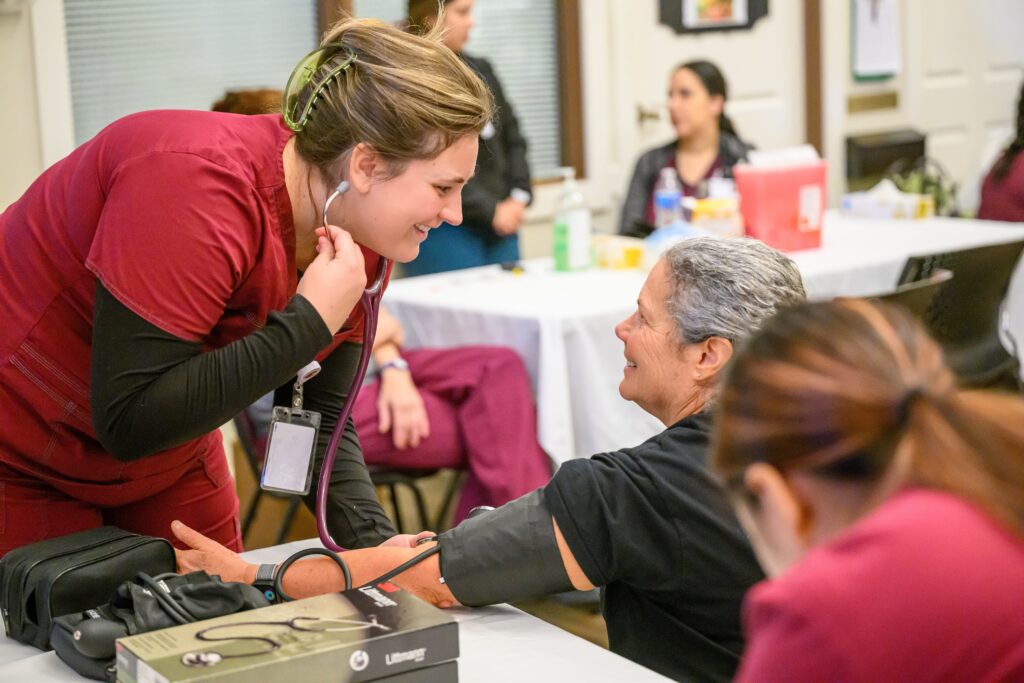
We know we need to be connected to the community, to make sure we’re positively affecting the communities we reside in.
Jennifer Robinson
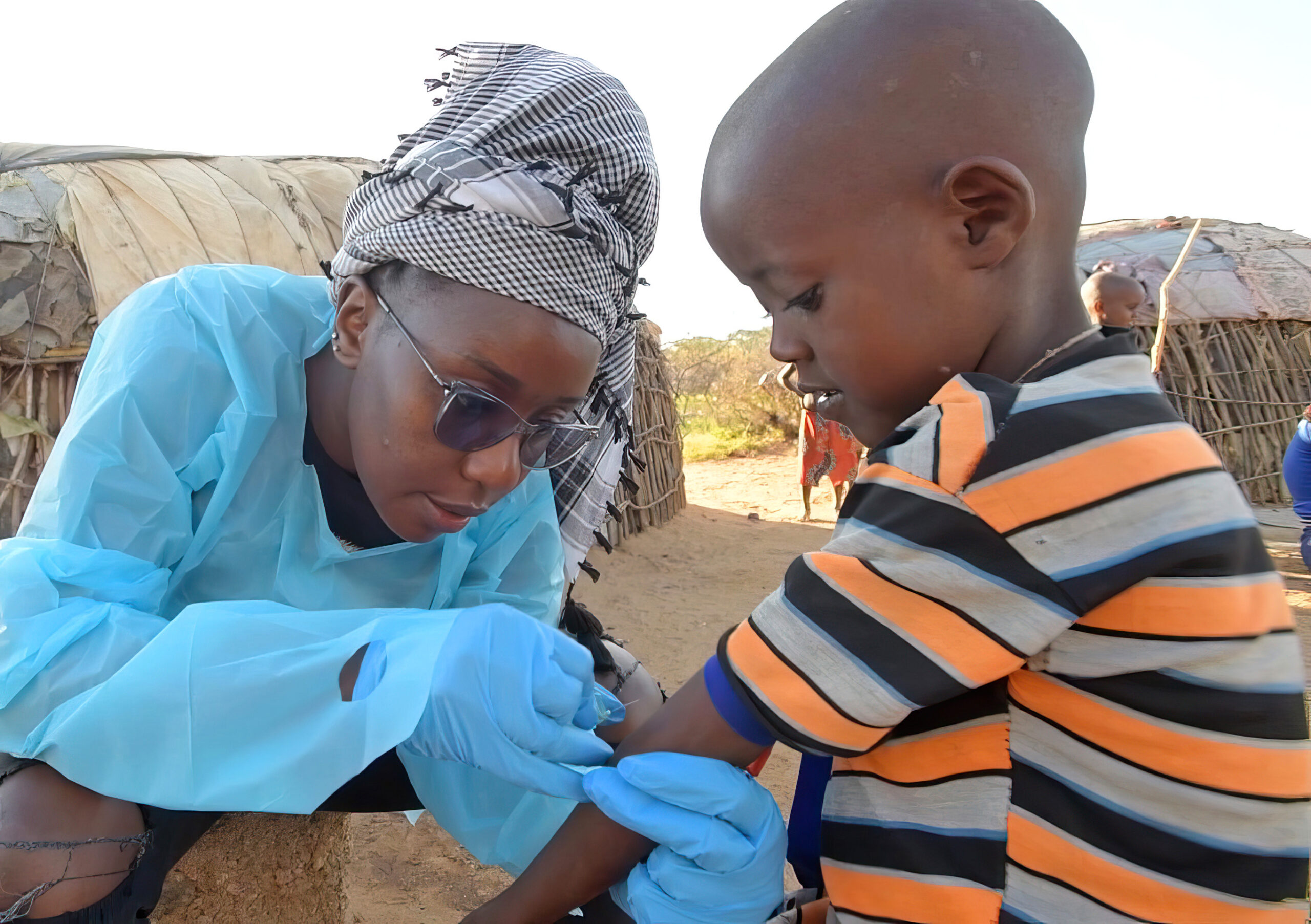
Such outreach is “the truest form of medicine, bringing the care to the person,” said Dr. Matthew Hansen, program director for the College of Medicine’s Internal Medicine Residency Program in Everett, Washington.
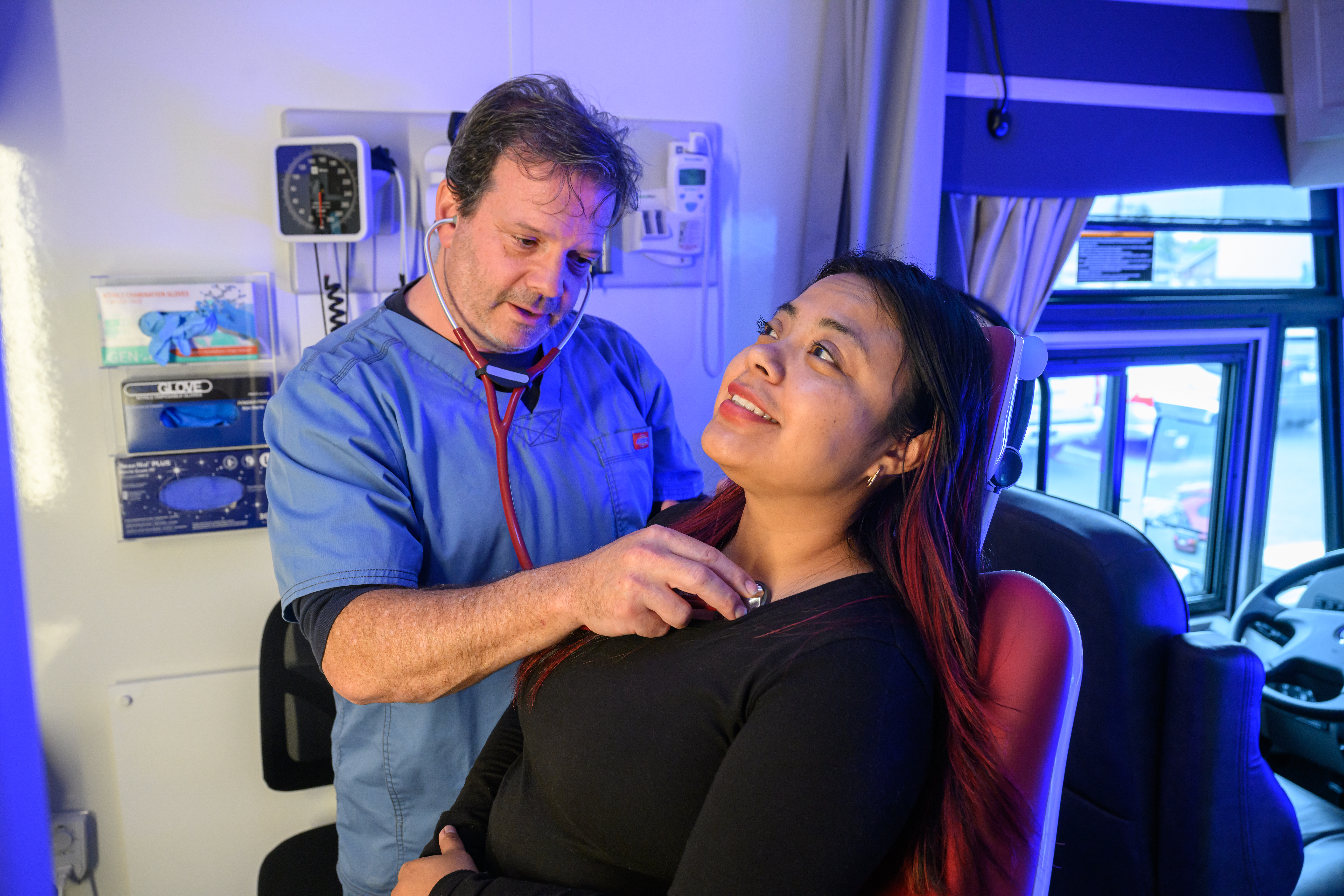
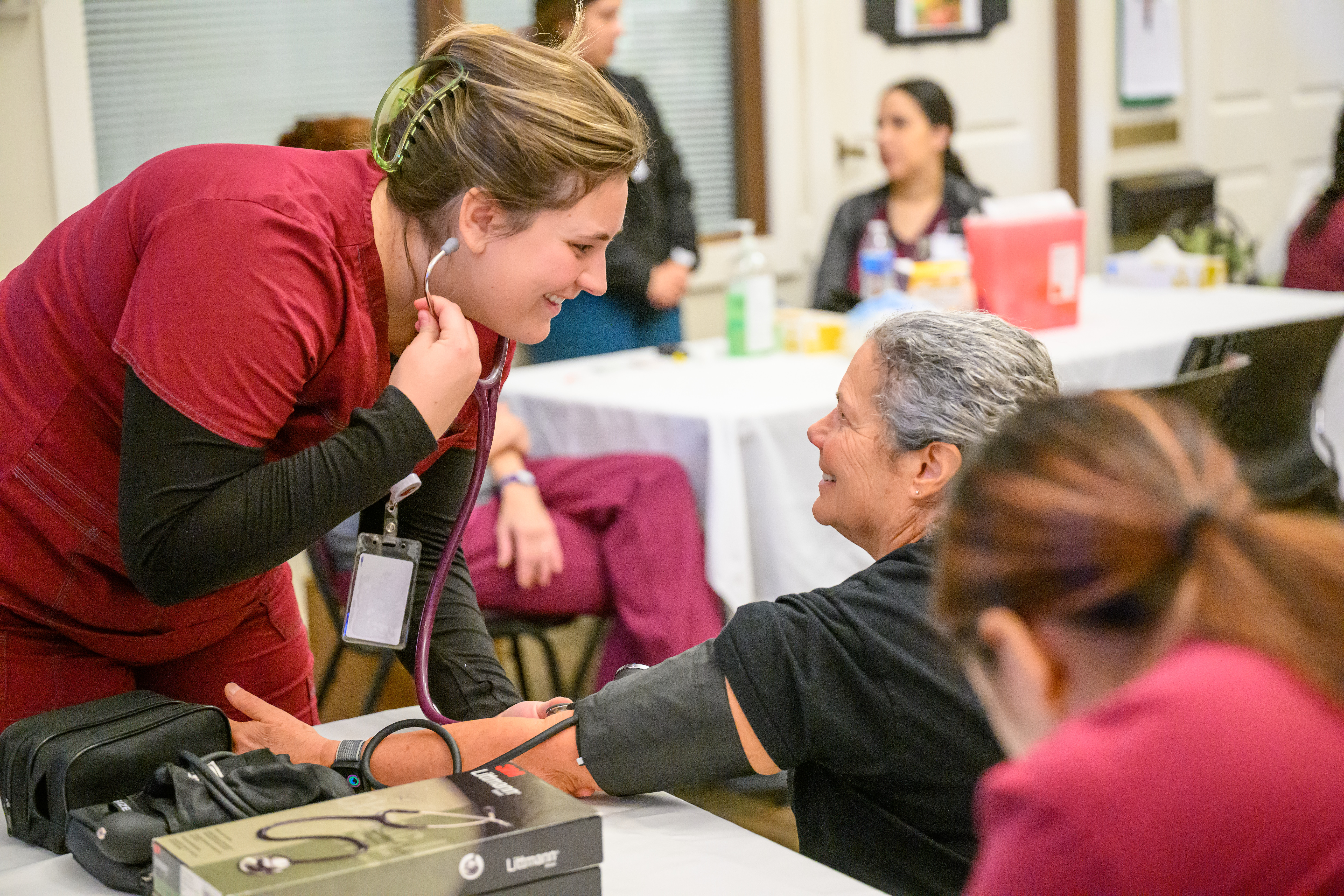
Students might administer immunizations or speak to parent groups about fentanyl and opioids. They can volunteer to give physicals to ensure kids can participate in school sports. They could provide health screenings in homeless shelters or mental health care to students in rural school districts who don’t have that access.
Medical residents in clinics work with veterans, indigenous peoples and people experiencing homelessness, and are rotated into rural areas to practice in those communities.
To Jose Pares-Avila, associate dean for community engagement at the College of Nursing, these kinds of outreach are the hallmark of a fully engaged citizen, something he encourages all of his students to be. To him, he said, that means “feet on the ground, having a finger on the pulse of the community and joining that community to become a change agent for them.”
Added Jennifer Robinson, associate dean for professional education at the WSU College of Pharmacy and Pharmaceutical Sciences, “We know we need to be connected to the community, to make sure we’re positively affecting the communities we reside in.”
At WSU Health Sciences, a healthy community is in the curriculum.

Tell Your Story
Rehab isn’t just for humans
Mass timber on the rise
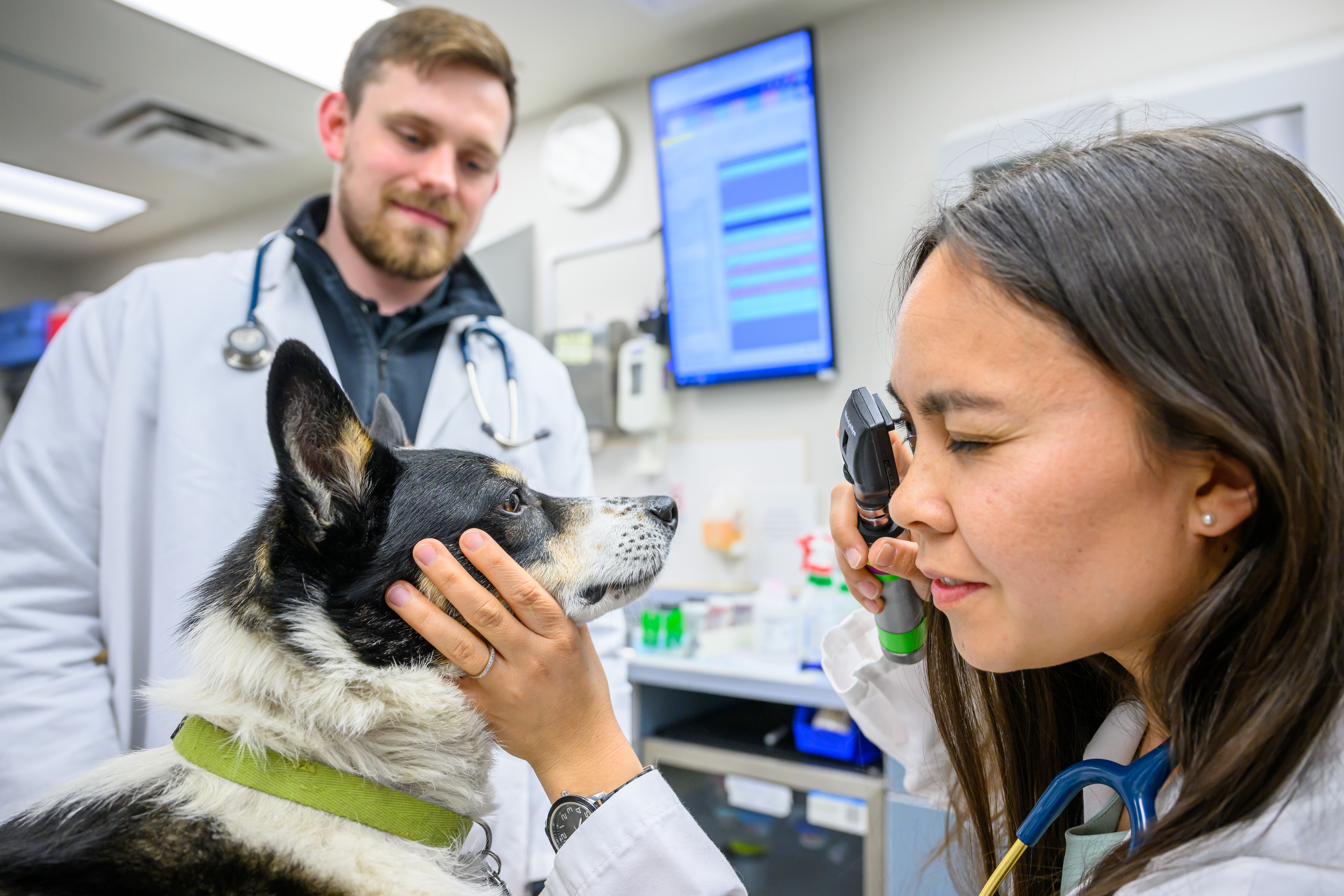
At WSU, the animal doctors are in
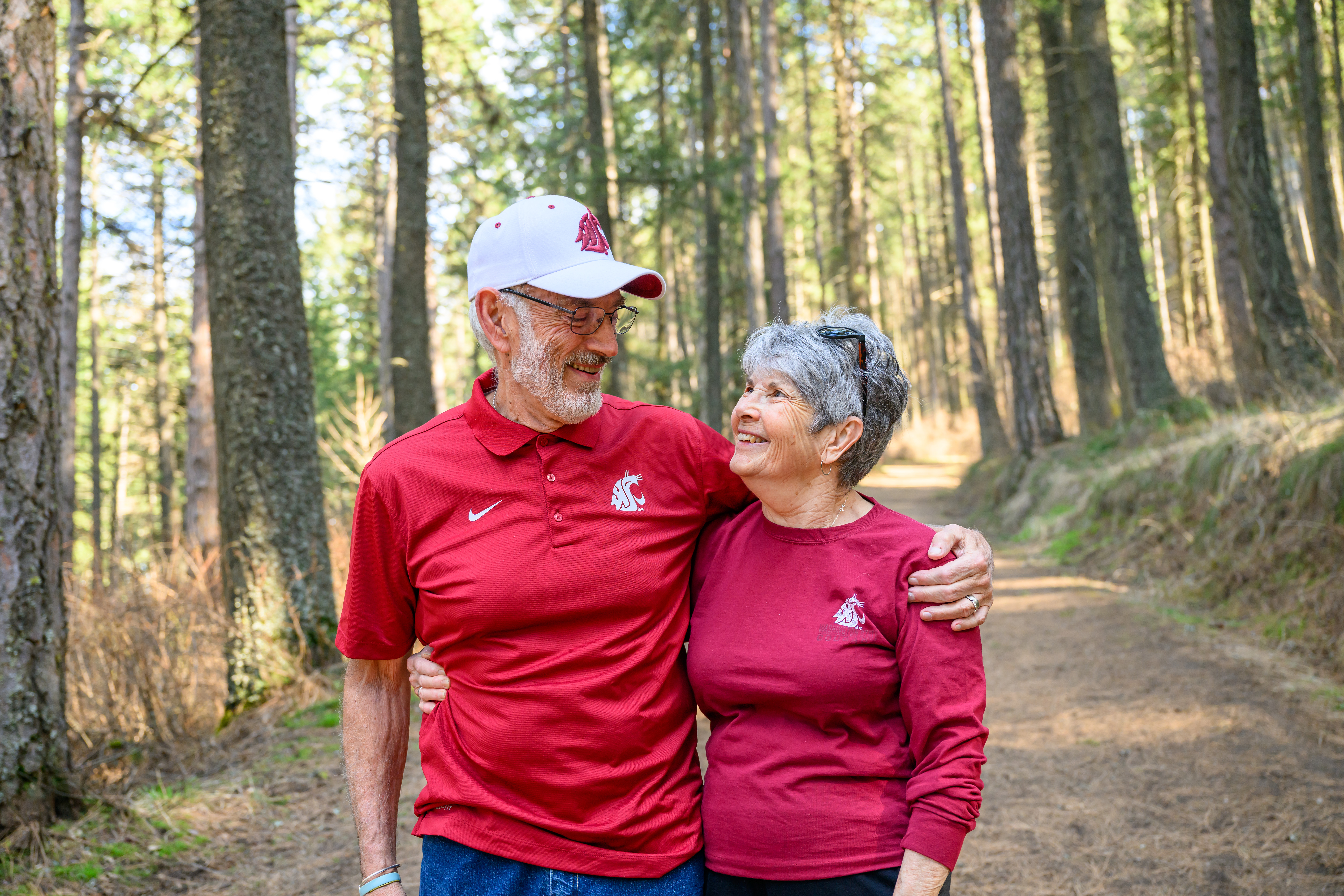
Growing older, living better
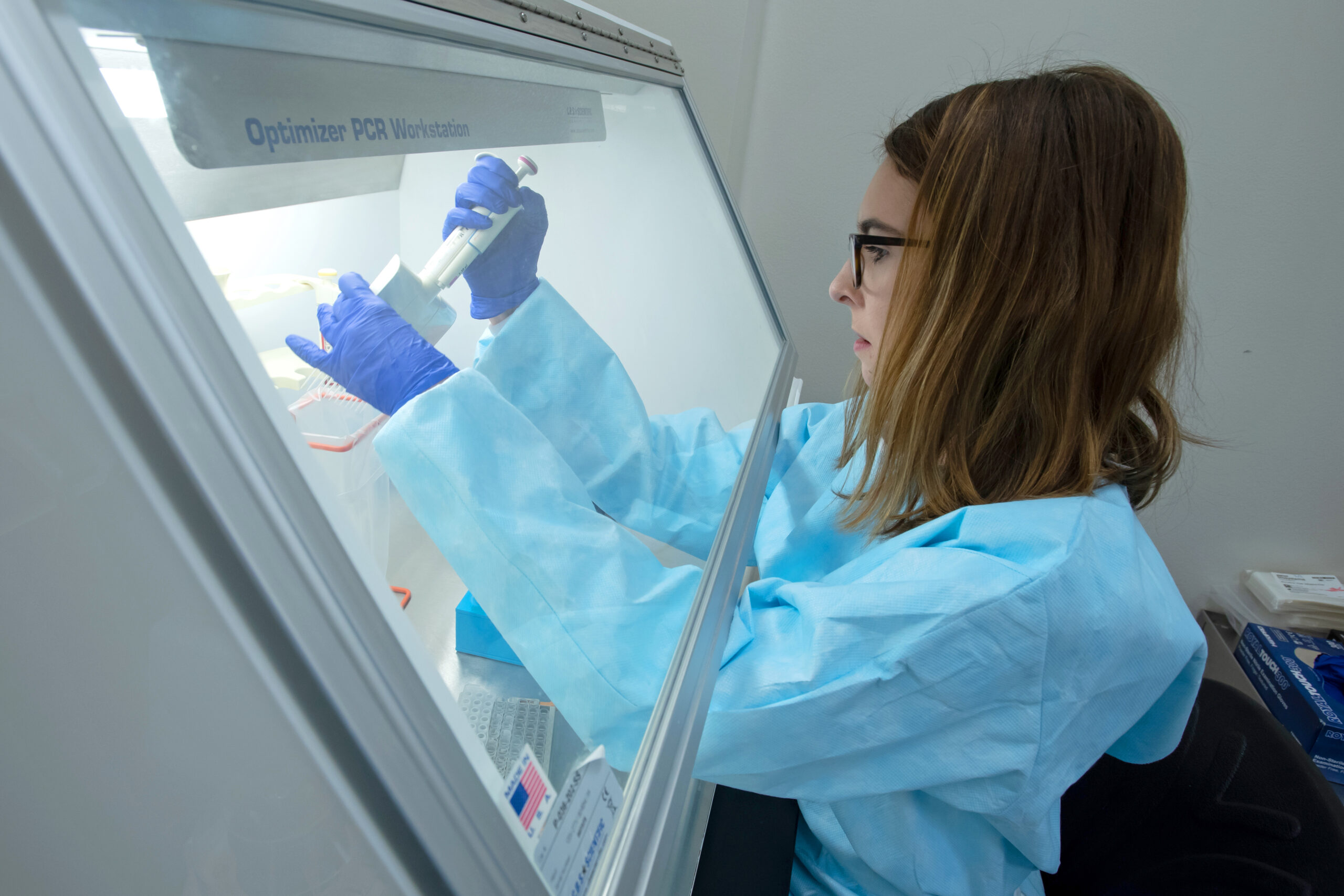
WSU builds on the lessons from Covid

“We worry so you don’t have to”
Robotic gripper could offer a helping hand in the apple orchard
Health for the whole person
Students help solve salmon puzzle

Murrow News Fellowship puts more local reporters on the beat
Partners in the field

WSU grizzlies put coolers to the test

Master Gardeners know all the dirt
“Bat Lab” targets the science of the ballpark
High expectations, high support for first gen
Community care is the curriculum