HERE WE GO

High expectations, high support for first gen
More than a third of the students across Washington State University are first-gen, meaning their parents or guardians don’t have a four-year college degree.
It can be tough to be a first-gen student, navigating complex financial and administrative systems for the first time. There can be social and academic hurdles, too. Recognizing this, WSU has become a “First-Gen Forward” school, with programs and services especially for first-generation students.
The university starts from the place that “first-gen students deserve to be here,” said Lucila Loera-Herrera, executive director of the university’s Office for Access & Opportunity. “We set high expectations, but also provide high support.”
Each WSU campus offers programs and services that help meet the needs of first-gen students.
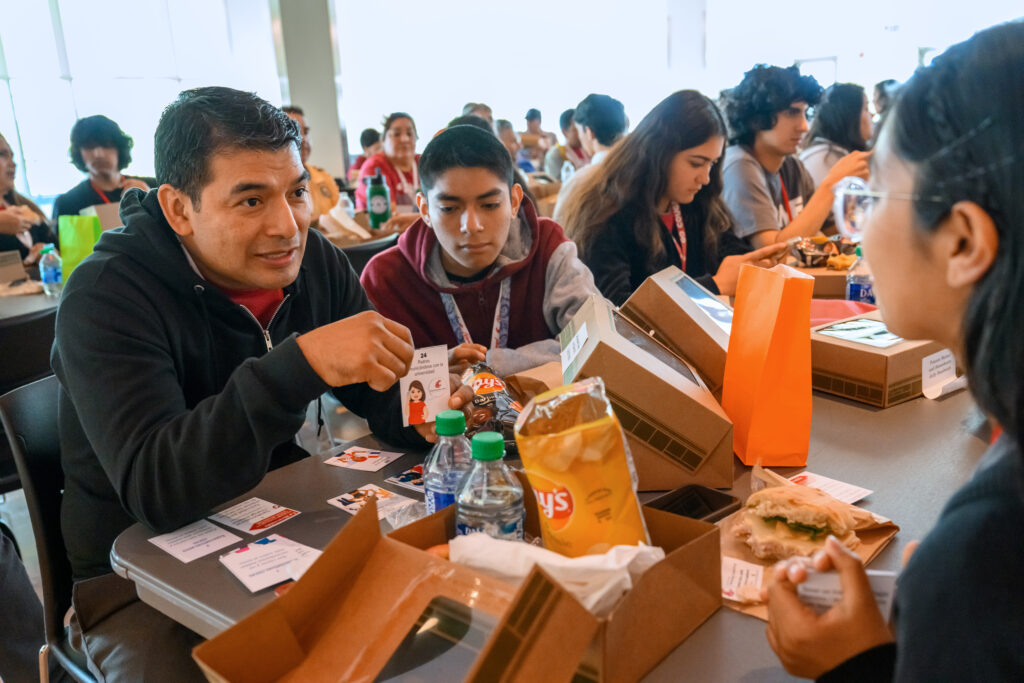
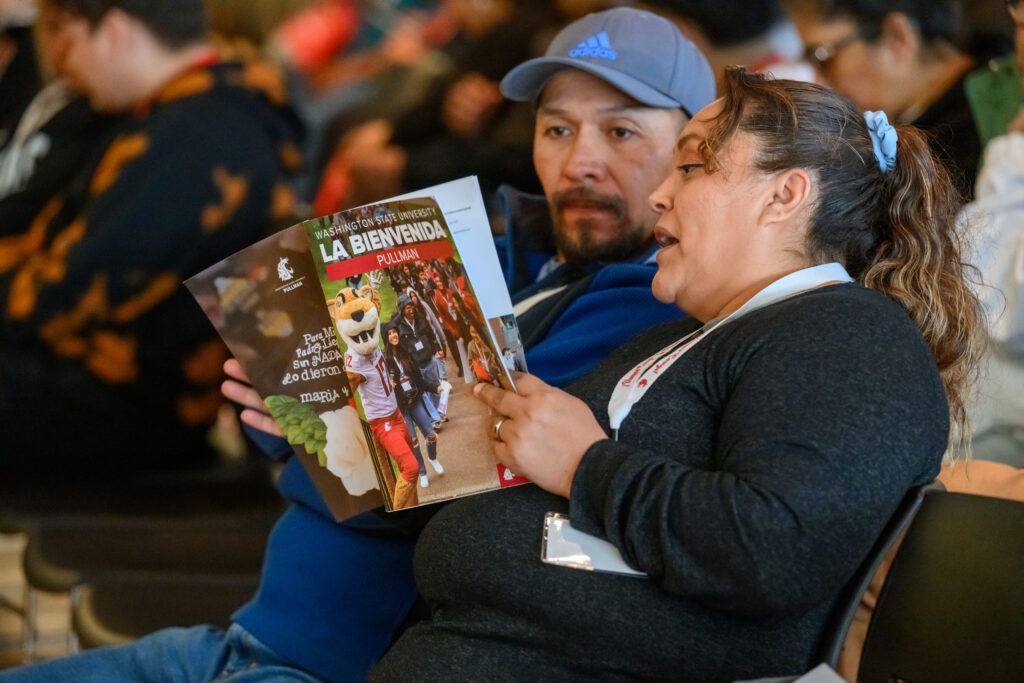
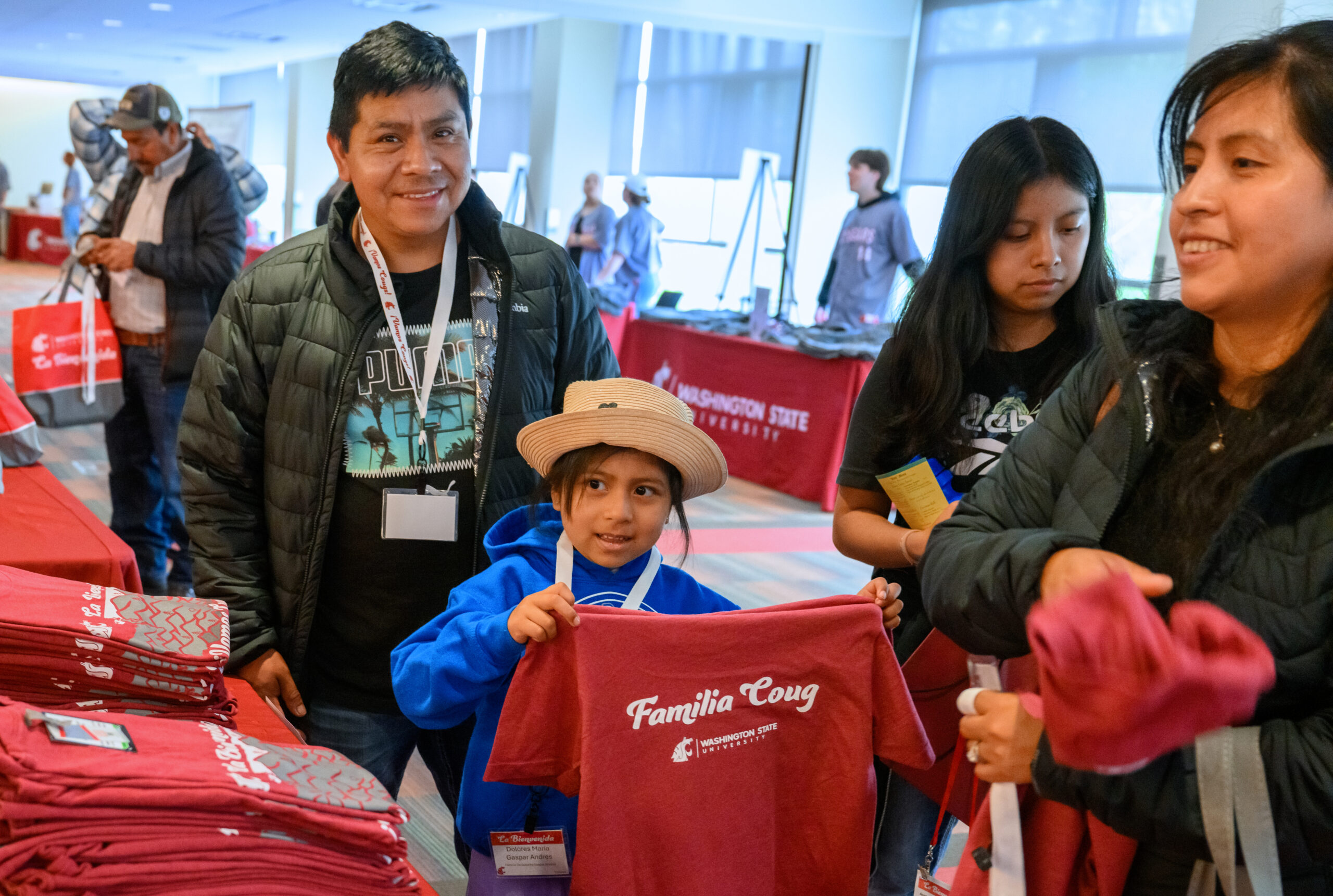
One of the most successful innovations at WSU has been La Bienvenida, a Spanish-language orientation for students and families held on campuses in Pullman, the Tri-Cities and Vancouver. Though not restricted to first-gen students, most participants are first-gen. The program invites first-year students, their parents, caregivers and siblings to learn about the college experience. Participants tour campuses and eat in dining halls, and learn about the complexities of admissions, registration, financial aid and housing.
“La Bienvenida’s power lies in the impact it has on parents. It helps them understand what it might look like for their child to be successful at WSU and what their role is in supporting their student while they are studying,” said Michael Heim, director for Migrant Education Student Access and Support (MESAS) at WSU.
Nationally, first-gen students leave university at a higher rate than continuing-generation students and take longer to graduate. La Bienvenida helps to improve retention and four-year graduation rates for participating students through supporting the parents and family members, as well as providing a quality orientation for incoming students, Heim said.
Another popular program gives first-gen undergraduate students from any major or campus the chance to study abroad. That means first-gen students, who may never have flown on a plane before, get the same opportunity to expand their perspectives and learn about different cultures as other students, said Loera-Herrera. Nearly every student participating in First-Gen Abroad at WSU receives financial aid to help with the cost, often donated by generous alumni.
She also points to WSU’s longtime participation in the federal TRIO programs for first-gen students, students with disabilities, and those from economically disadvantaged backgrounds. WSU’s 17 TRIO programs either help high school students prepare academically for college or support students once they enroll at WSU.
Said Loera-Herrera, “We don’t come from a deficit mindset in working with first-gen students. We know these students come with a lot of strengths and we help them see those strengths and lean into and engage those strengths.”
We know these students come with a lot of strengths and we help them see those strengths and lean into and engage those strengths.
Lucila Loera-Herrera

Tell Your Story
Rehab isn’t just for humans
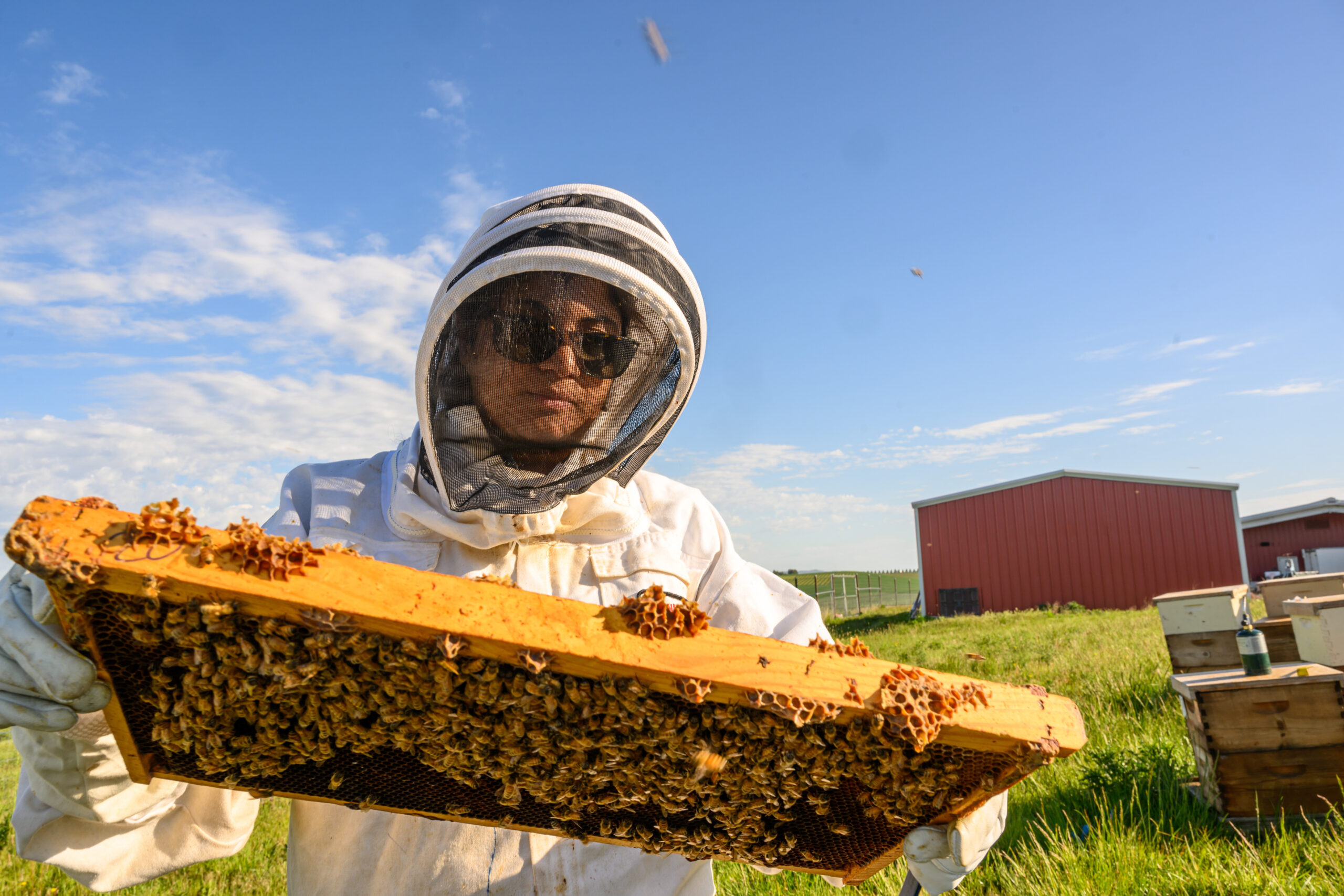
Mass timber on the rise
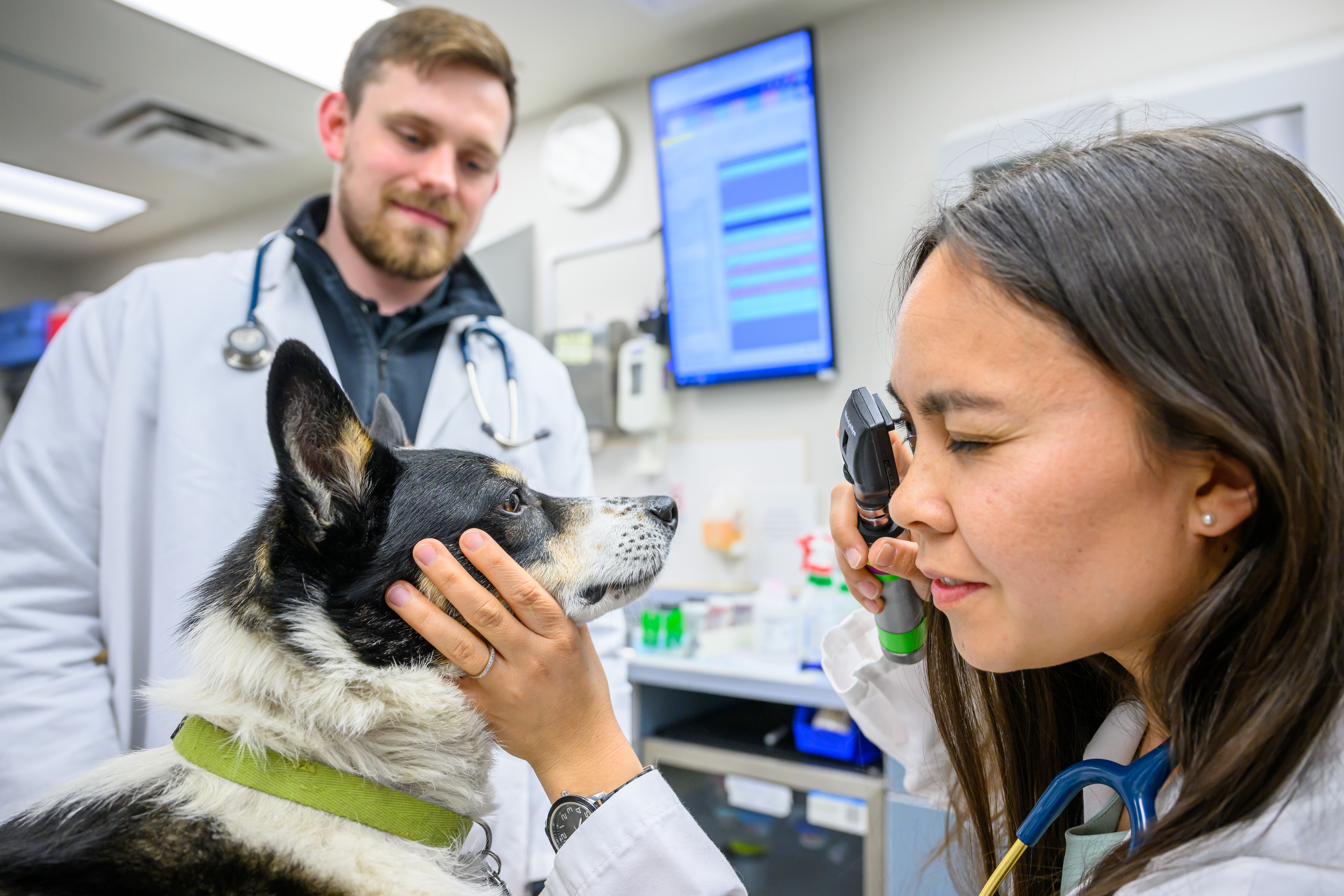
At WSU, the animal doctors are in
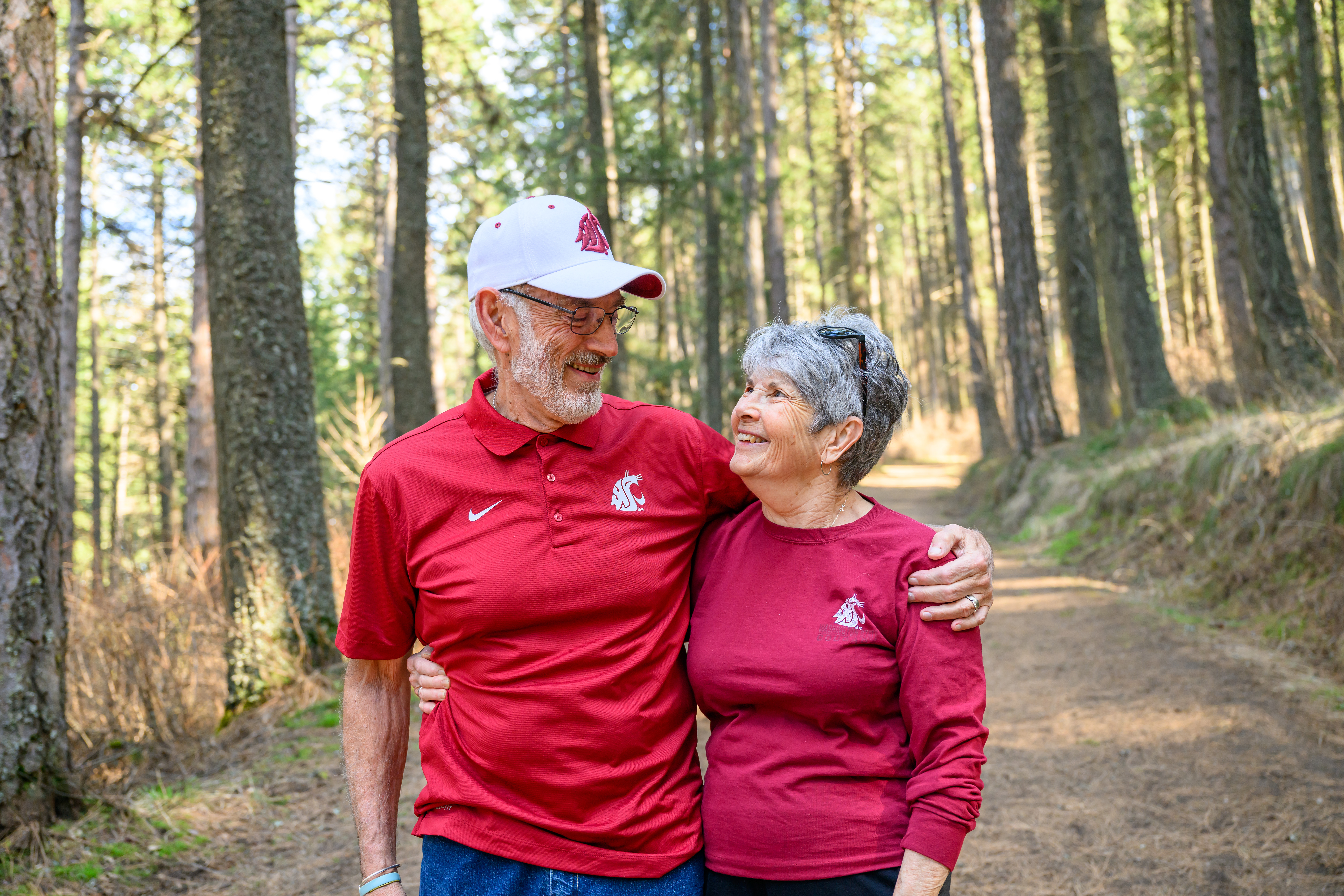
Growing older, living better
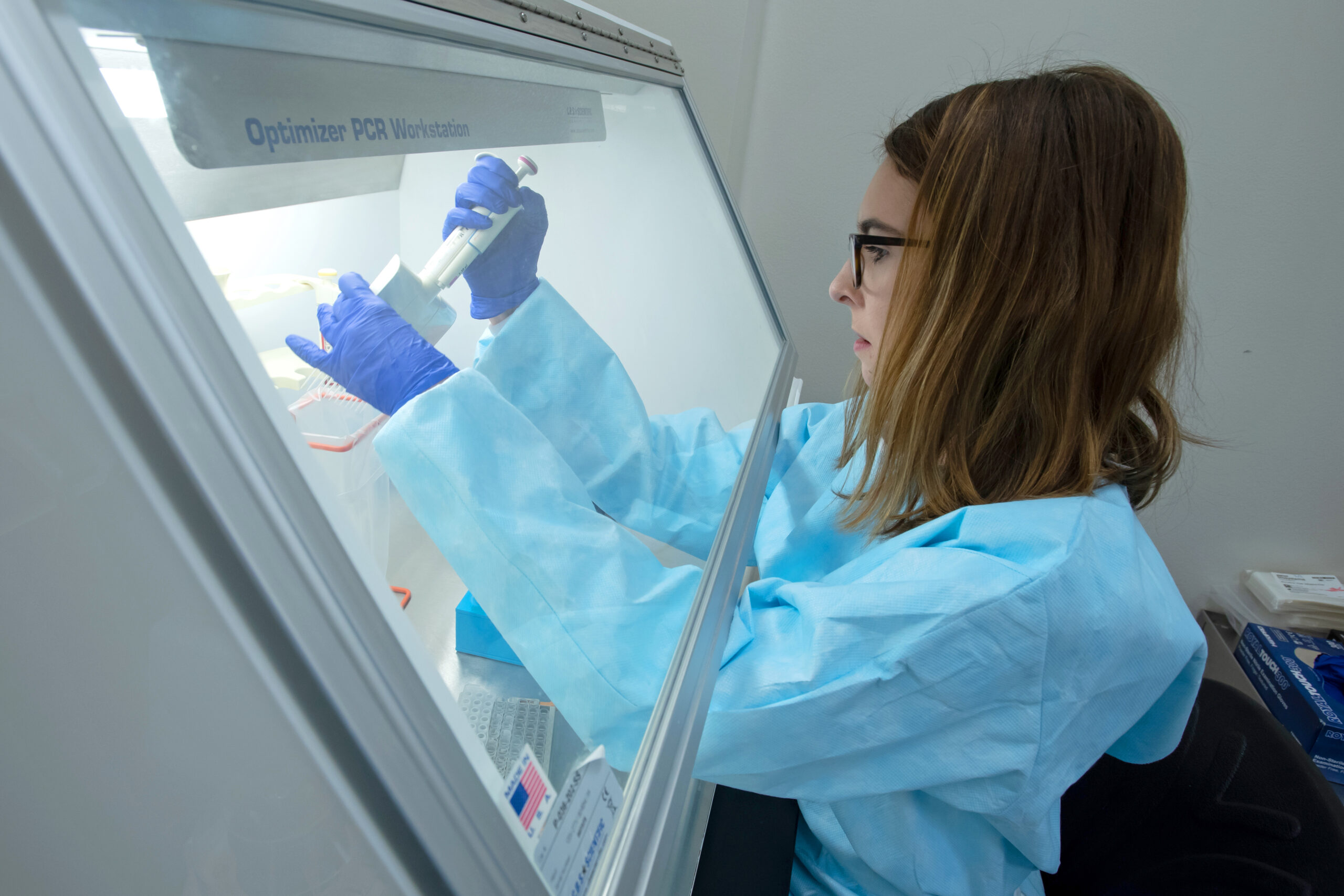
WSU builds on the lessons from Covid

“We worry so you don’t have to”
Robotic gripper could offer a helping hand in the apple orchard
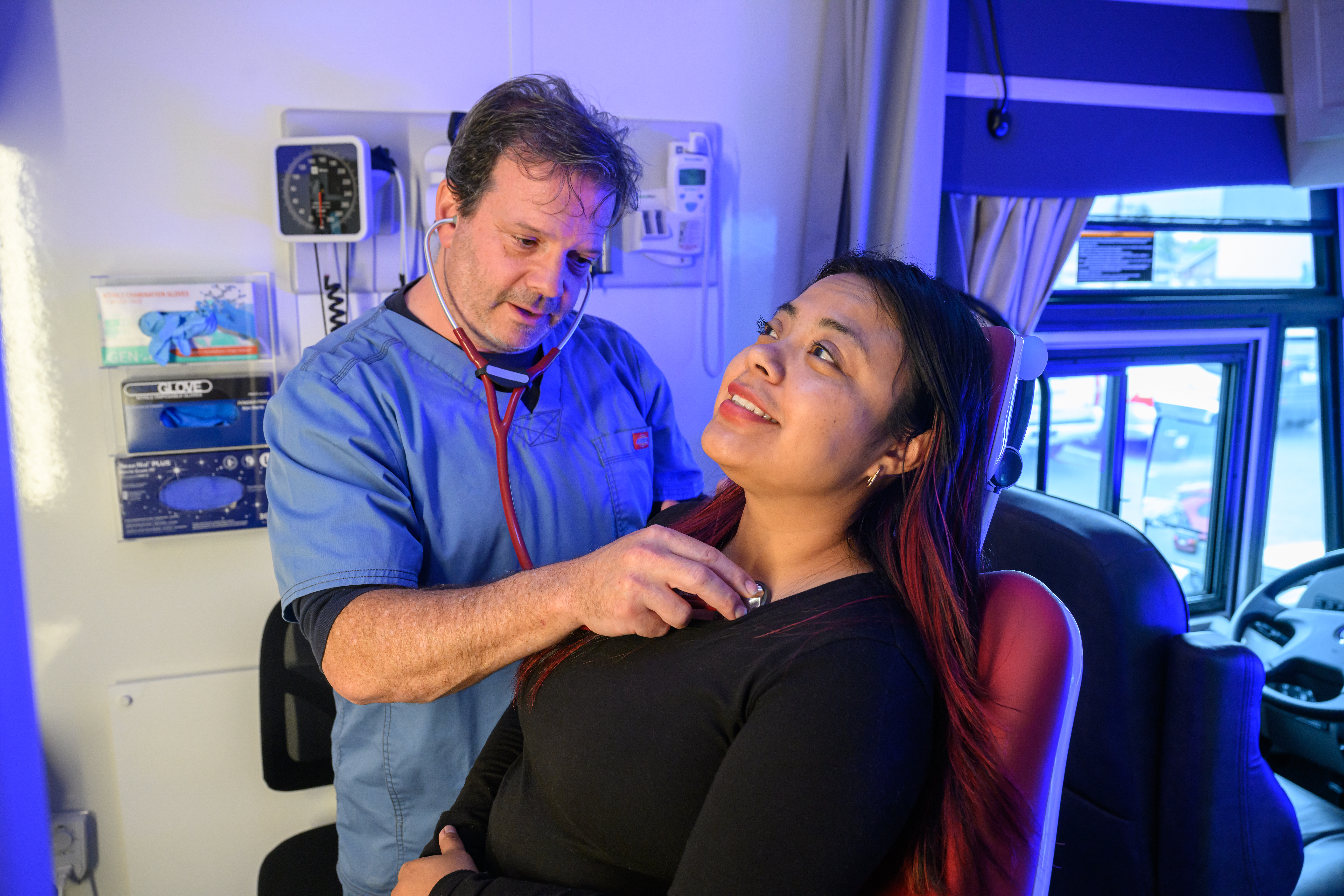
Health for the whole person
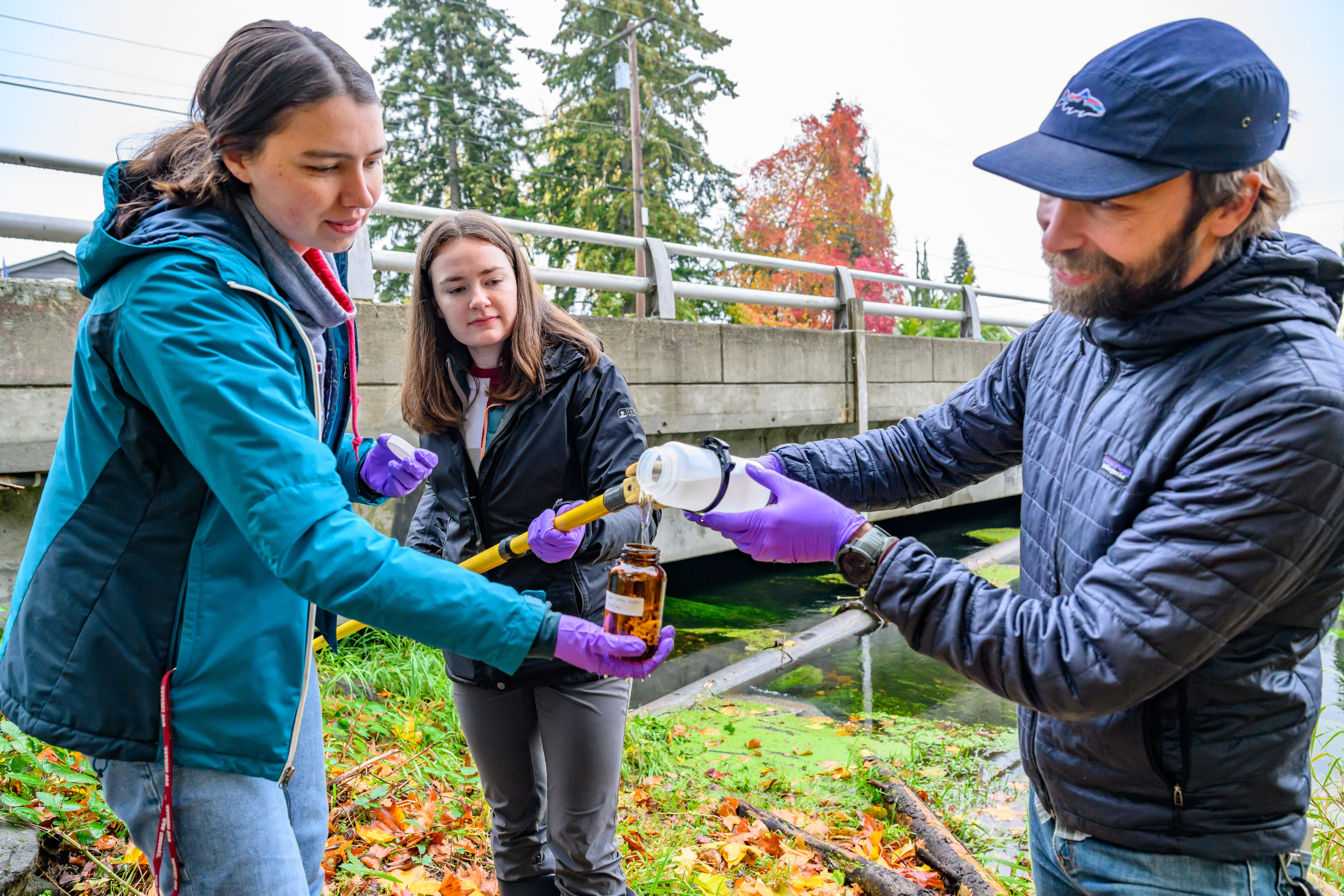
Students help solve salmon puzzle

Murrow News Fellowship puts more local reporters on the beat
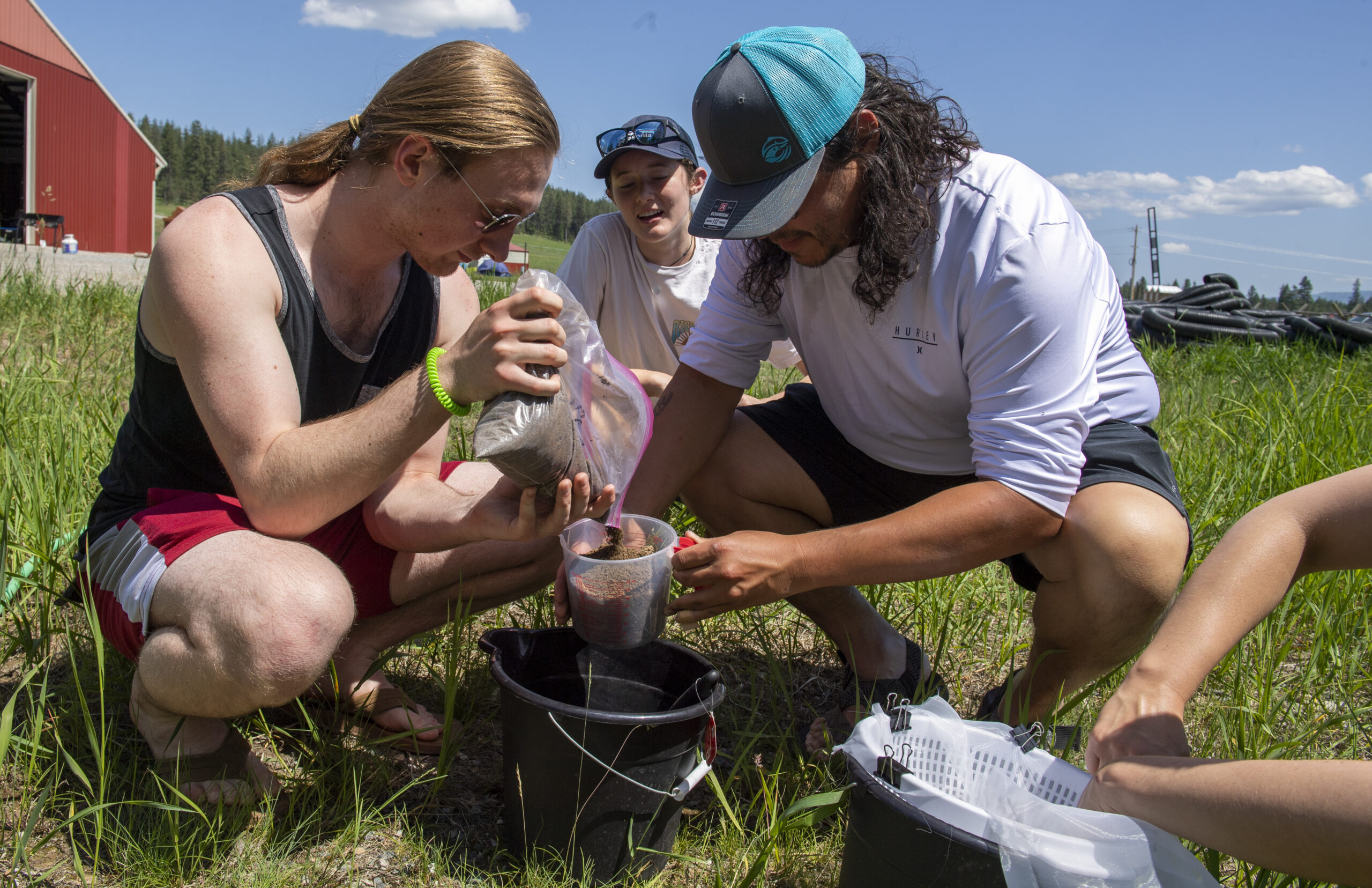
Partners in the field

WSU grizzlies put coolers to the test

Master Gardeners know all the dirt
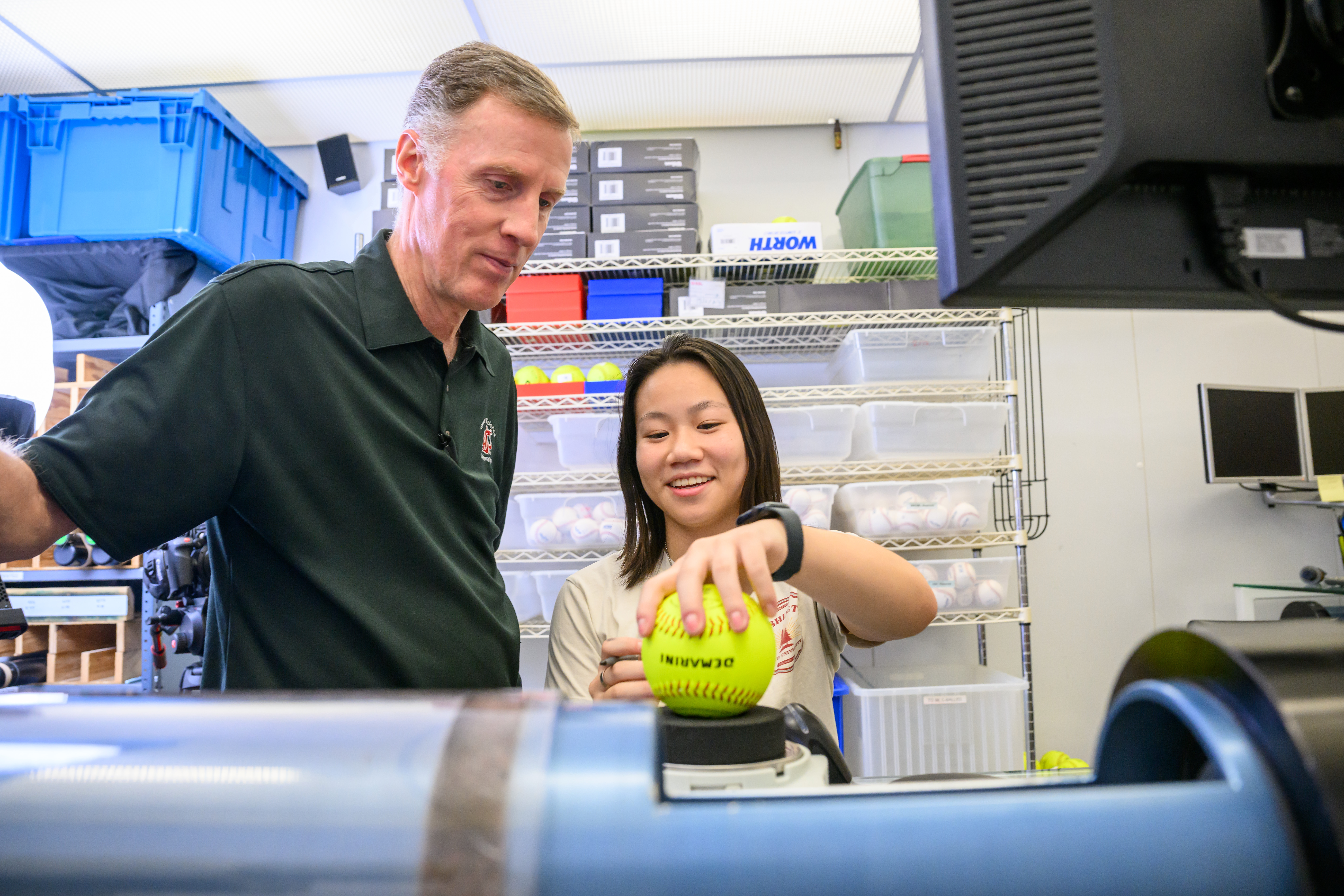
“Bat Lab” targets the science of the ballpark
High expectations, high support for first gen
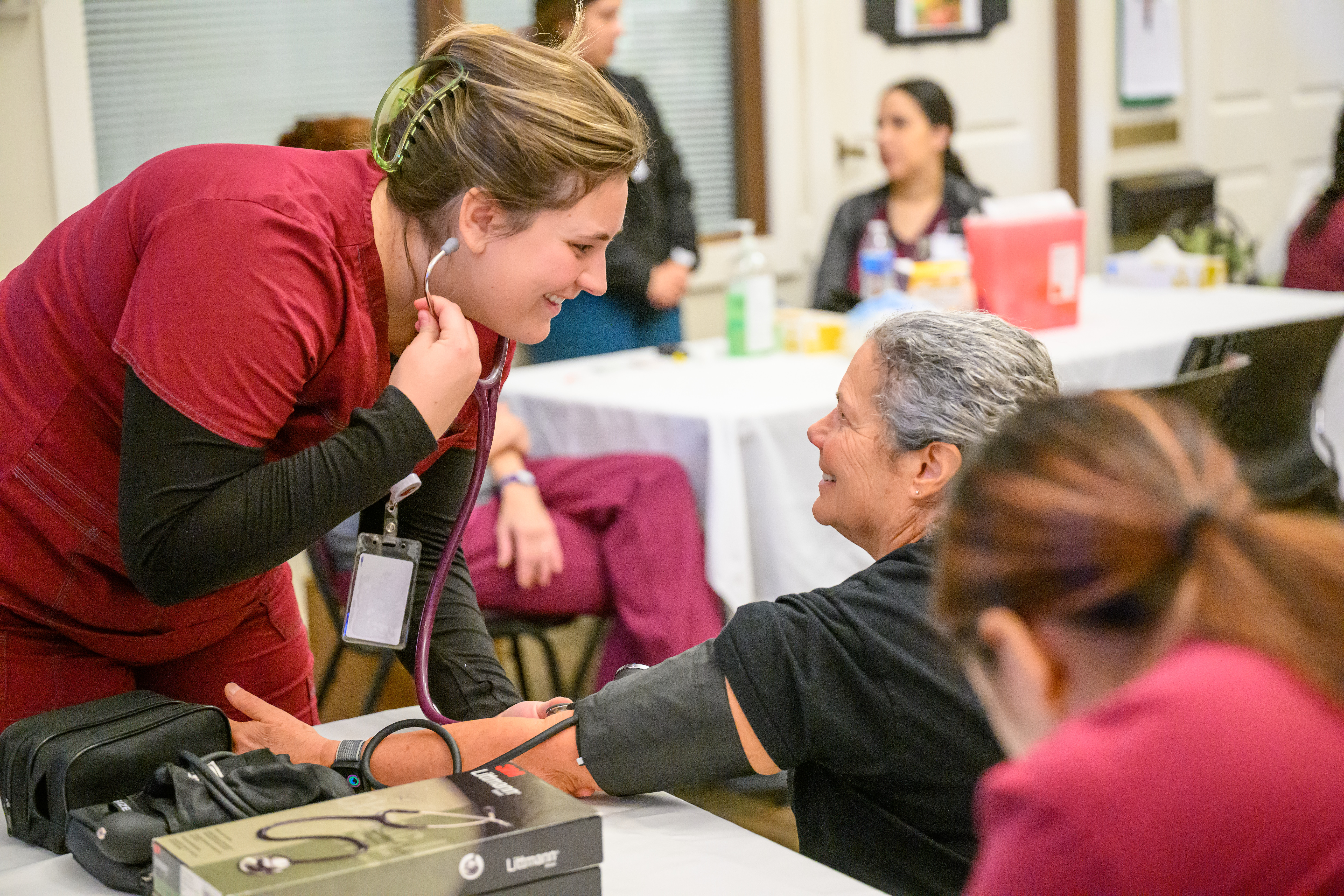
Community care is the curriculum