HERE WE GO

Partners in the field
Building on almost a century of collaboration between Washington State University and the Kalispel Tribe.
In 1936, Allan H. Smith traveled to the tiny Kalispel reservation in northeast Washington to speak with tribal elders about their history and culture. Over the next two years, the Washington State University anthropologist amassed an 1,800-page manuscript on the Kalispel people that later played an instrumental role helping the Tribe argue grievances before the U.S. Indian Claims Commission.
Smith’s visit to the Tribe’s small village on the banks of the Pend Oreille River marked the beginning of an almost 100-year relationship between WSU and the Kalispel Tribe. It is a partnership that continues, both literally and figuratively, to break new ground into the present day.
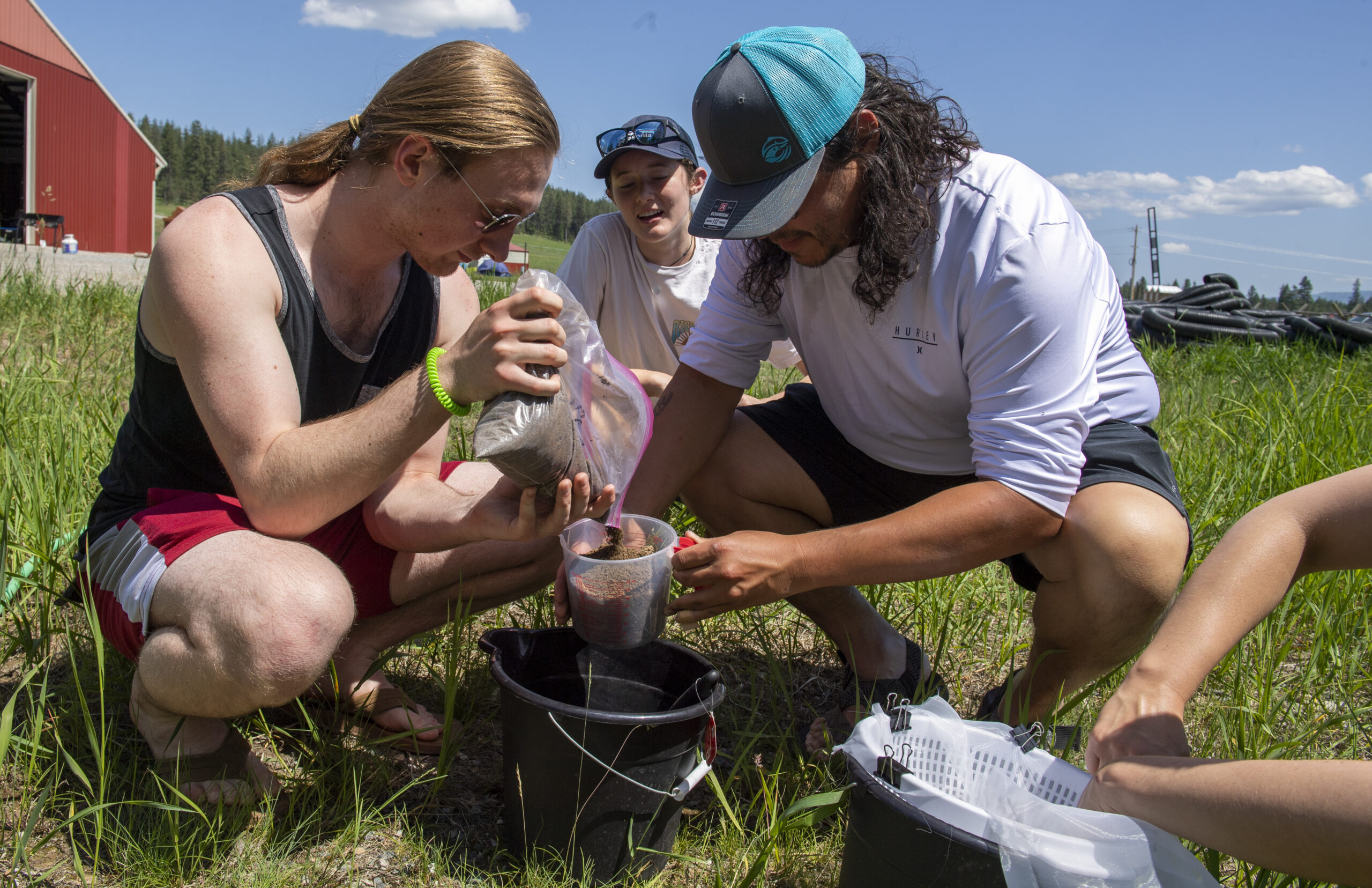
In the summer of 2023, WSU and Kalispel Tribe archeologists worked together to excavate a series of ancient earth ovens outside of Newport, Washington, that are in some cases more than 5,000 years old.
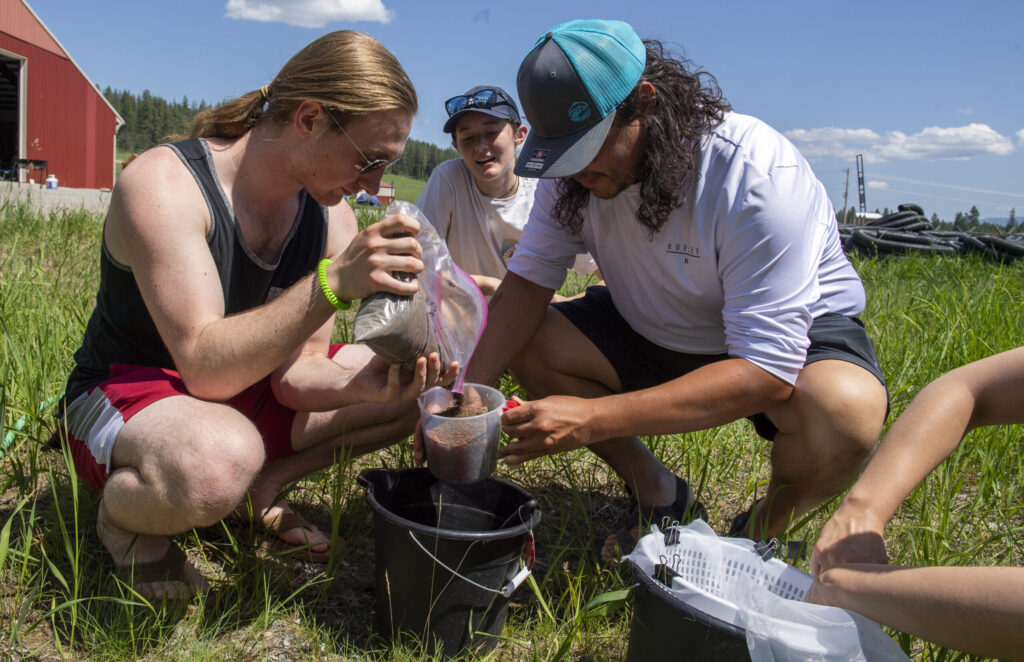
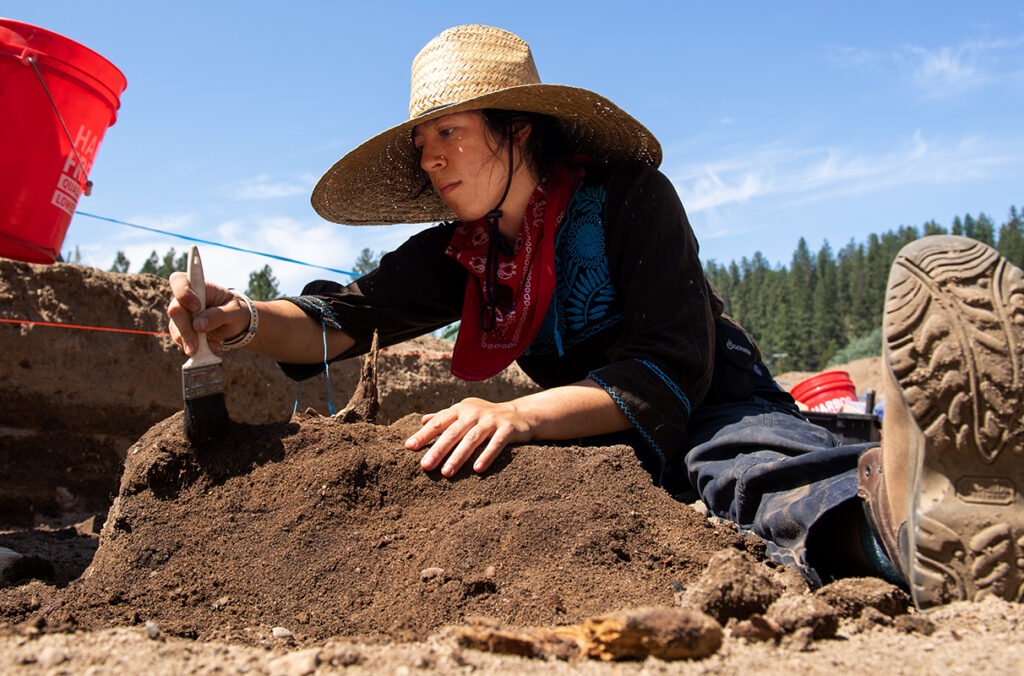
Recent analysis has revealed the ovens were used to bake camas, a small flowering plant with cookable roots that is an important part of tribal culture. The research team is currently analyzing soil samples from the excavation to identify what other sources of food were being cooked. They hope to find bits of protein from animals such as bighorn sheep, which currently aren’t found in the region, but previous research suggests may have been present or traded for. Confirmation of these findings would suggest the possibility of trade with regions where such animals were available, further expanding knowledge about the tribe’s diet and trading networks.
“Earth ovens have been excavated in this area before, but now we have all these wonderful new technologies that give us the ability to better determine what types of food were being eaten and how they were prepared,” said Shannon Tushingham, a WSU adjunct professor of anthropology who led the team of students participating in the dig as part of an annual summer archeological field school.
Kalispel Tribe archeologist Kevin Lyons said Tribal leadership decided to partner with WSU experts on the project given its scale and scientific complexity.
“We have a long tradition of working with them and know that they will do justice to the Tribe’s history and its tangible footprint,” he said.
In addition to continuing WSU and the Kalispel Tribe’s long tradition of collaboration, the project gave students participating in WSU’s annual summer archeological field school the opportunity to learn key skills for professional careers and firsthand experience working with a tribal group.
For the summer 2024 field school, WSU archeologist Mackenzie Cory took students for a dig to the Hell Canyon site in Wyoming, where they helped local tribal archeologists uncover the foundations of dwellings dating back in some cases almost 11,000 years ago.
He said as the field school program moves forward it will continue to emphasize providing students with first-hand experience working with Native groups across Washington and elsewhere in the U.S. and Canada.
We have a long tradition of working with them and know that they will do justice to the Tribe’s history and its tangible footprint.
Kevin Lyons, Kalispel Tribe archeologist

Tell Your Story
Rehab isn’t just for humans
Mass timber on the rise
At WSU, the animal doctors are in
Growing older, living better
WSU builds on the lessons from Covid

“We worry so you don’t have to”
Robotic gripper could offer a helping hand in the apple orchard
Health for the whole person
Students help solve salmon puzzle

Murrow News Fellowship puts more local reporters on the beat
Partners in the field
WSU grizzlies put coolers to the test
Master Gardeners know all the dirt
“Bat Lab” targets the science of the ballpark
High expectations, high support for first gen
Community care is the curriculum