HERE WE GO

Students help solve salmon puzzle
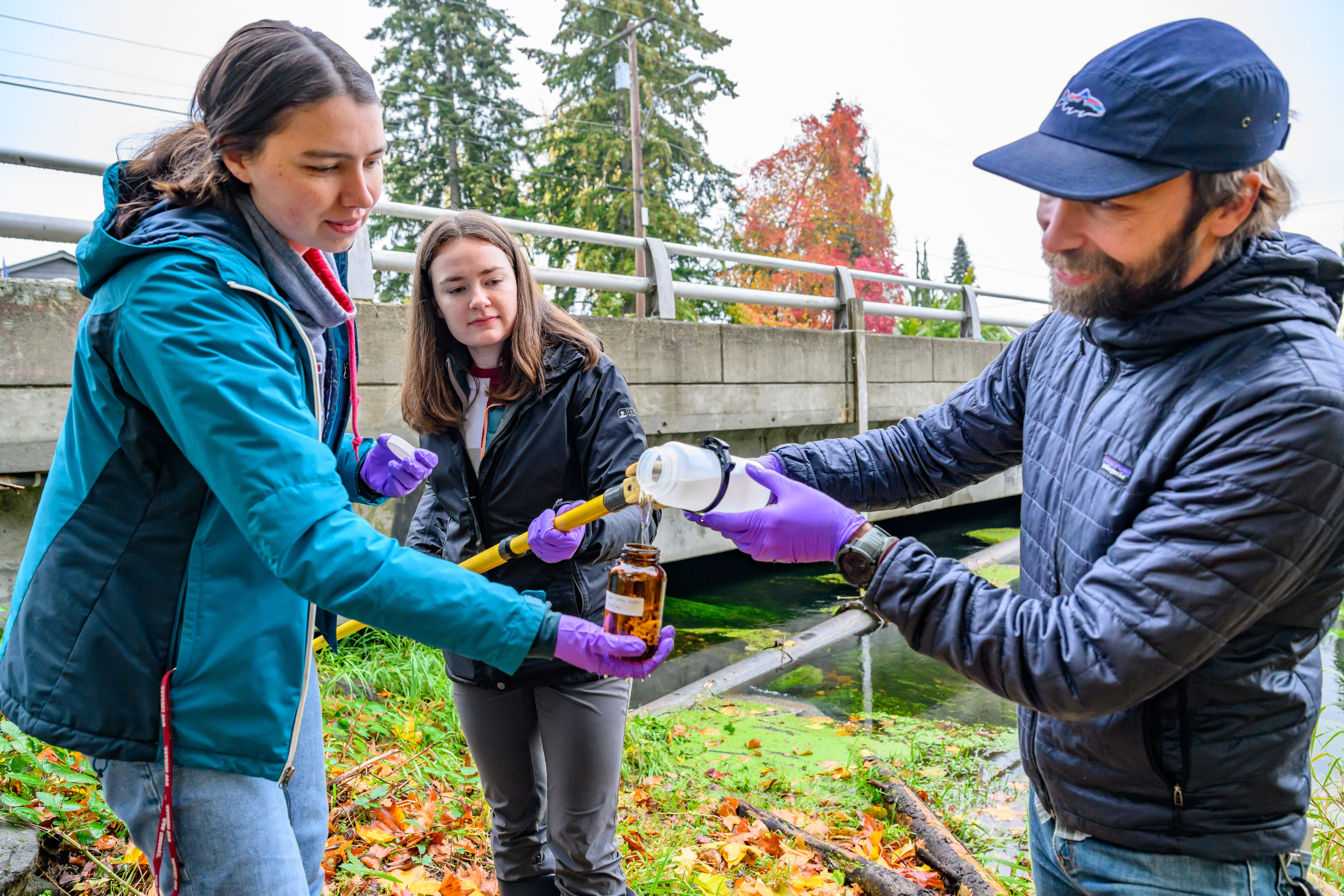
A team that included scientists from Washington State University finally learned what was killing salmon in urban streams in the Northwest: a chemical used in tires that’s washed into streams by rain. The 2020 discovery got widespread attention, and tire manufacturers and federal and state regulators were spurred to action.
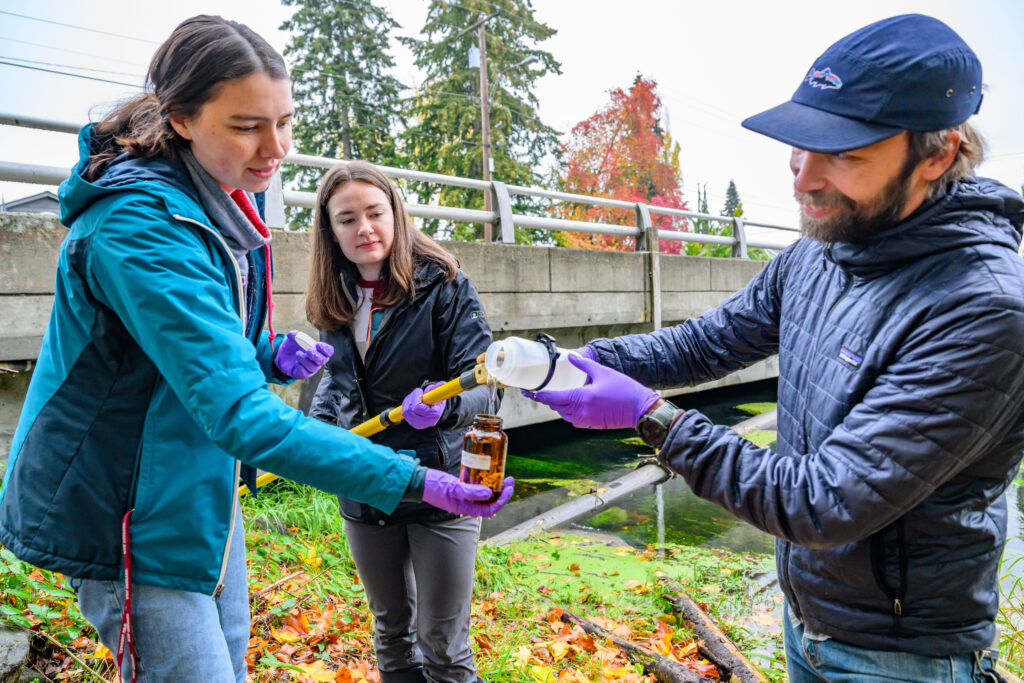
A lesser-known fact is that WSU students were among the scientists responsible for the breakthrough. Throughout the university, undergraduate and graduate students have expansive opportunities to take part in basic and applied research.
At the WSU Puyallup Research and Extension Center, where the salmon study was conducted, students are critical to the lab’s work, said Jenifer McIntyre, an associate professor in the School of the Environment who led that work.
Without student researchers, “we would be able to do a mere fraction of our work,” McIntyre said. The salmon studies in particular offer students the chance to do applied research that responds to community needs.
That’s what drew Caitlin Lawrence.
“I came here because of Jen’s program,” said Lawrence, a master’s degree student whose focus is aquatic toxicology. “I wanted to do research that could be applied to things happening in real time, and one of the only programs I found was Dr. McIntyre’s at WSU.”
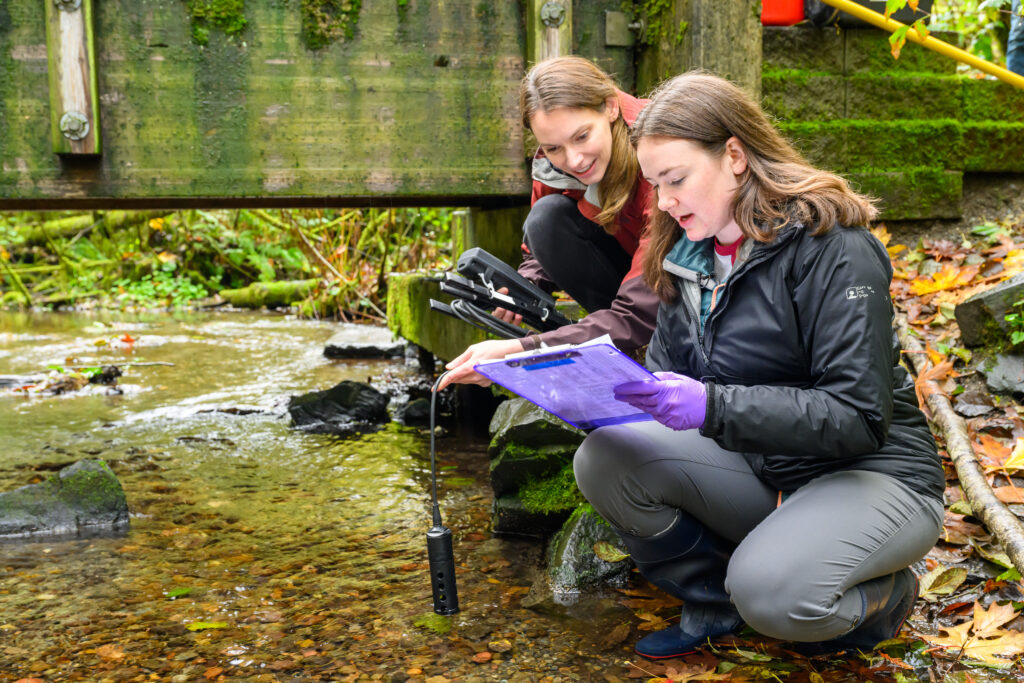
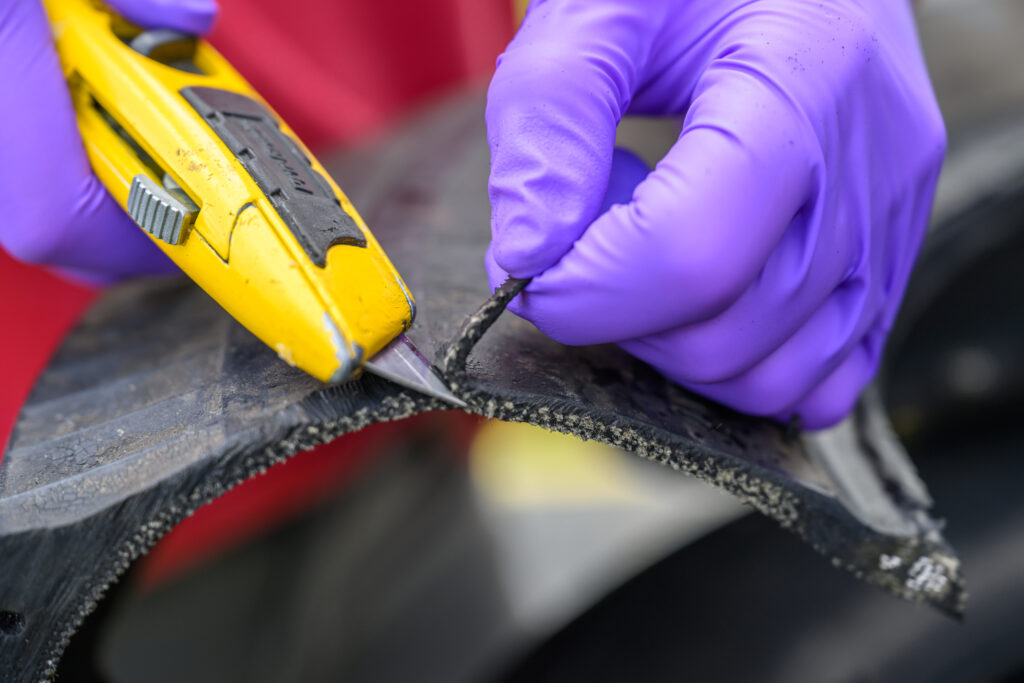
Lawrence is part of a team testing alternatives to the tire chemical that’s so toxic to salmon. In that role she’s working alongside representatives from the Washington Department of Ecology and U.S. tire manufacturers.
She’s also been able to present research findings at conferences and represent the lab at other events. “We go to meetings where Bridgestone and Goodyear are there and I think, ‘I’m really doing this,’” Lawrence said. Her experiences at WSU helped her land a competitive science policy fellowship in Washington, D.C., after she graduates.
Students and postdoctoral researchers are doing ongoing work at the Puyallup lab and in field studies, including preventing tire chemicals from entering waterways and exploring potential human health effects.
Melissa Driessnack, a postdoctoral research associate, said student researchers at the lab do exceptional work. Their experiences “prepare them to be active partners in the environment.”
McIntyre said the program recently received what she considered a high compliment from a professional in the field, namely that WSU students who’ve worked at the lab are just as good at interacting with regulators and community members as they are with scientists. The result, that person told McIntyre: “WSU students have a wonderful balance of scientific knowledge and practical knowledge that makes them highly employable.”
WSU students have a wonderful balance of scientific knowledge and practical knowledge that makes them highly employable.

Tell Your Story
Rehab isn’t just for humans
Mass timber on the rise
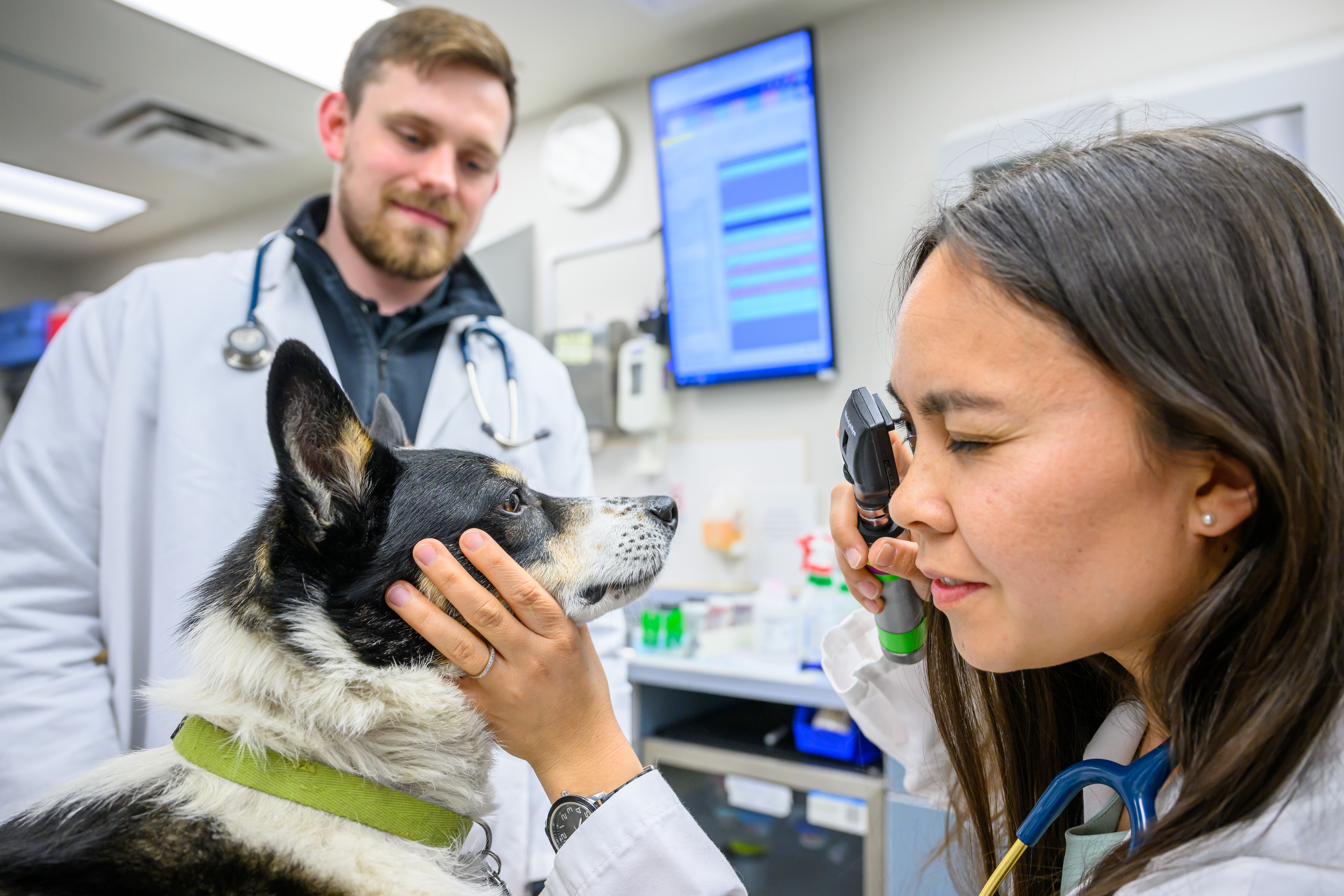
At WSU, the animal doctors are in
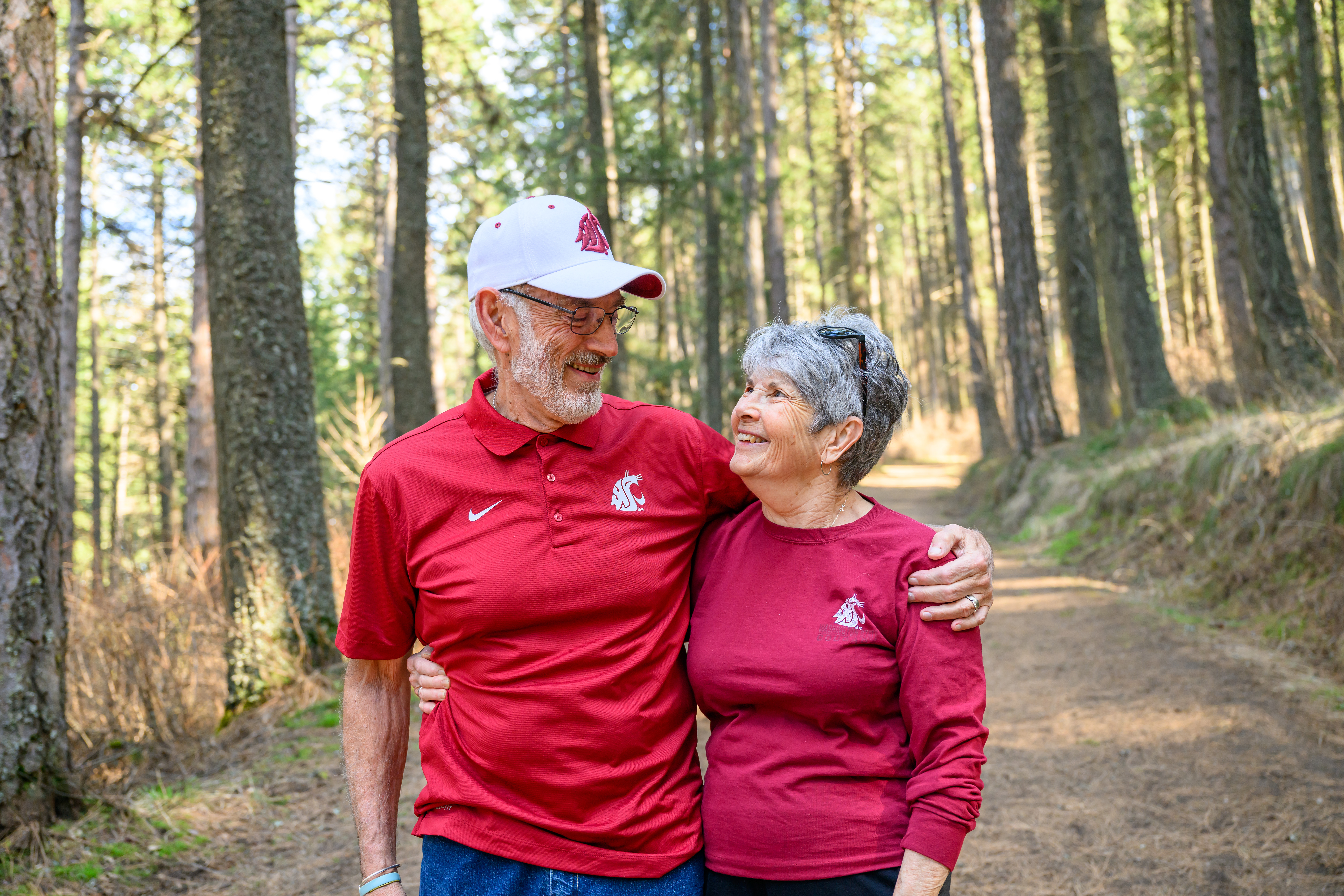
Growing older, living better
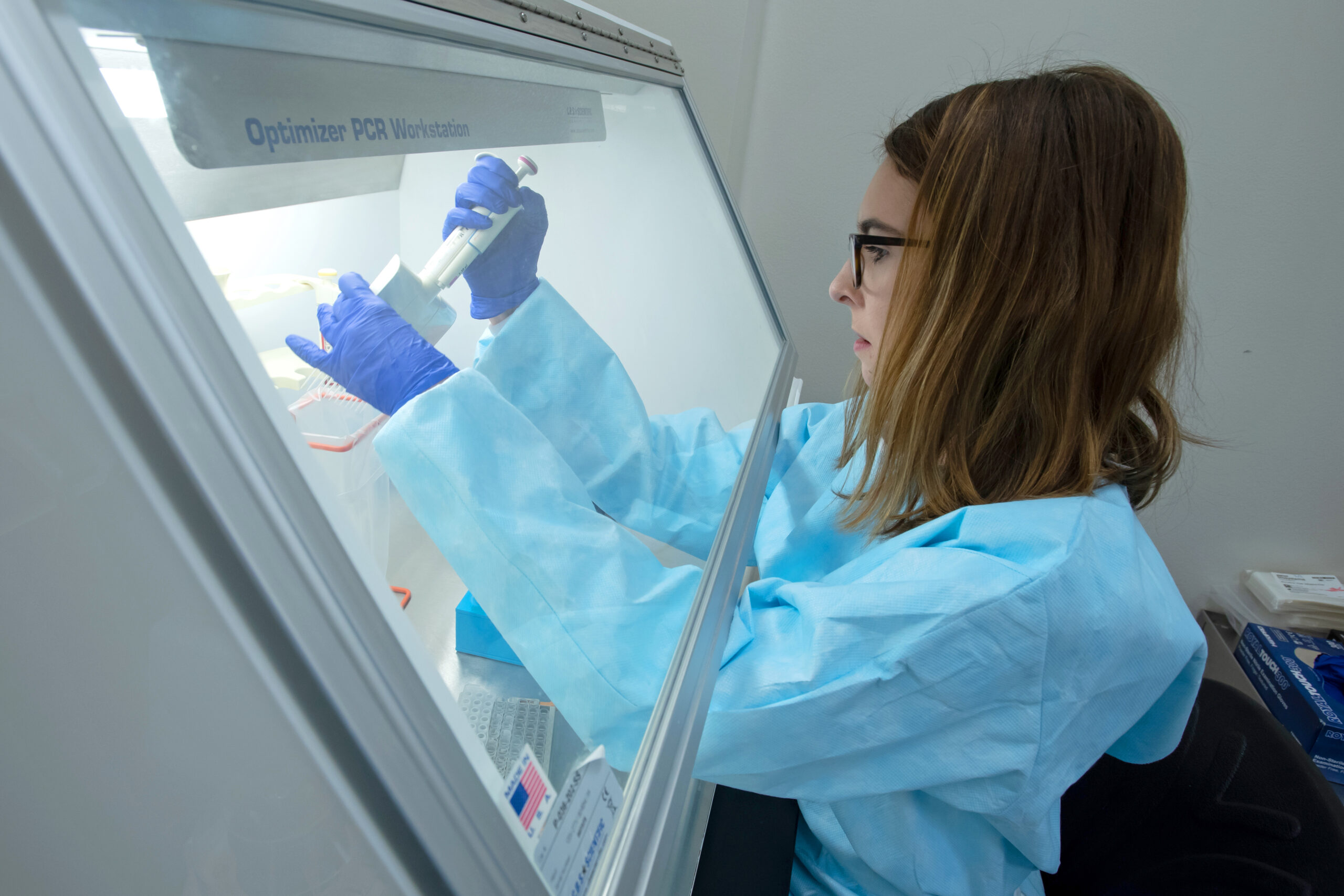
WSU builds on the lessons from Covid

“We worry so you don’t have to”
Robotic gripper could offer a helping hand in the apple orchard
Health for the whole person
Students help solve salmon puzzle

Murrow News Fellowship puts more local reporters on the beat
Partners in the field
WSU grizzlies put coolers to the test
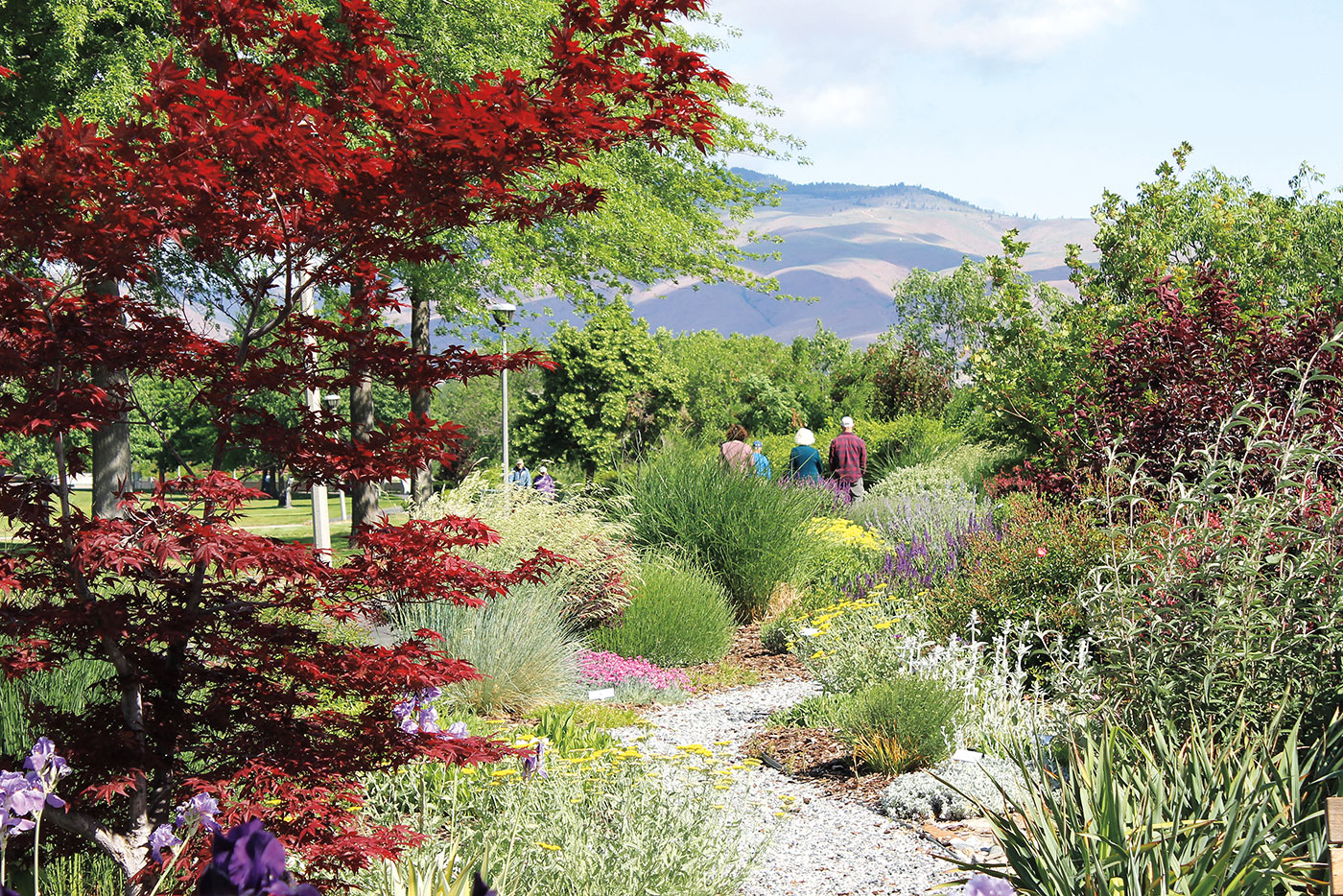
Master Gardeners know all the dirt
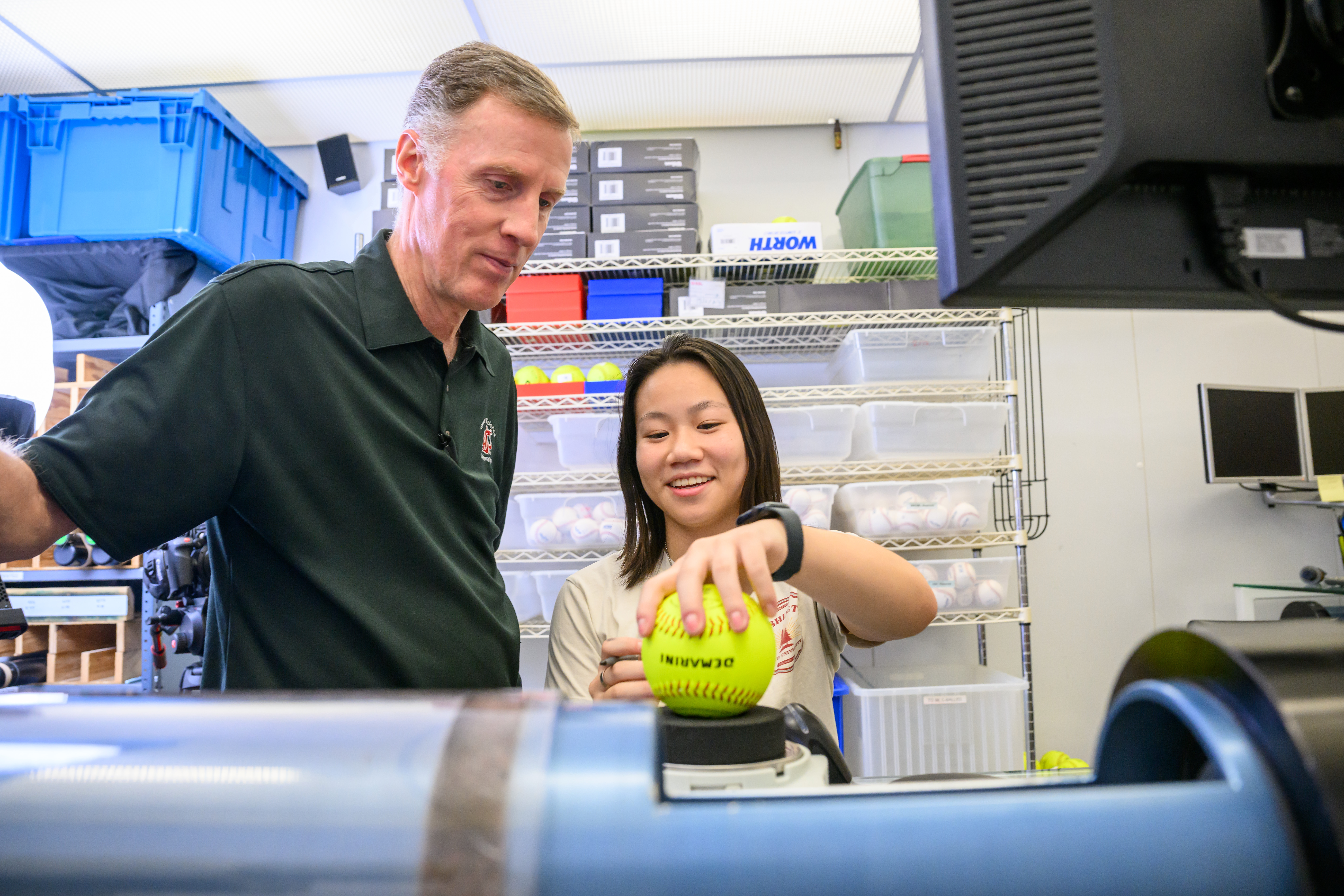
“Bat Lab” targets the science of the ballpark
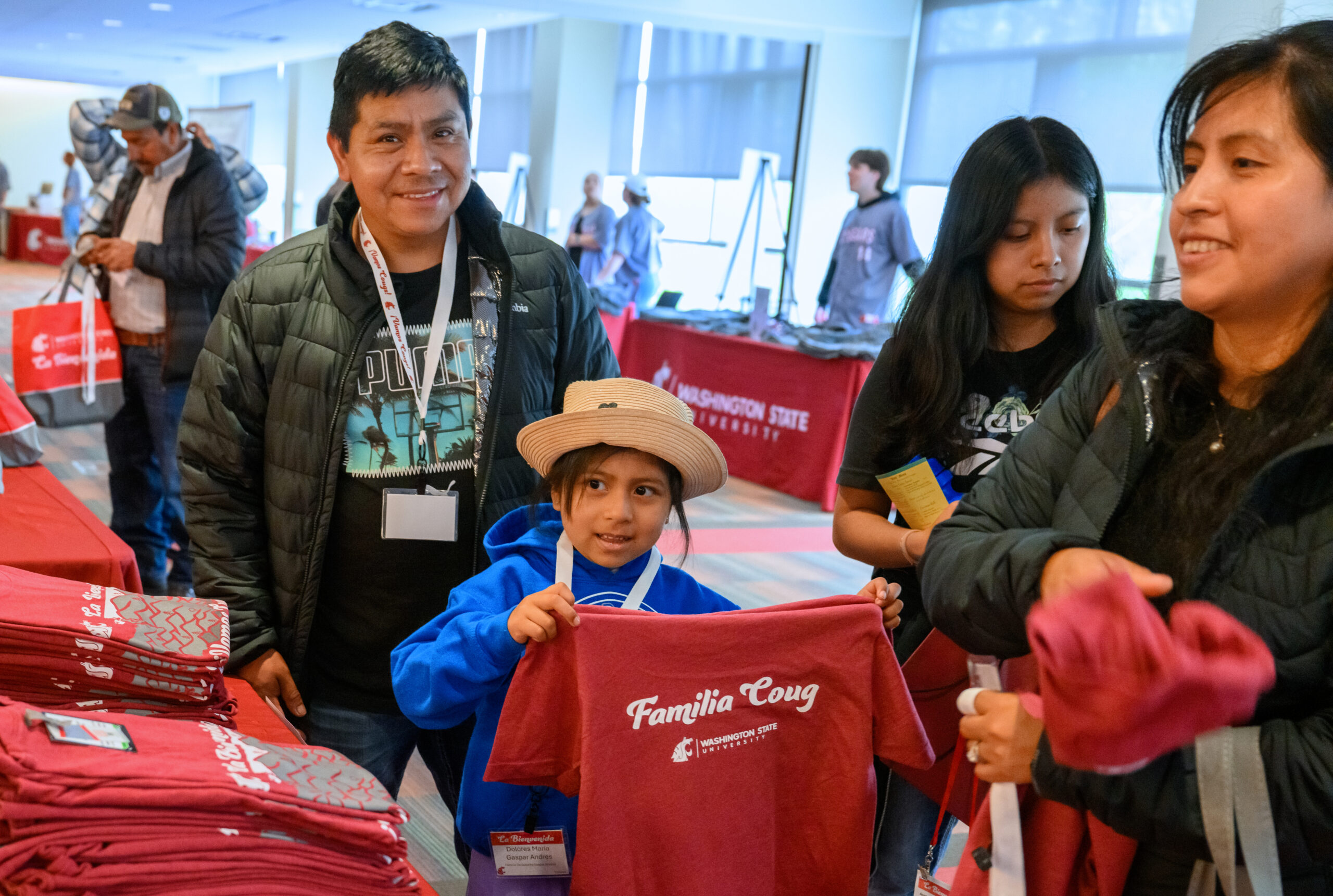
High expectations, high support for first gen
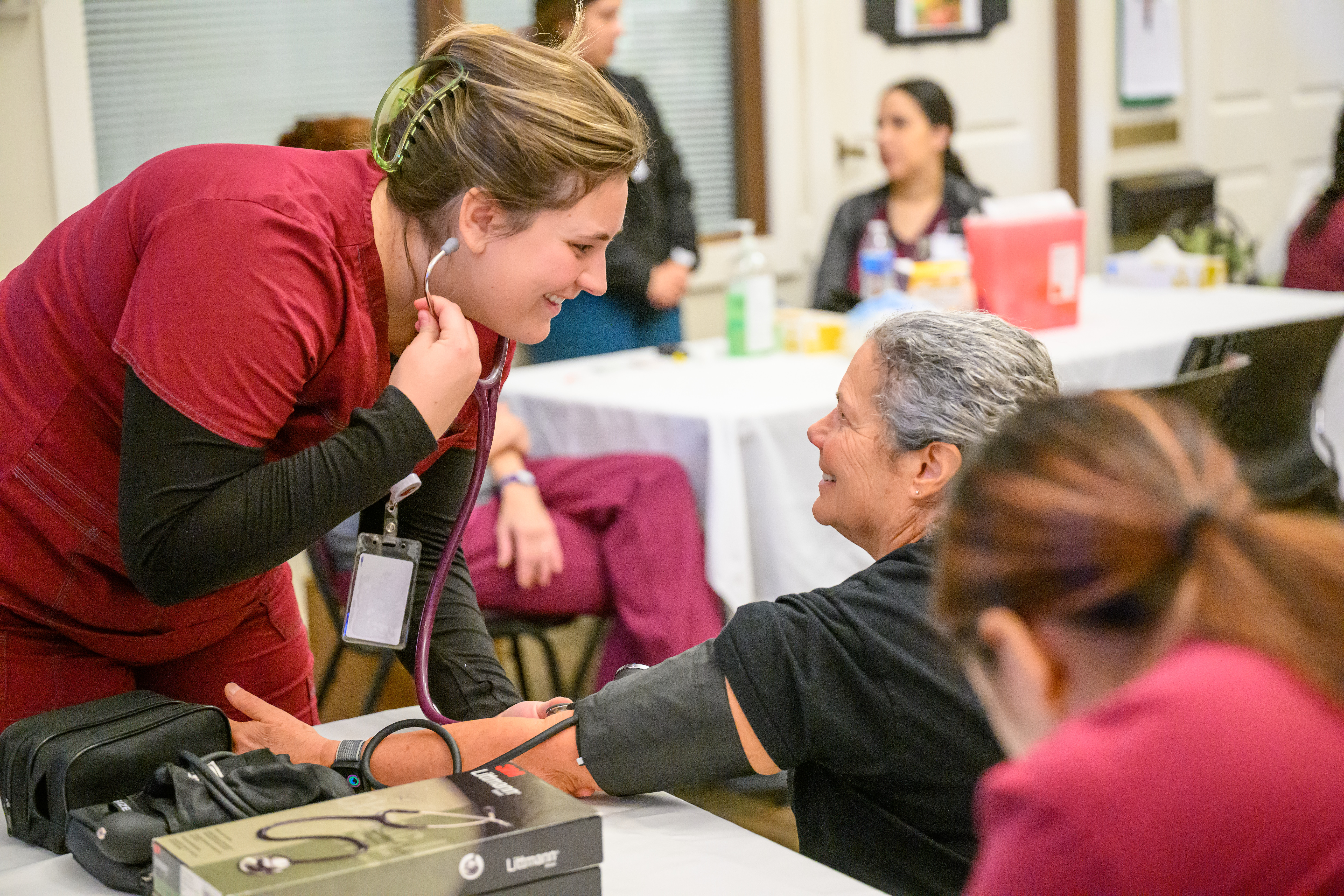
Community care is the curriculum