HERE WE GO

Health for the whole person
At Washington State University, doctors, nurses, pharmacists and other health care providers learn to focus on a patient’s whole life.
Because good health depends on more than just good health care. It also depends on where and how someone lives, their social connections and education, the kind of work they do. Such non-medical circumstances can lower life expectancy and wellness.
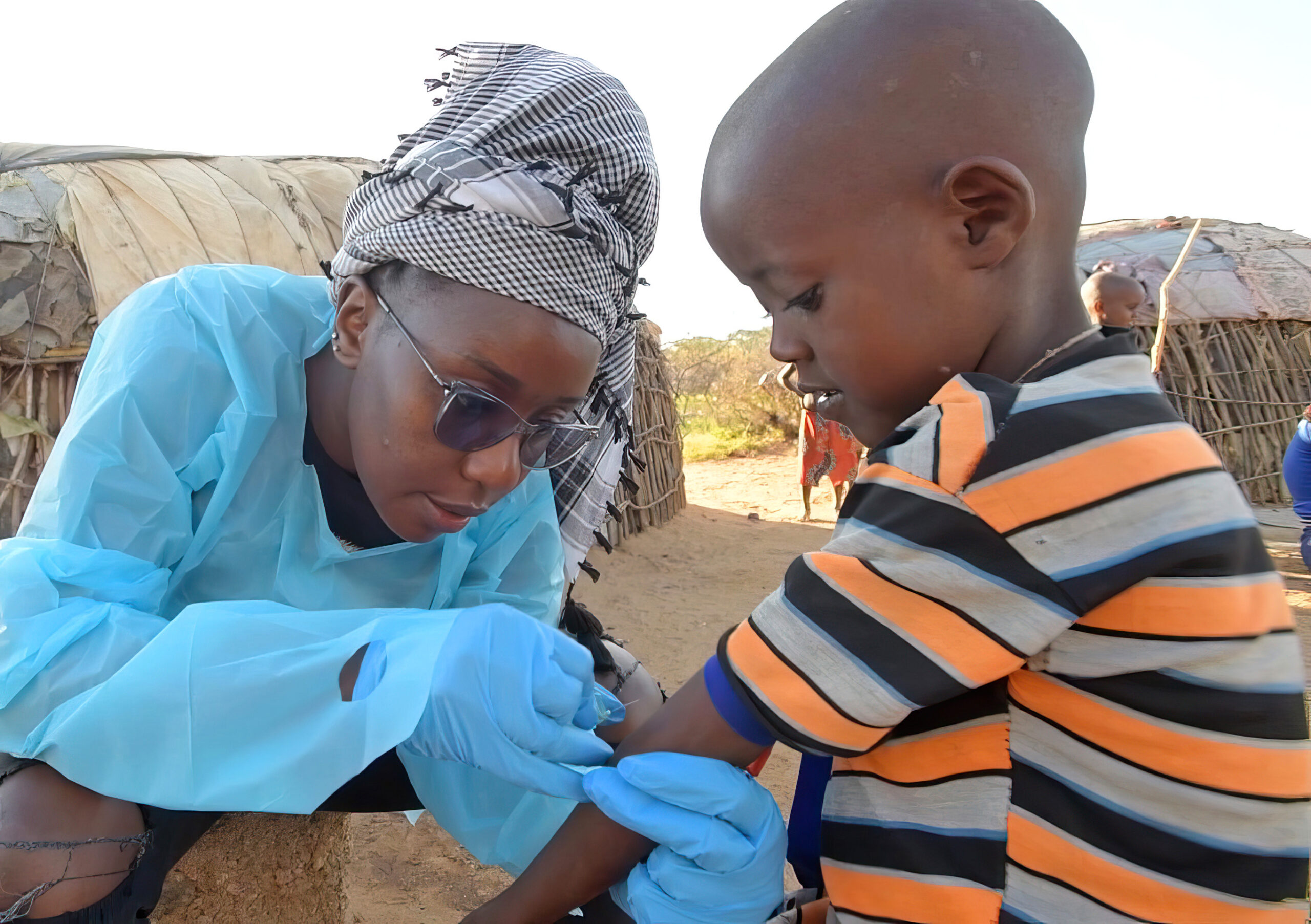
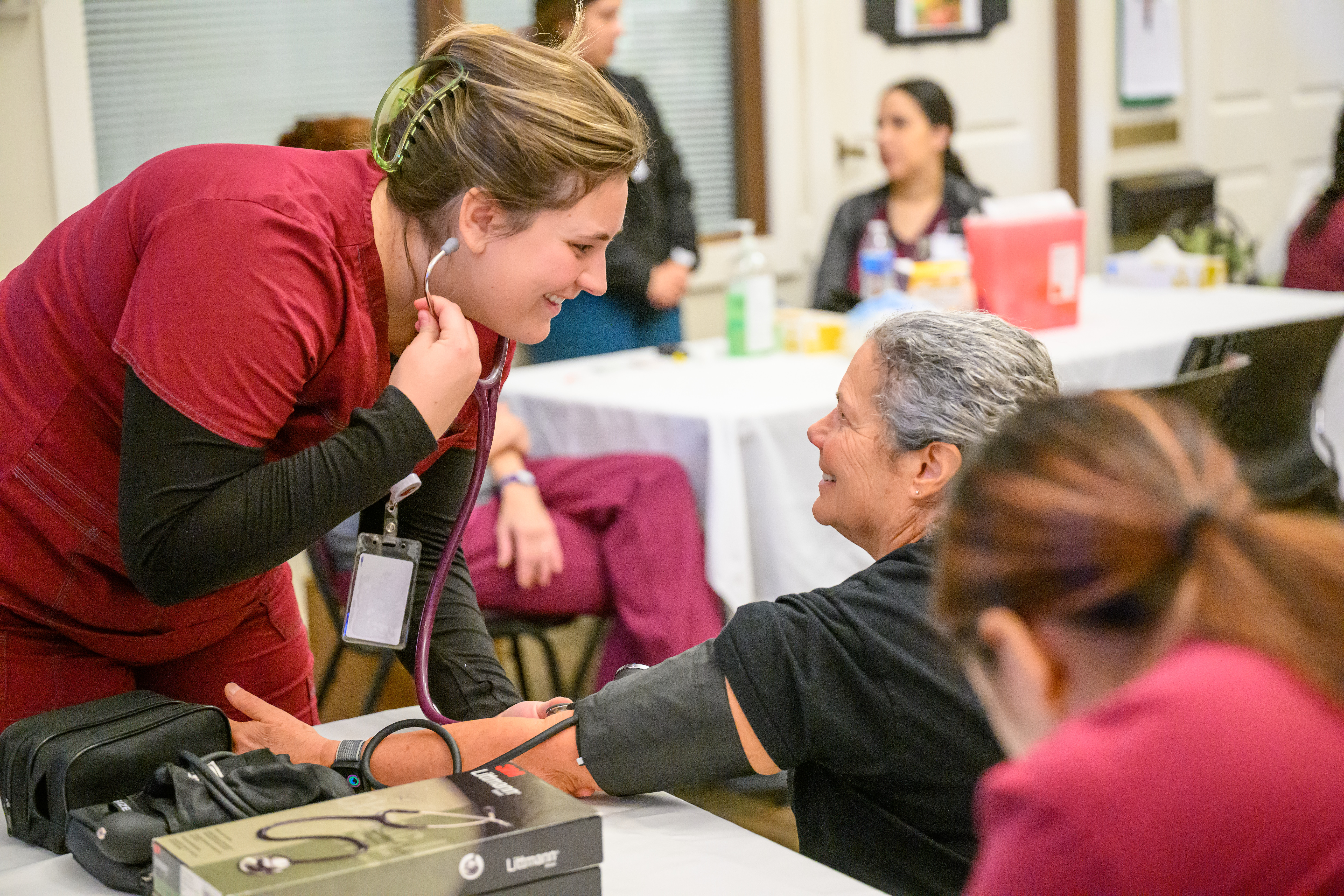
That’s why the concept of health equity – that some people don’t have the same opportunity for good health because of their circumstances – is woven throughout the curriculums at the Elson S. Floyd College of Medicine, the College of Nursing, and the College of Pharmacy and Pharmaceutical Sciences. Students also gain real-world experience by volunteering in vaccination and health care clinics, often in places where people don’t have reliable access to care.
“At the end of the day we’re training future health care providers to be able to care for and serve any person who walks through their door,” said David Garcia, associate dean for community, health equity, and belonging at the College of Medicine. “Whether they’re working in Connell or Seattle, Vashon Island or Okanogan, those providers will understand how to connect with and care for people.”
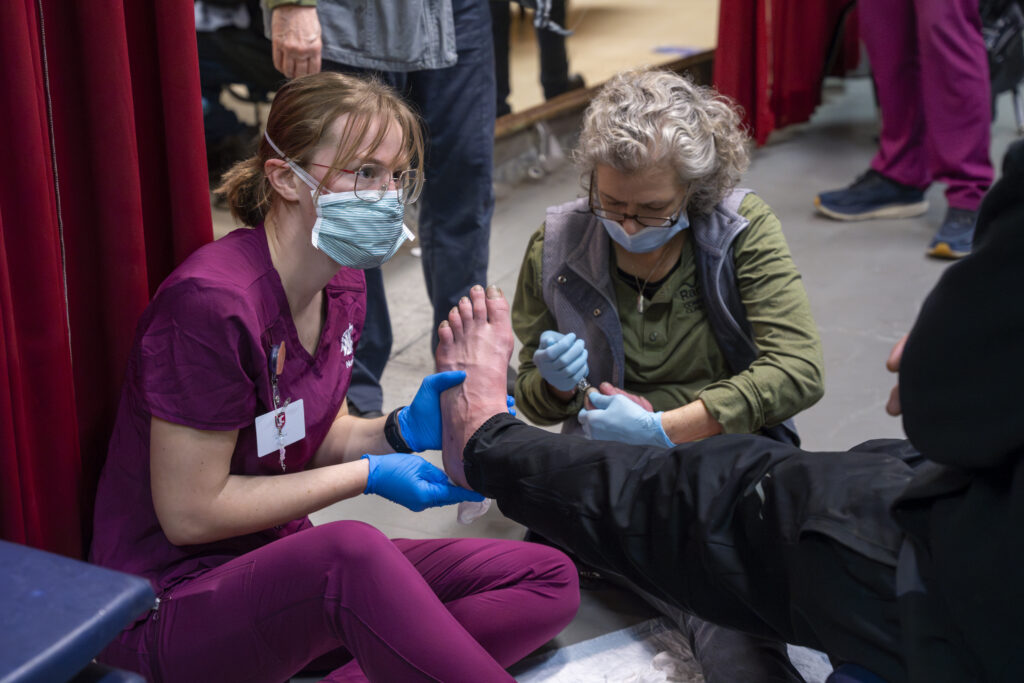
For instance, WSU students and faculty offer vaccination clinics in rural schools because it can be hard for people to make the trip into town to get that preventative care. They provide services in nursing homes and community centers. The community health outreach arm of the College of Medicine offers a foot-care clinic for people experiencing homelessness.
Such outreach “helps people stay healthier,” explained Kay Olson, a registered nurse and provider with the College of Medicine community clinic efforts. “I can’t tell you how many times we run into people who have insurance but still don’t have good access to care, often because of transportation. When we go to them, it takes away a barrier.”
The College of Nursing has for years teamed up with students and faculty from the College of Veterinary Medicine to serve low-income and homeless people and their pets in the same location. Hundreds of people and even more dogs and cats have received routine vaccinations and simple health care treatments through this innovative model.
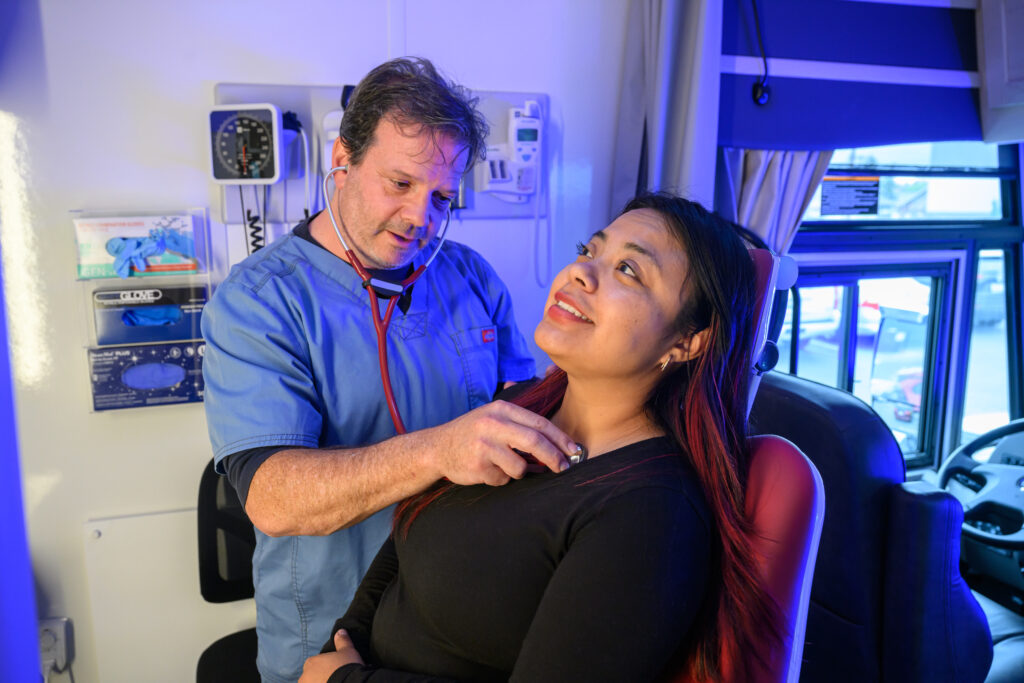
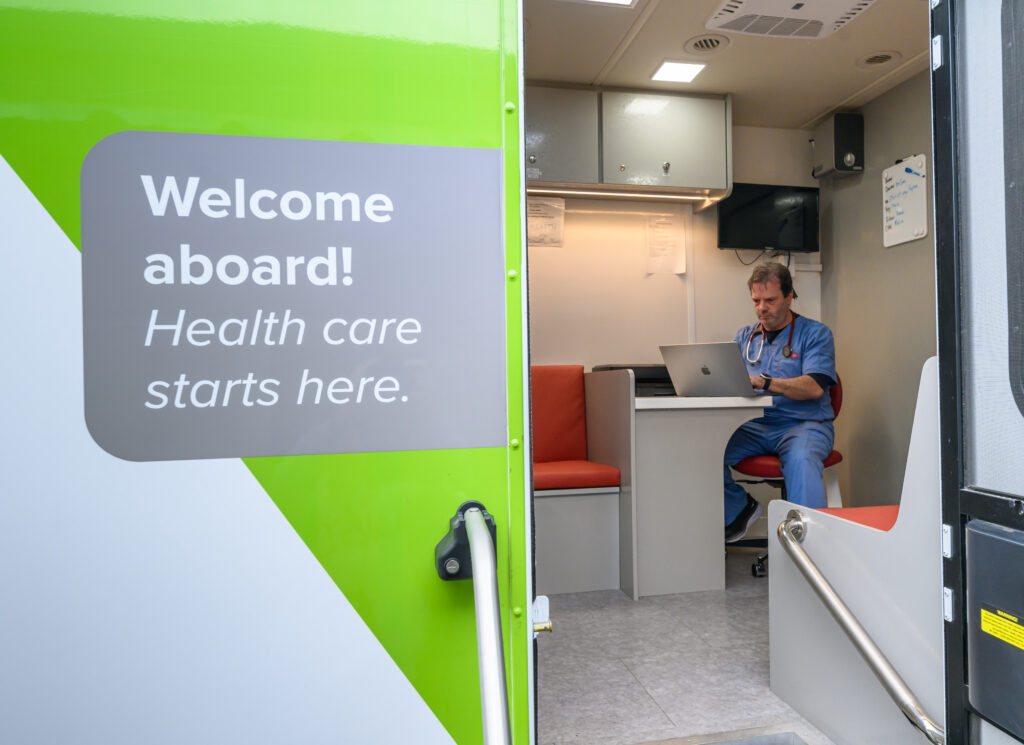
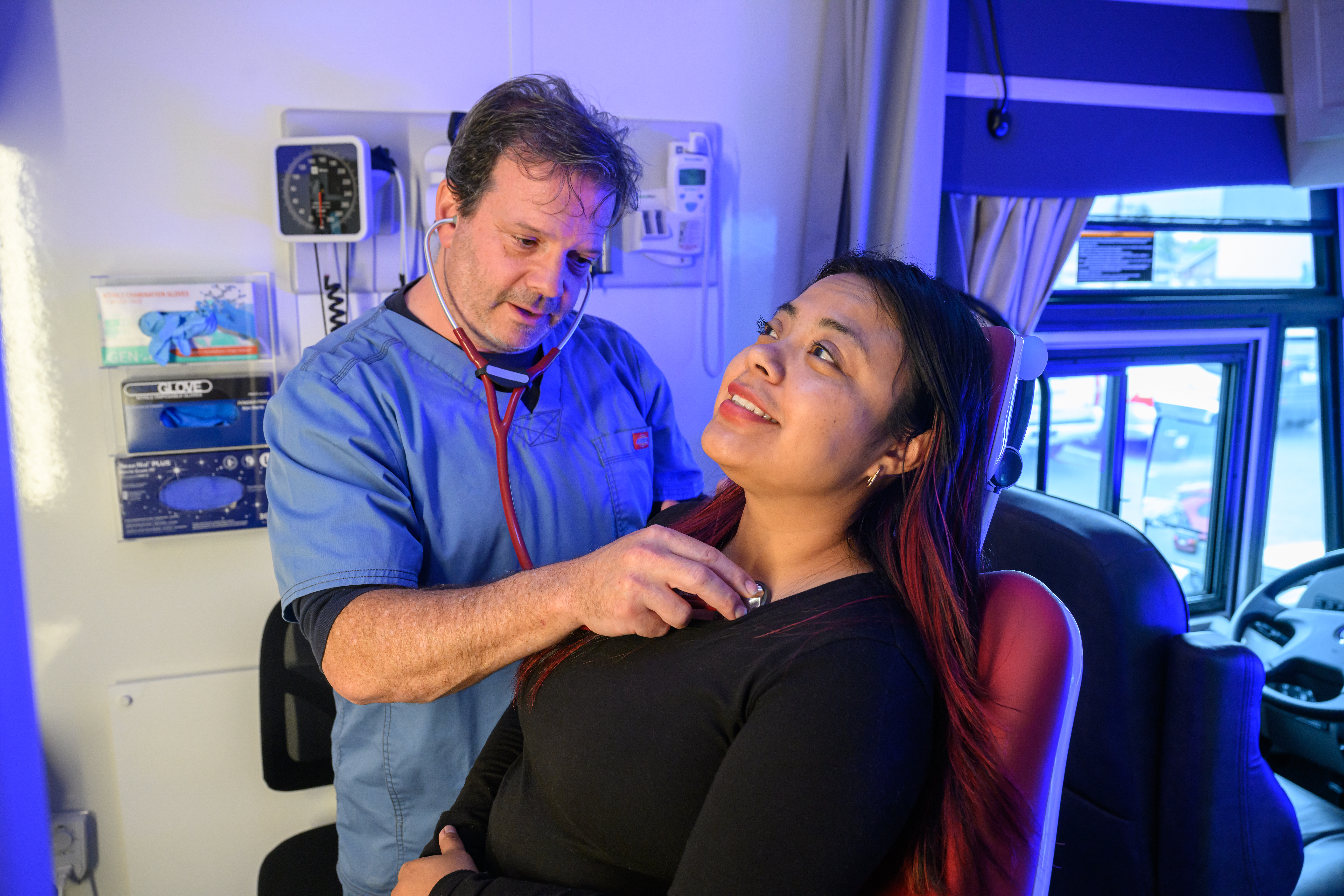
The College of Medicine has a mobile medical vehicle that can set up at a food bank, for example, providing primary care to people who come to get their weekly supplies.
“This is some of the best training students can get,” said Samuel Schneider, a professor in the College of Medicine and medical director of the college’s community clinic. “Medicine now is so high tech, but when you’re working in the mobile clinic you have to make do with very little technology. You diagnose and treat with your brain and by communicating with the patient.”
WSU’s goal is to create a network of health care for Washingtonians.
Samuel Schneider
The College of Pharmacy and Pharmaceutical Sciences now has a specialized track to train pharmacists to practice in rural areas, where they often are the only health care providers around.
All of these programs extend high-quality health care to places where it might not have reached in the past, Schneider said, adding, “WSU’s goal is to create a network of health care for Washingtonians.”

Tell Your Story
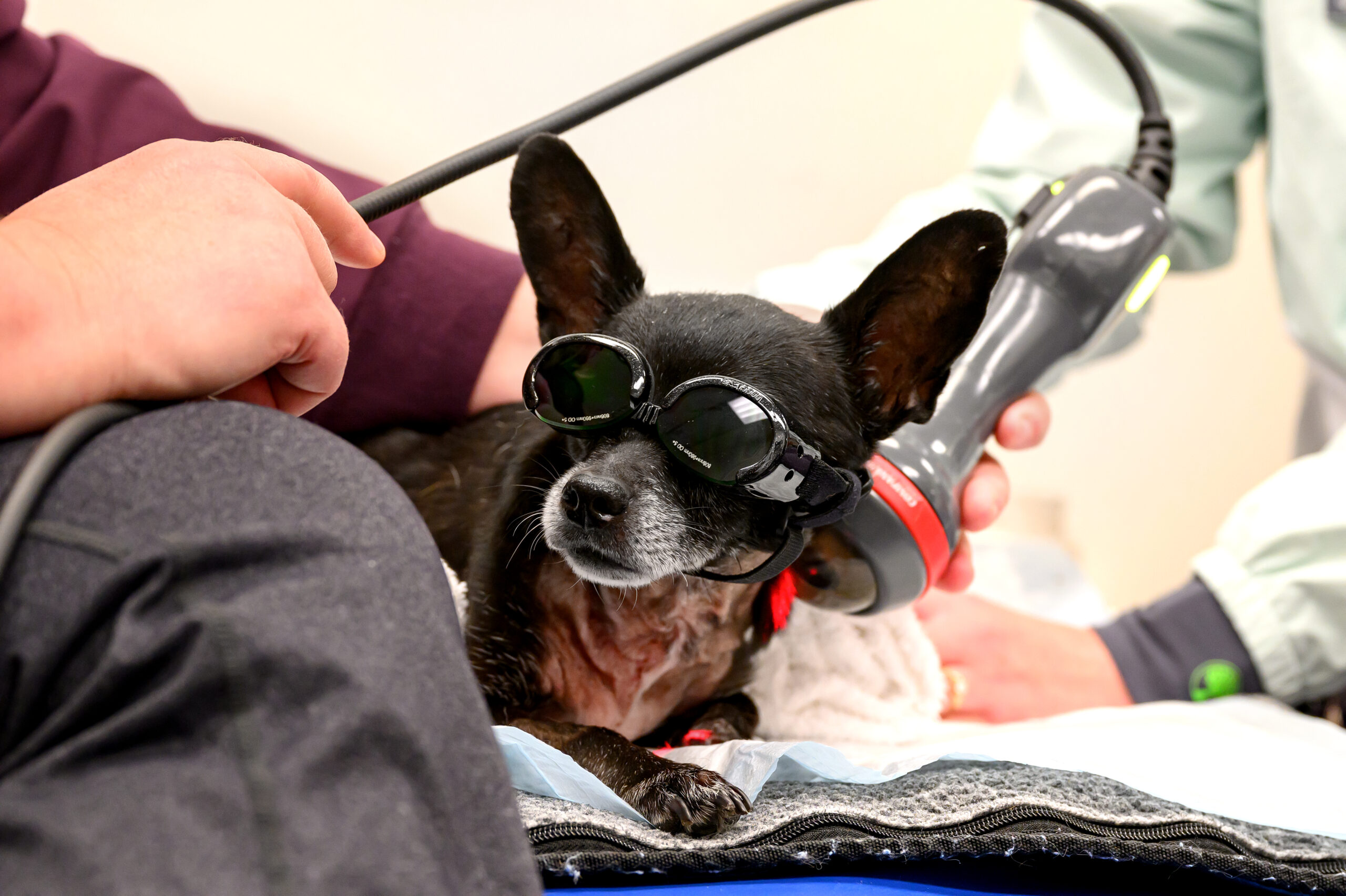
Rehab isn’t just for humans
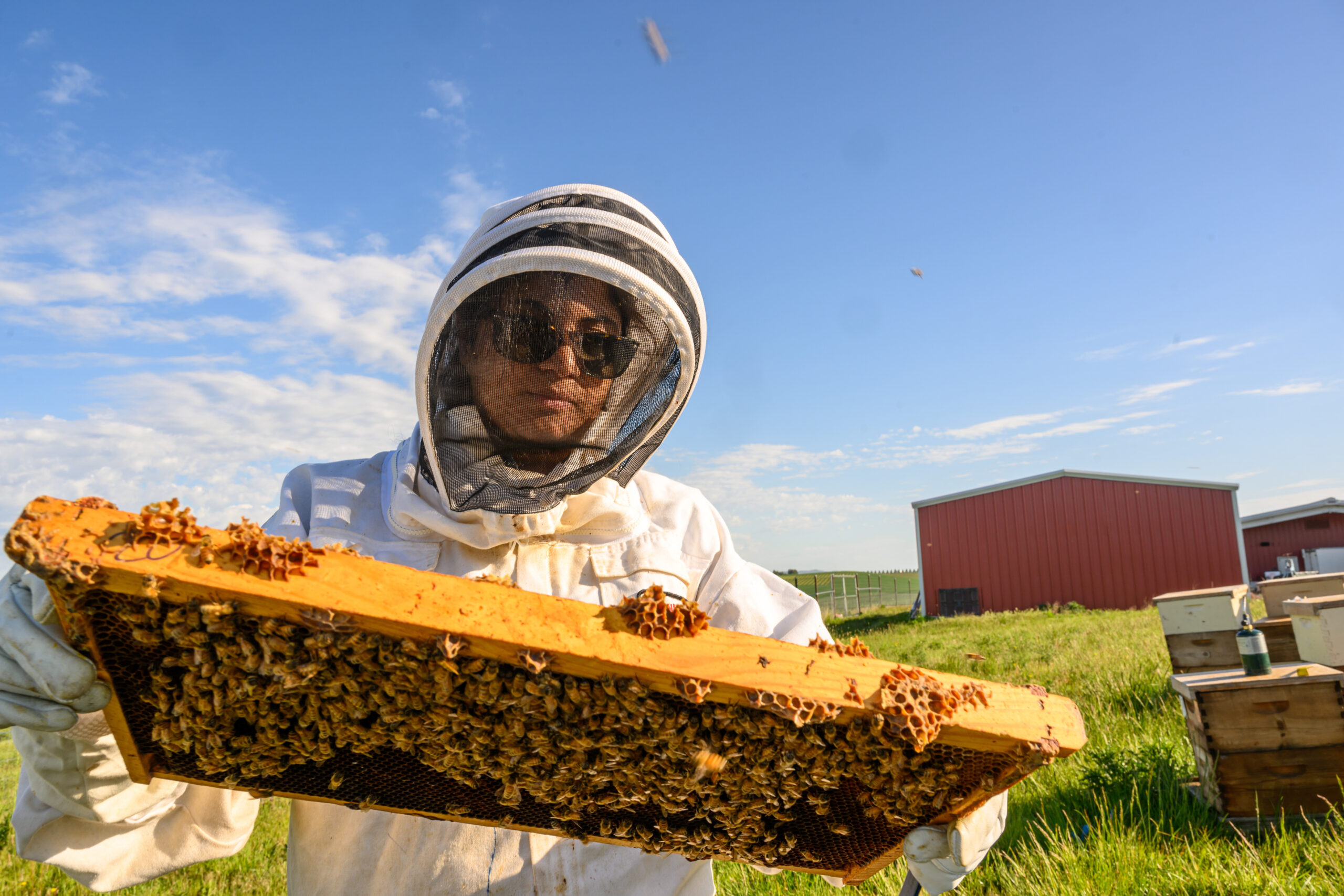
Mass timber on the rise
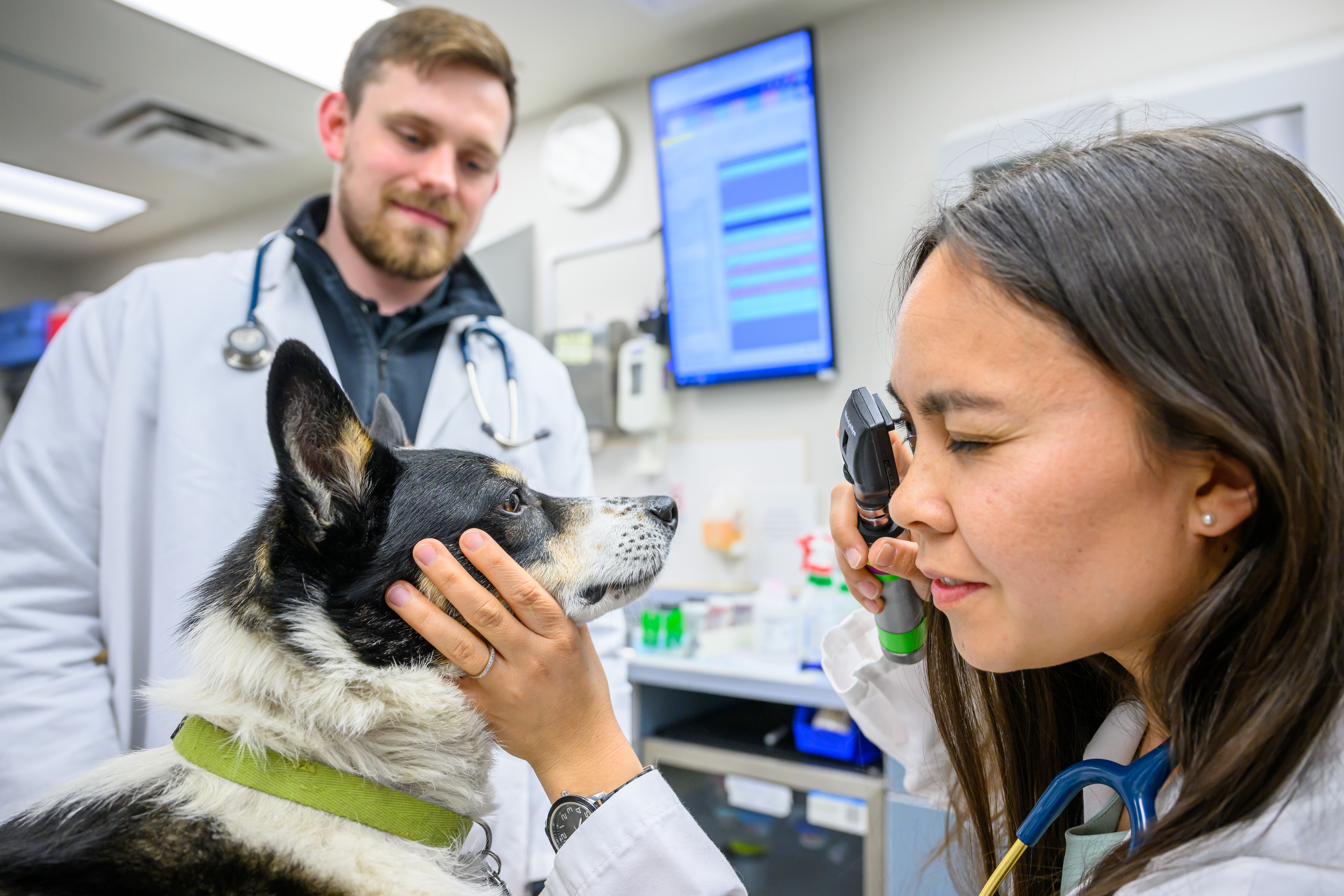
At WSU, the animal doctors are in
Growing older, living better
WSU builds on the lessons from Covid

“We worry so you don’t have to”
Robotic gripper could offer a helping hand in the apple orchard
Health for the whole person
Students help solve salmon puzzle

Murrow News Fellowship puts more local reporters on the beat
Partners in the field

WSU grizzlies put coolers to the test

Master Gardeners know all the dirt
“Bat Lab” targets the science of the ballpark
High expectations, high support for first gen
Community care is the curriculum