At WSU, the animal doctors are in

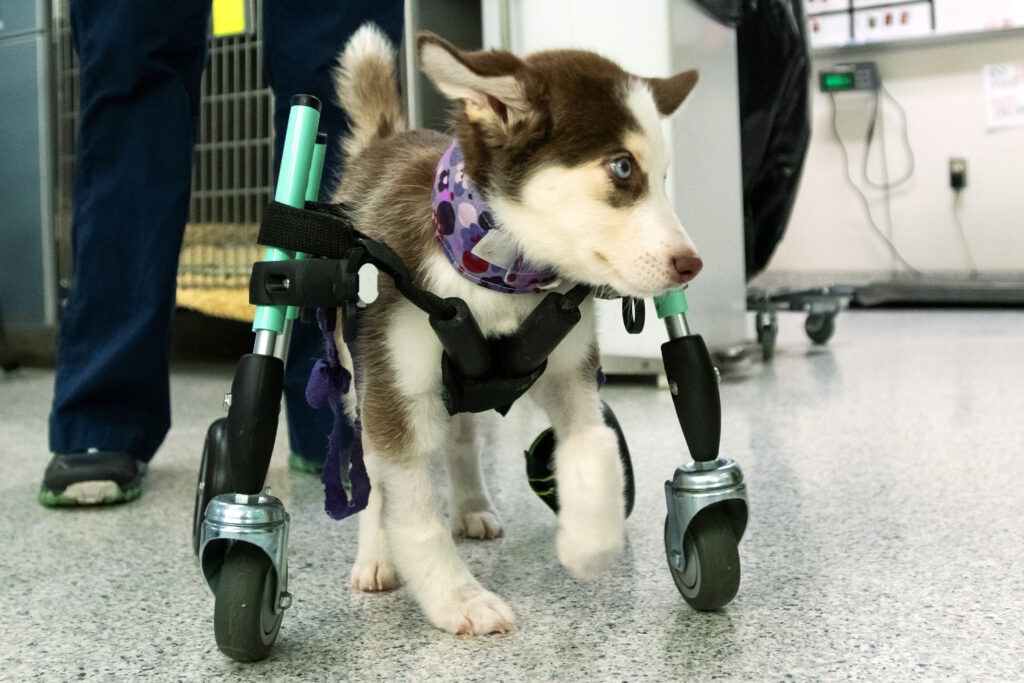
A puppy injured in a house fire, a horse born with a rare facial deformity, a celebrity hawk with an injured foot – they’ve all been patients at Washington State University’s Veterinary Teaching Hospital.

Some 20,000 animals, even reptiles and raptors, come to the hospital in Pullman, Washington, each year, mostly from the Pacific Northwest, though the hospital draws patients from nearly every state.

They come for routine care of beloved pets, but also for WSU’s wide range of specialty services, said Raelynn Farnsworth, a veterinarian and the hospital’s chief medical officer. Those include oncology, cardiology, neurology, orthopedics, ophthalmology, and pathology. Surgeons perform rare procedures using state-of-the-art equipment.
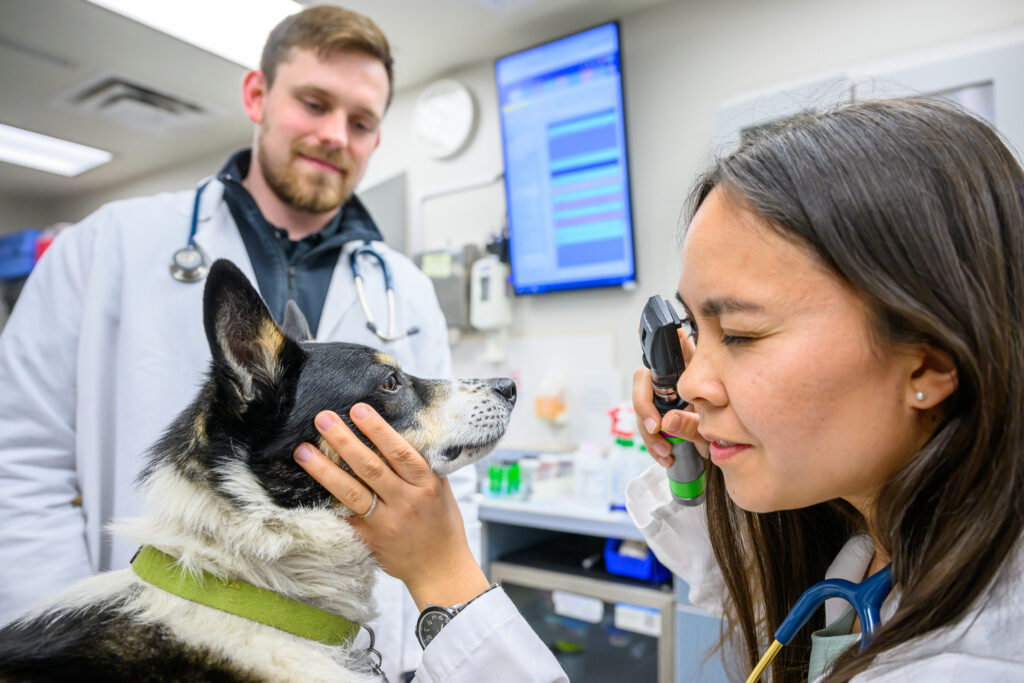
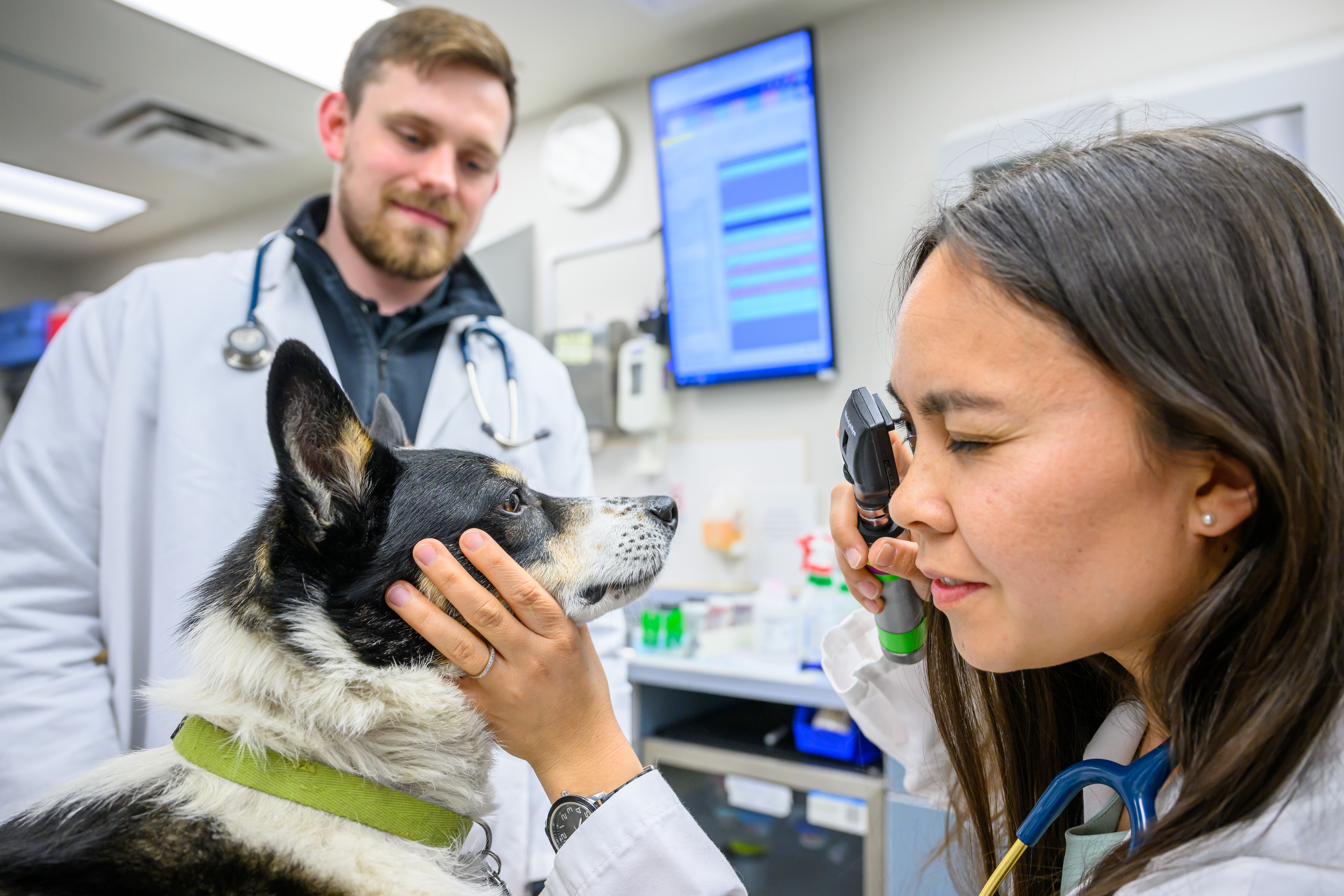
A black-and-white dog calmly having its eyes checked by a veterinarian while another looks on.
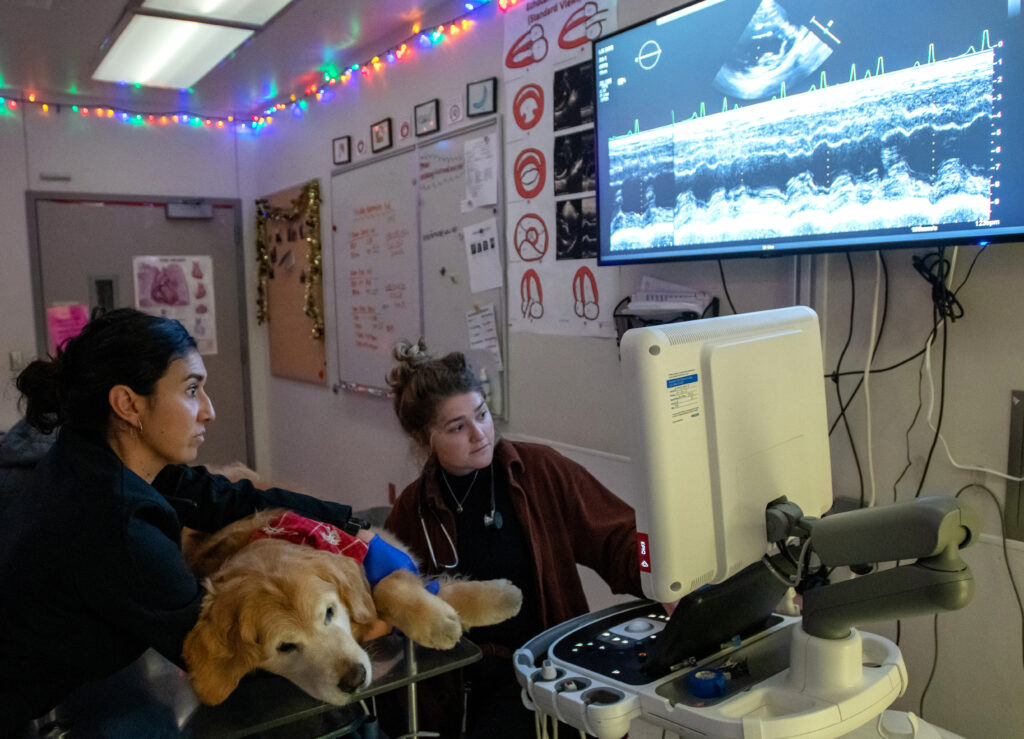
A veterinarian performing an ultrasound on a dog laying on an exam bed, the vet and another person watch the ultrasound image.

There’s a blood bank, the first of its kind in the nation when it opened in 1989, which now saves 100 patient lives each year. There’s also a sports medicine program for dogs who compete in agility trials, and reproductive medicine and surgery.

Some animals are brought in by good Samaritans after being injured, and they’re treated, too, thanks to a donor fund.

“We obviously have a passion,” Farnsworth said. “And because we’re a teaching hospital with a lot of research going on, we’re trying new things to move the veterinary profession forward.”
So, for instance, Calvin the Doberman’s cancer was treated by removing his shoulder blade instead of his leg, leaving him able to walk. Carter, a tiny Maltese puppy, and Wolfie, an adult shepherd-lab mix, both overcame life-threatening conditions through minimally invasive surgeries using technology that’s only available at a handful of veterinary hospitals nationwide.

Oro Negro, a Friesian stallion, lived to dance another day in charro competitions after undergoing two surgeries at WSU. And Hypatia, a calf that’s among a small number of Heritage Milking Shorthorns remaining worldwide, received round-the-clock care for a shattered leg.

As for the celebrity hawk? That’s Taima, who leads the Seattle Seahawks football team onto the field for every home game. Marcie Logsdon, a wild and exotic animal veterinarian at the WSU Veterinary Teaching Hospital, removed a jellybean-sized mass from the hawk’s foot in 2023, clearing him for takeoff.
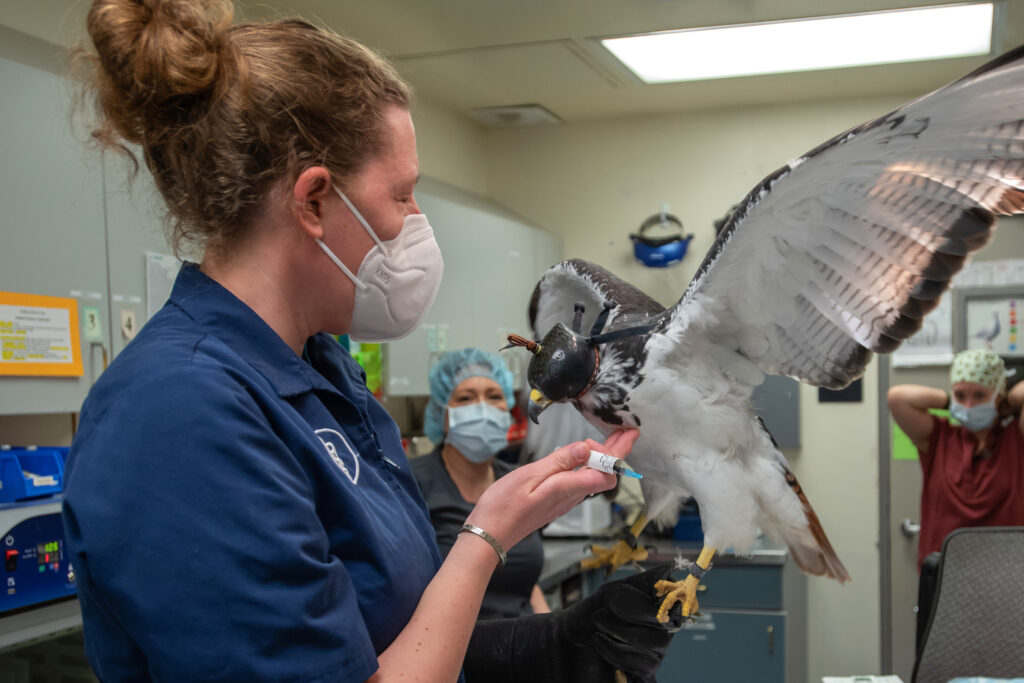
A veterinarian in a face mask holds Taima, an augur hawk with outstretched wings, as a vet technician assists.

They’re part of people’s families now, versus just a pet.

Raelynn Farnsworth

The hospital doesn’t neglect its patients’ human companions. The WSU Veterinary Teaching Hospital is one of the few in the nation to have a veterinary chaplain, who offers support to stressed and grieving owners and hospital workers.

The position is part of a wider reckoning of the role of animals in people’s lives. Said Farnsworth, “They’re part of people’s families now, versus just a pet.”
Tell Your Story
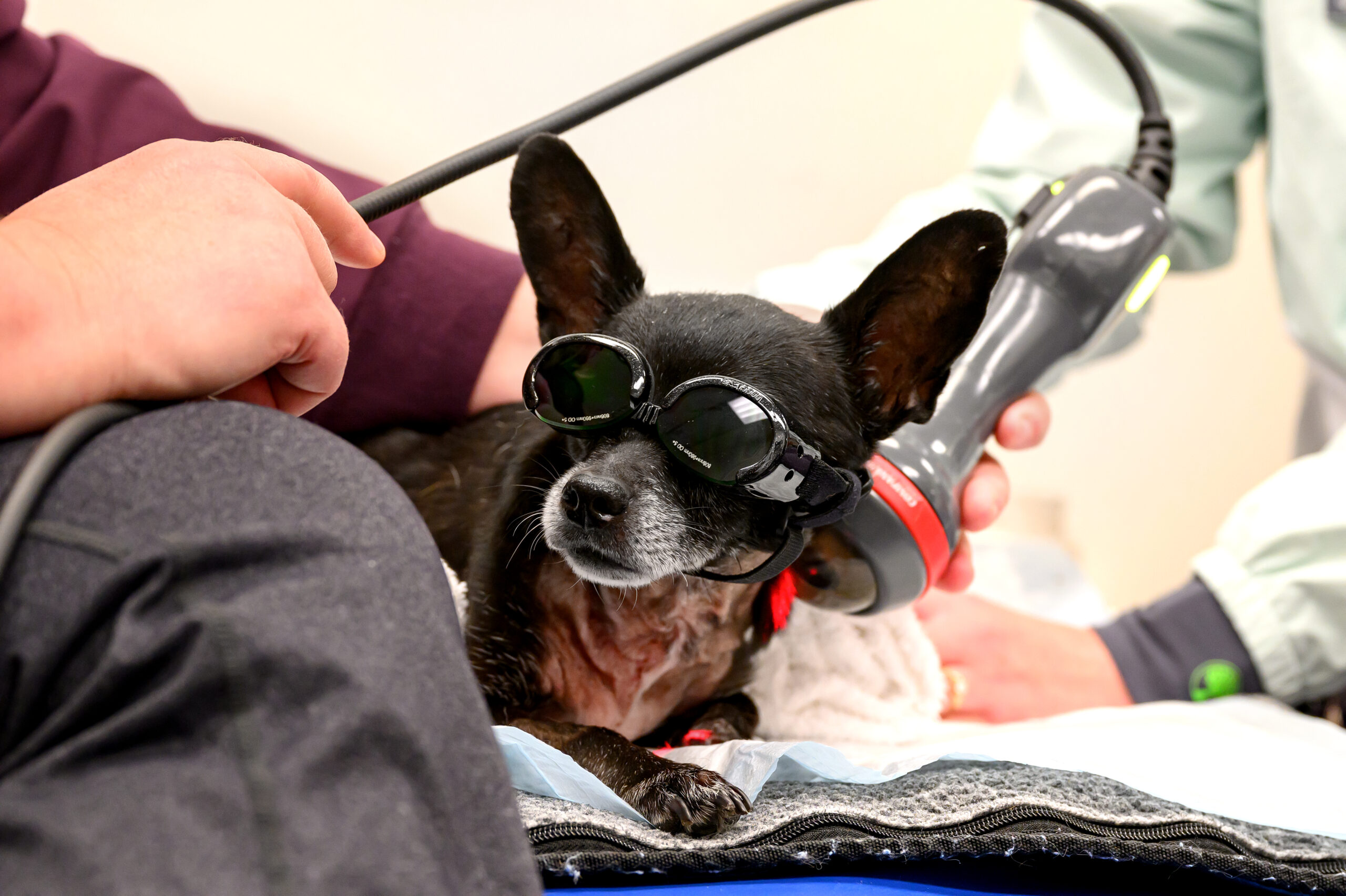
Small black dog with large upright ears wearing protective tinted goggles while a vet passes a wand instrument over her.

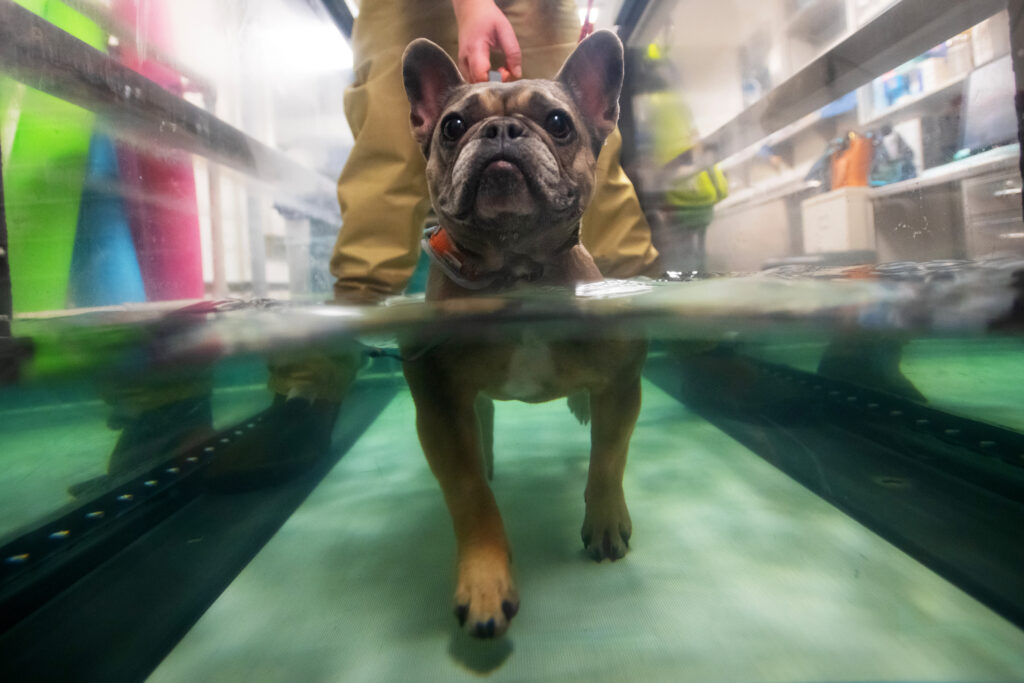
Rehab isn’t just for humans

WSU Veterinary Teaching Hospital offers continuum of care for animal patients.
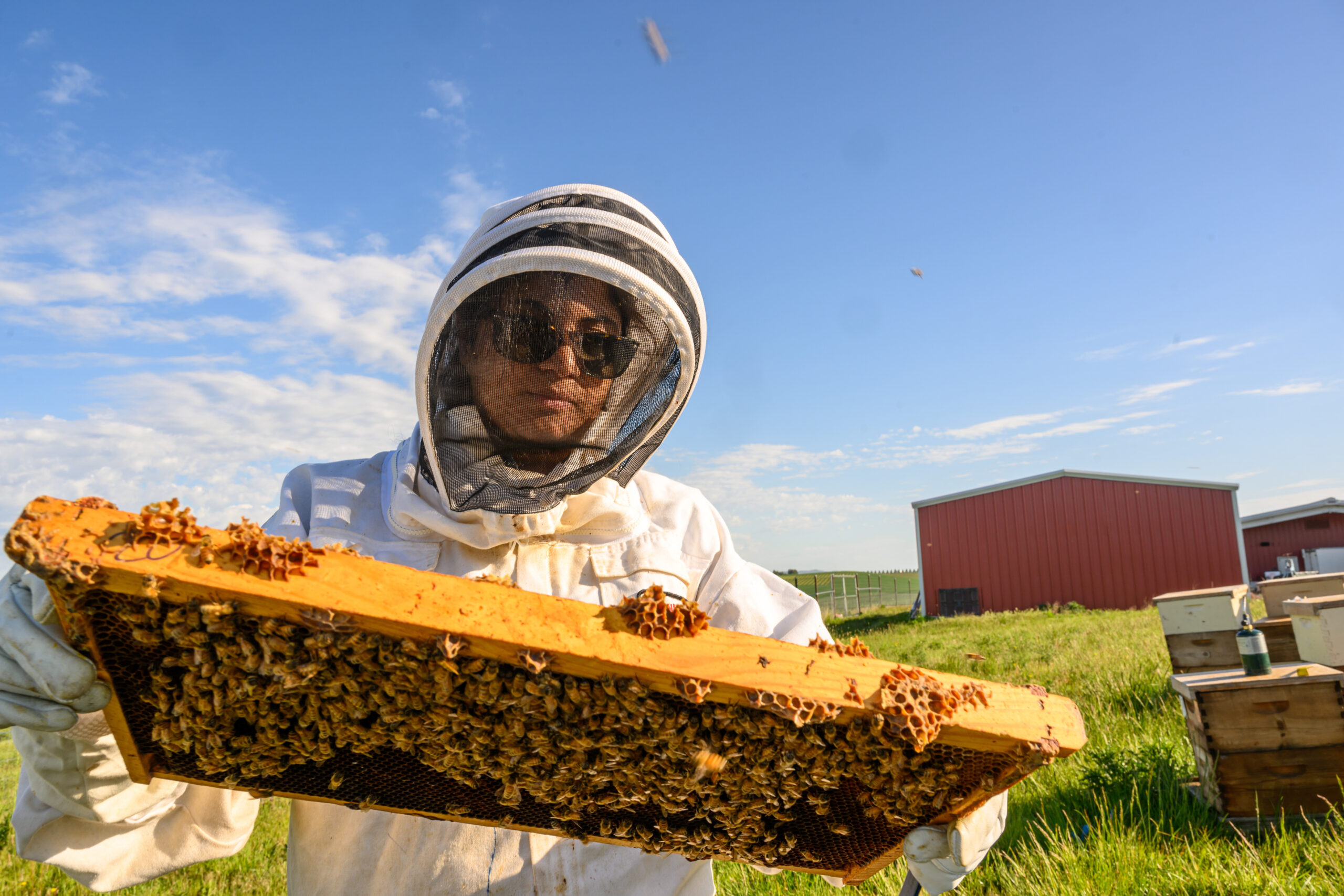
A researcher wearing a full-body protective suit, head covering, and gloves holding up a bee hive frame covered in bees.

Bees on the brink

WSU scientists are fighting to save honey bees from multiple threats.
Two people wearing safety glasses examine a long wooden beam made of glued-together boards.

Mass timber on the rise

Light, strong, and sustainable, “mass timber” is gaining traction in the United States, in part because of research and development at Washington State University.
A black-and-white dog calmly having its eyes checked by a veterinarian while another looks on.

At WSU, the animal doctors are in

Washington State University’s Veterinary Teaching Hospital cares for some 20,000 animals each year.
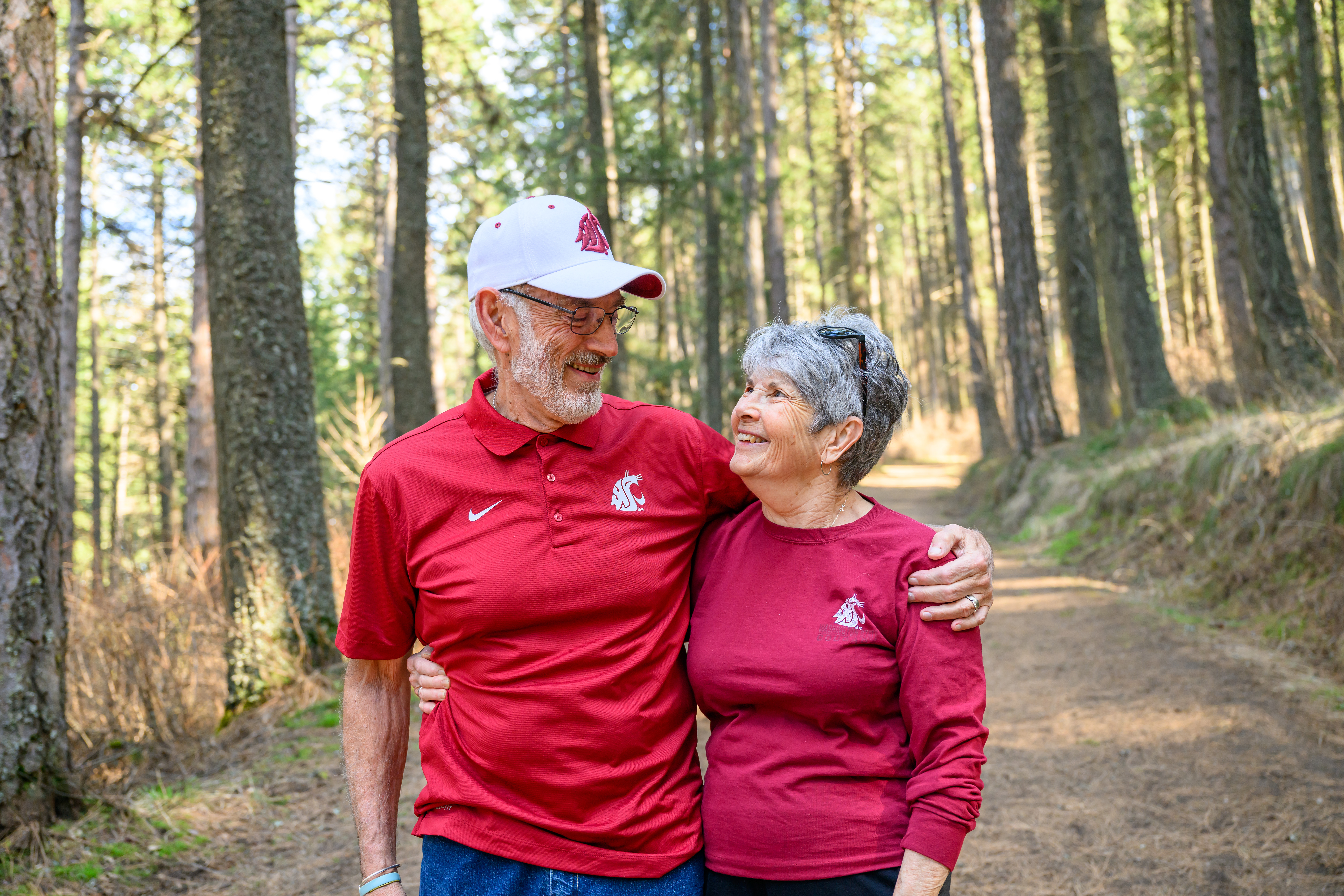
Two older adults, both wearing WSU Cougar branded shirts, smiling at each other as they walk together in the woods.

Growing older, living better

Americans are aging fast, and Washington State University is preparing for that future.
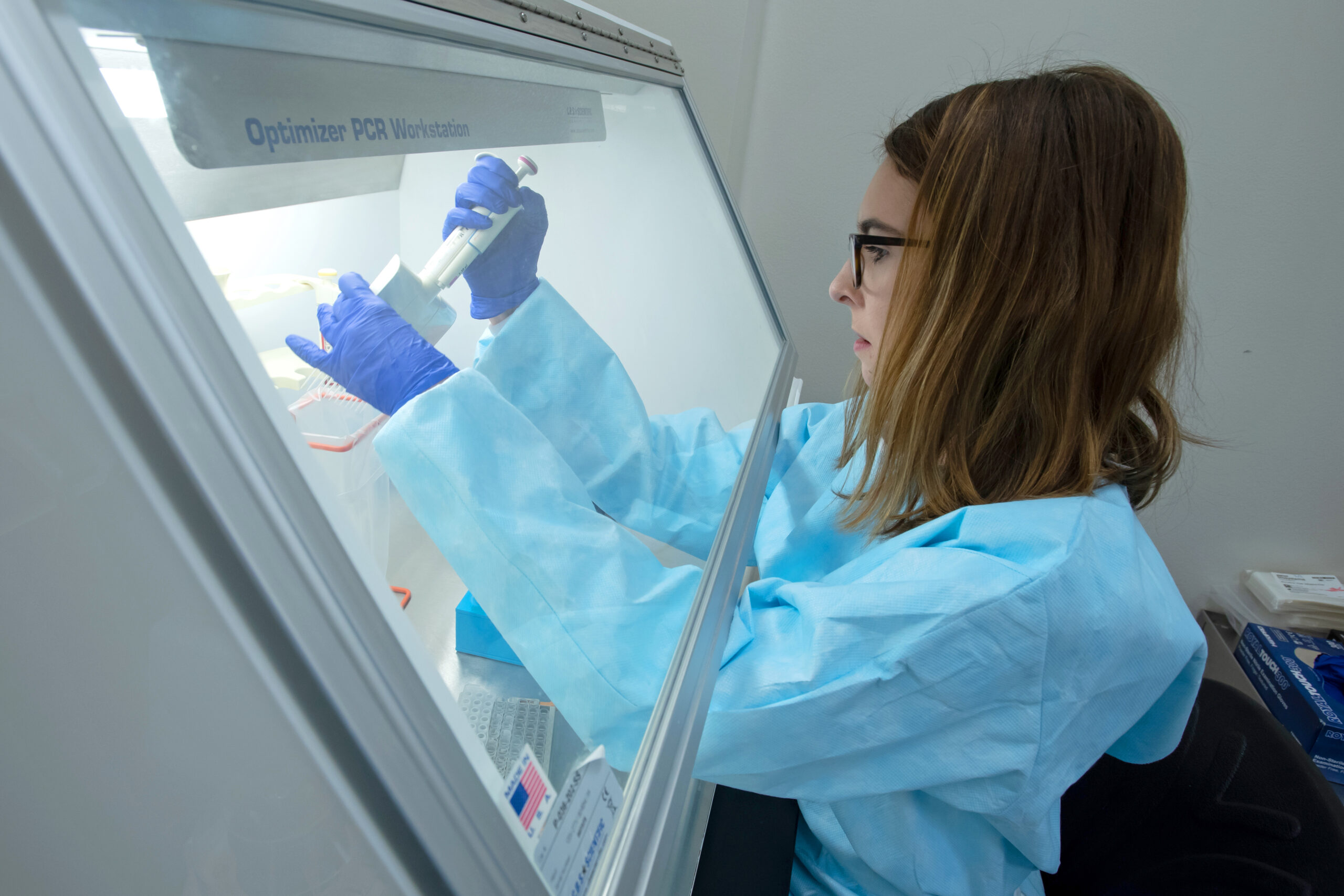
A microbiologist in blue protective equipment works at a biosafety cabinet.

WSU builds on the lessons from Covid

Everything changed when the COVID-19 pandemic swept across the world, and Washington State University was no exception.
Bearded person reading the label on a meat product while grocery shopping.

“We worry so you don’t have to”

WSU’s sophisticated laboratories and trained scientists are at the regional and national forefront of food security.
A person testing a robotic apple picking device that uses white silicone "fingers" to grip an apple.

Robotic gripper could offer a helping hand in the apple orchard
Robots could make apple-picking safer for farmworkers, by harvesting on days when there’s too much wildfire smoke to be outside, or it’s too hot.
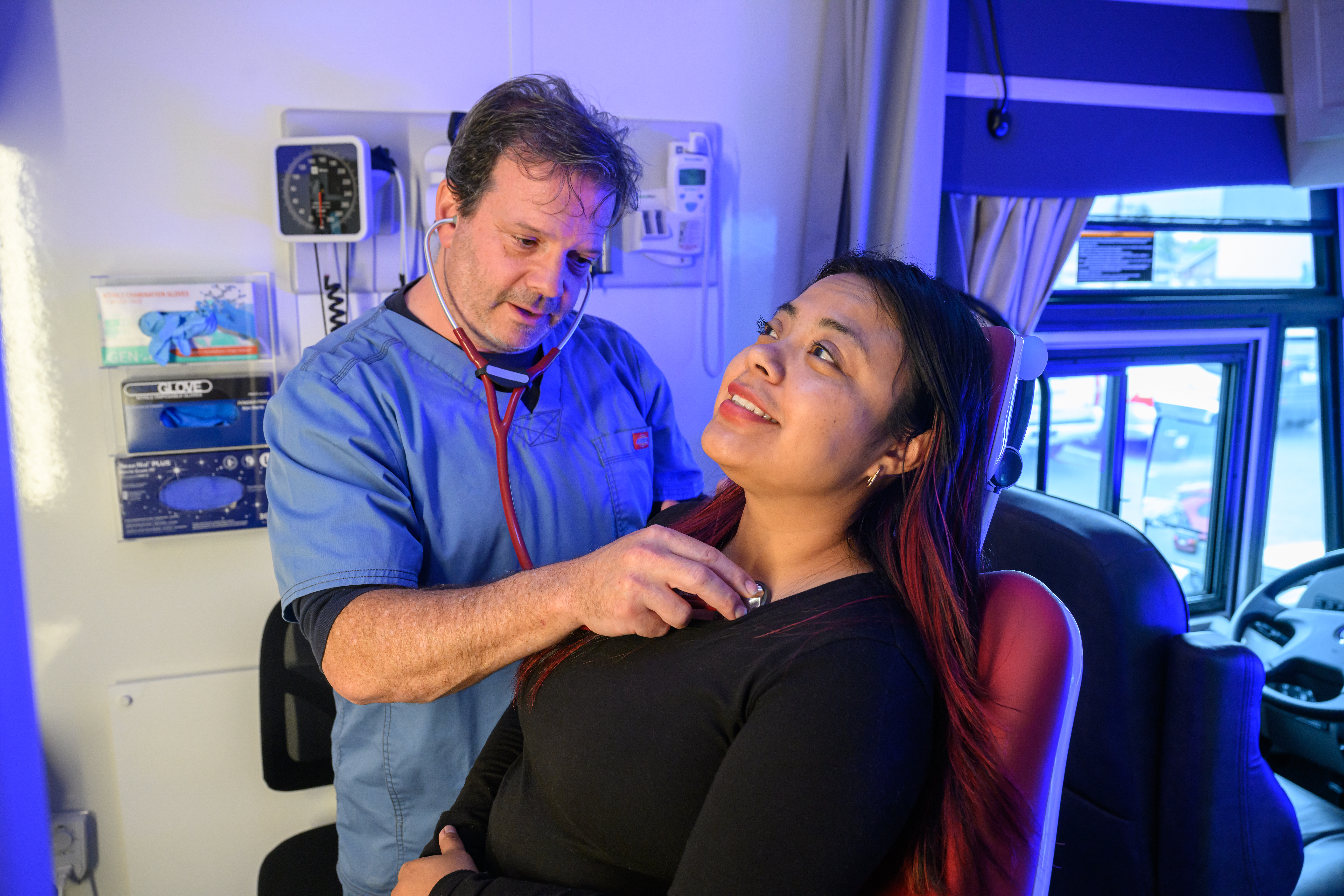
A doctor checking a person with a stethoscope in a mobile clinic.

Health for the whole person

At Washington State University, doctors, nurses, pharmacists and other health care providers learn to focus on a patient’s whole life.
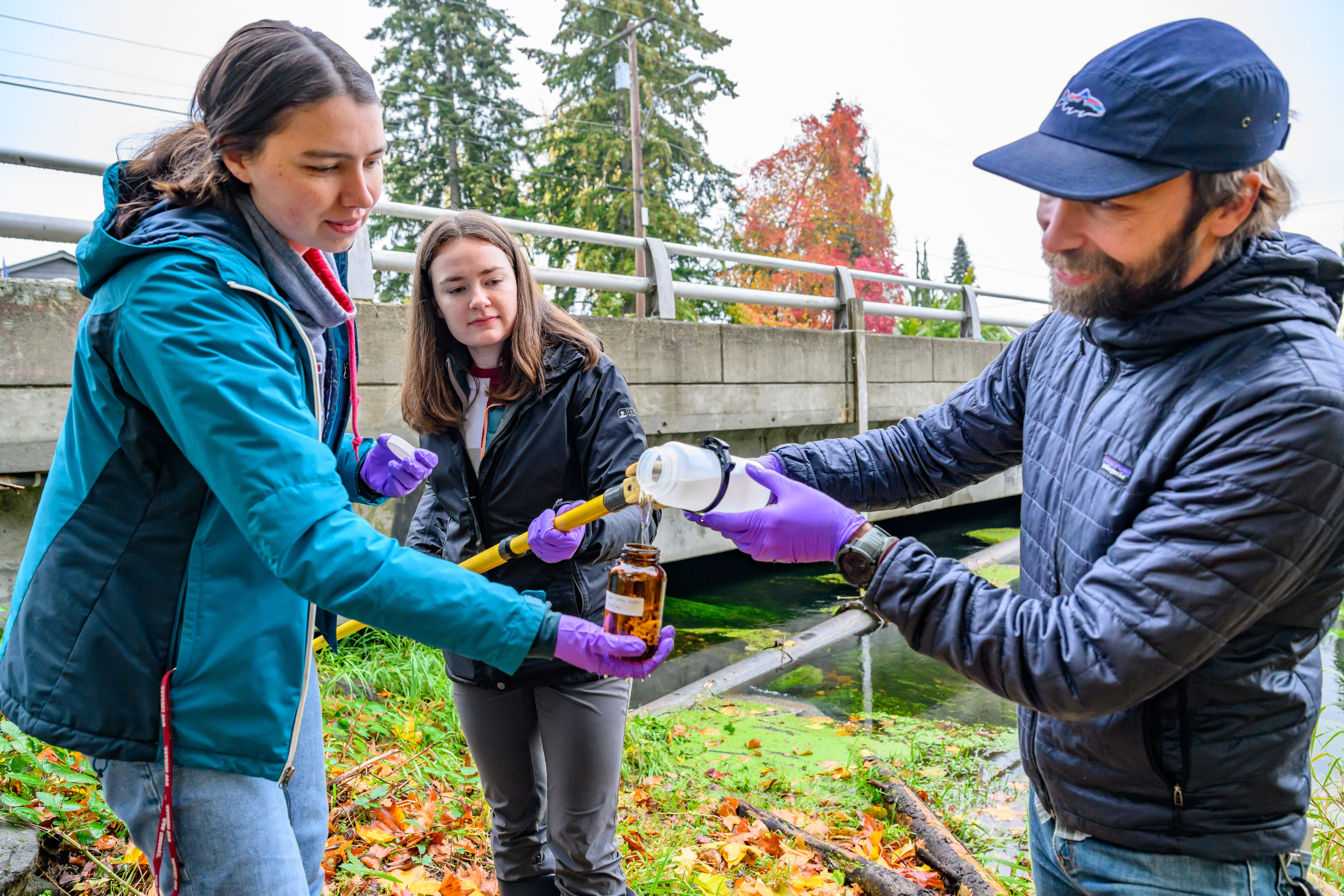
A person pouring liquid into a sample jar while another looks on.

Students help solve salmon puzzle

A team that included scientists from Washington State University learned what was killing salmon in urban streams in the Northwest.
Monica Carrillo-Casas, Murrow Fellow, reading news into a microphone.

Murrow News Fellowship puts more local reporters on the beat
WSU-led program bolsters the state’s news ecosystem.
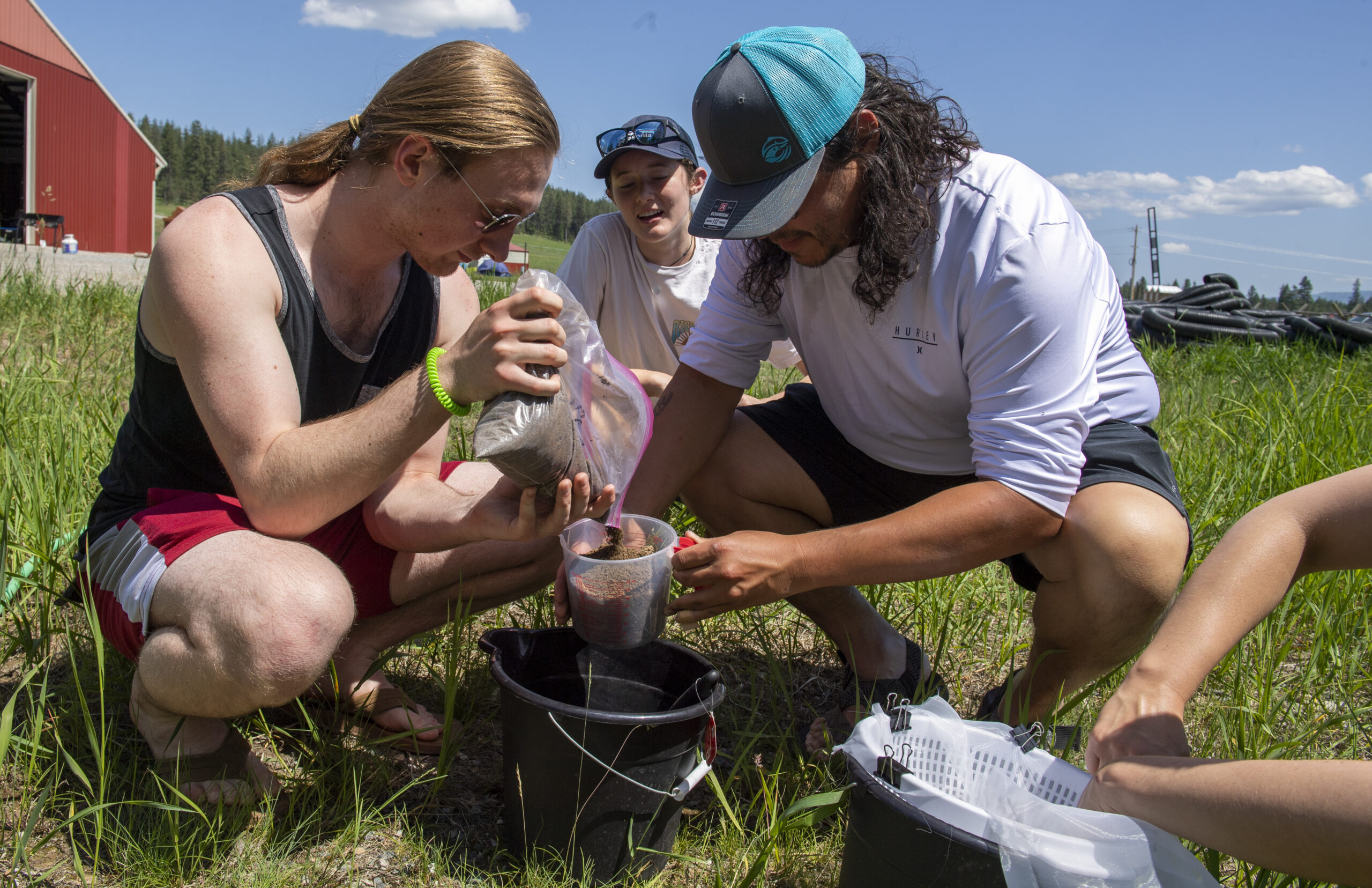
Three people working with soil samples.

Partners in the field

Building on almost a century of collaboration between Washington State University and the Kalispel Tribe.
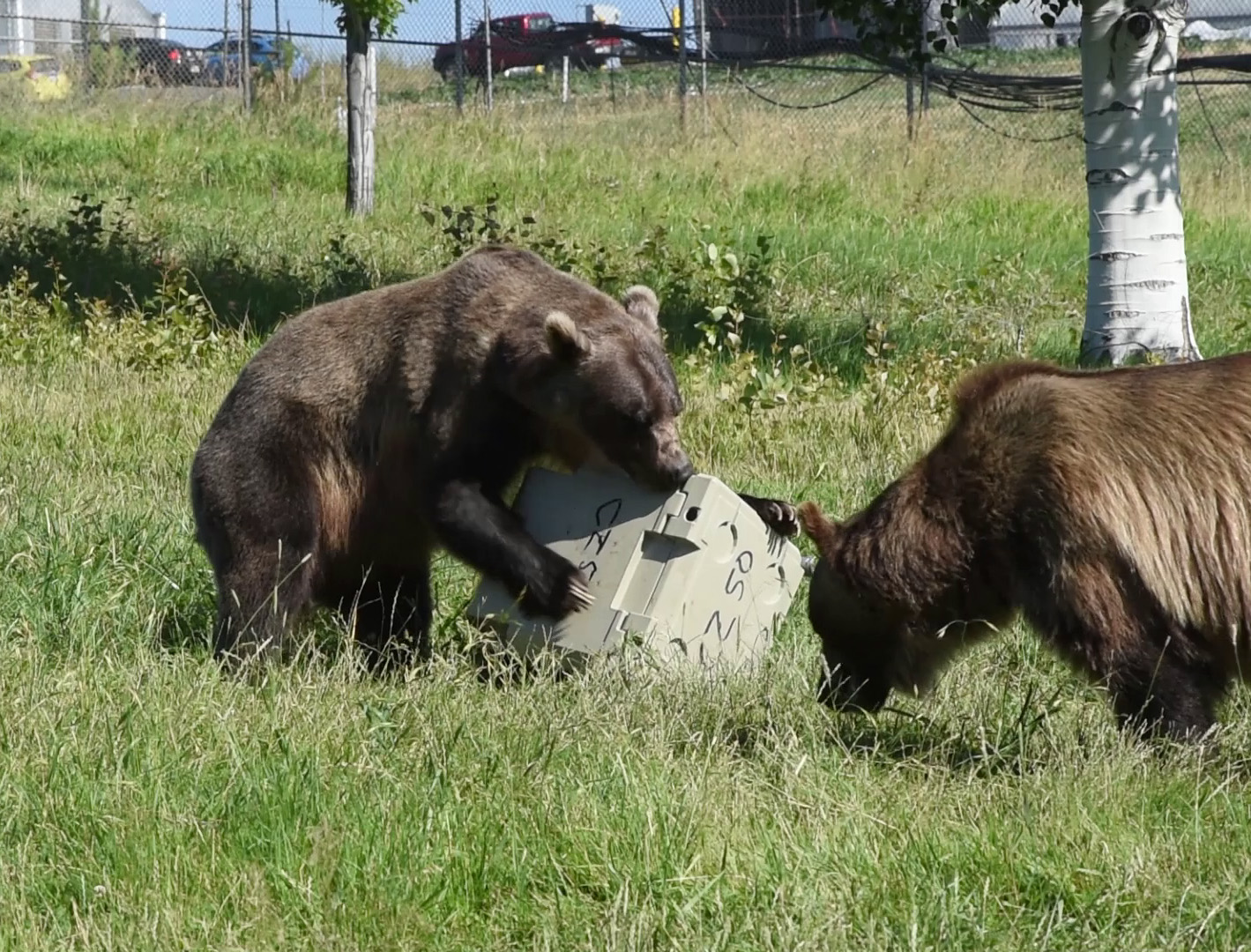
A grizzly bear rolling a cooler while another sniffs the ground nearby.

WSU grizzlies put coolers to the test

Products that survive an hour against the bears can be labeled “bear-resistant.”
A gravel path winds through flowers, trees, and other plants.

Master Gardeners know all the dirt

WSU Extension has educated the public to become garden experts for more than 50 years.
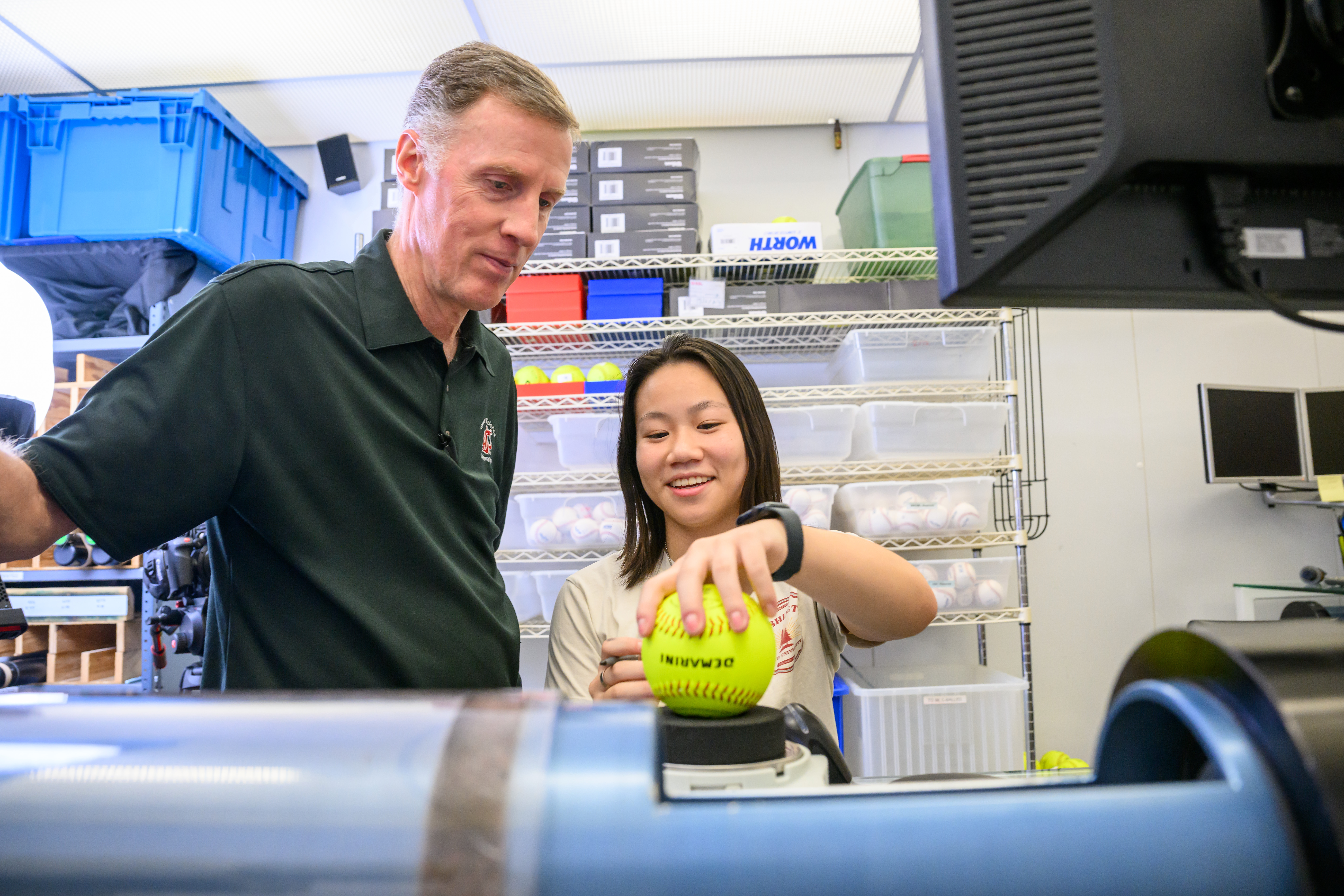
Two people testing a softball on measuring equipment.

“Bat Lab” targets the science of the ballpark
At Washington State University’s Sports Science Laboratory, the crack of a bat against a ball is the sound of science.
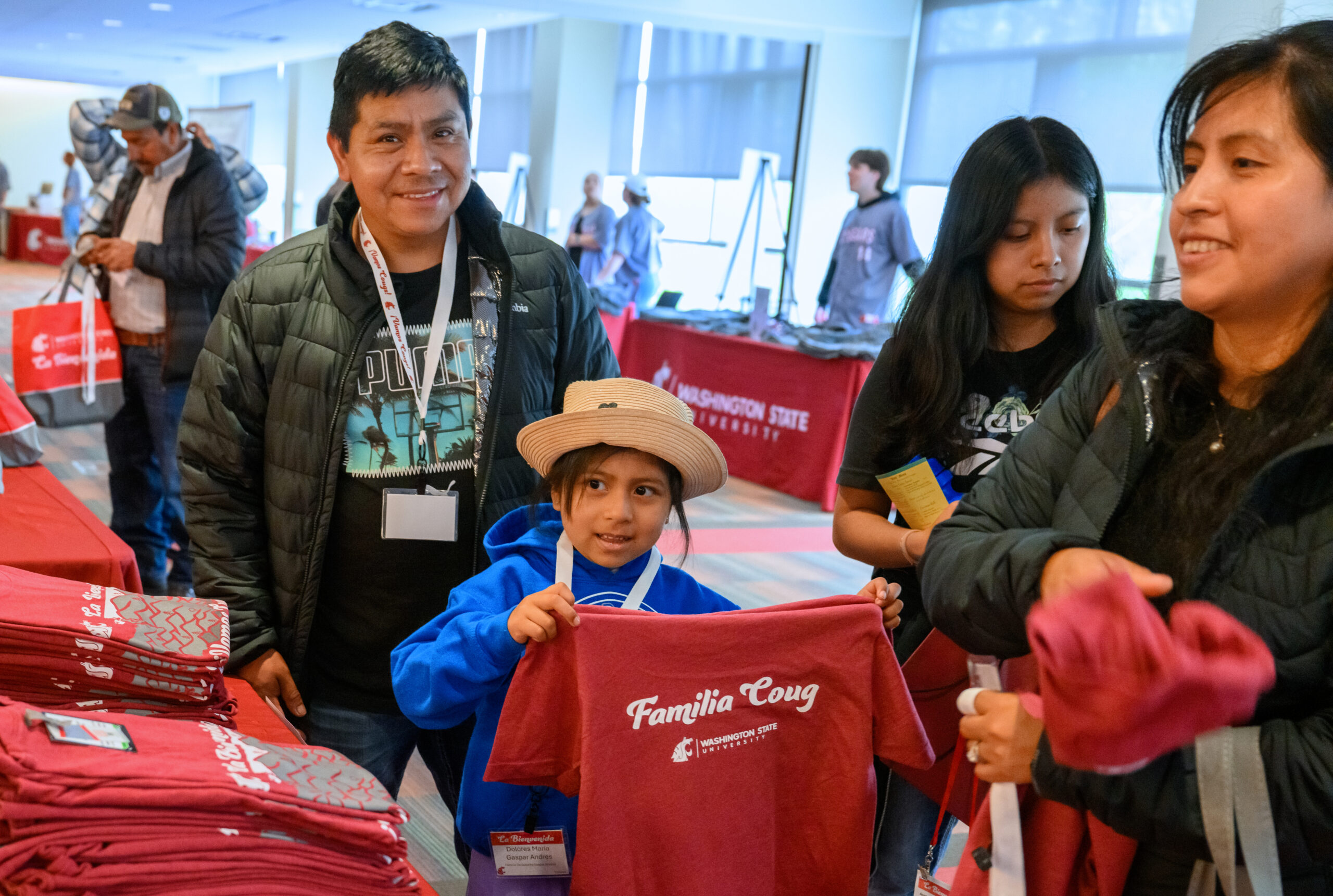
Child holding up familia coug shirt at New Coug Orientation.

High expectations, high support for first gen
Innovative programs help first-gen students at WSU navigate their path to success.
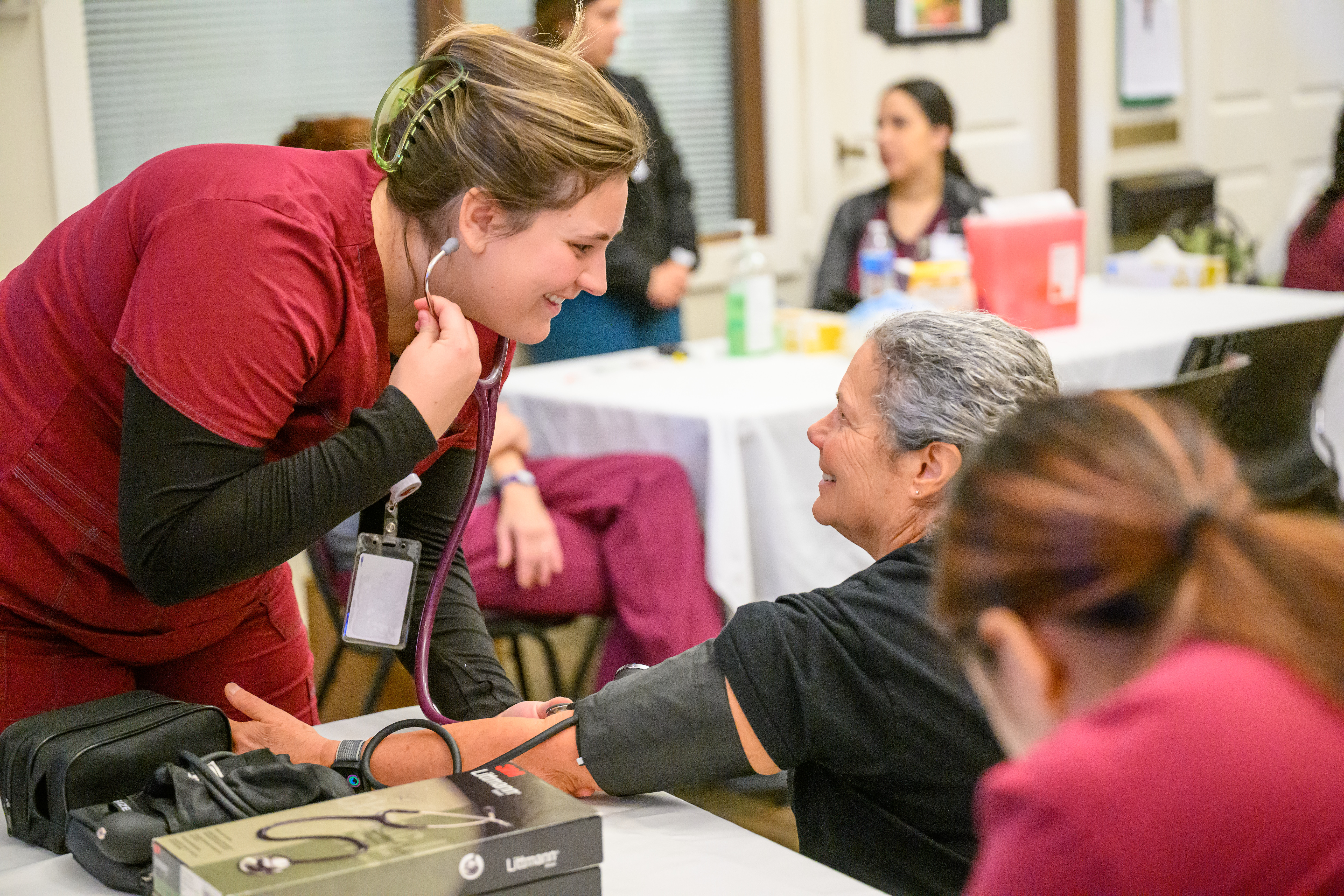
Medical student checking a patient with a stethoscope.

Community care is the curriculum

Medicine, nursing and pharmacy students at WSU deliver care in community settings across the state.
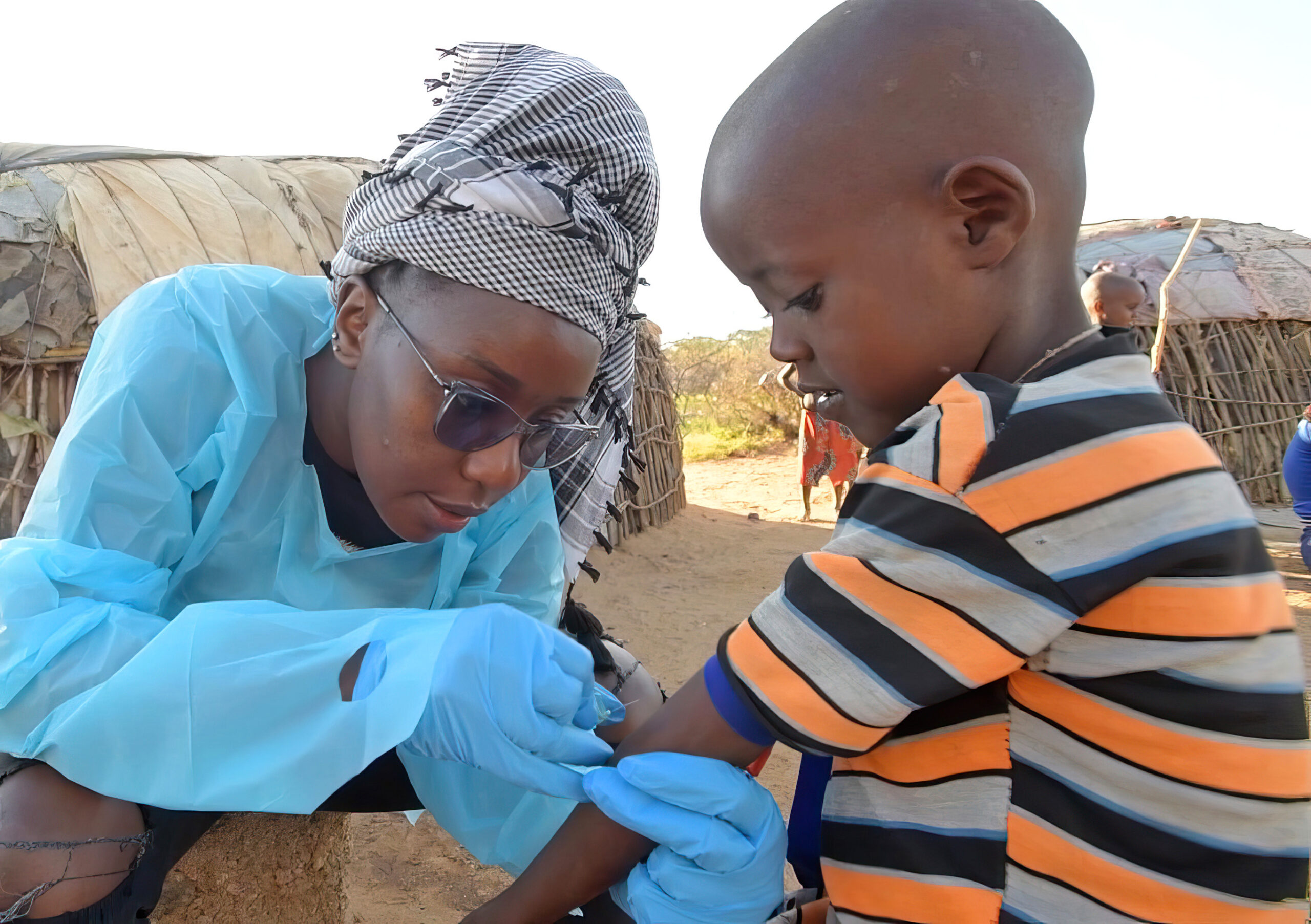
Medical person giving a shot to a child.

WSU on the ground in East Africa

Infectious disease experts identify and track emerging viruses before they can spread, and bring new approaches to old diseases.