HERE WE GO

Mass timber on the rise
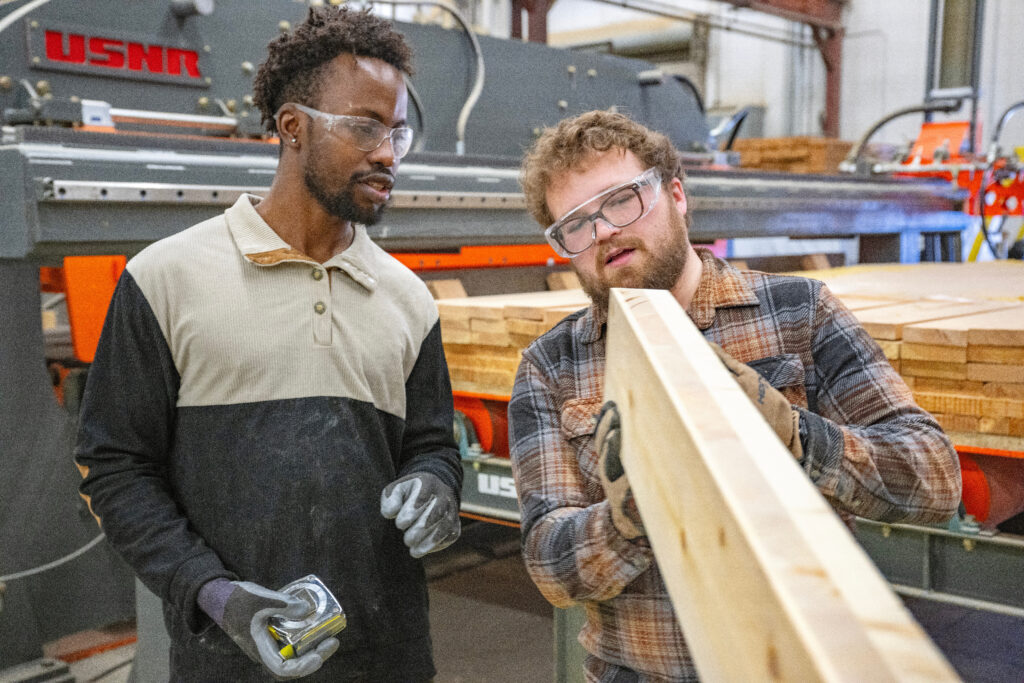
Light, strong, and sustainable, “mass timber” is gaining traction in the United States, in part because of research and development at Washington State University.
Structural panels, beams and arches made of pressed, glued wood are being used in office buildings, apartment blocks, and in grand public spaces like the main terminal at Portland International Airport. The mass timber market in the United States is expected to triple over the next decade.
Mass timber is lighter than steel or concrete, and goes up faster at the construction site. It’s strong and stable. It boosts forest health by using small-diameter trees that might otherwise be fuel for wildfires. And it helps the environment, because trees are a renewable resource that capture and store carbon dioxide.
Studies have found that buildings using natural design elements – called biophilic design – reduce stress and enhance performance in the people who work or live there.
WSU identified the promise of mass timber decades ago, said Karl Englund, research professor at the Composite Materials & Engineering Center (CMEC). The university aligned engineering, architecture, business, and materials expertise to drive development, often partnering with private companies. Importantly, WSU also established a certified laboratory where companies can test products and materials before they are submitted for building code approval.

Timber Talk
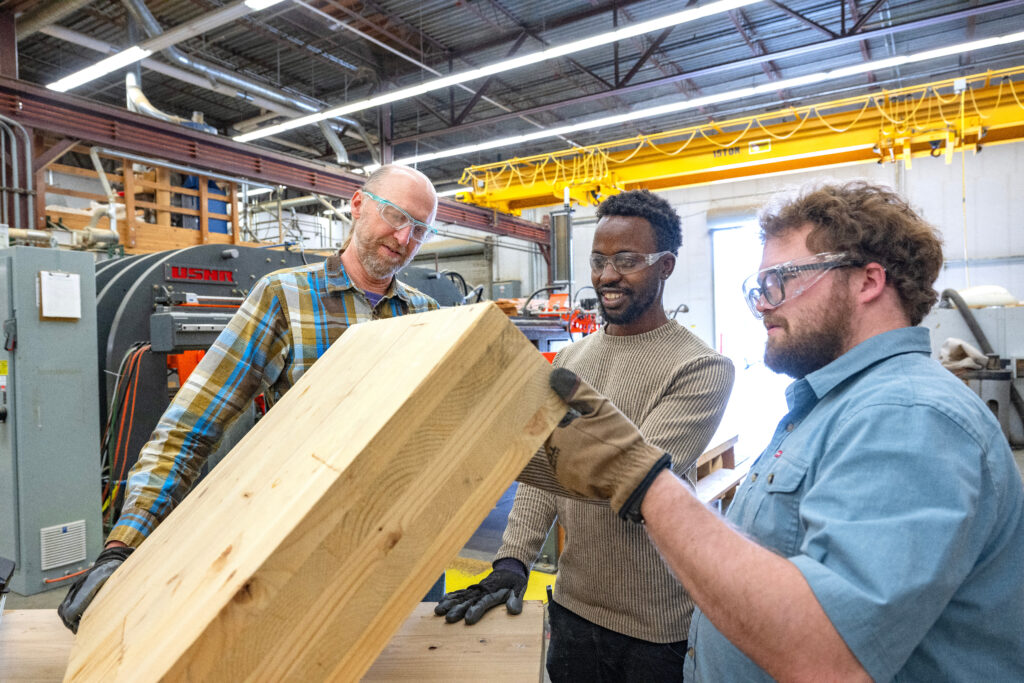
- Mass timber: Structural components such as columns, beams and panels made by fastening layers of wood together.
- Glulam: Glue-laminated timber used to make beams and arches.
- CLT: Cross-laminated timber, a prefabricated panel made of layers of boards stacked in alternating directions, glued and pressed.
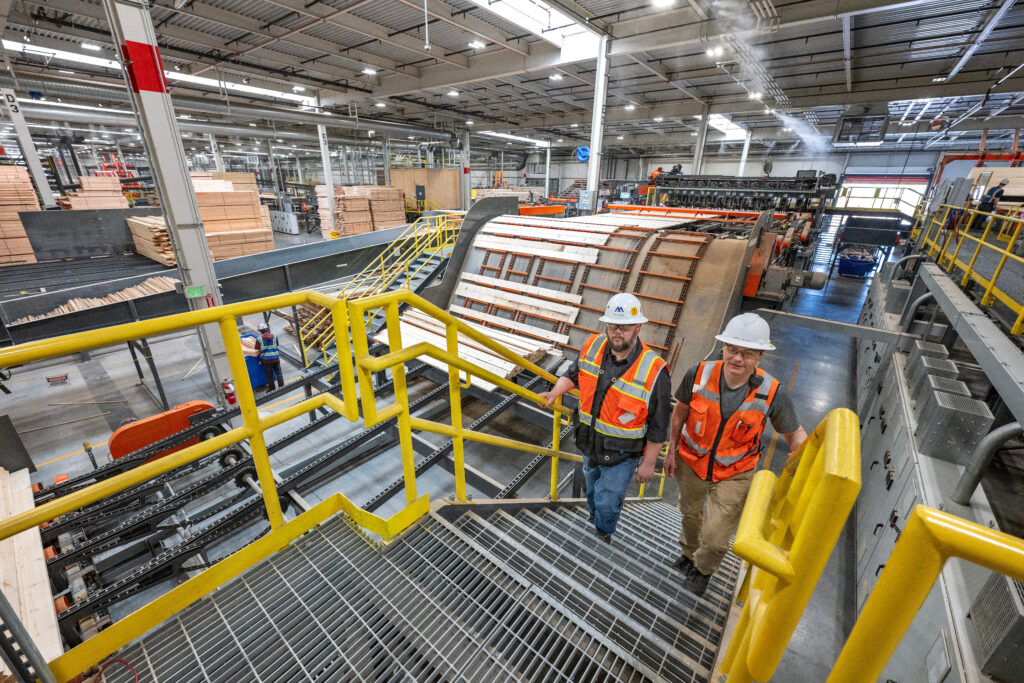
Mercer Mass Timber is one of those companies. WSU helped determine the equipment and technologies needed to build what’s now the largest North American factory making cross-laminated timber in Spokane Valley, Washington. The plant was built by Katerra and acquired by Mercer International in 2021.
Mercer paid for equipment that’s in CMEC’s research facility, which allowed the company to work on development and certification while the plant was being built.
Said Englund, “We made the product based on what would be done in the plant, tested the product, figured out the required steps in order to meet consistent quality standards, and trained their employees at the same time. That helped them conduct all the preliminary testing before the plant came up so they could start producing panels.”
Todd Beyreuther, an adjunct professor at WSU, former product director at Mercer Mass Timber and at Katerra, and co-founder of a new company that contracts with Mercer, said, “We did bring this factory up faster because of that partnership with WSU. We go in with the strength of private industry, but we have third-party review and testing at WSU, so it’s a really important part of the story.”
It’s also part of Washington State University’s land-grant mission to serve the state, and the nation.
Pouria Bahmani, assistant professor of structural engineering, is researching using mass timber to make modular units for affordable housing through a grant from the U.S. Department of Housing and Urban Development. He envisions pieces being made of mass timber in factories then shipped to construction sites for final assembly. Such a method could reduce construction time and costs over building on-site, plus reduce variables like weather.
We need to build this knowledge base, develop the building codes, and convince the construction industry that yes, anybody can design and build with mass timber.
Vikram Yadama
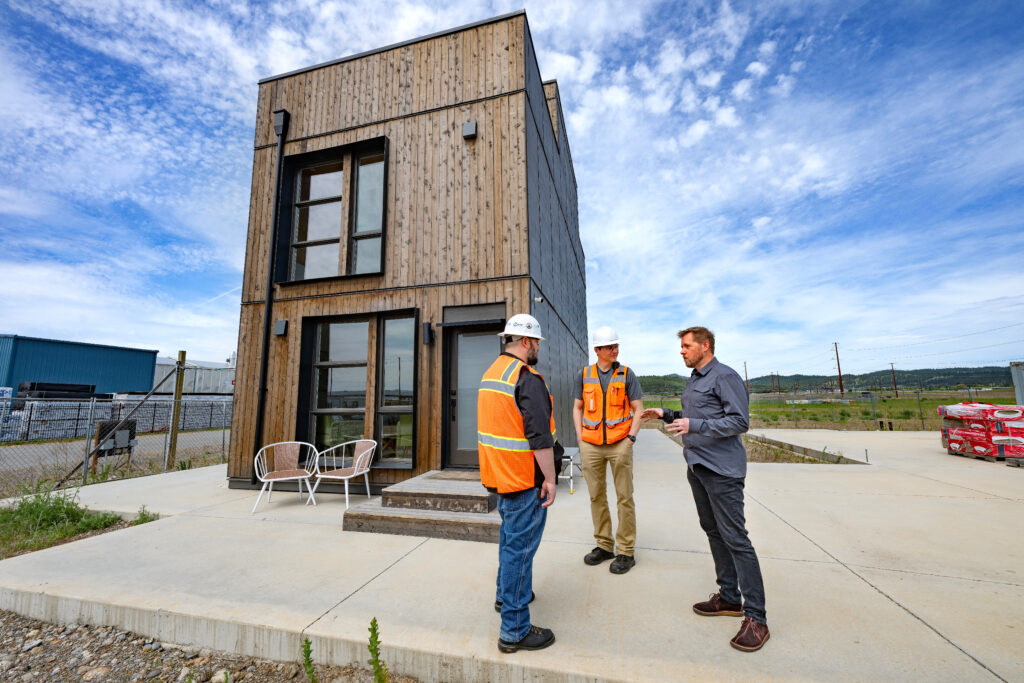
Bahmani is also collaborating with the Composite Recycling Technology Center in Port Angeles, Washington, on a U.S. Army Engineer Research Development Center-sponsored project to make modular structures that can be used for military deployments or disaster relief, among other purposes. “It’s shipped as a flat pack and can be erected by only two or three people,” he said.
Mass timber still needs to gain wider acceptance by architects and contractors, and it needs a much larger trained workforce.
“That’s why I think the work being done at WSU and elsewhere is critical,” said Vikram Yadama, director of CMEC and a professor in civil and environmental engineering. “We need to build this knowledge base, develop the building codes, and convince the construction industry that yes, anybody can design and build with mass timber.”
Tell Your Story

Rehab isn’t just for humans

Mass timber on the rise

At WSU, the animal doctors are in
Growing older, living better
WSU builds on the lessons from Covid

“We worry so you don’t have to”
Robotic gripper could offer a helping hand in the apple orchard

Health for the whole person
Students help solve salmon puzzle

Murrow News Fellowship puts more local reporters on the beat
Partners in the field

WSU grizzlies put coolers to the test
Master Gardeners know all the dirt
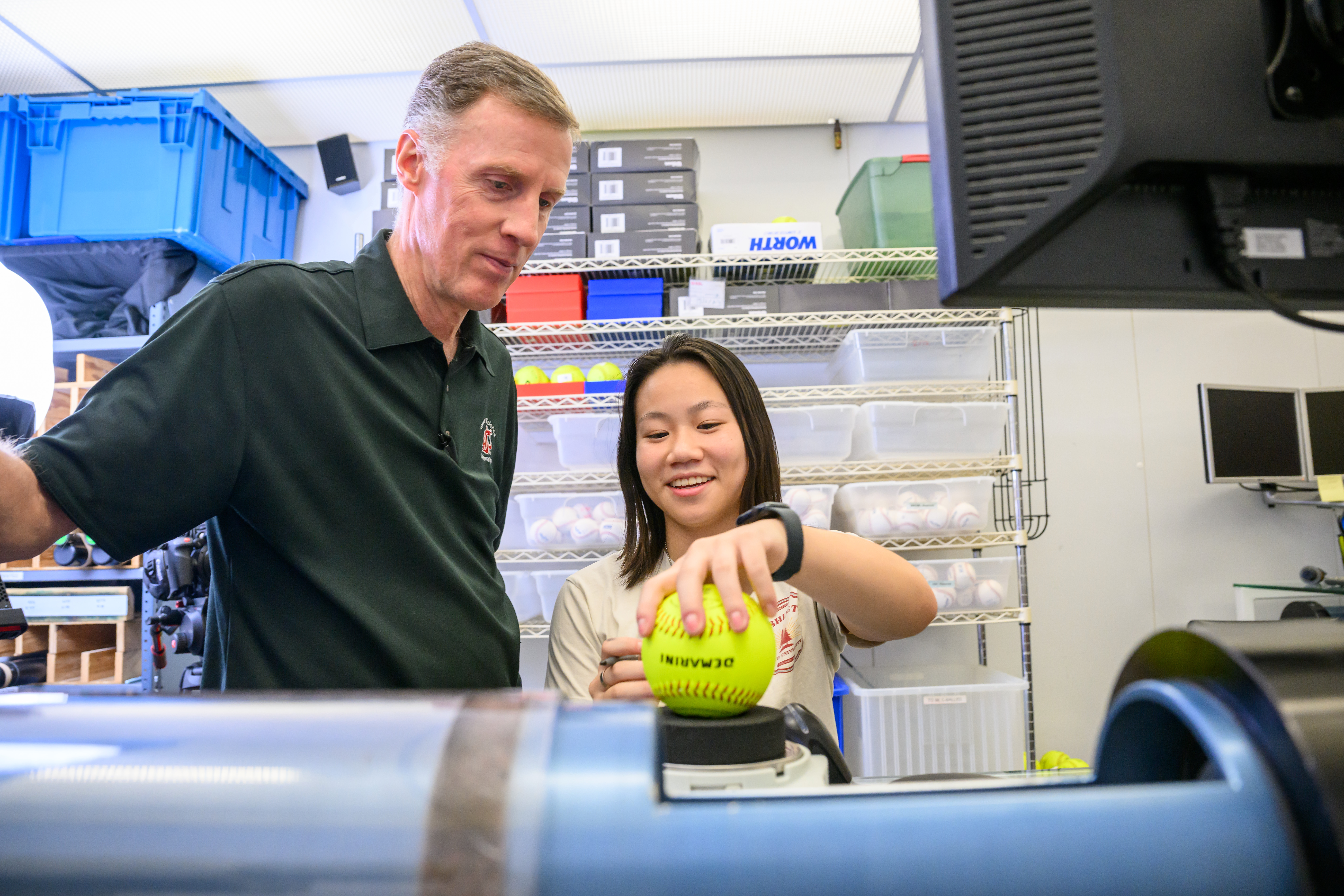
“Bat Lab” targets the science of the ballpark
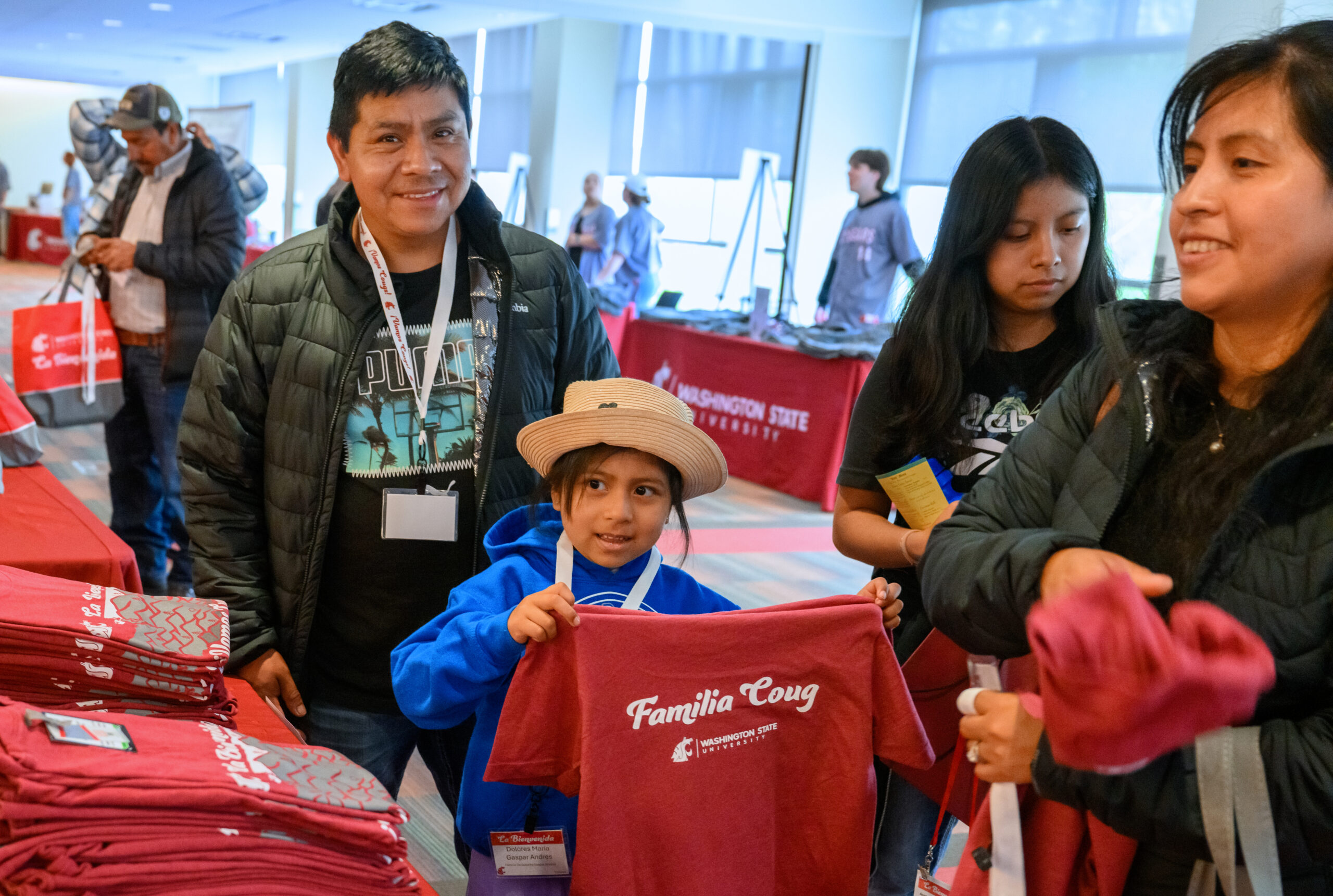
High expectations, high support for first gen
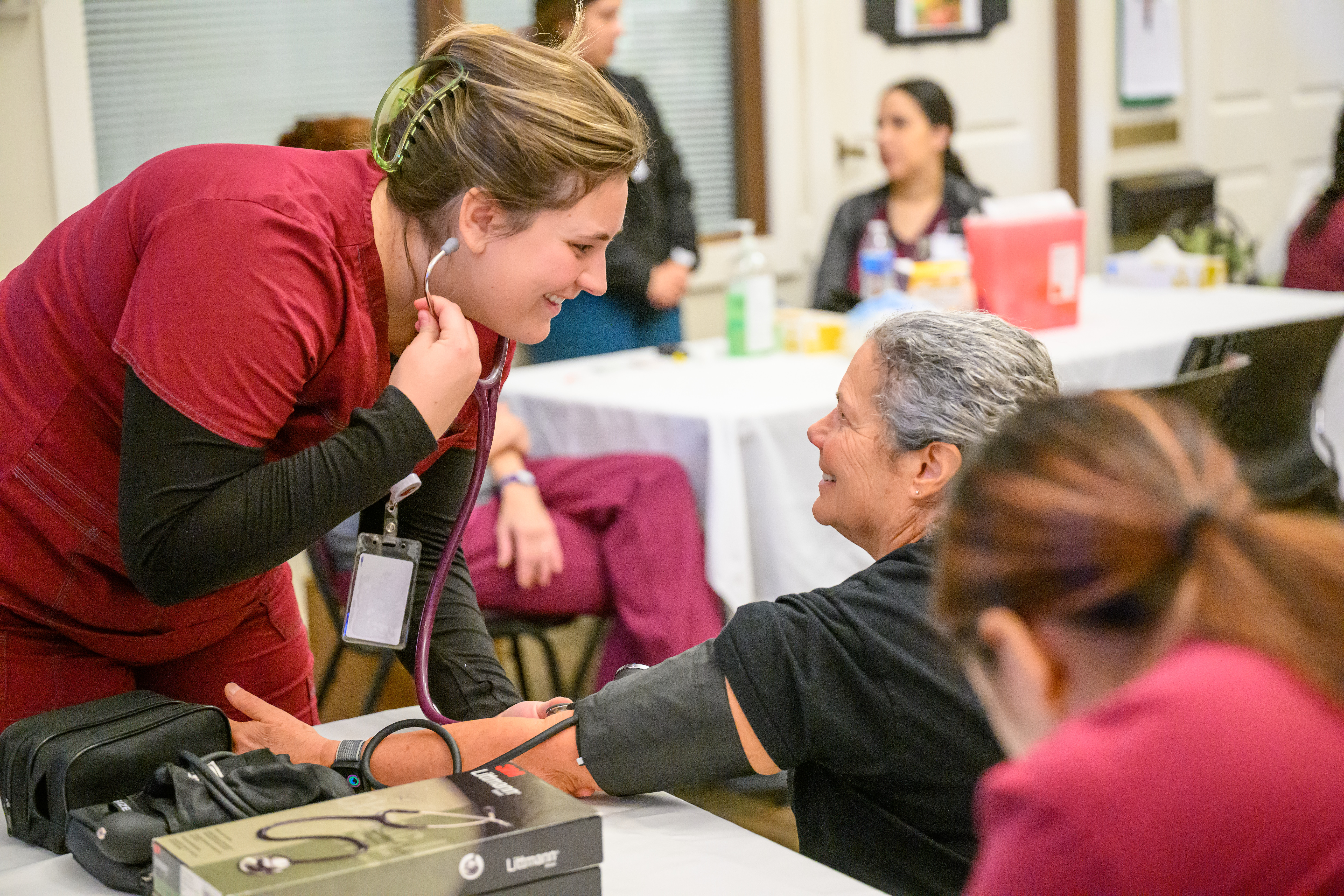
Community care is the curriculum