HERE WE GO

Rehab isn’t just for humans
WSU Veterinary Teaching Hospital offers continuum of care for animal patients.
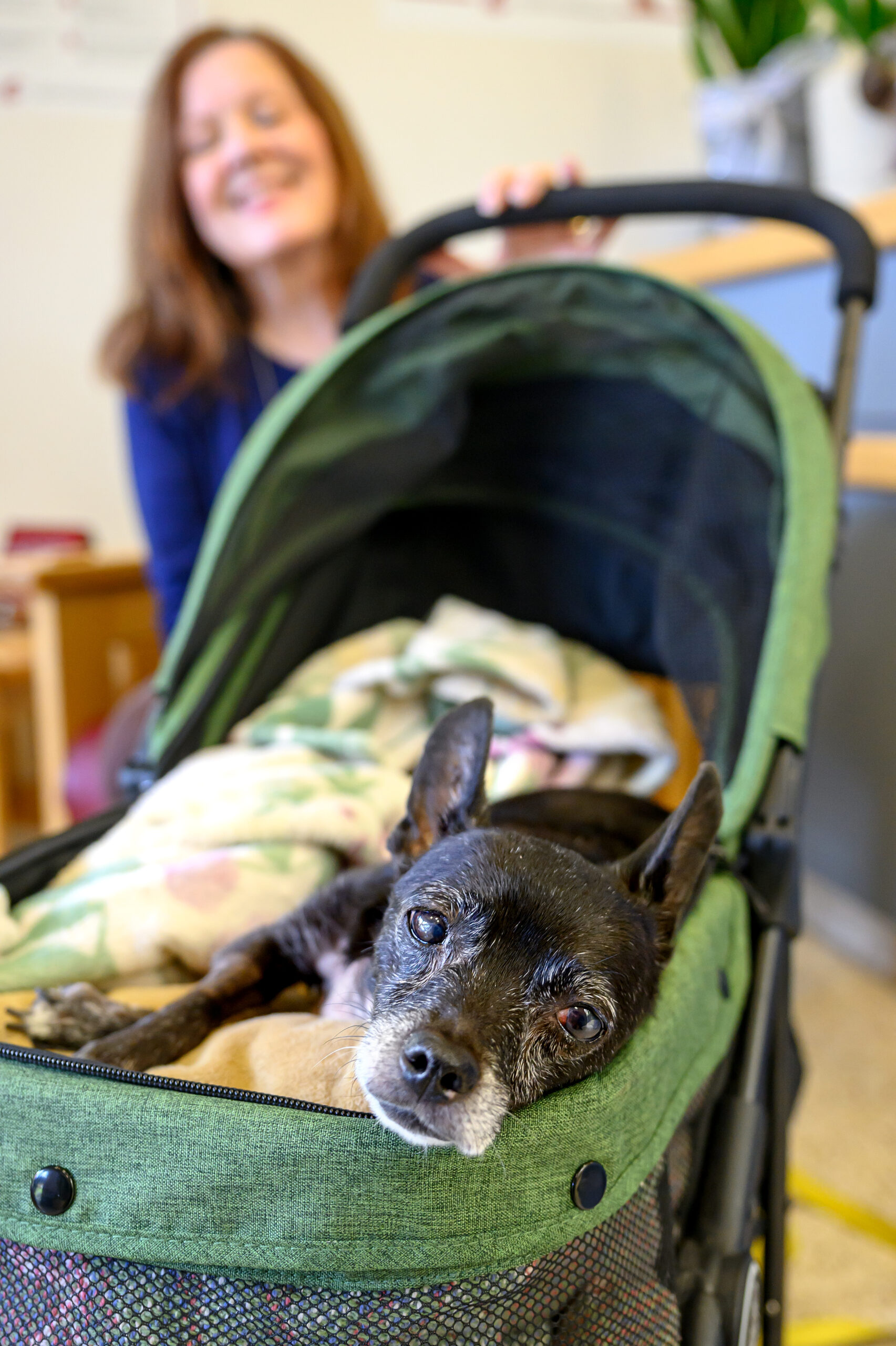
Blueberry, a rescue chihuahua, and her sister Emma Rose, a golden retriever, got along just fine. Until they didn’t.
Out of the blue, Emma Rose went after Blueberry, leaving the small dog paralyzed. An emergency veterinarian told owner Kim Ferraro, “it’s really bad.”
At the vet’s suggestion, Ferraro took Blueberry to the Washington State University Veterinary Teaching Hospital where she underwent successful surgery. As is often the case with human medical care, though, the surgery was just the beginning of Blueberry’s recovery. And the WSU veterinary hospital is part of that journey, too.
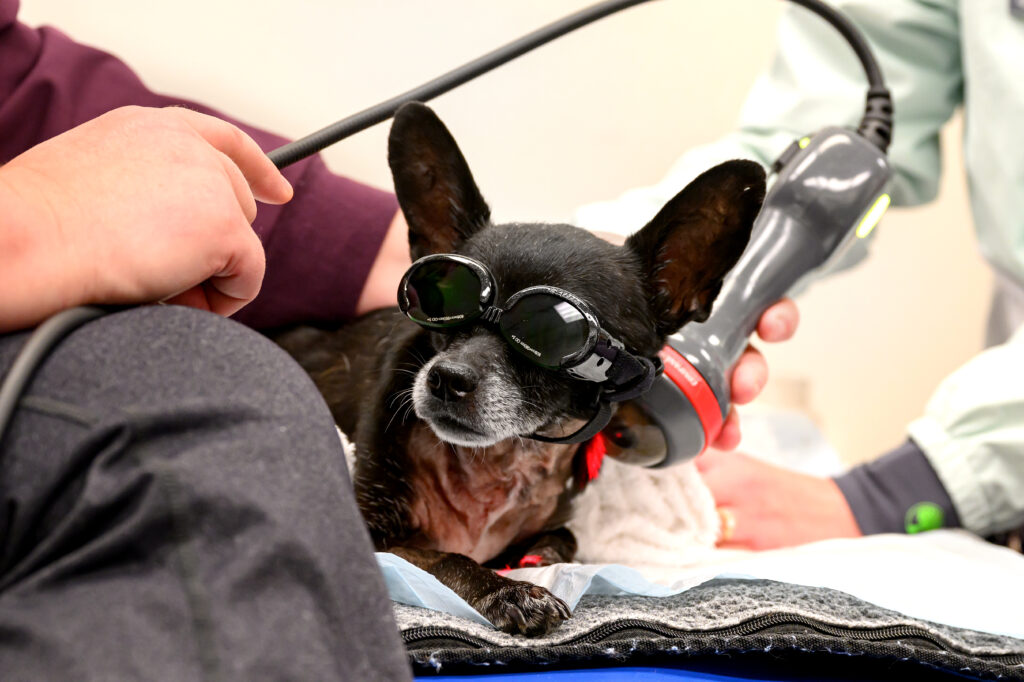
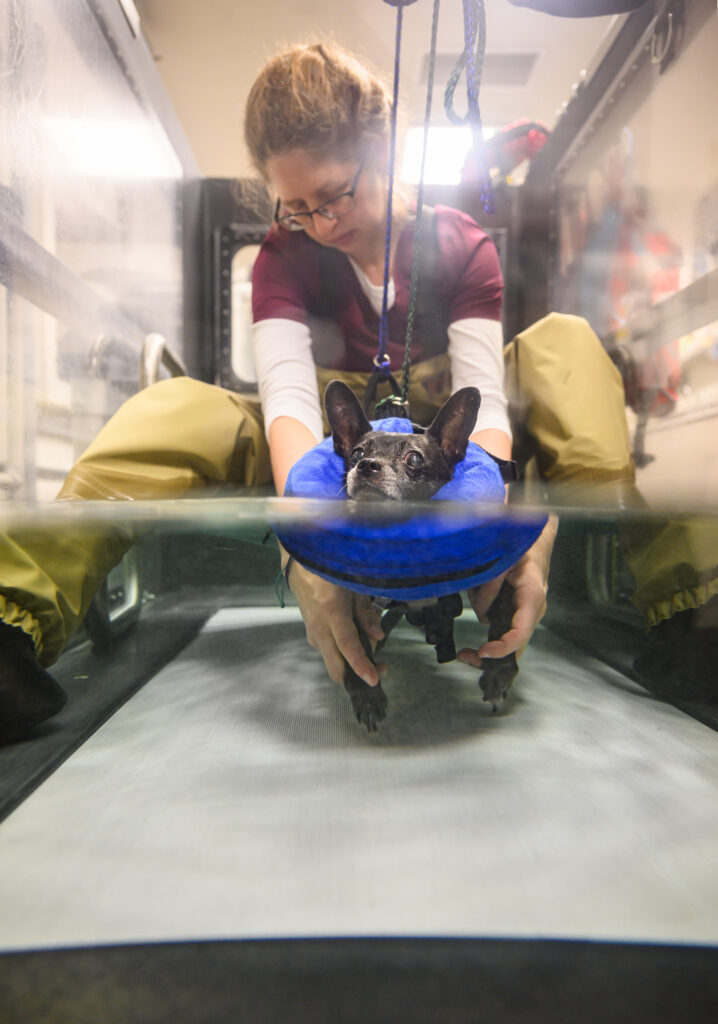
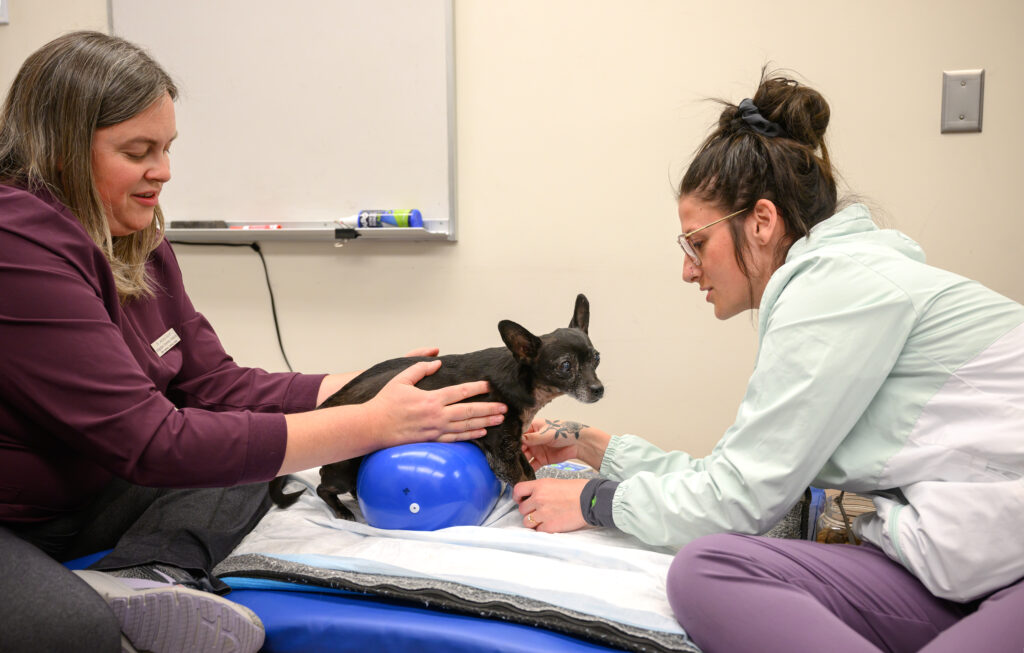
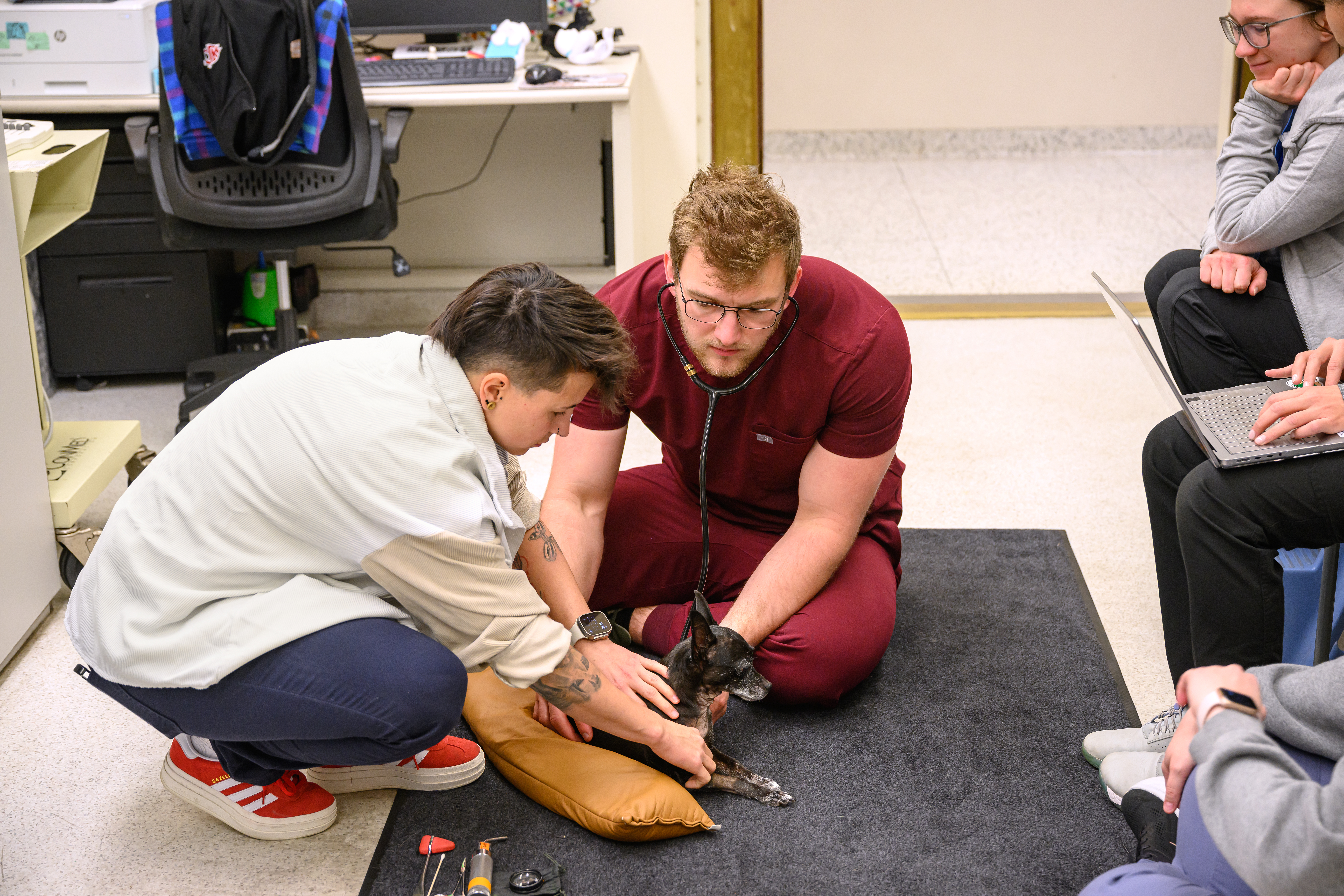
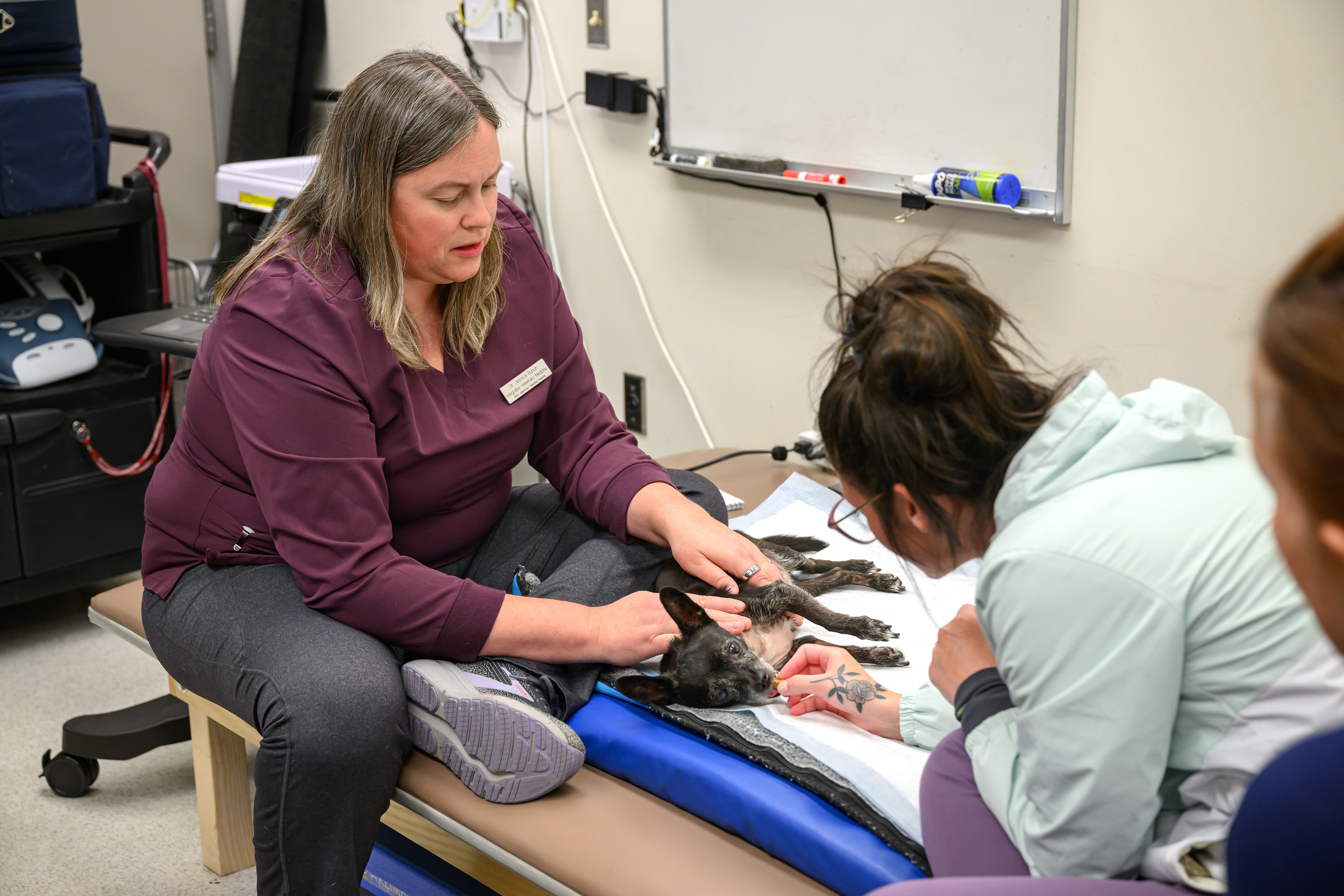
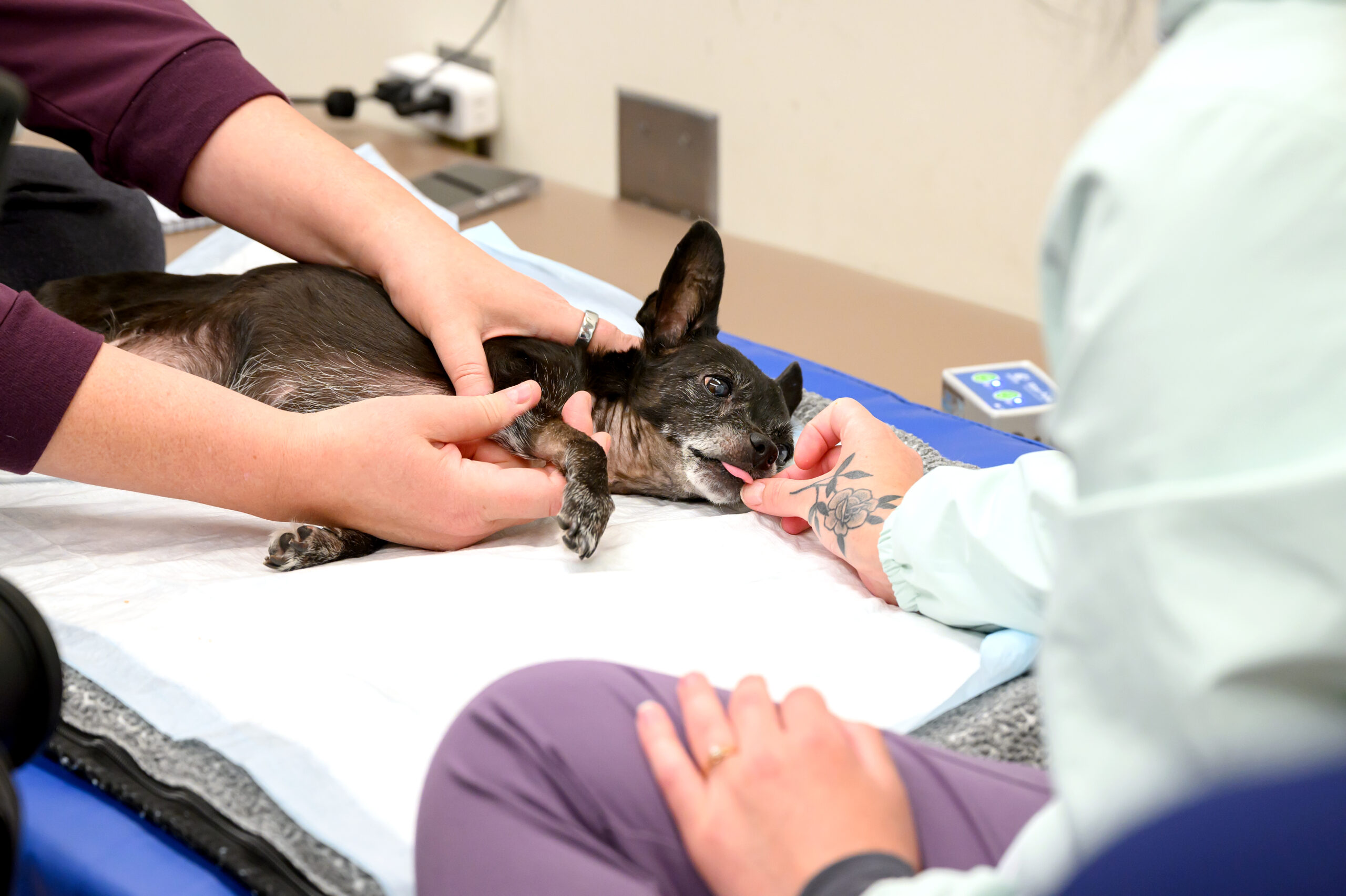
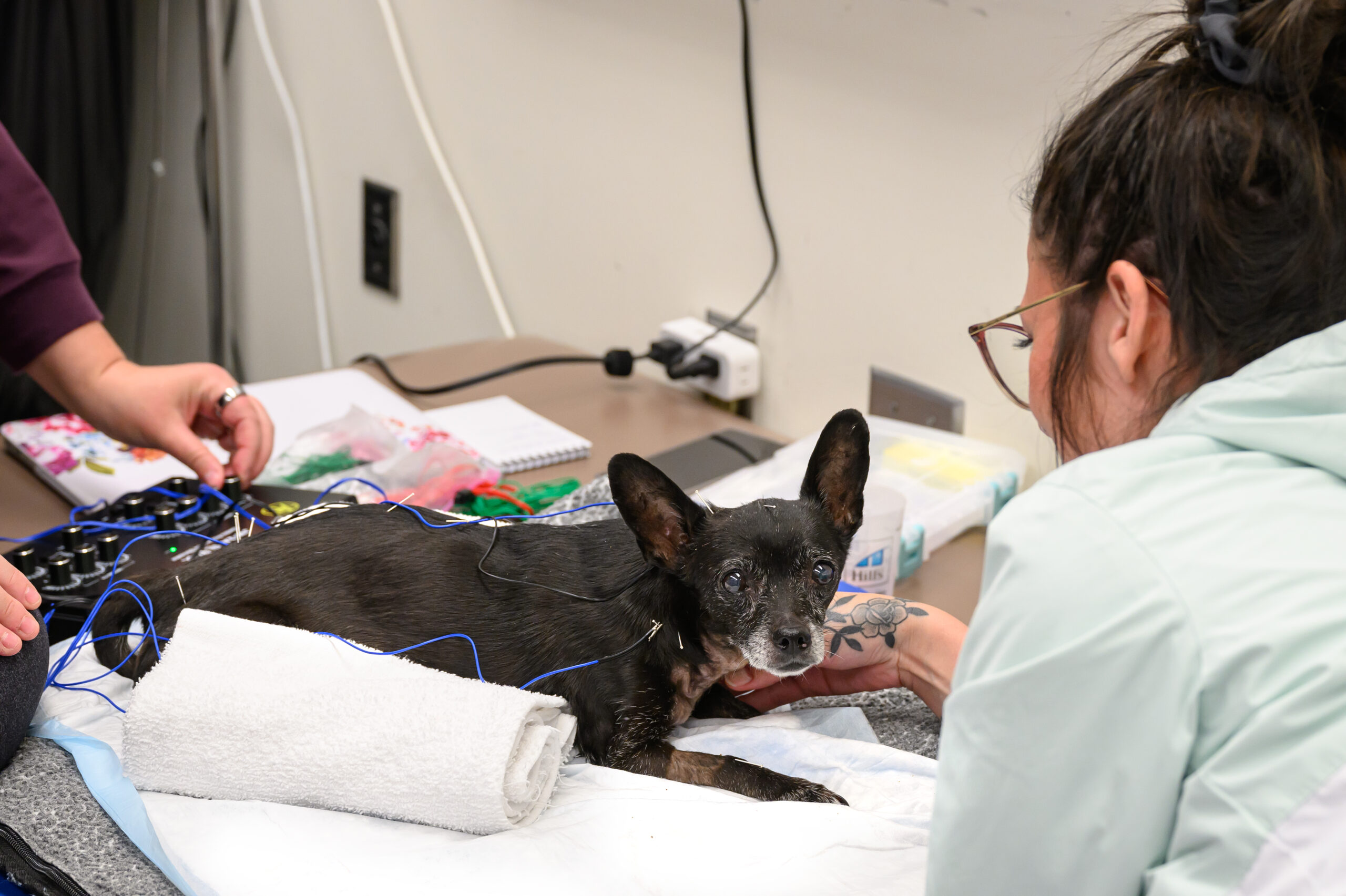
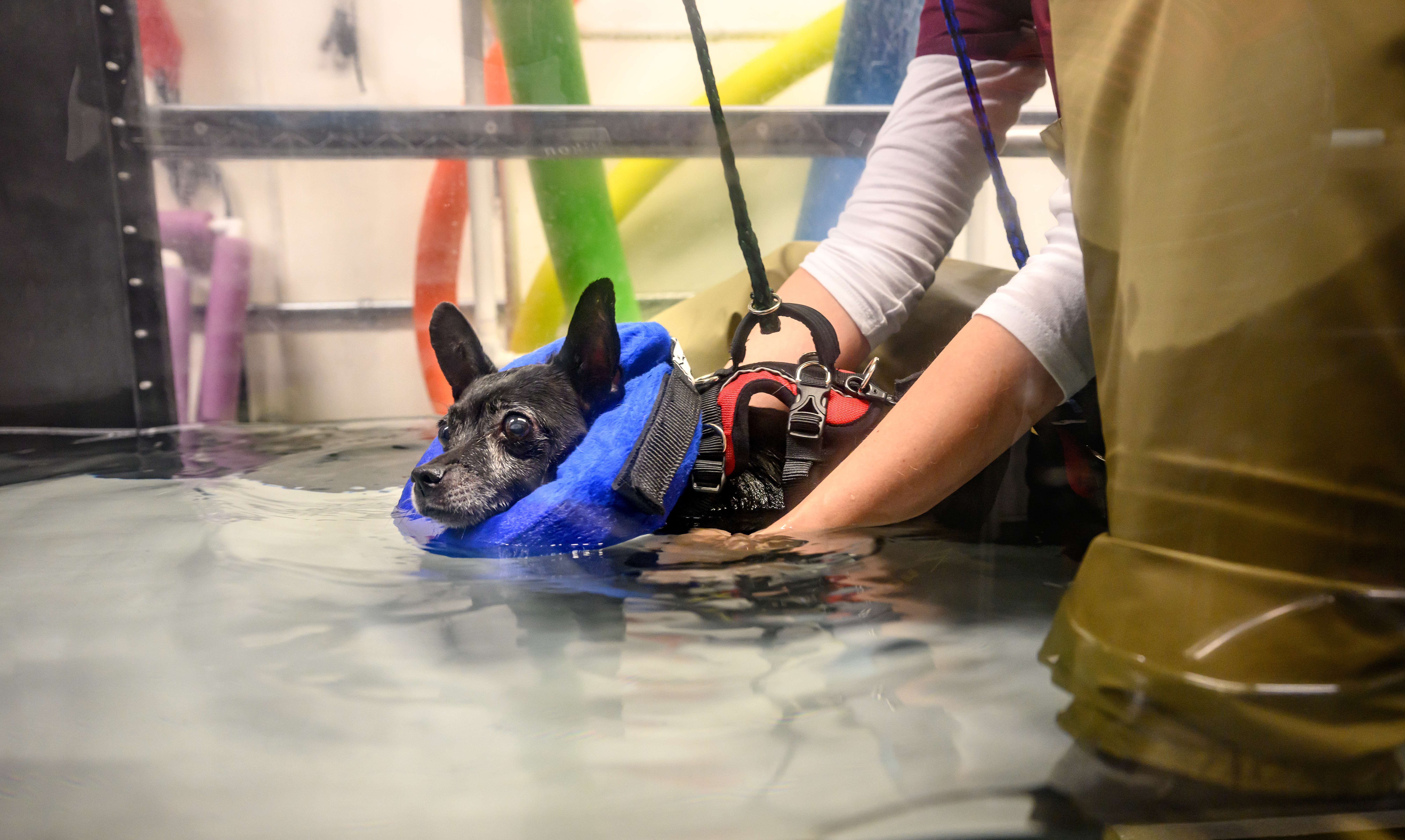
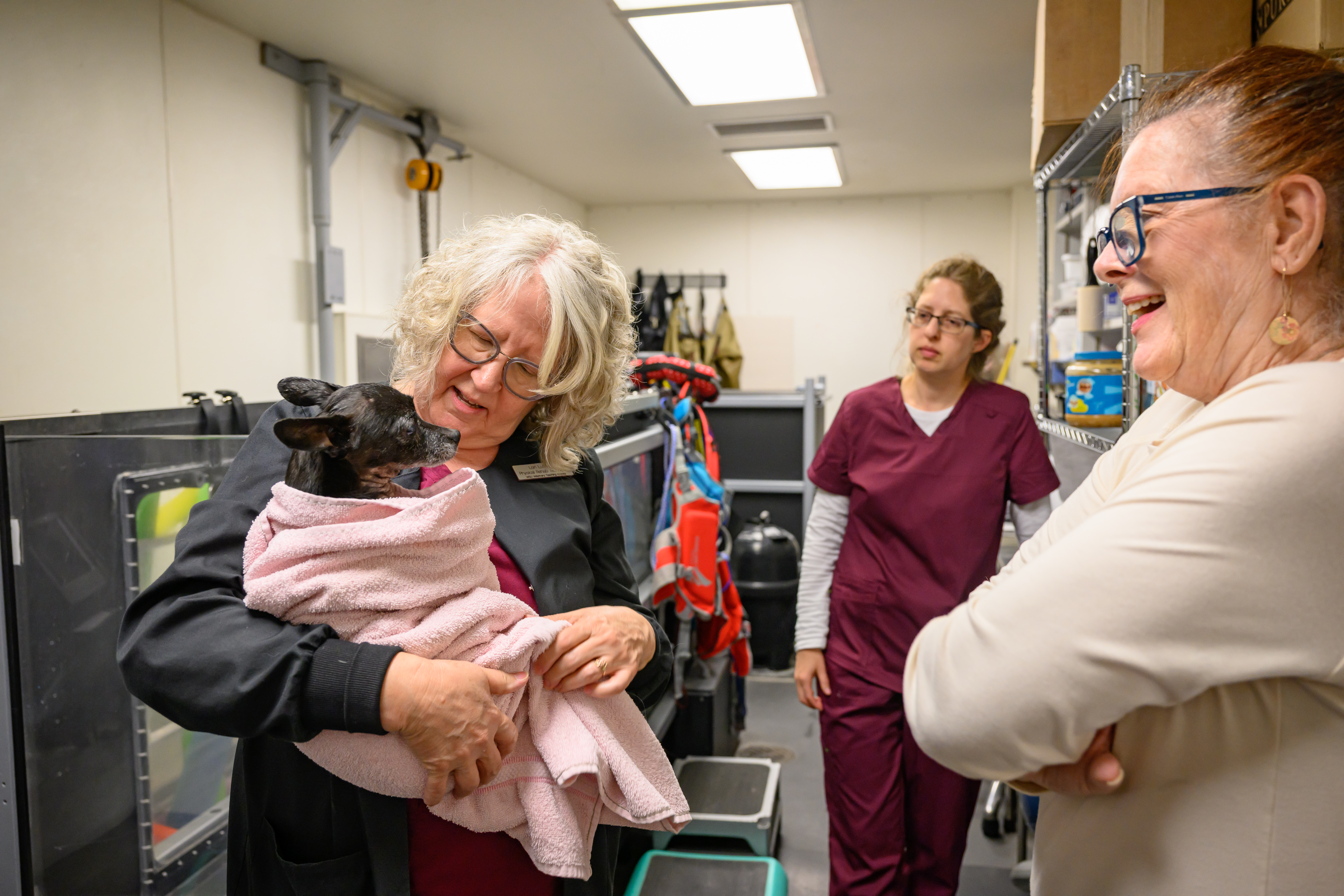
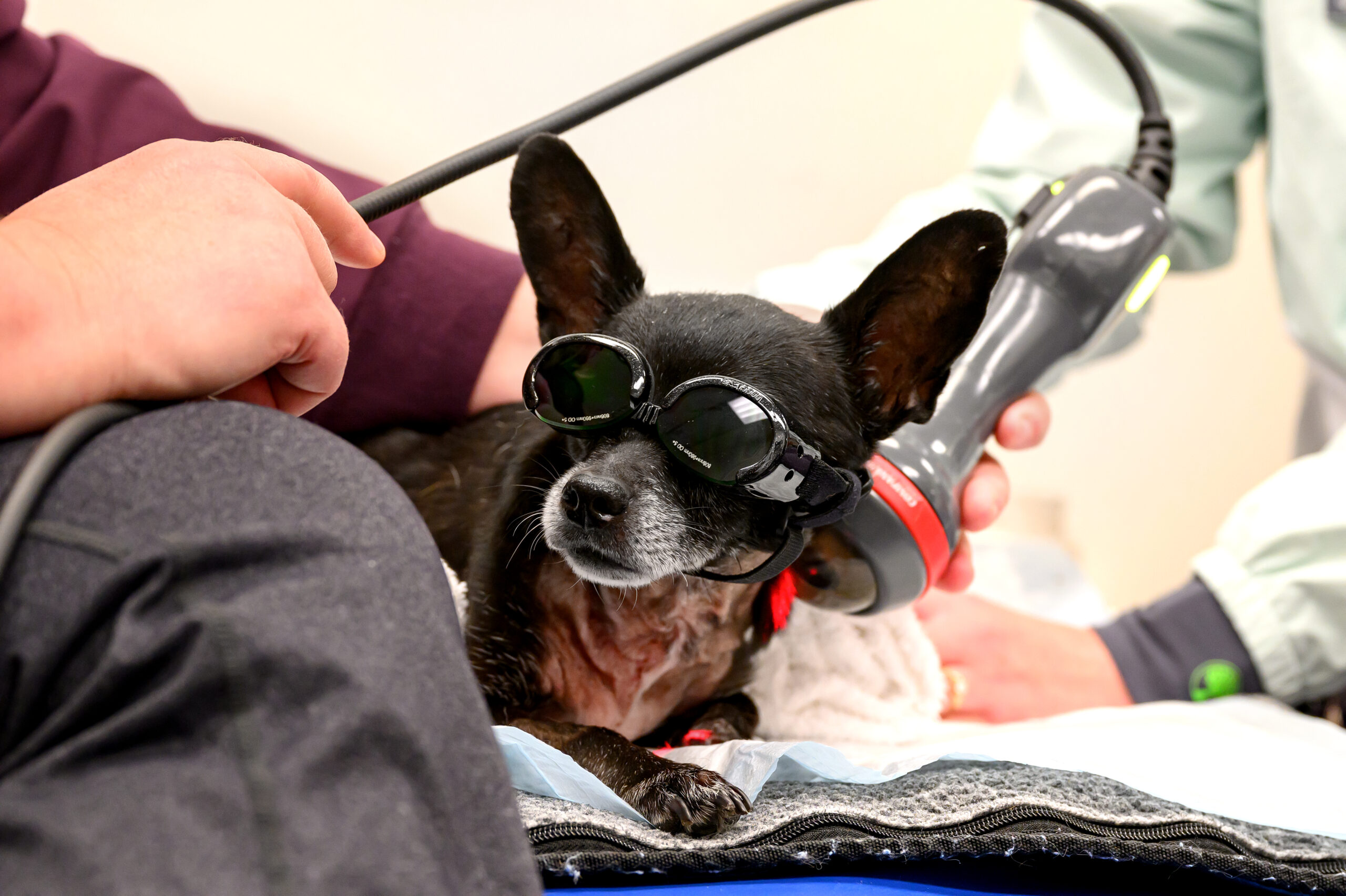
The little dog is undergoing weekly rehabilitation in the hospital’s Integrative Medicine department. Therapies offered there include an underwater treadmill, massage and pain management, as well as complementary treatments like acupuncture and Chinese herbal therapies.
Integrative medicine is a growing field in veterinary care, said Jessica Bunch, a veterinarian and associate professor at the WSU College of Veterinary Medicine.
“If you get a knee replacement, you’re going to have physical therapy. That’s the norm,” she said. “Why wouldn’t we want to offer the same thing to our animals?”
The menu of treatments offered at WSU’s Integrative Medicine clinic will sound familiar to anyone who’s been in physical therapy. Hands-on techniques like stretching and moving joints, electrical stimulation for pain and muscle function, and home exercises. The patients’ conditions are human-like, too: post-surgical rehab, pain management, arthritis, and soft-tissue injuries among athletes.
For little Blueberry, the first goal was managing her pain, Bunch said. Next came exercises to keep her muscles flexible as she heals. Then, hopefully, she’ll make enough progress to learn to walk again.
“We don’t know how far we’re going to get, but we’re going to hope and think that hey, we’re going to get back to a point where she can be functional,” Bunch said.
Of course I was going to bring Blueberry to Washington State University, the best in the nation to take care of her.
Kim Ferraro
Ferraro said the team at the WSU Veterinary Teaching Hospital has been realistic with her about Blueberry’s recovery, but also encouraging and upbeat.
She added that she doesn’t blame Emma Rose for Blueberry’s injury, and is simply keeping the dogs apart now.
“Blueberry is the sweetest animal I’ve ever owned,” Ferraro said. “And of course I was going to bring Blueberry to Washington State University, the best in the nation to take care of her.”

Tell Your Story
Rehab isn’t just for humans
Mass timber on the rise
At WSU, the animal doctors are in
Growing older, living better
WSU builds on the lessons from Covid

“We worry so you don’t have to”
Robotic gripper could offer a helping hand in the apple orchard
Health for the whole person
Students help solve salmon puzzle

Murrow News Fellowship puts more local reporters on the beat
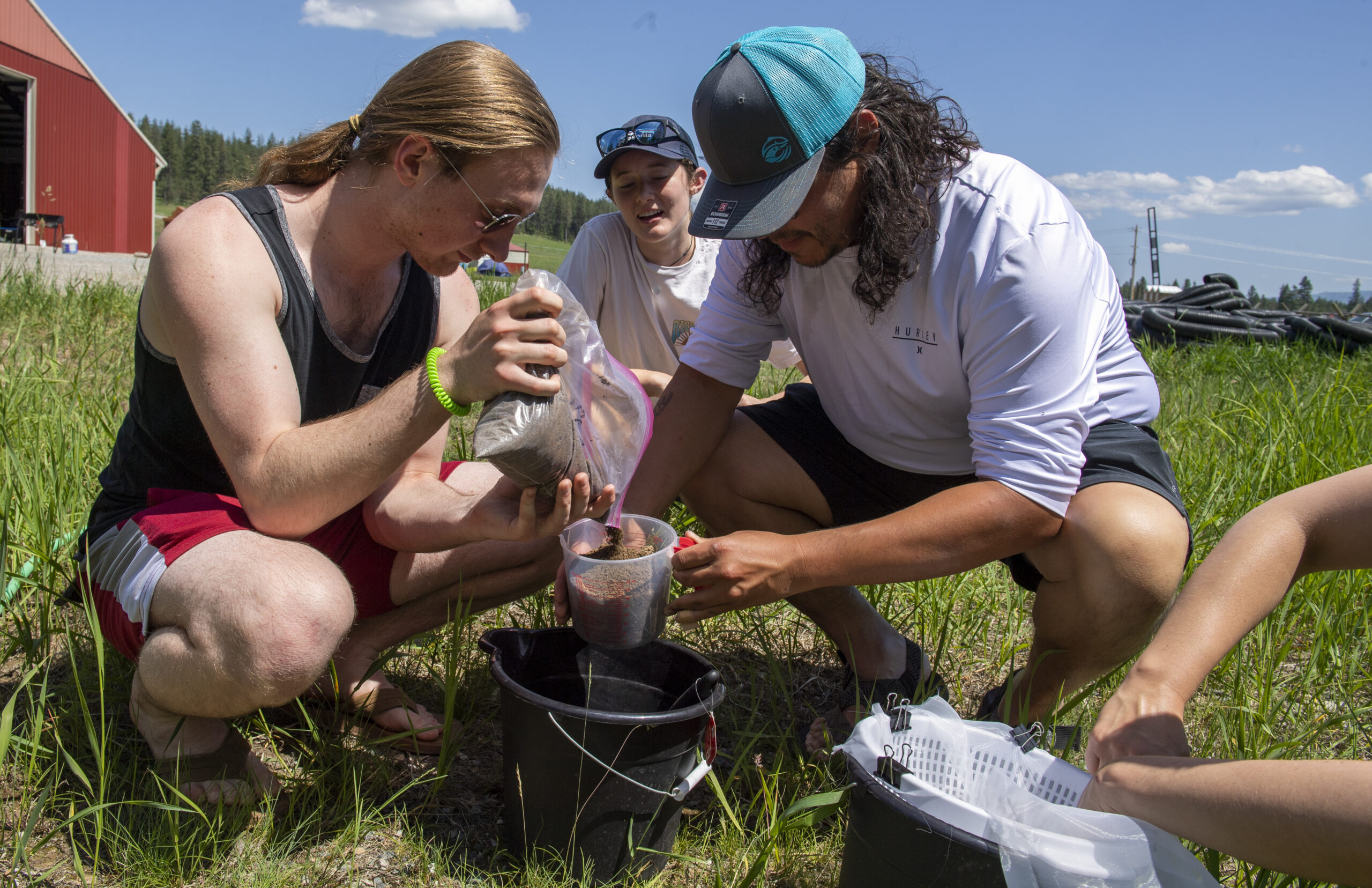
Partners in the field

WSU grizzlies put coolers to the test

Master Gardeners know all the dirt
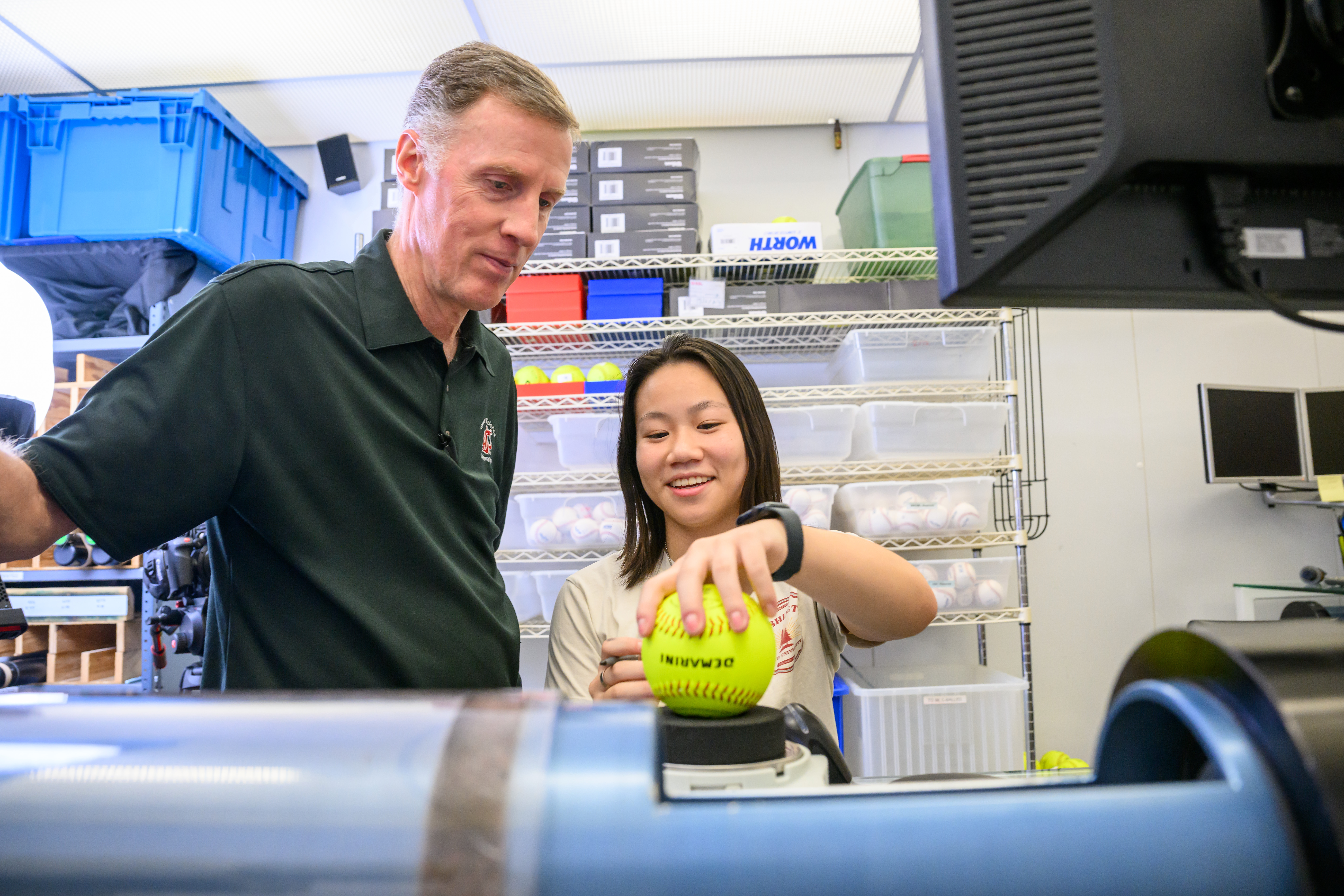
“Bat Lab” targets the science of the ballpark
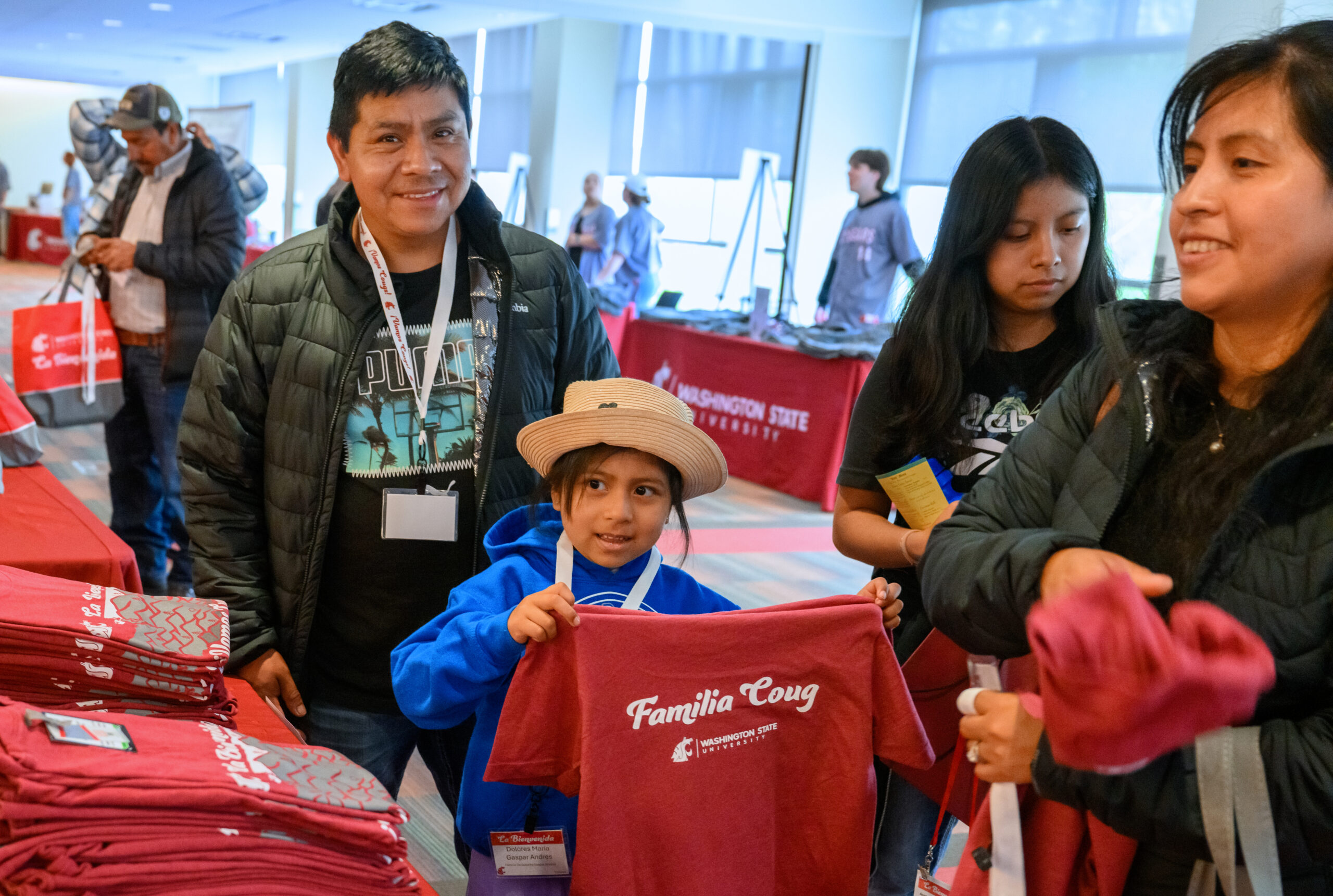
High expectations, high support for first gen
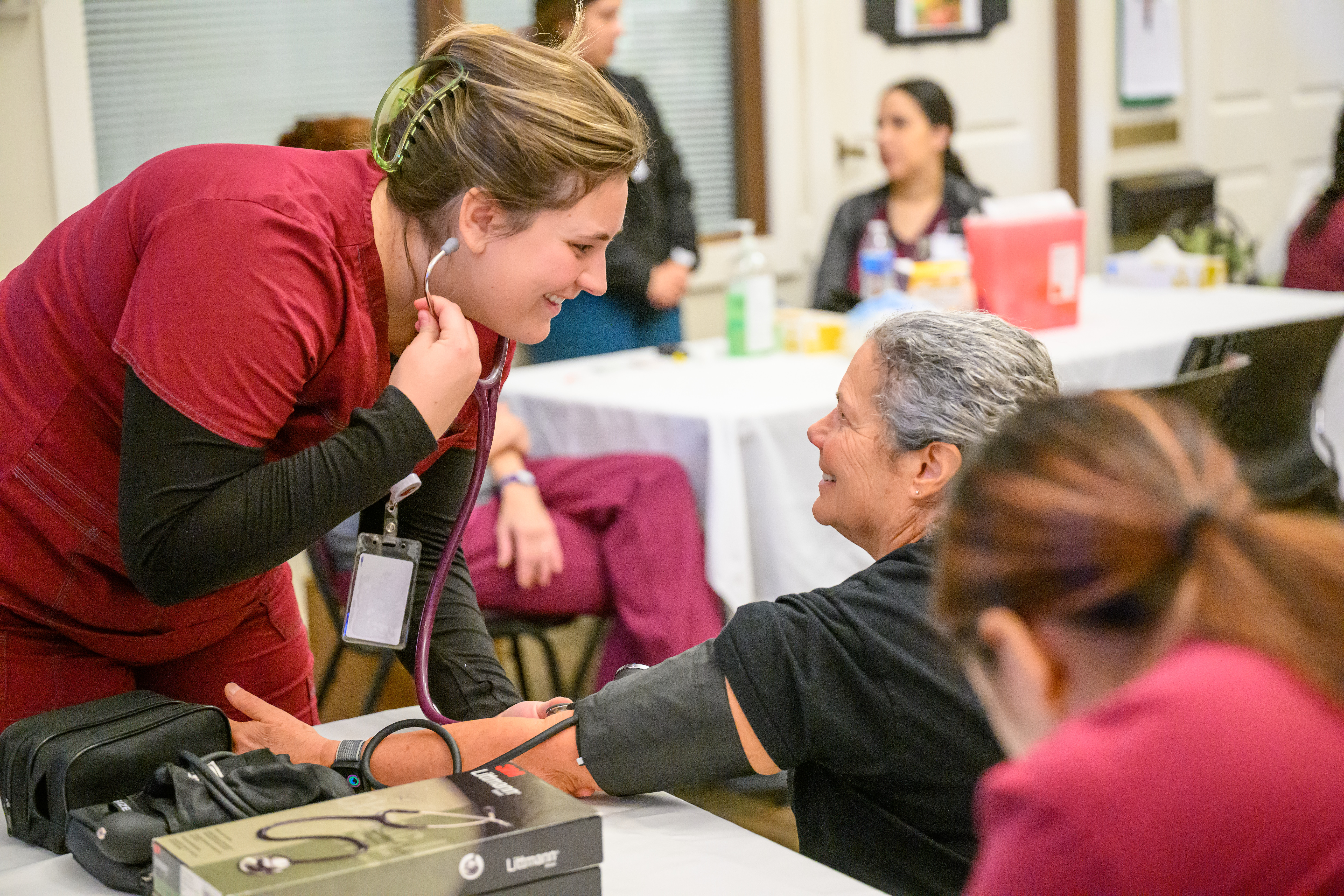
Community care is the curriculum