HERE WE GO

Rehab isn’t just for humans

WSU Veterinary Teaching Hospital offers continuum of care for animal patients.

Blueberry, a rescue chihuahua, and her sister Emma Rose, a golden retriever, got along just fine. Until they didn’t.

Out of the blue, Emma Rose went after Blueberry, leaving the small dog paralyzed. An emergency veterinarian told owner Kim Ferraro, “it’s really bad.”

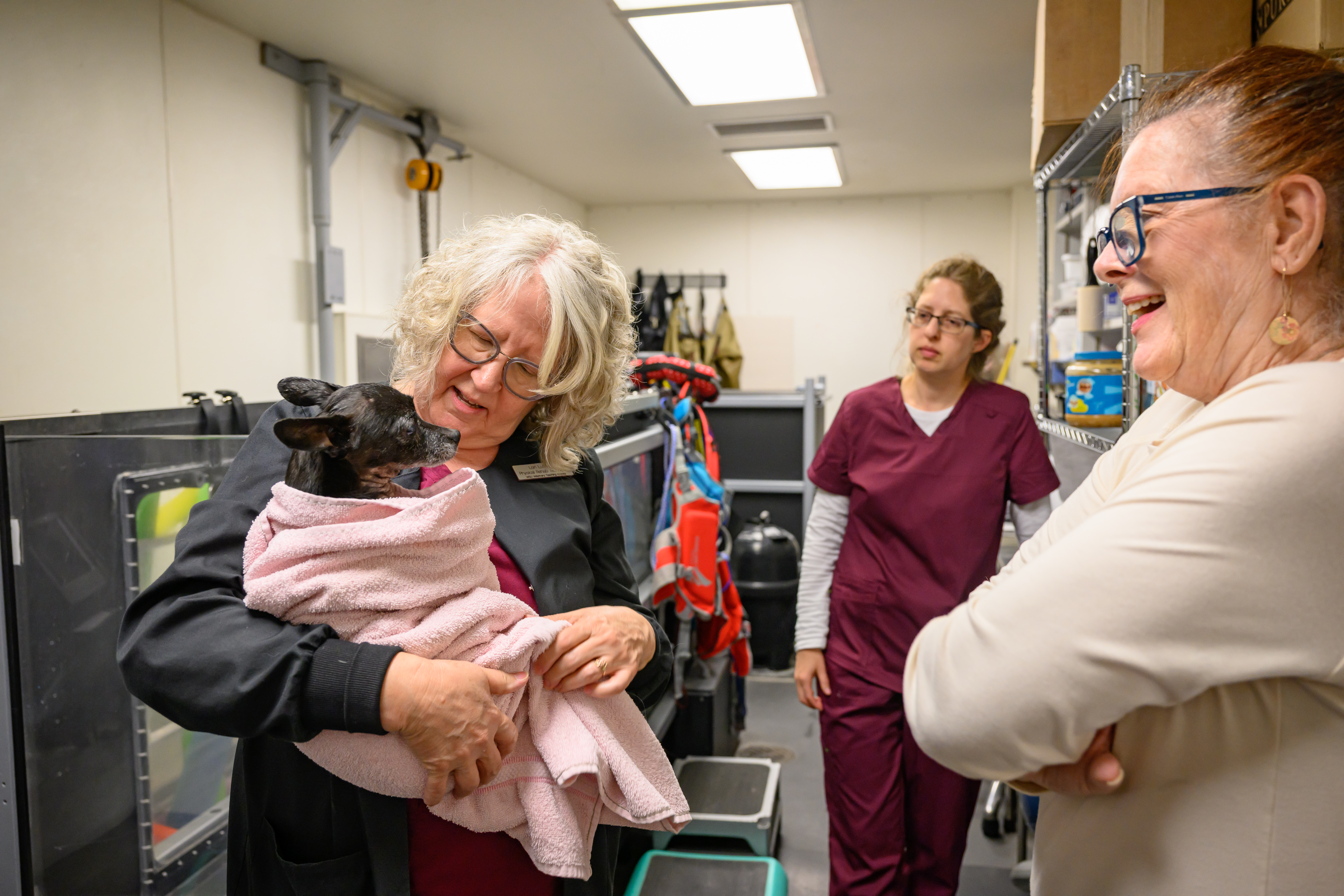
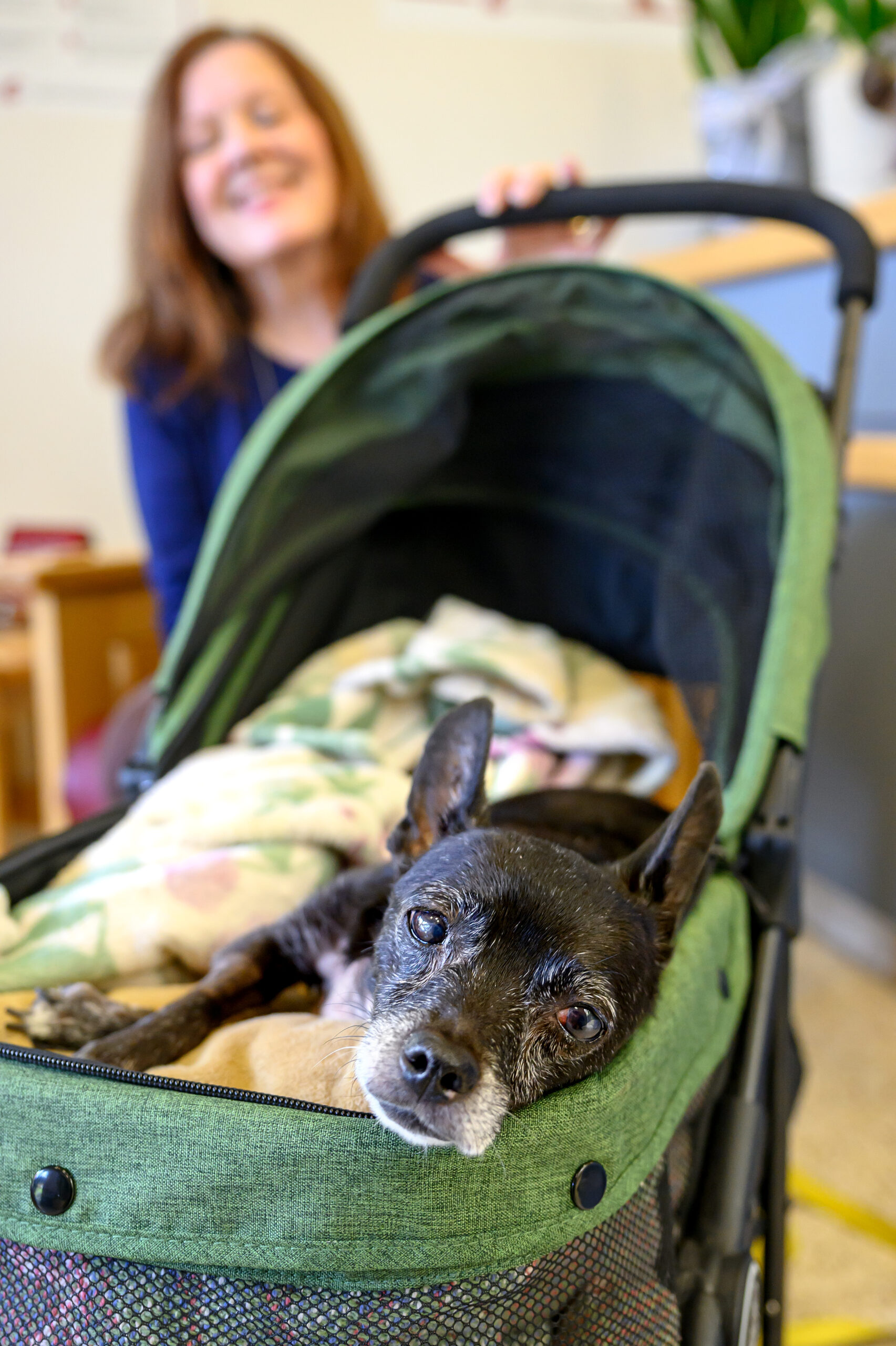
At the vet’s suggestion, Ferraro took Blueberry to the Washington State University Veterinary Teaching Hospital where she underwent successful surgery. As is often the case with human medical care, though, the surgery was just the beginning of Blueberry’s recovery. And the WSU veterinary hospital is part of that journey, too.  
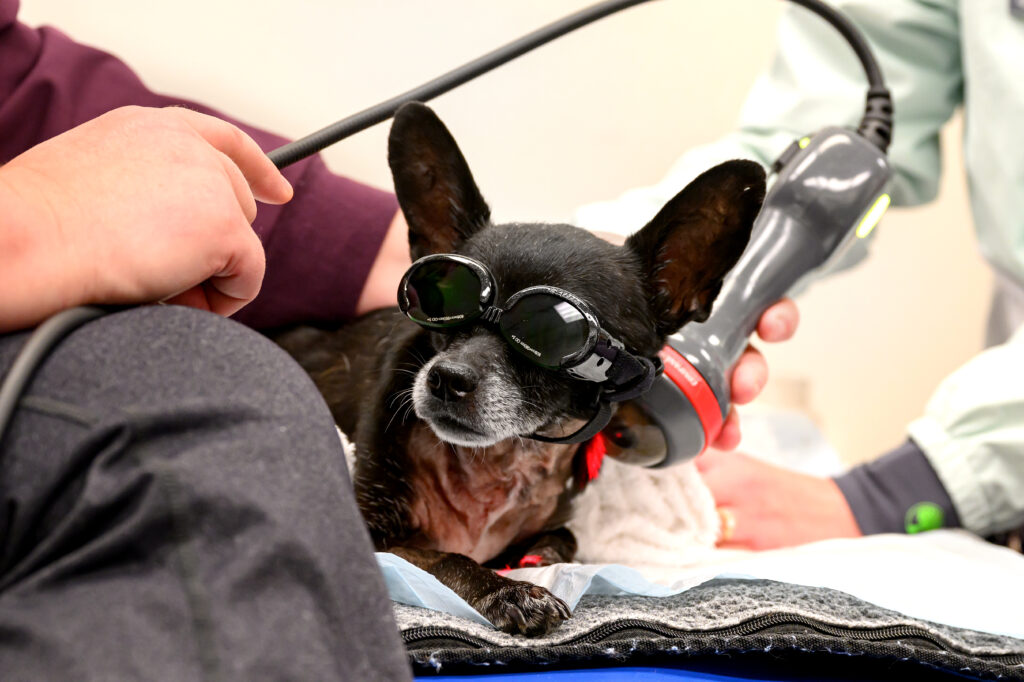
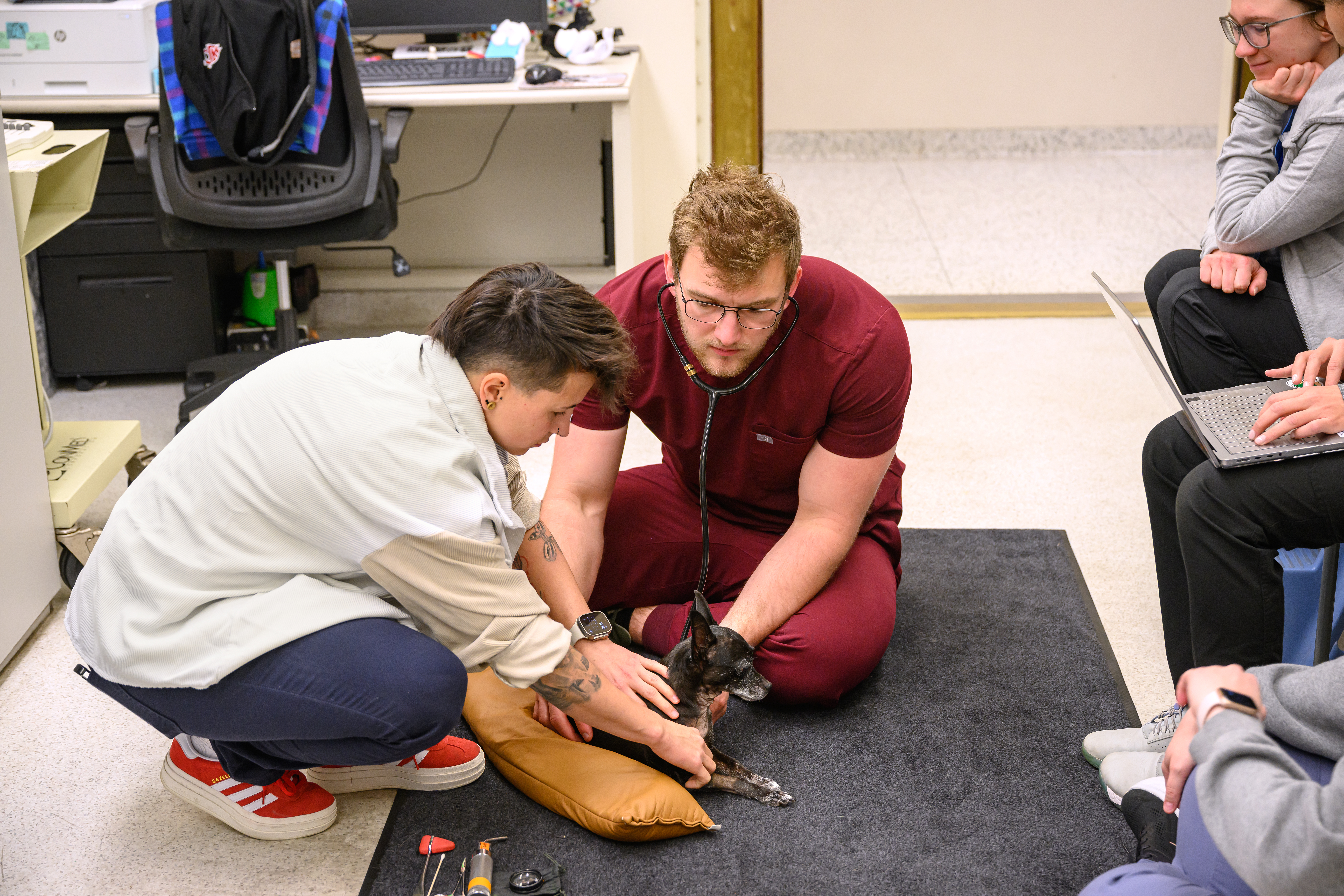
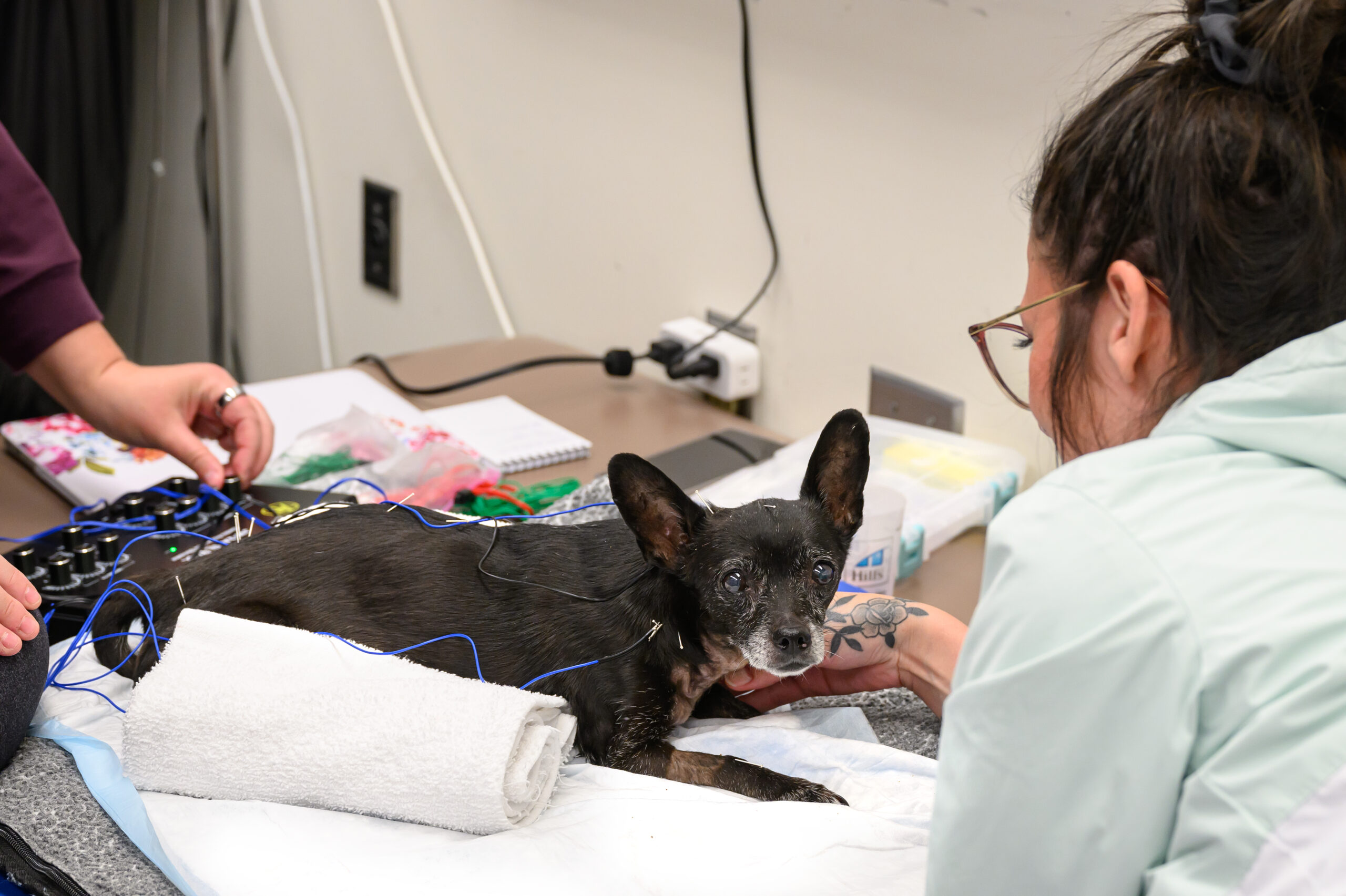
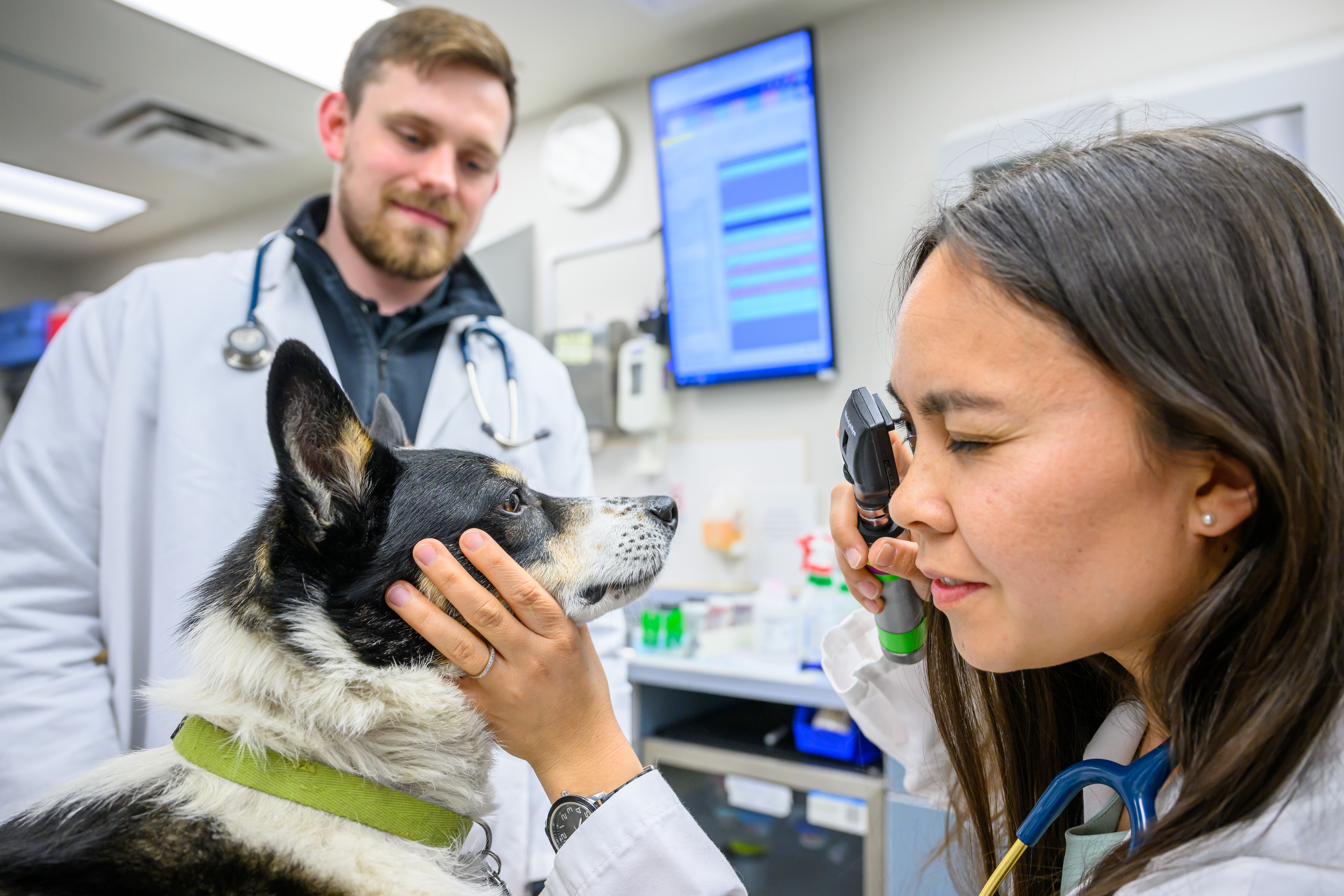
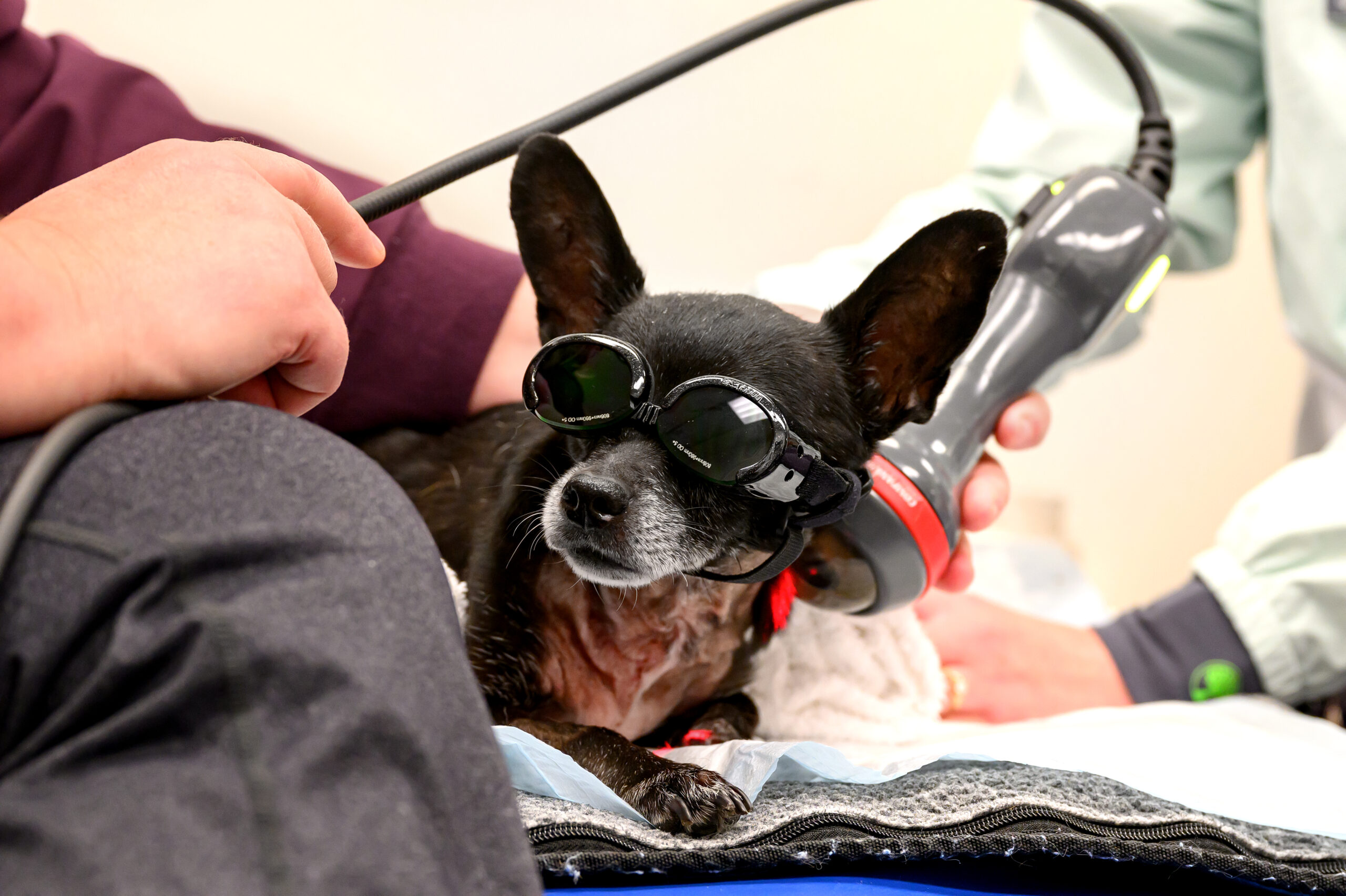
Small black dog with large upright ears wearing protective tinted goggles while a vet passes a wand instrument over her.
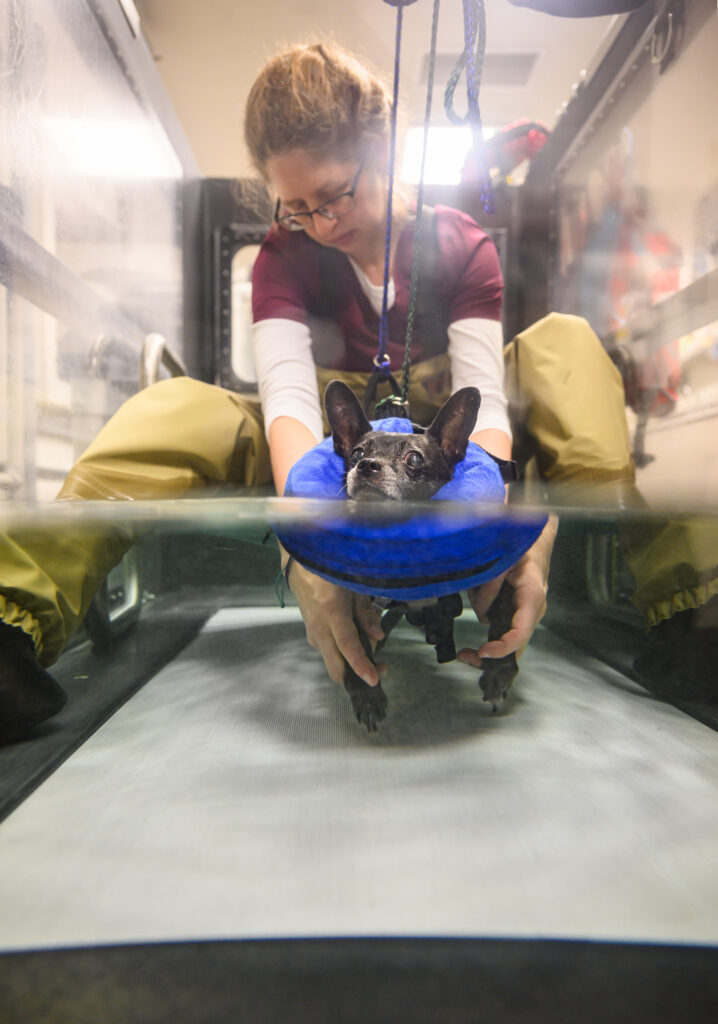
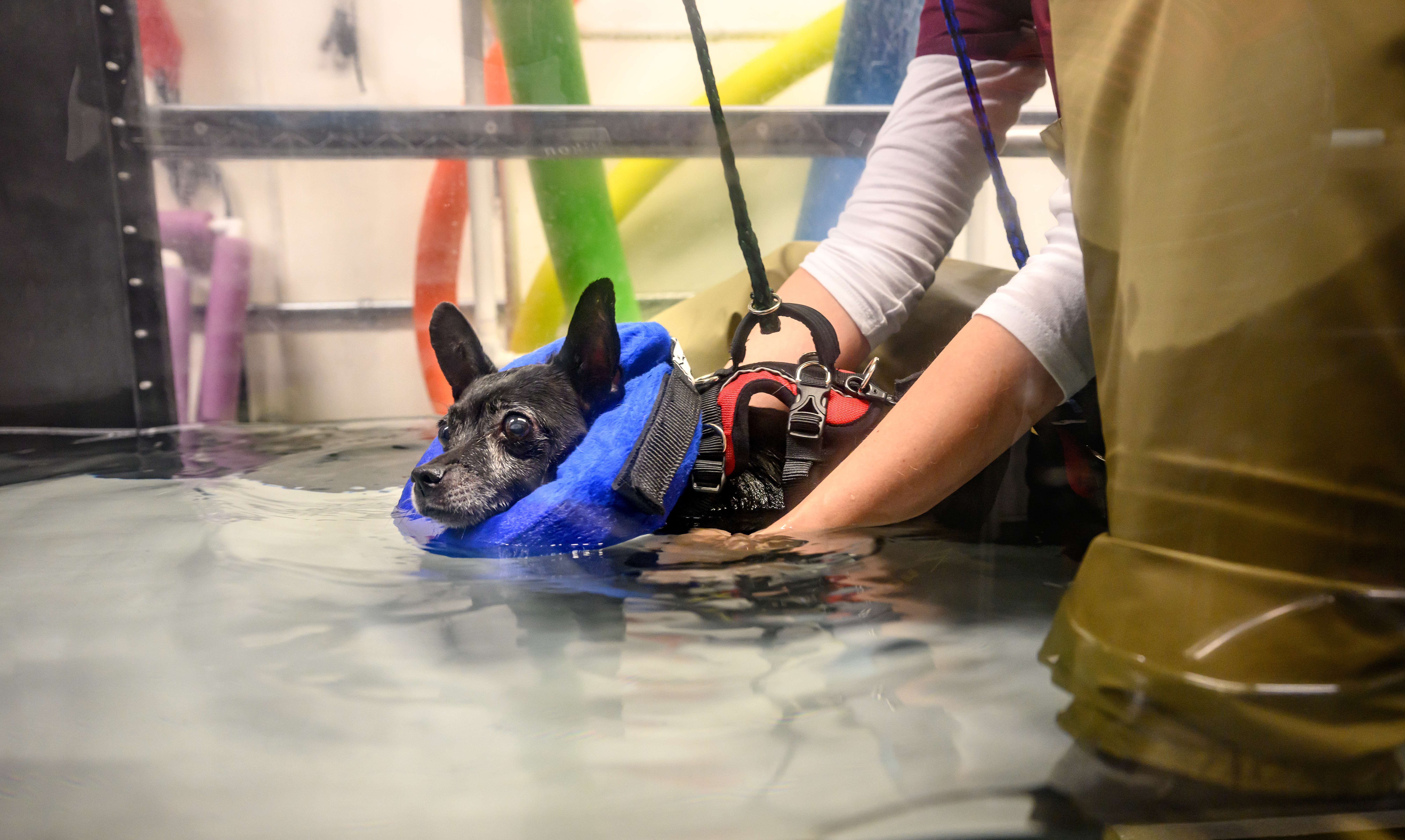
Small black dog wearing a floatation harness learning to use an underwater treadmill while a seated person helps them move their feet.

The little dog is undergoing weekly rehabilitation in the hospital’s Integrative Medicine department. Therapies offered there include an underwater treadmill, massage and pain management, as well as complementary treatments like acupuncture and Chinese herbal therapies.

Integrative medicine is a growing field in veterinary care, said Jessica Bunch, a veterinarian and associate professor at the WSU College of Veterinary Medicine.  

“If you get a knee replacement, you’re going to have physical therapy. That’s the norm,” she said. “Why wouldn’t we want to offer the same thing to our animals?”

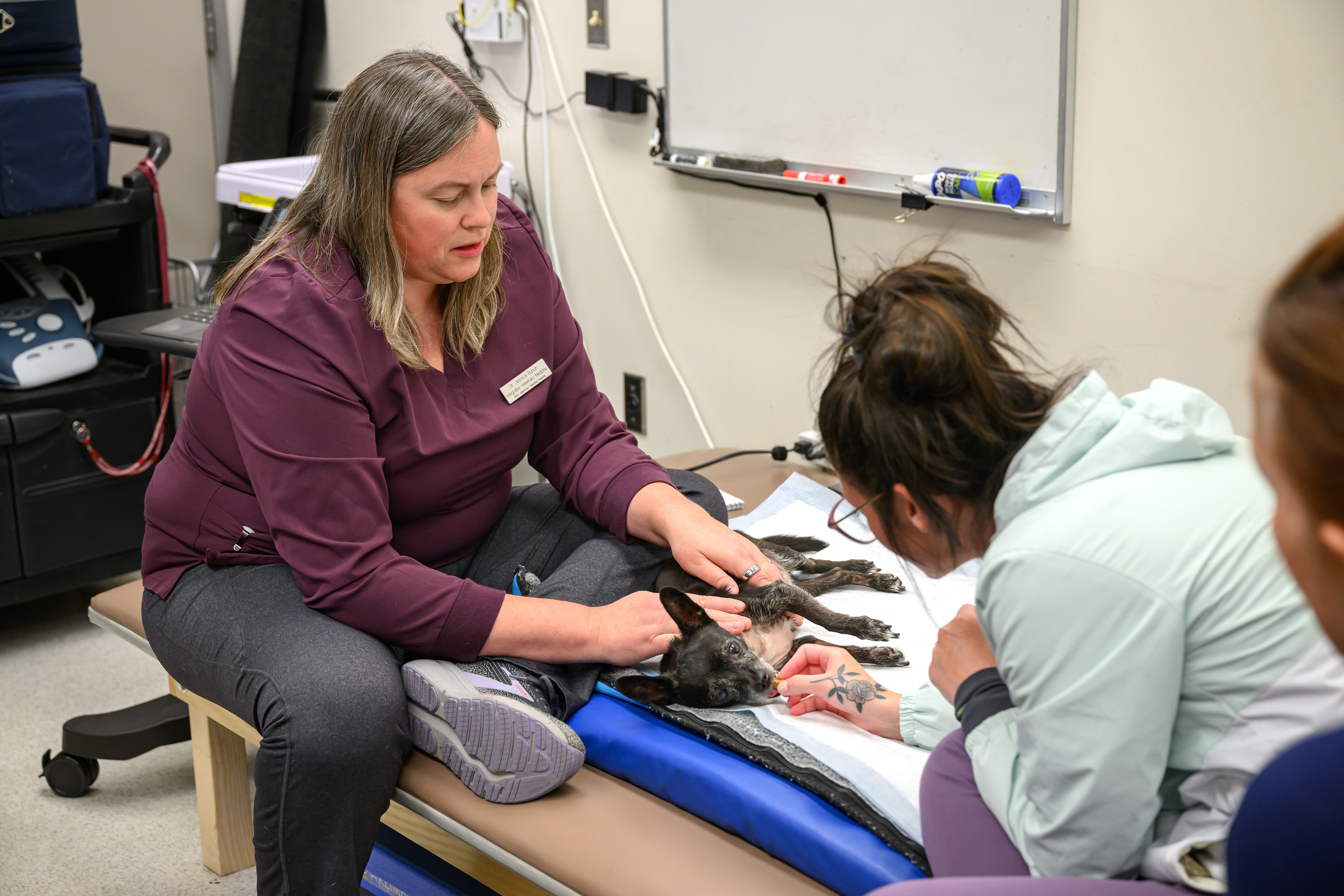
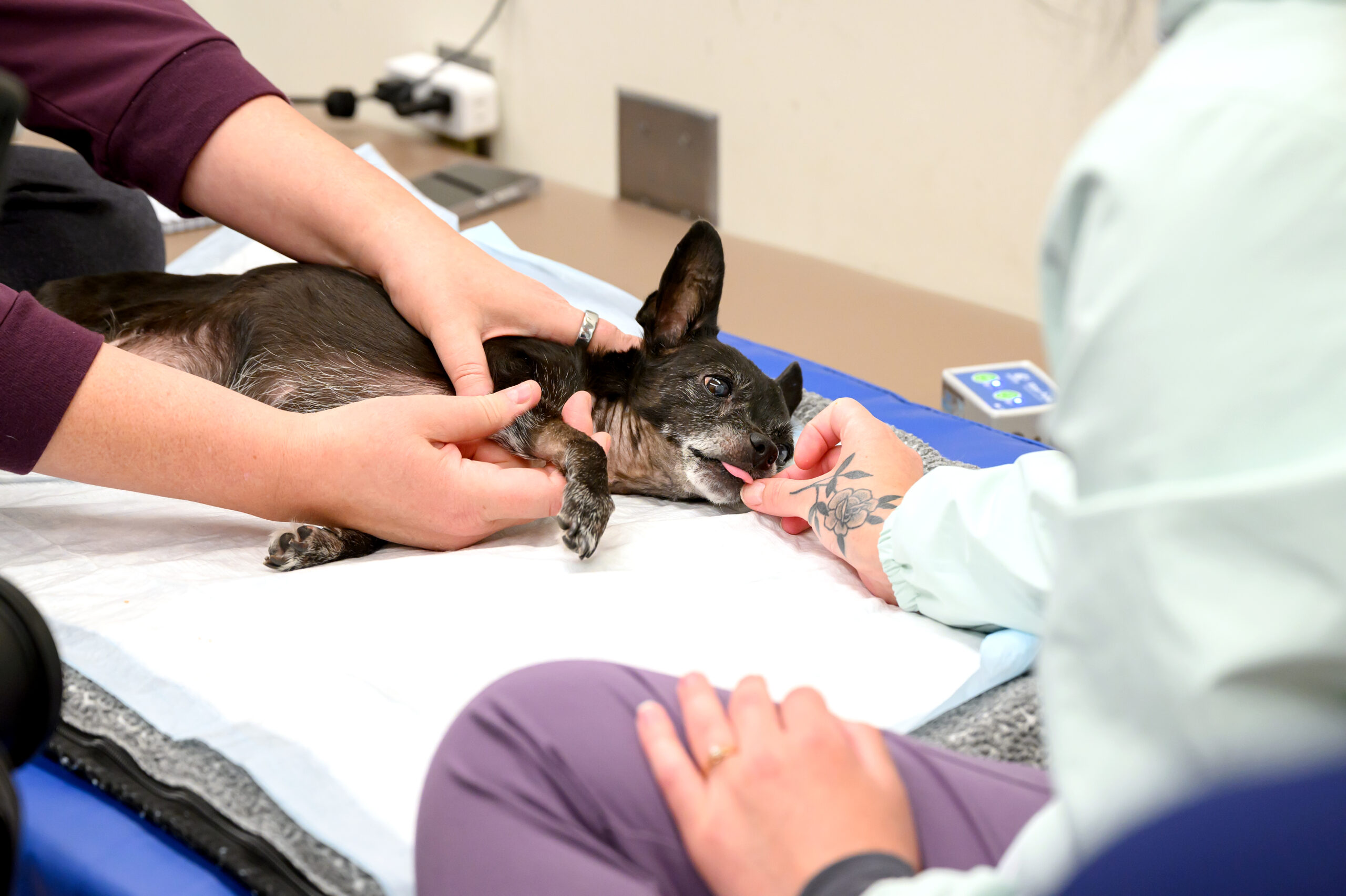
The menu of treatments offered at WSU’s Integrative Medicine clinic will sound familiar to anyone who’s been in physical therapy. Hands-on techniques like stretching and moving joints, electrical stimulation for pain and muscle function, and home exercises. The patients’ conditions are human-like, too: post-surgical rehab, pain management, arthritis, and soft-tissue injuries among athletes.

For little Blueberry, the first goal was managing her pain, Bunch said. Next came exercises to keep her muscles flexible as she heals. Then, hopefully, she’ll make enough progress to learn to walk again.

“We don’t know how far we’re going to get, but we’re going to hope and think that hey, we’re going to get back to a point where she can be functional,” Bunch said.
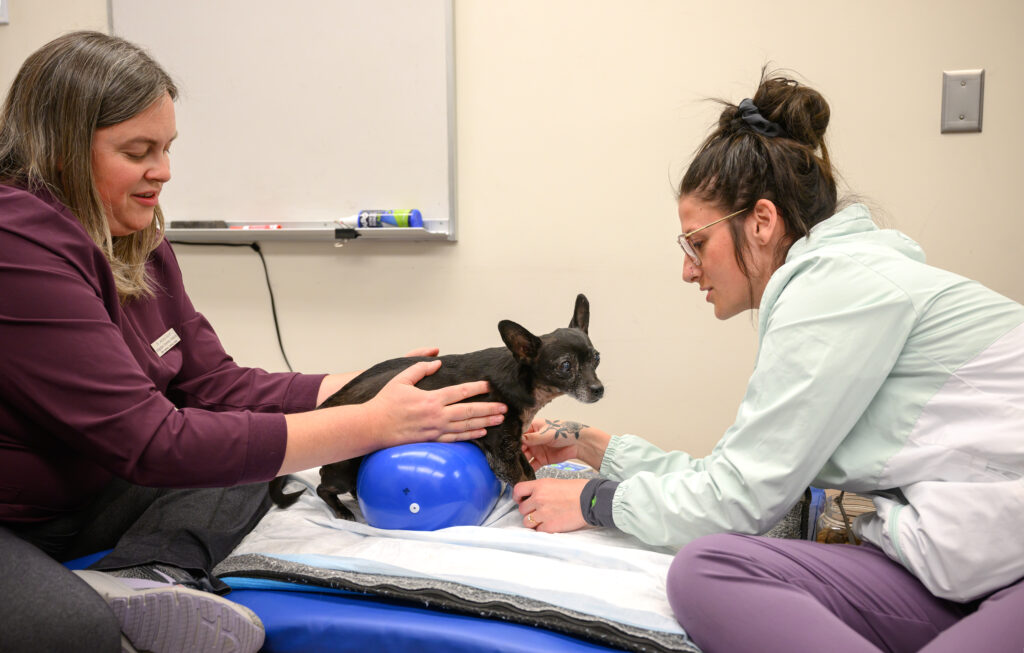
Two people help a small black dog balance on its stomach on a therapy balloon.

Of course I was going to bring Blueberry to Washington State University, the best in the nation to take care of her.

Kim Ferraro

Ferraro said the team at the WSU Veterinary Teaching Hospital has been realistic with her about Blueberry’s recovery, but also encouraging and upbeat.

She added that she doesn’t blame Emma Rose for Blueberry’s injury, and is simply keeping the dogs apart now.

“Blueberry is the sweetest animal I’ve ever owned,” Ferraro said. “And of course I was going to bring Blueberry to Washington State University, the best in the nation to take care of her.”
Tell Your Story
Small black dog with large upright ears wearing protective tinted goggles while a vet passes a wand instrument over her.

Rehab isn’t just for humans

WSU Veterinary Teaching Hospital offers continuum of care for animal patients.
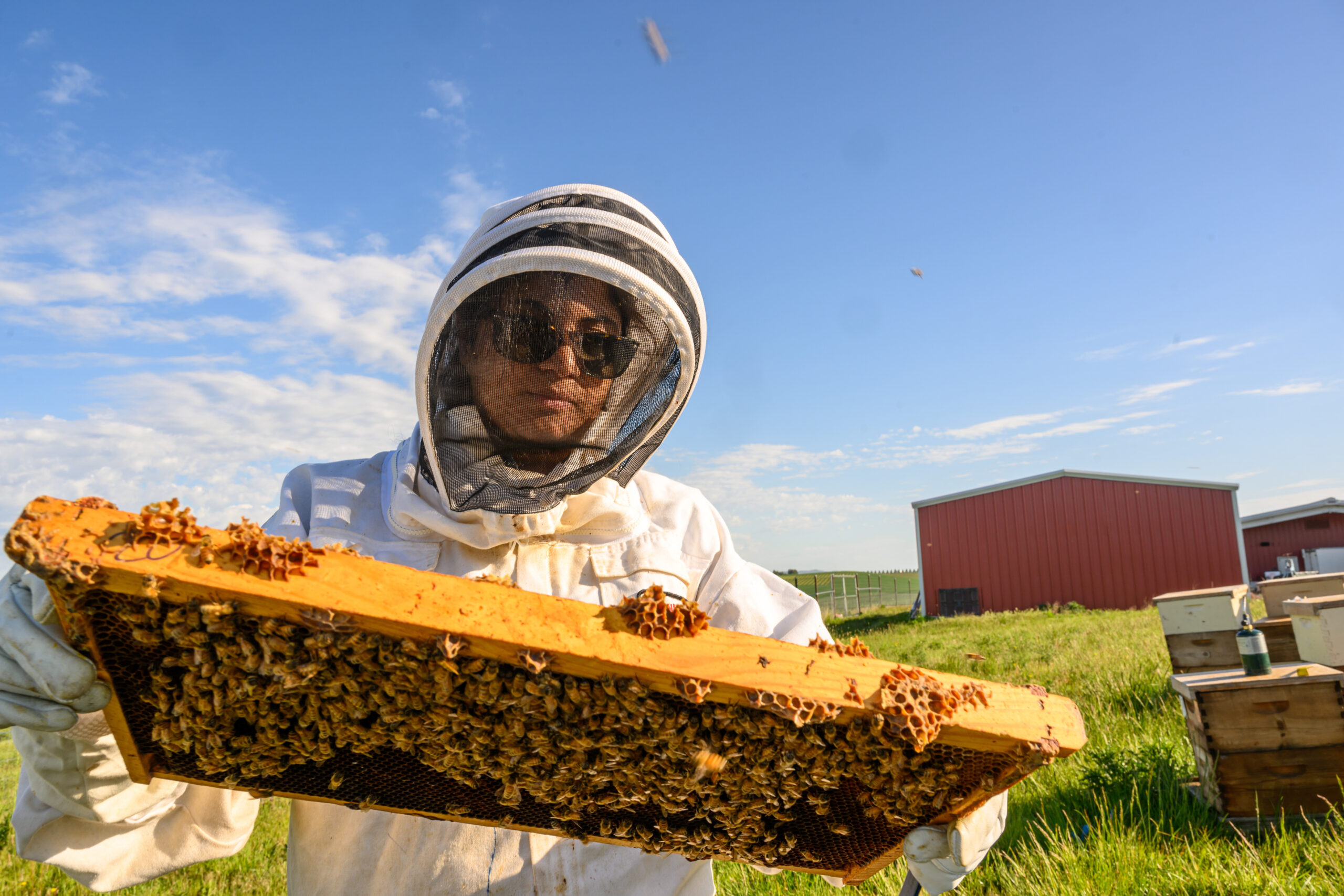
A researcher wearing a full-body protective suit, head covering, and gloves holding up a bee hive frame covered in bees.

Bees on the brink

WSU scientists are fighting to save honey bees from multiple threats.
Two people wearing safety glasses examine a long wooden beam made of glued-together boards.

Mass timber on the rise

Light, strong, and sustainable, “mass timber” is gaining traction in the United States, in part because of research and development at Washington State University.
A black-and-white dog calmly having its eyes checked by a veterinarian while another looks on.

At WSU, the animal doctors are in

Washington State University’s Veterinary Teaching Hospital cares for some 20,000 animals each year.
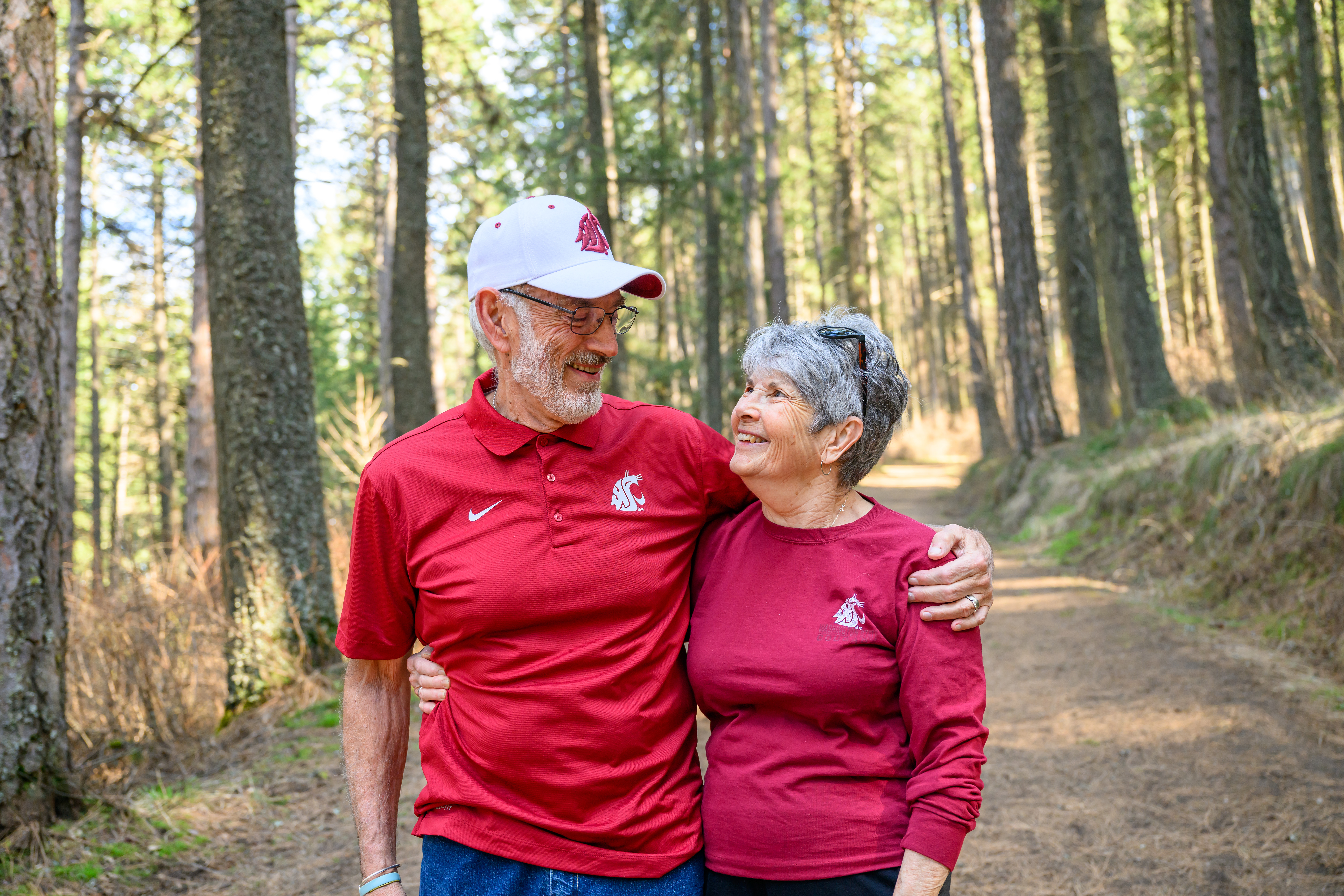
Two older adults, both wearing WSU Cougar branded shirts, smiling at each other as they walk together in the woods.

Growing older, living better

Americans are aging fast, and Washington State University is preparing for that future.
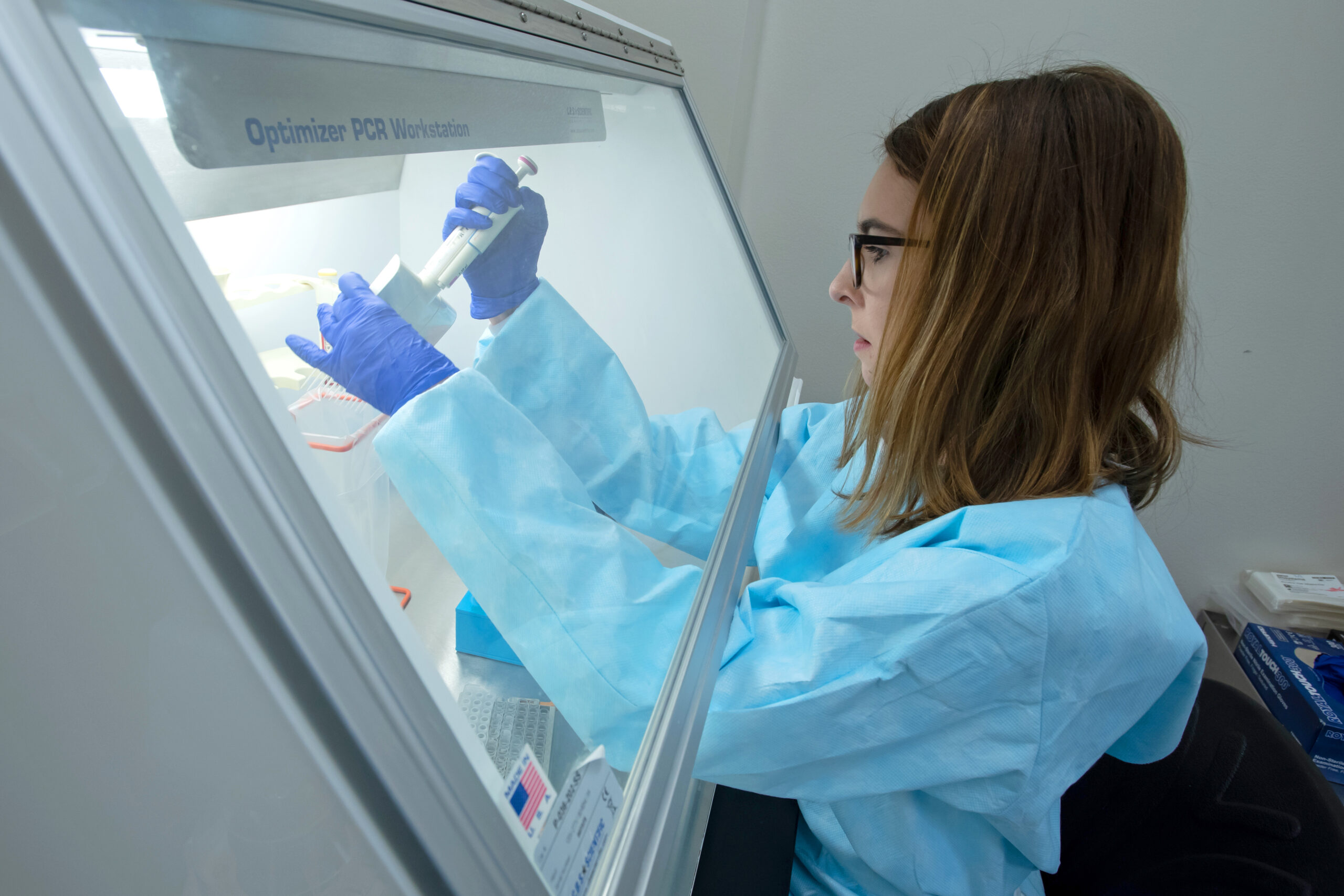
A microbiologist in blue protective equipment works at a biosafety cabinet.

WSU builds on the lessons from Covid

Everything changed when the COVID-19 pandemic swept across the world, and Washington State University was no exception.
Bearded person reading the label on a meat product while grocery shopping.

“We worry so you don’t have to”

WSU’s sophisticated laboratories and trained scientists are at the regional and national forefront of food security.
A person testing a robotic apple picking device that uses white silicone "fingers" to grip an apple.

Robotic gripper could offer a helping hand in the apple orchard
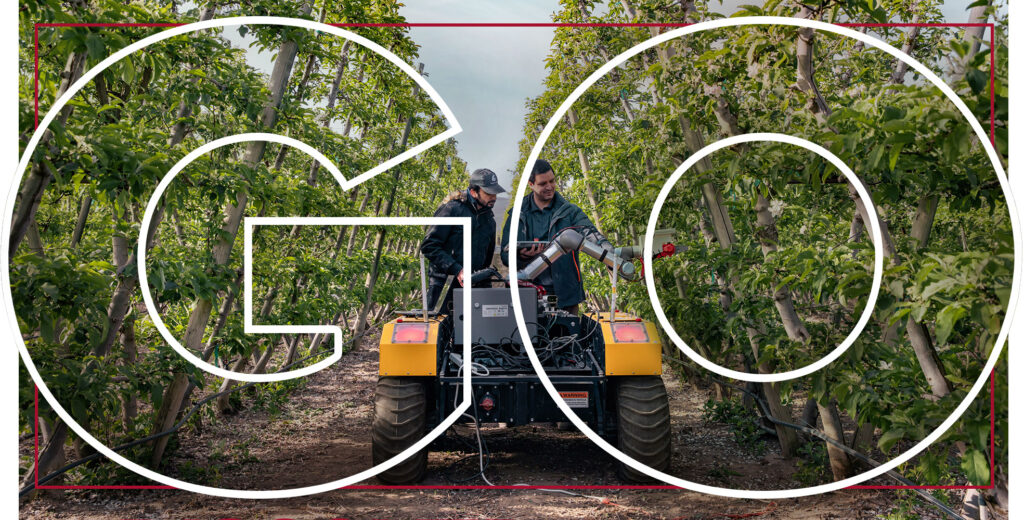
Robots could make apple-picking safer for farmworkers, by harvesting on days when there’s too much wildfire smoke to be outside, or it’s too hot.
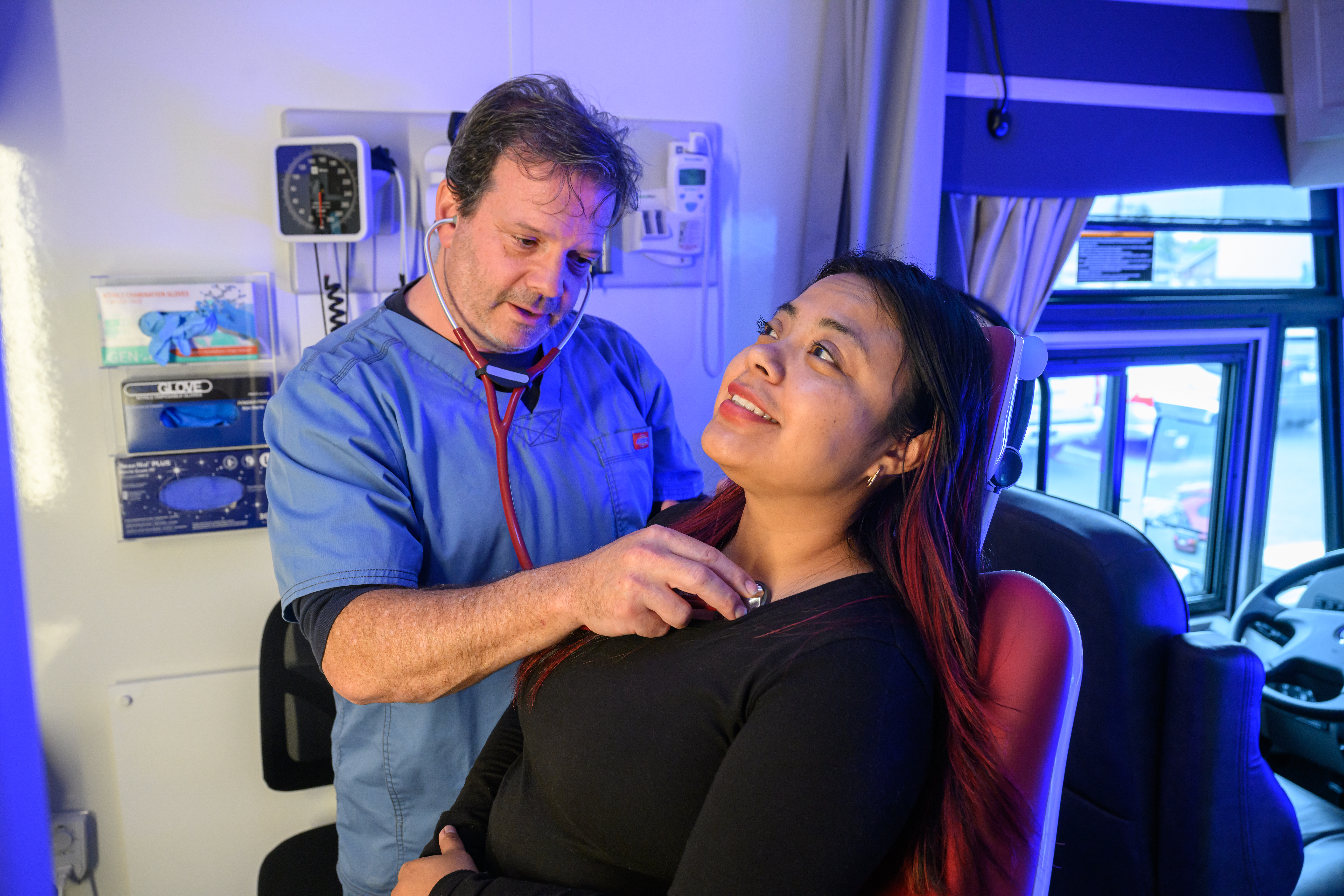
A doctor checking a person with a stethoscope in a mobile clinic.

Health for the whole person

At Washington State University, doctors, nurses, pharmacists and other health care providers learn to focus on a patient’s whole life.
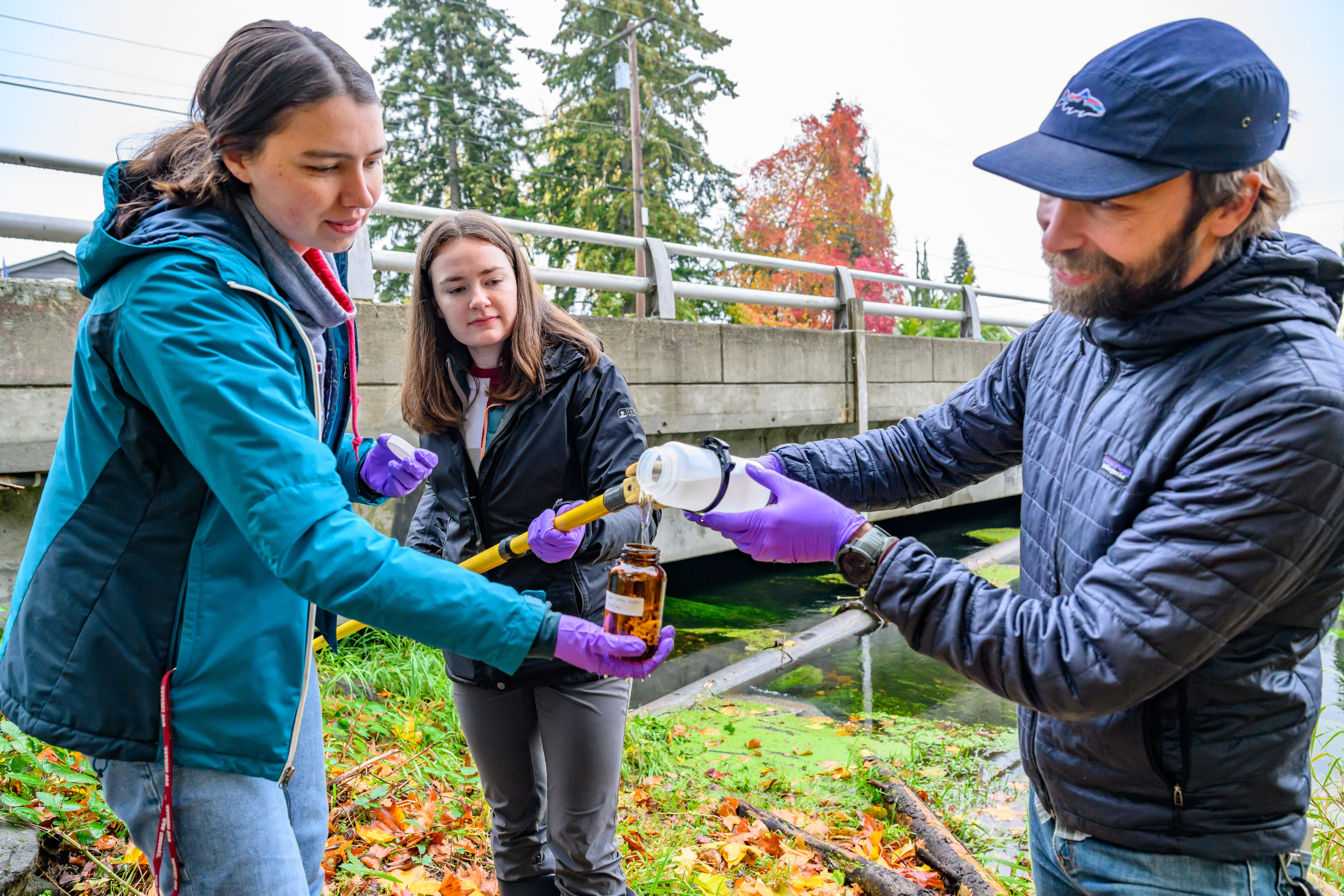
A person pouring liquid into a sample jar while another looks on.

Students help solve salmon puzzle

A team that included scientists from Washington State University learned what was killing salmon in urban streams in the Northwest.
Monica Carrillo-Casas, Murrow Fellow, reading news into a microphone.

Murrow News Fellowship puts more local reporters on the beat
WSU-led program bolsters the state’s news ecosystem.
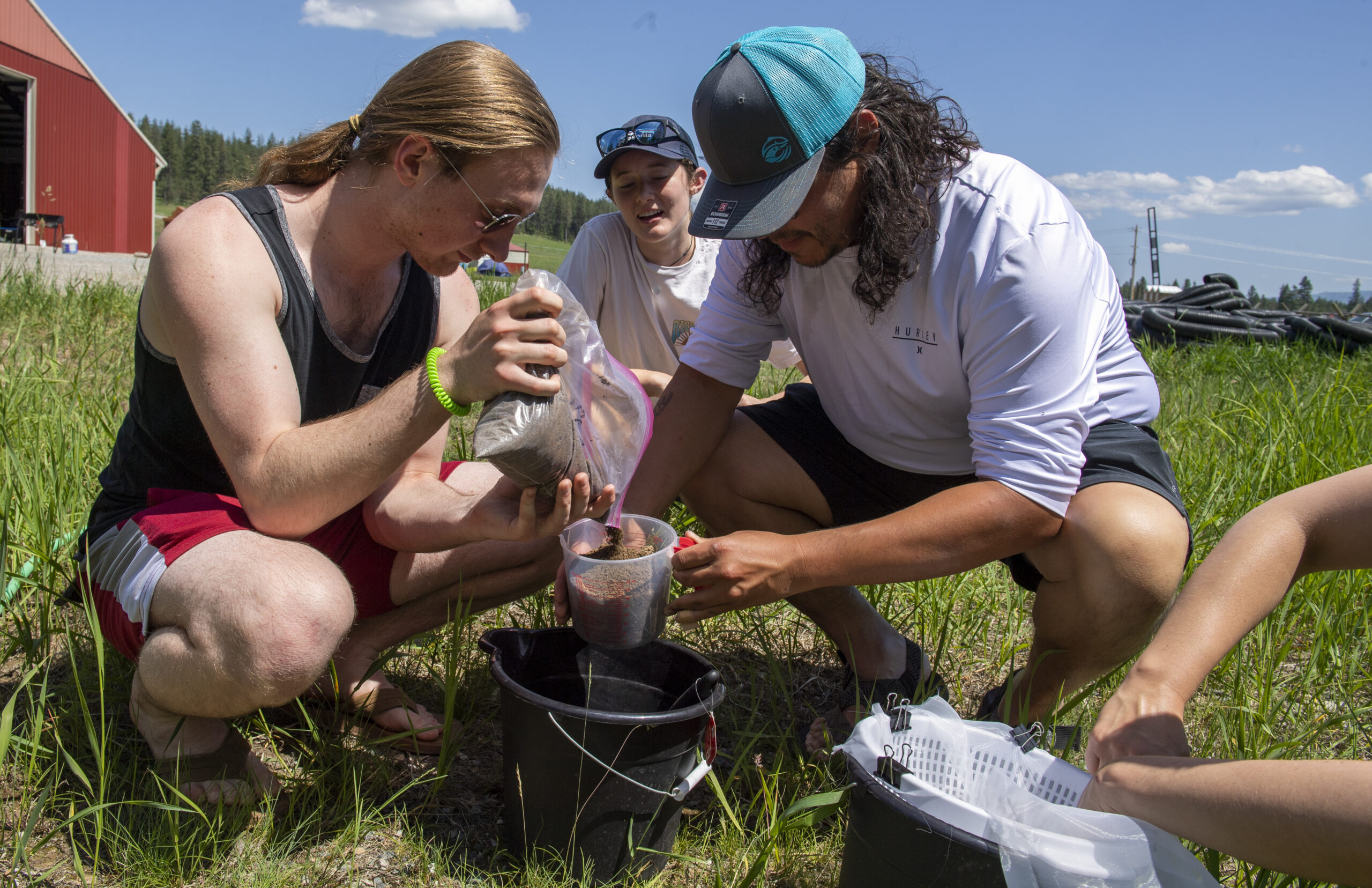
Three people working with soil samples.

Partners in the field

Building on almost a century of collaboration between Washington State University and the Kalispel Tribe.
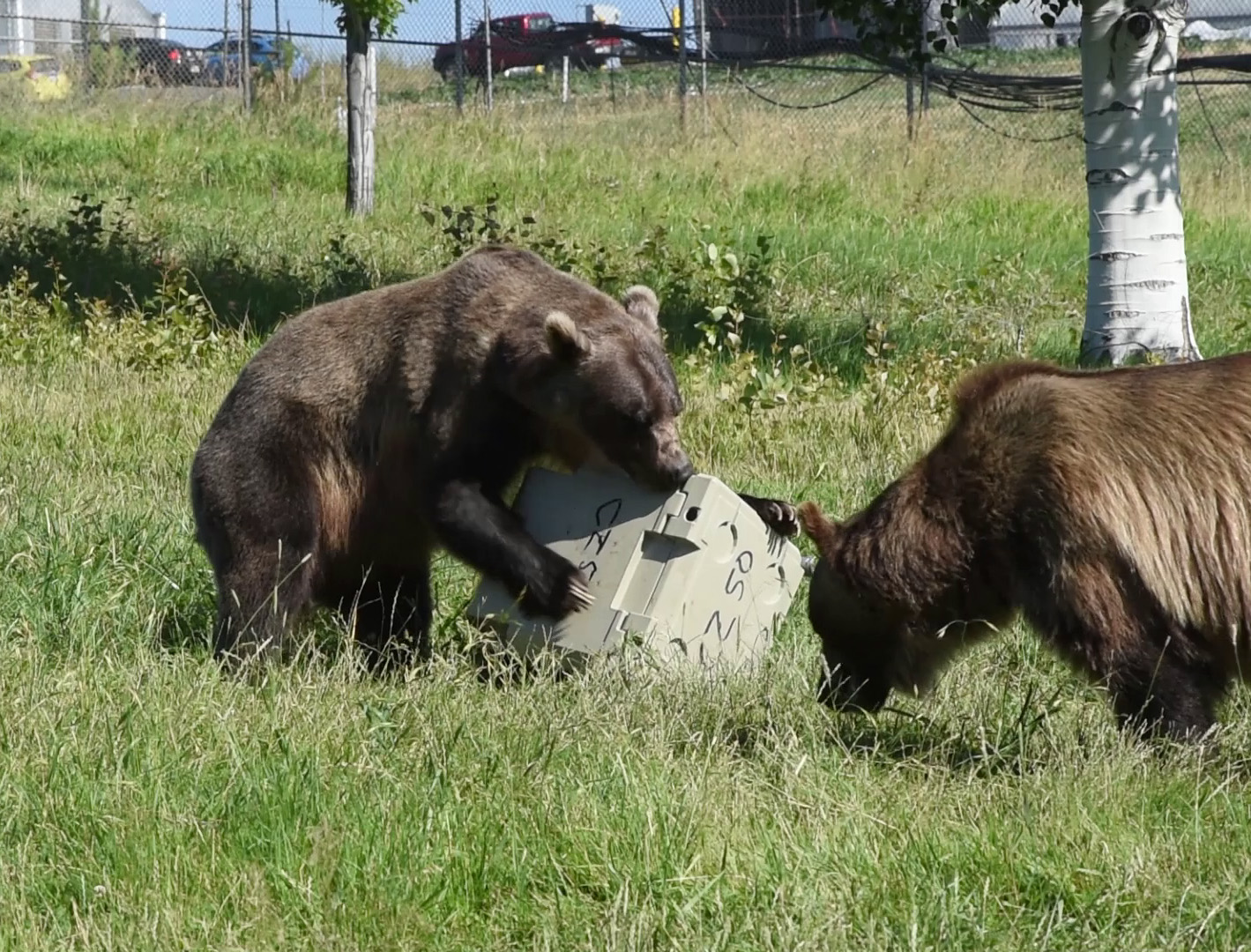
A grizzly bear rolling a cooler while another sniffs the ground nearby.

WSU grizzlies put coolers to the test

Products that survive an hour against the bears can be labeled “bear-resistant.”
A gravel path winds through flowers, trees, and other plants.

Master Gardeners know all the dirt

WSU Extension has educated the public to become garden experts for more than 50 years.
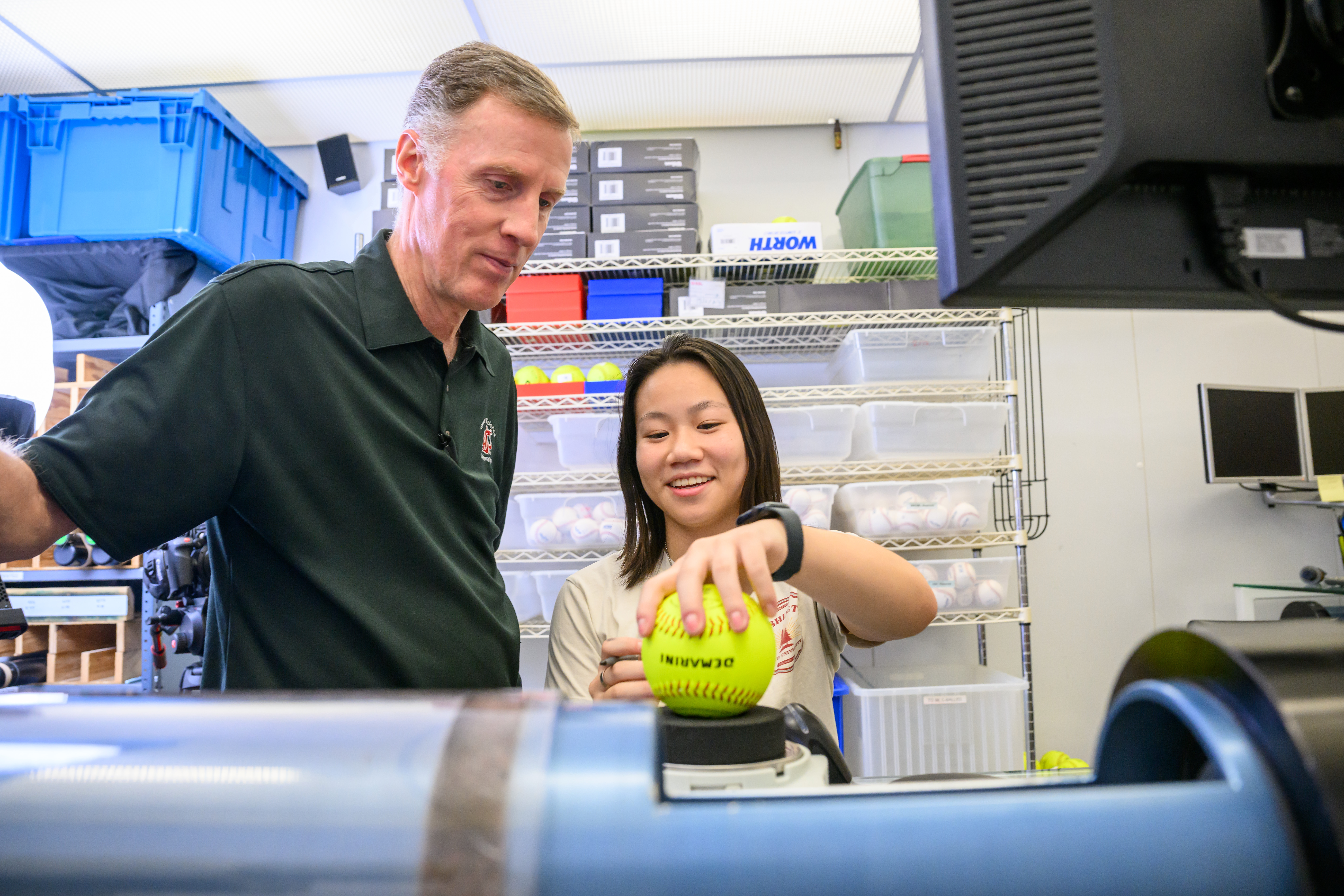
Two people testing a softball on measuring equipment.

“Bat Lab” targets the science of the ballpark
At Washington State University’s Sports Science Laboratory, the crack of a bat against a ball is the sound of science.
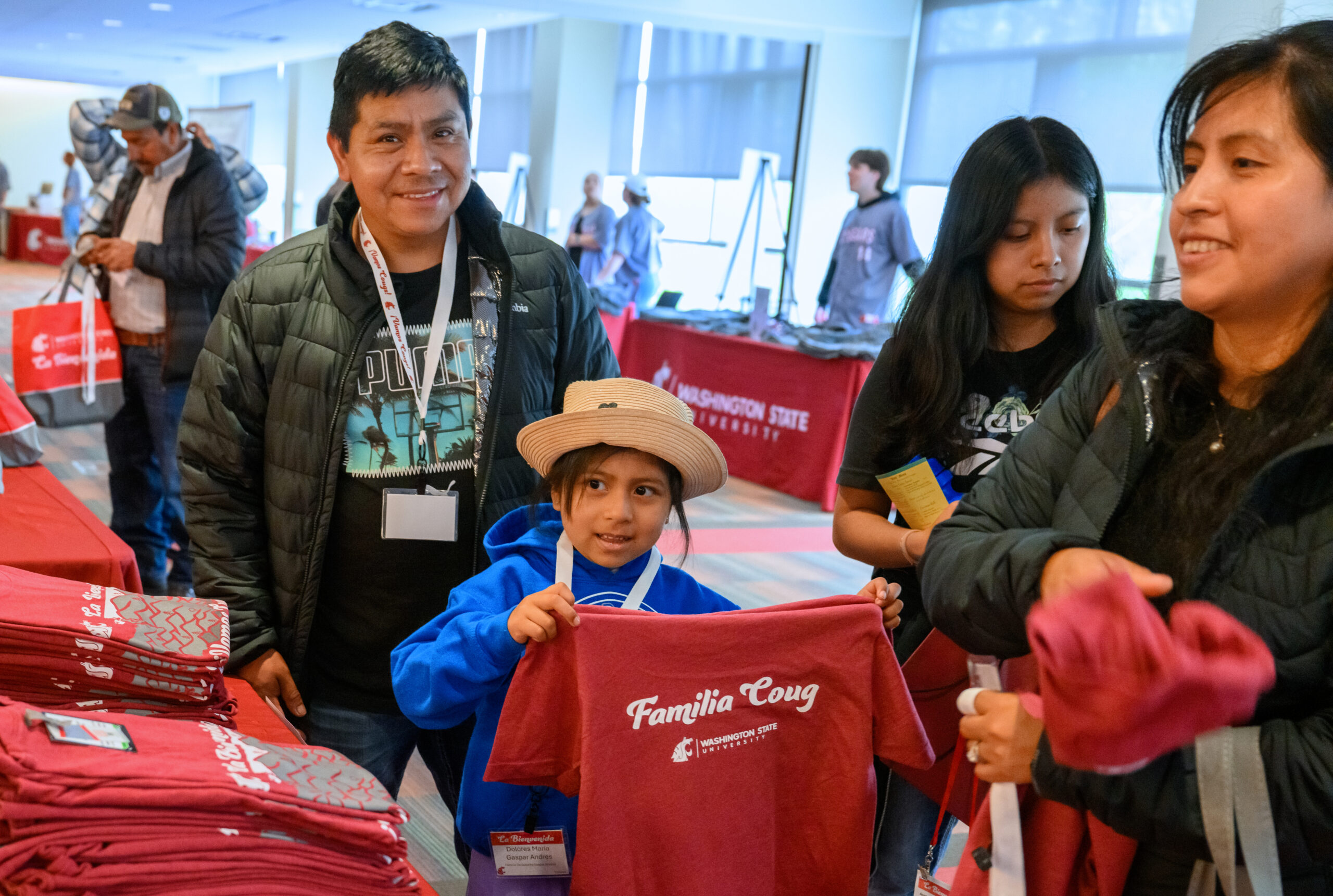
Child holding up familia coug shirt at New Coug Orientation.

High expectations, high support for first gen
Innovative programs help first-gen students at WSU navigate their path to success.
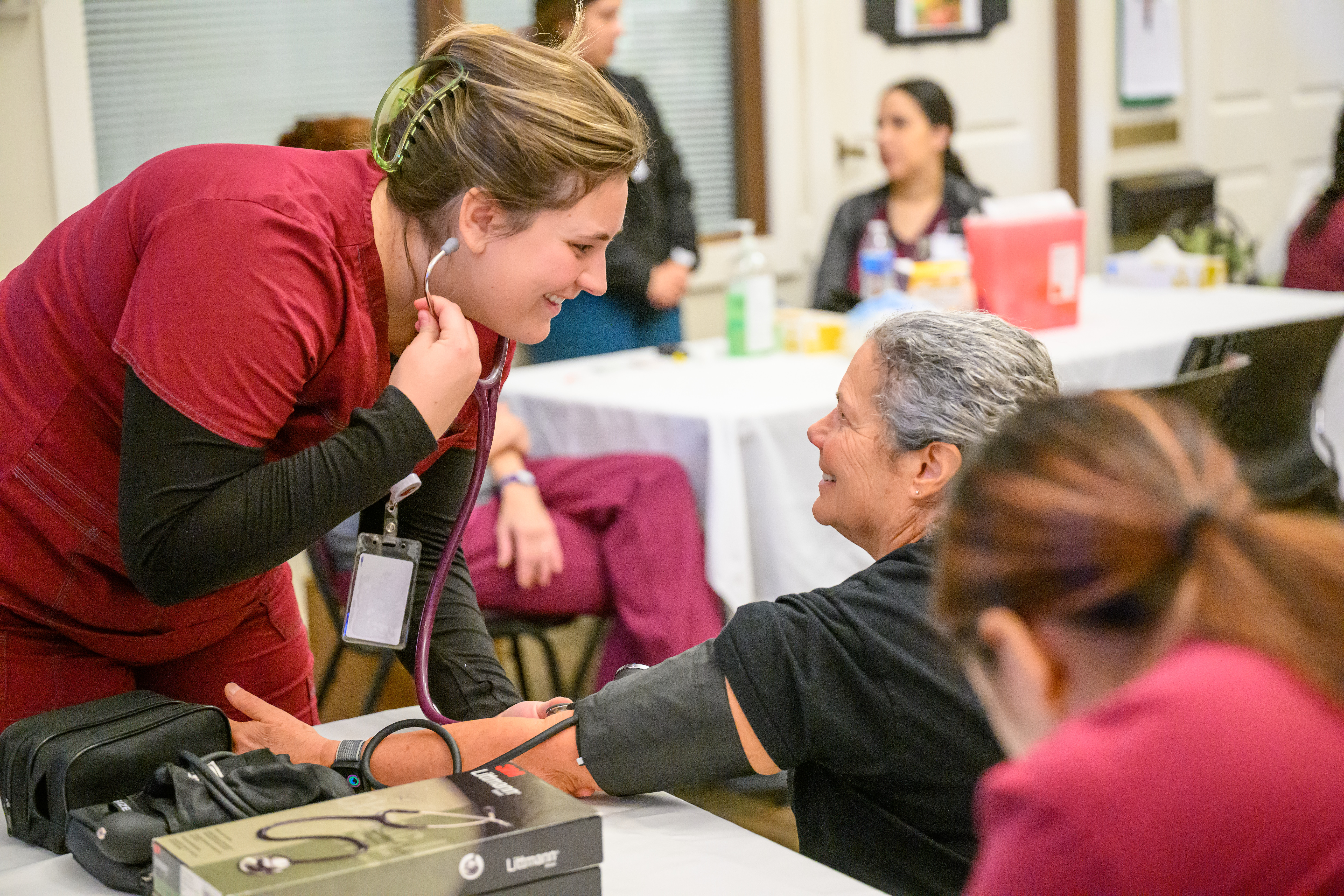
Medical student checking a patient with a stethoscope.

Community care is the curriculum

Medicine, nursing and pharmacy students at WSU deliver care in community settings across the state.
Medical person giving a shot to a child.

WSU on the ground in East Africa

Infectious disease experts identify and track emerging viruses before they can spread, and bring new approaches to old diseases.