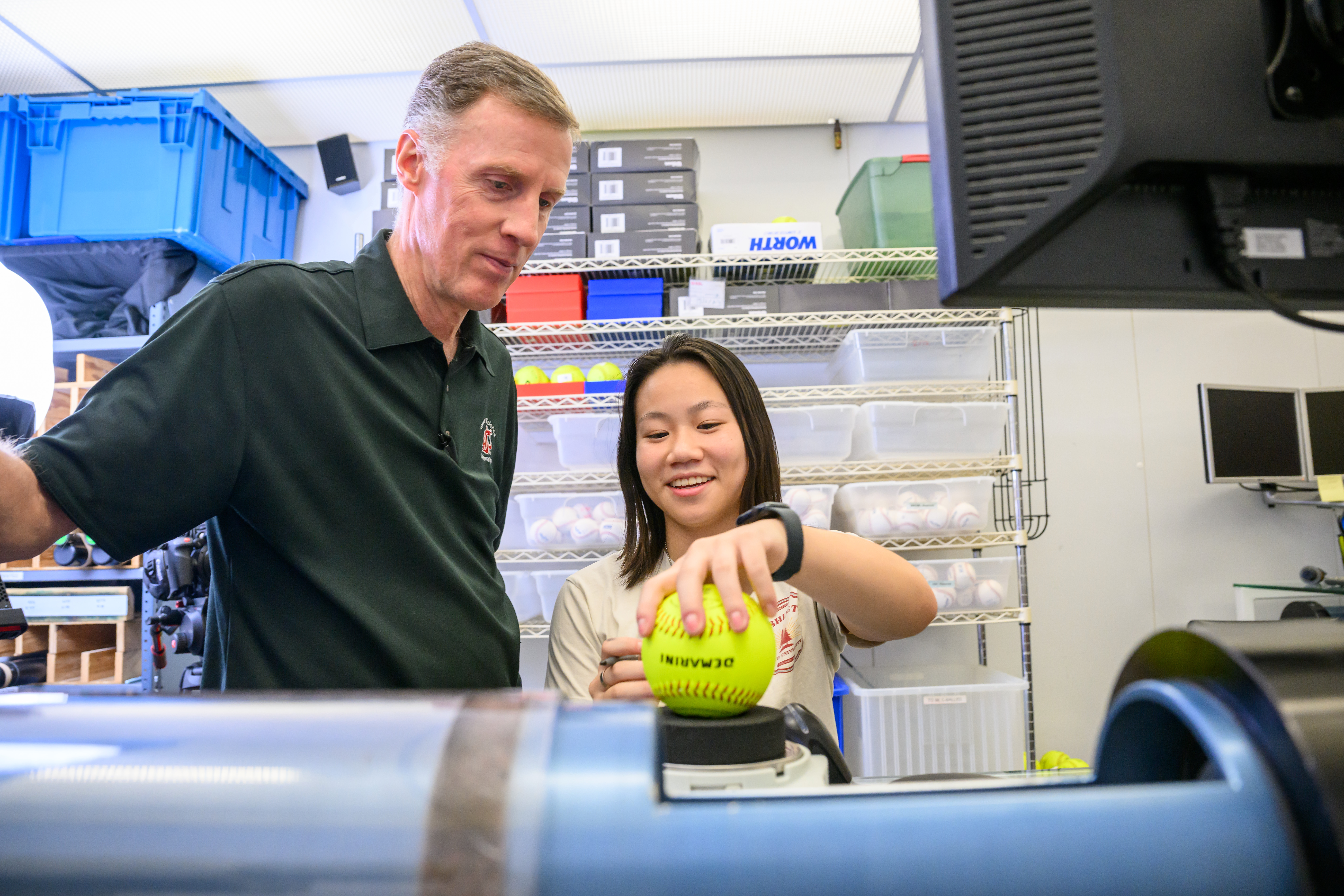
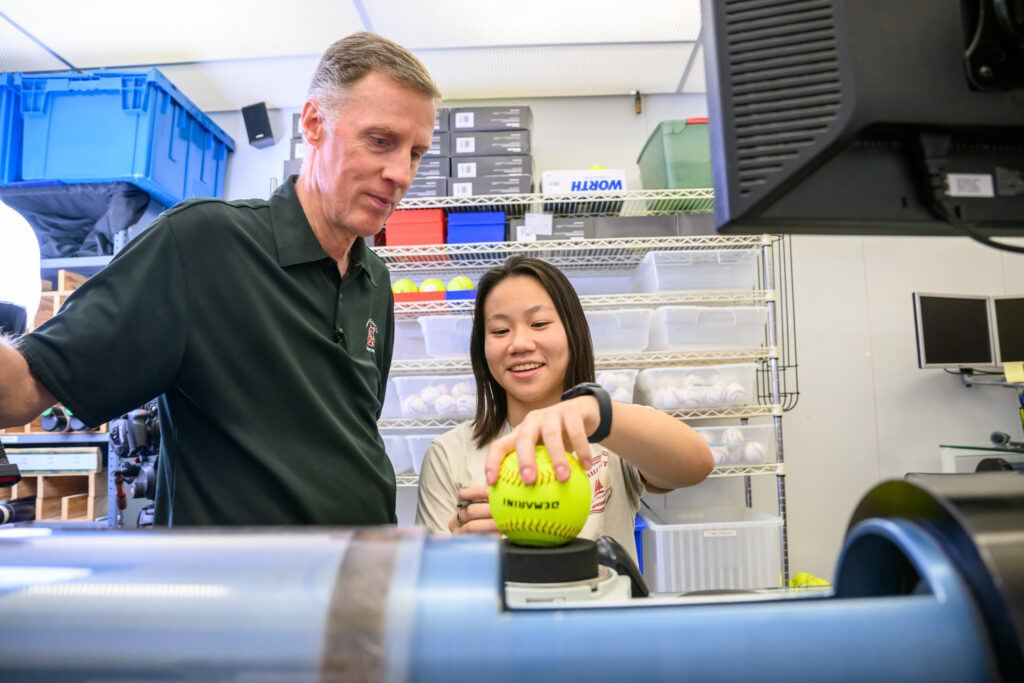
Two people testing a softball on measuring equipment.

“Bat Lab” targets the science of the ballpark

A ball hurtles toward home plate and the batter swings. Contact.

These are rituals of the ballpark. But to Professor Lloyd Smith and the researchers at Washington State University’s Sports Science Laboratory, that crack of a bat against a ball is the sound of science.

Where others watch for curveballs, Smith and his fellow researchers are more interested in a ball’s coefficient of restitution. They measure a bat’s mass moment of inertia and balance point. They look for the smallest changes in a ball’s seam height to gauge the effect on drag.

Smith is such a recognized authority in the science of bats and balls that Major League Baseball enlisted his help to discover why there had been more home runs than usual, a trend that raised dark rumors of “juiced” balls. 

Smith is no baseball superfan. “It was really all coincidence,” he says.

With a doctorate in mechanical engineering, experience at WSU’s renowned Composite Materials & Engineering Center, and an interest in experimental design, he came up with a way to test baseball bats. Pretty soon the federations that regulate softball and baseball were interested. Then the equipment manufacturers wanted to work with him.

Now faculty, researchers, staff, and students in WSU’s Sports Science Laboratory test bats for the NCAA, and for USA Baseball and USA Softball. They certify bats for sports equipment manufacturers. Major League Baseball contracts with the lab to test for ball drag. And lab personnel visit every major league ballpark annually to evaluate the accuracy of the systems that show the strike zone over home plate.

All of these tests are unique to the lab and use methods like ball cannons, speed sensors, cameras, and computer modeling. “We have non-contact lasers to measure the seam height profile of a baseball with over a million data points,” Smith says.
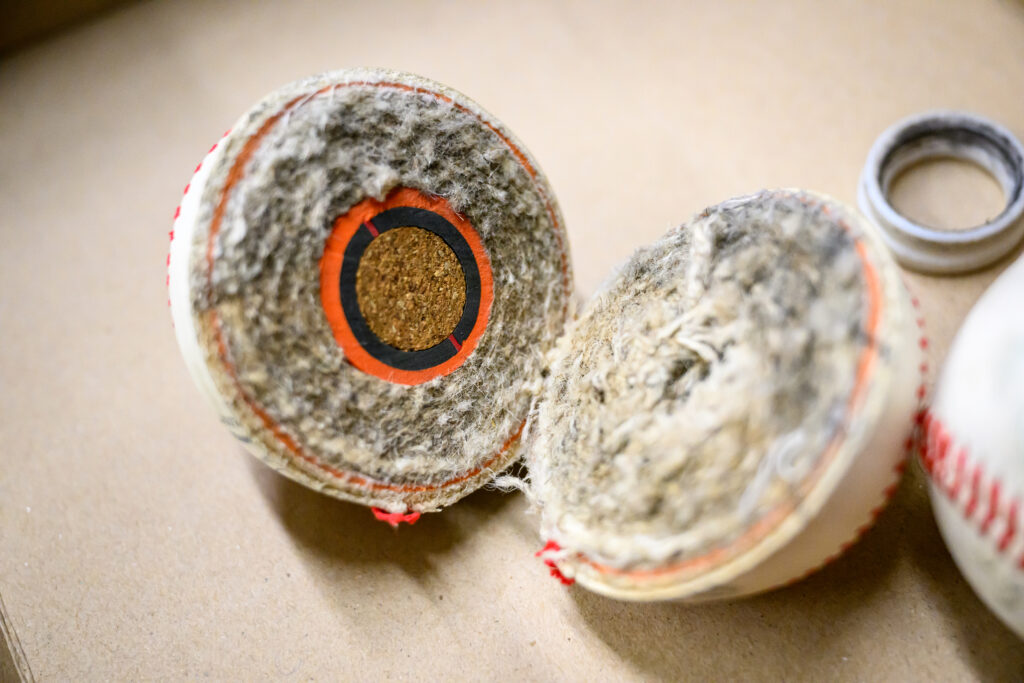
Baseball cut in half showing its core.

I certainly find baseball much more interesting now, though when I watch a game I’m looking at different things than your typical fan is.

Lloyd Smith

Baseball isn’t the only game at the Sports Science Lab, which specializes generally in the dynamics of ball and bat collisions. That includes work in ice hockey, badminton, soccer, cricket, and golf.

After decades of working on the science of the ballpark, Smith says he has become a baseball fan, of sorts.

“I certainly find baseball much more interesting now, though when I watch a game I’m looking at different things than your typical fan is.”

Tell Your Story
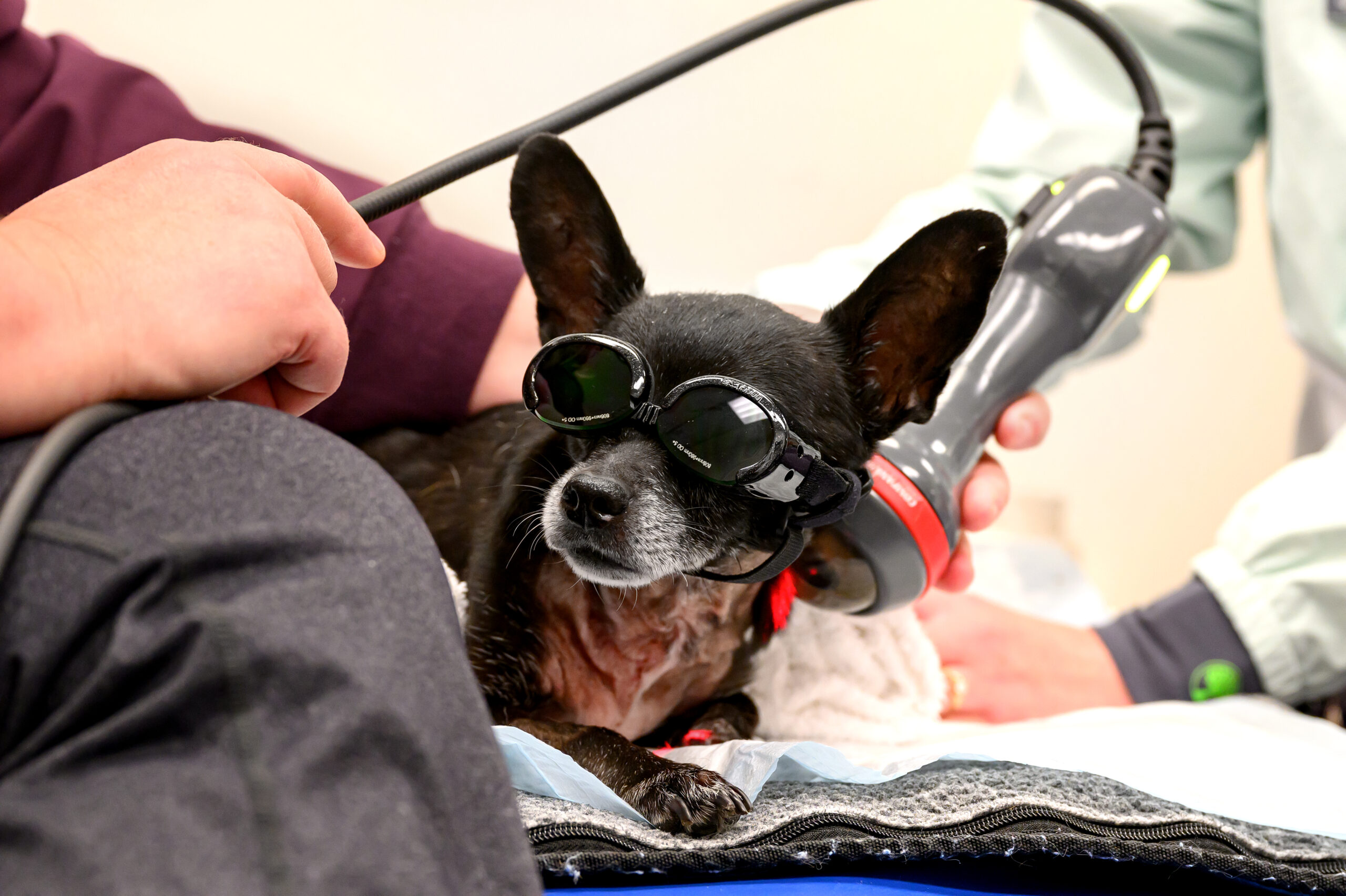
Small black dog with large upright ears wearing protective tinted goggles while a vet passes a wand instrument over her.

Rehab isn’t just for humans

WSU Veterinary Teaching Hospital offers continuum of care for animal patients.
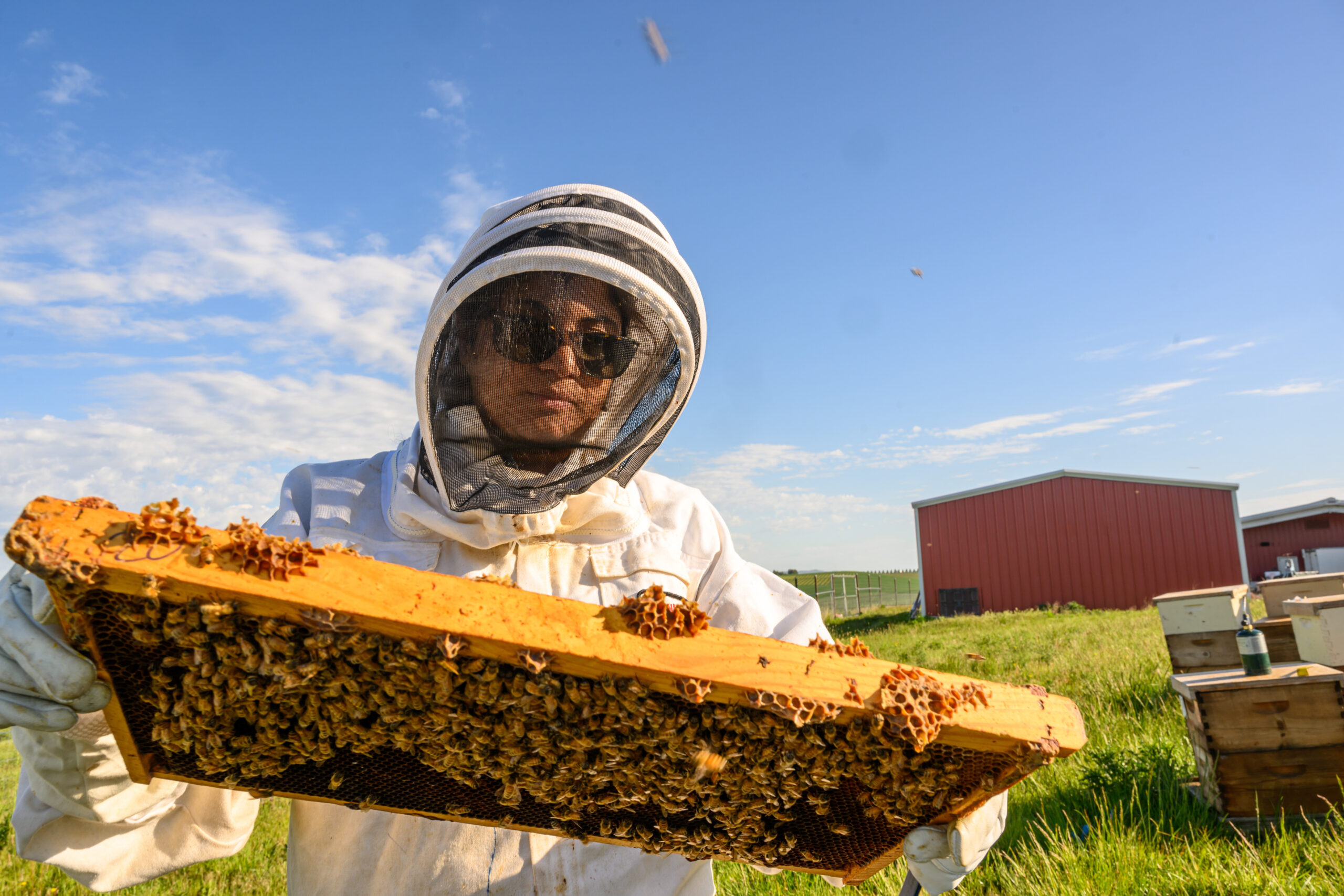
A researcher wearing a full-body protective suit, head covering, and gloves holding up a bee hive frame covered in bees.

Bees on the brink

WSU scientists are fighting to save honey bees from multiple threats.
Two people wearing safety glasses examine a long wooden beam made of glued-together boards.

Mass timber on the rise

Light, strong, and sustainable, “mass timber” is gaining traction in the United States, in part because of research and development at Washington State University.
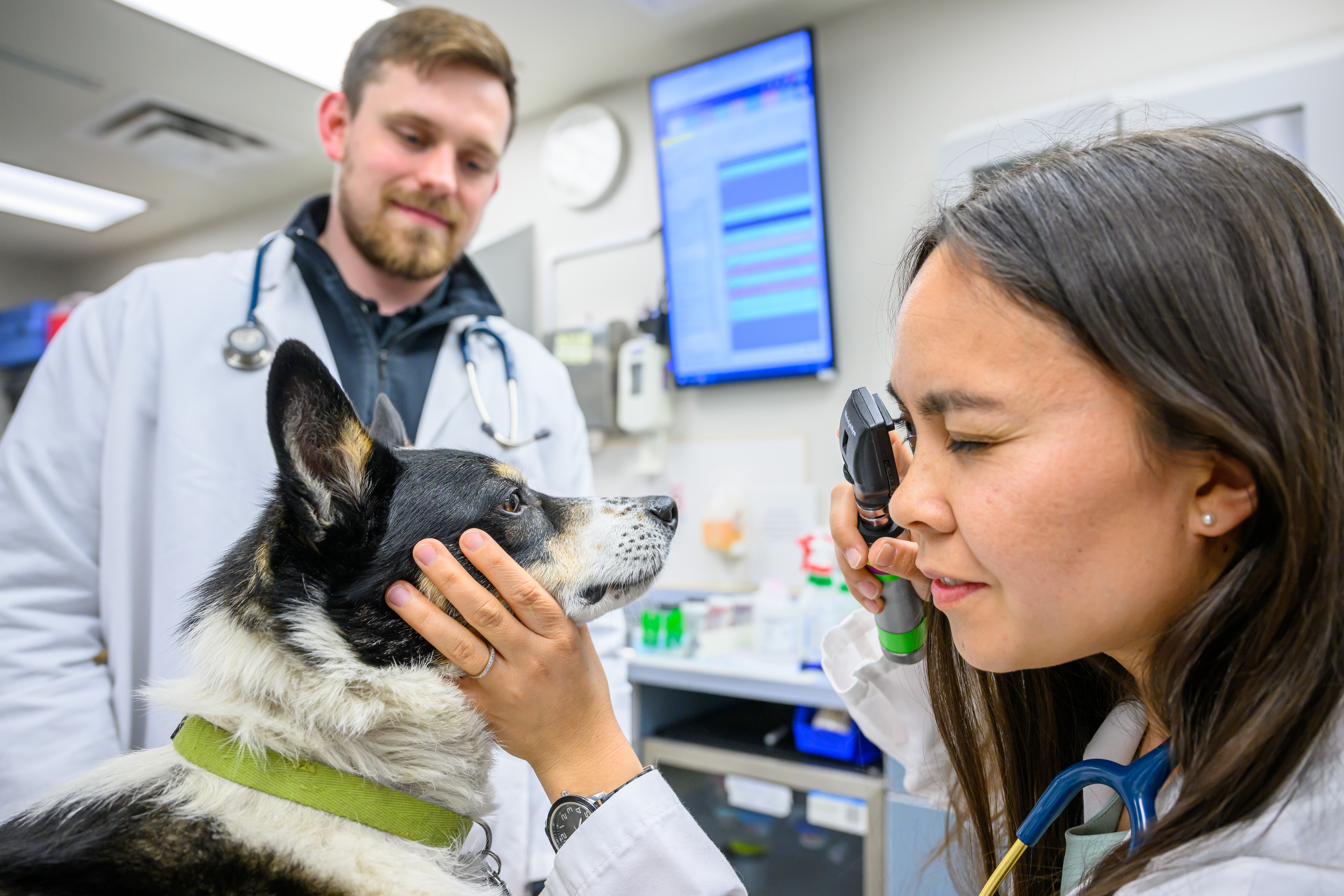
A black-and-white dog calmly having its eyes checked by a veterinarian while another looks on.

At WSU, the animal doctors are in

Washington State University’s Veterinary Teaching Hospital cares for some 20,000 animals each year.
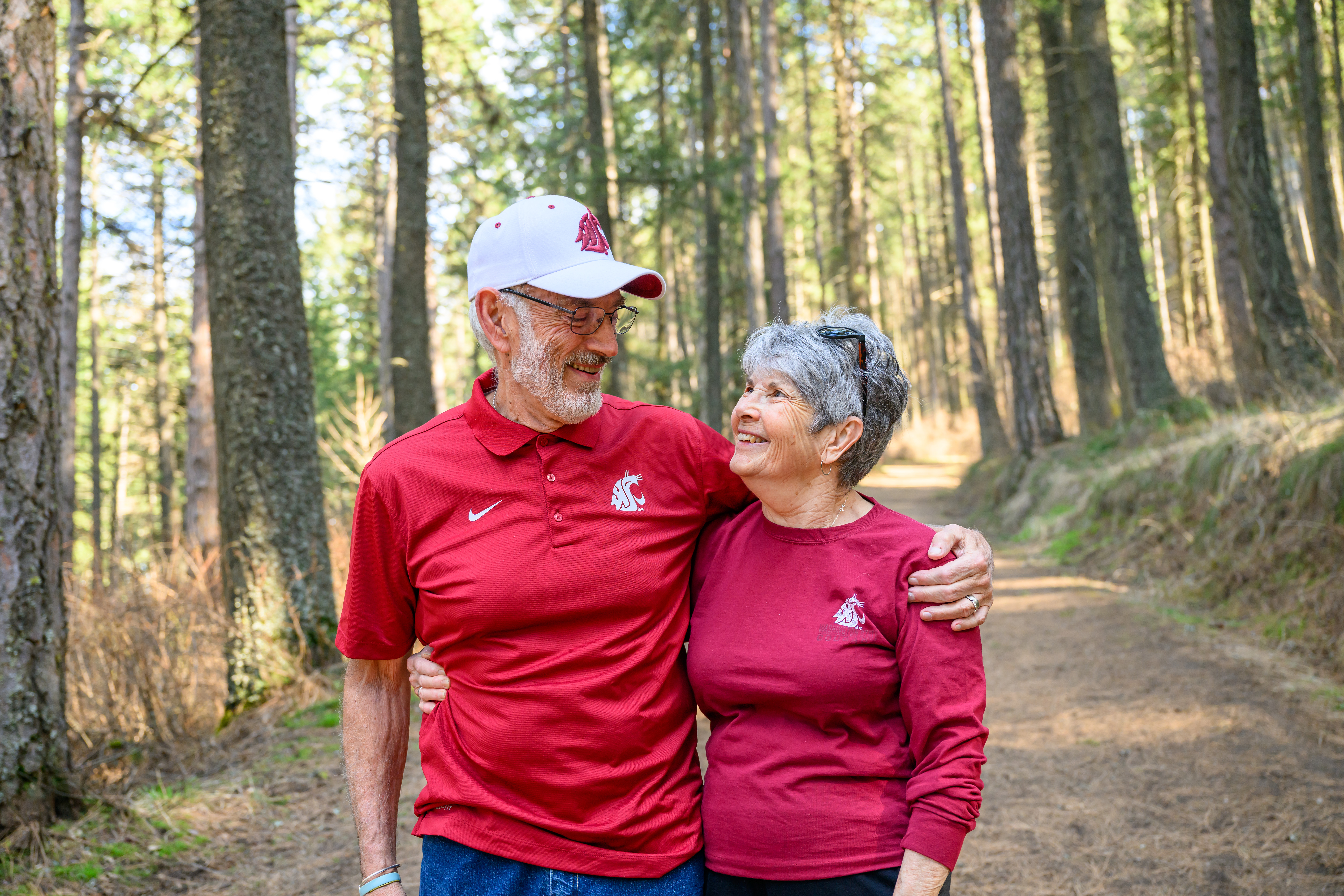
Two older adults, both wearing WSU Cougar branded shirts, smiling at each other as they walk together in the woods.

Growing older, living better

Americans are aging fast, and Washington State University is preparing for that future.
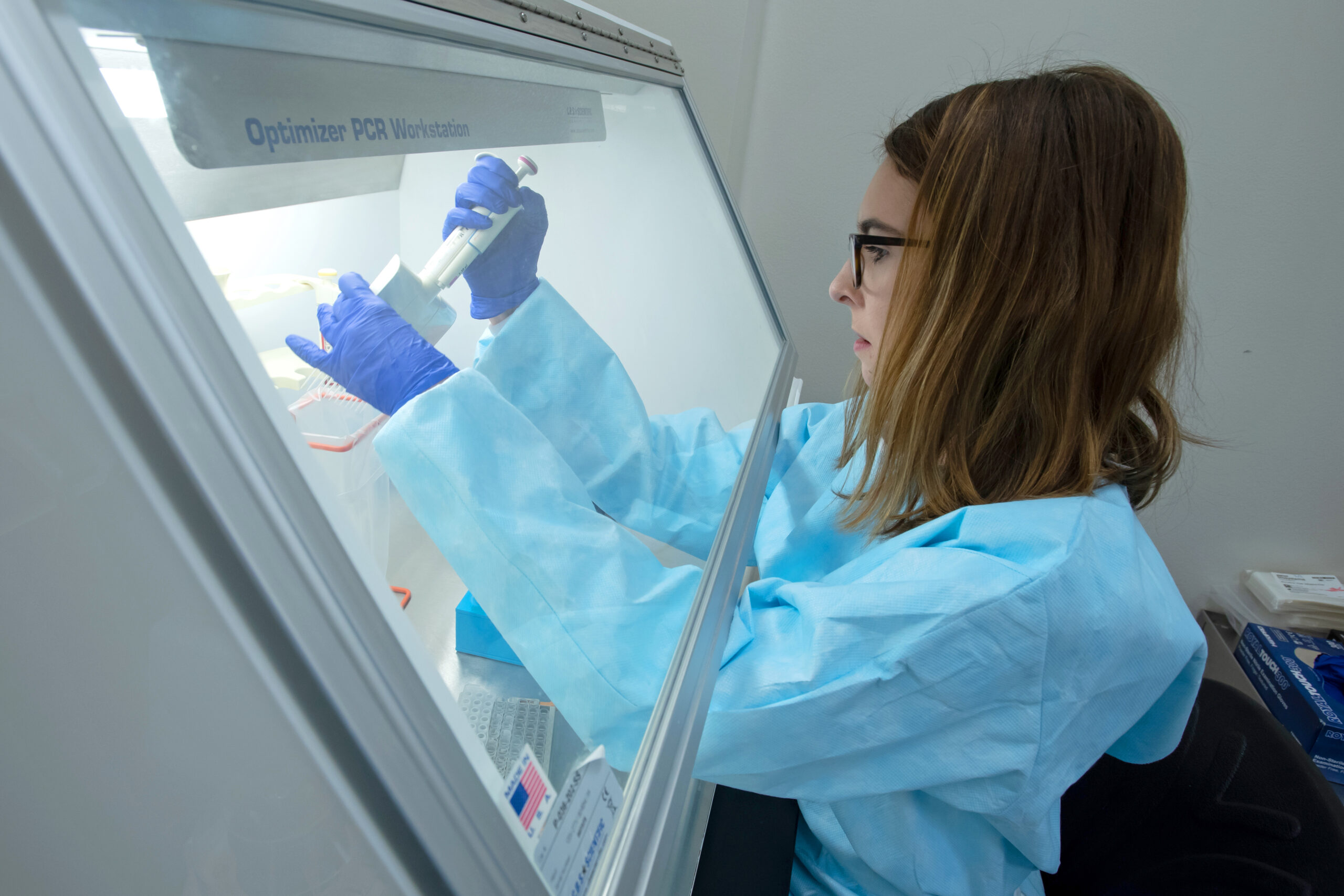
A microbiologist in blue protective equipment works at a biosafety cabinet.

WSU builds on the lessons from Covid

Everything changed when the COVID-19 pandemic swept across the world, and Washington State University was no exception.
Bearded person reading the label on a meat product while grocery shopping.

“We worry so you don’t have to”

WSU’s sophisticated laboratories and trained scientists are at the regional and national forefront of food security.
A person testing a robotic apple picking device that uses white silicone "fingers" to grip an apple.

Robotic gripper could offer a helping hand in the apple orchard
Robots could make apple-picking safer for farmworkers, by harvesting on days when there’s too much wildfire smoke to be outside, or it’s too hot.
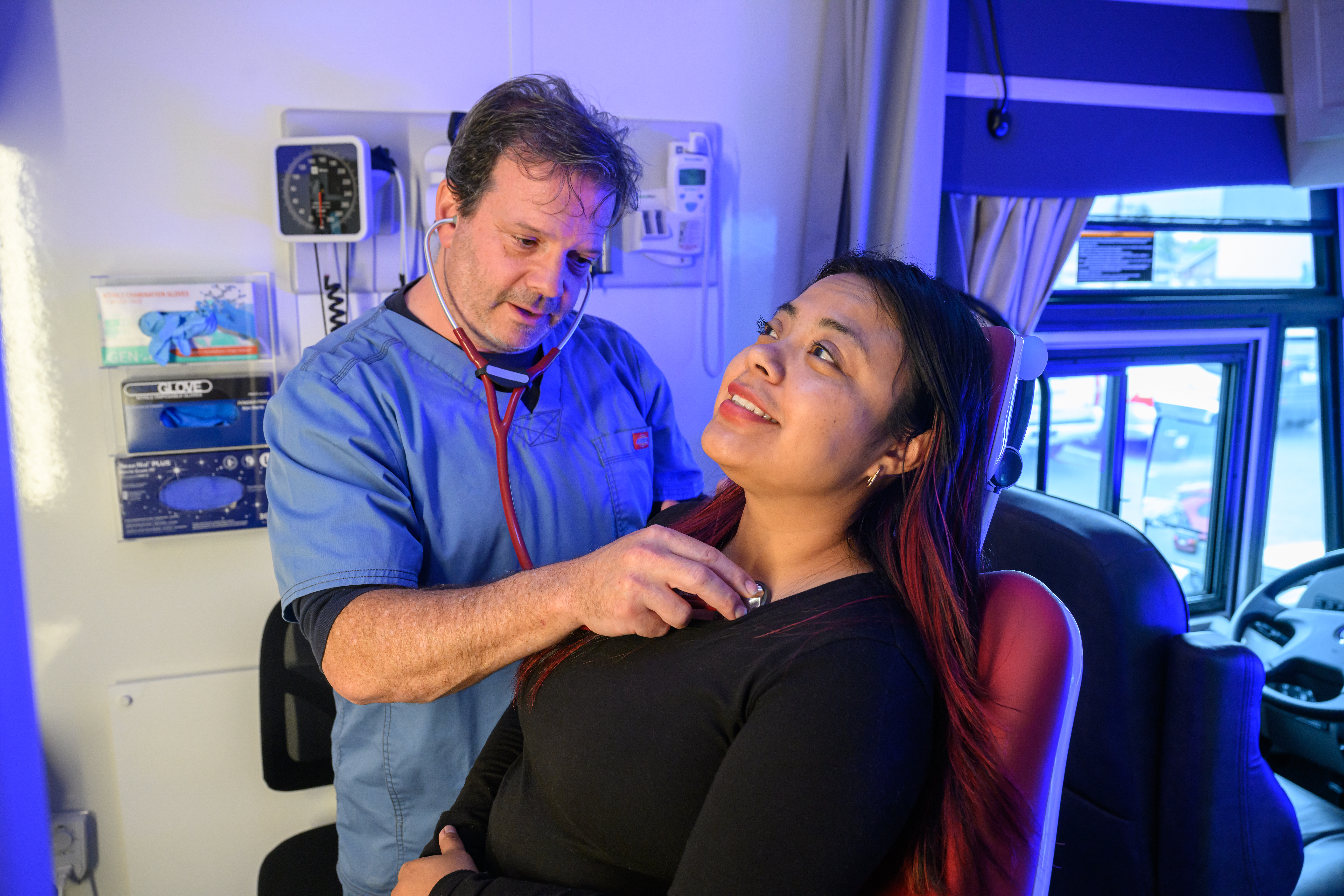
A doctor checking a person with a stethoscope in a mobile clinic.

Health for the whole person

At Washington State University, doctors, nurses, pharmacists and other health care providers learn to focus on a patient’s whole life.
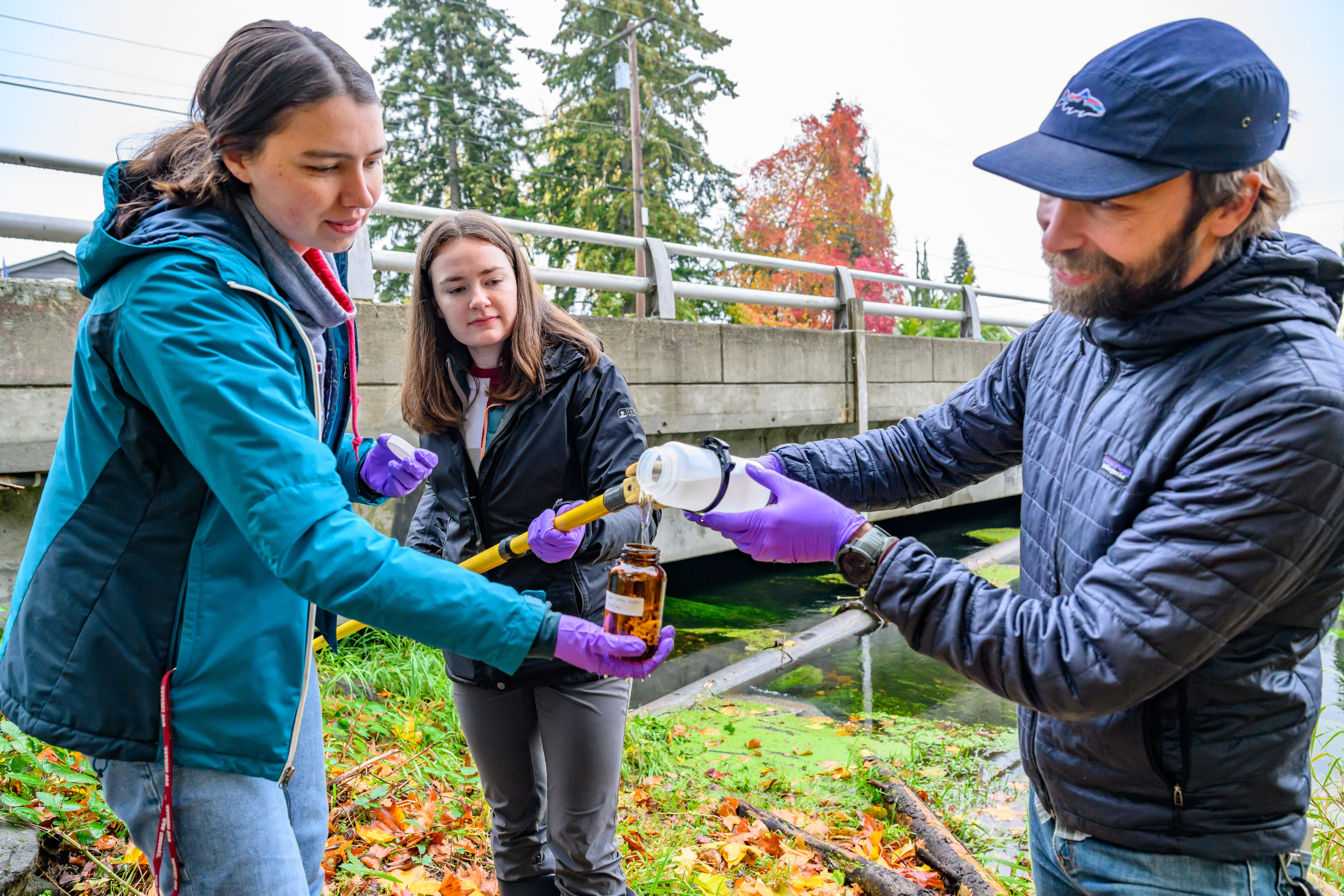
A person pouring liquid into a sample jar while another looks on.

Students help solve salmon puzzle

A team that included scientists from Washington State University learned what was killing salmon in urban streams in the Northwest.
Monica Carrillo-Casas, Murrow Fellow, reading news into a microphone.

Murrow News Fellowship puts more local reporters on the beat
WSU-led program bolsters the state’s news ecosystem.
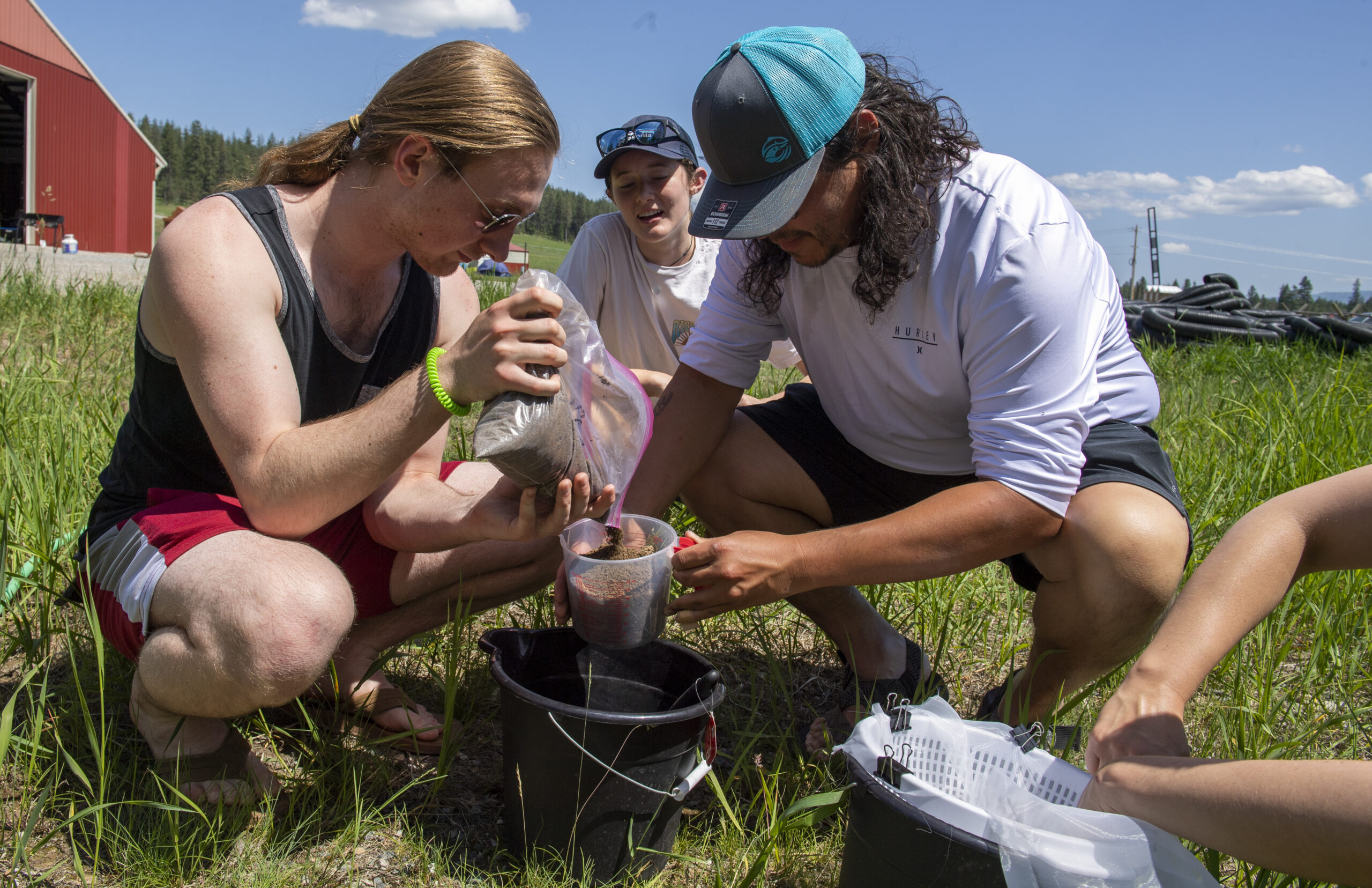
Three people working with soil samples.

Partners in the field

Building on almost a century of collaboration between Washington State University and the Kalispel Tribe.
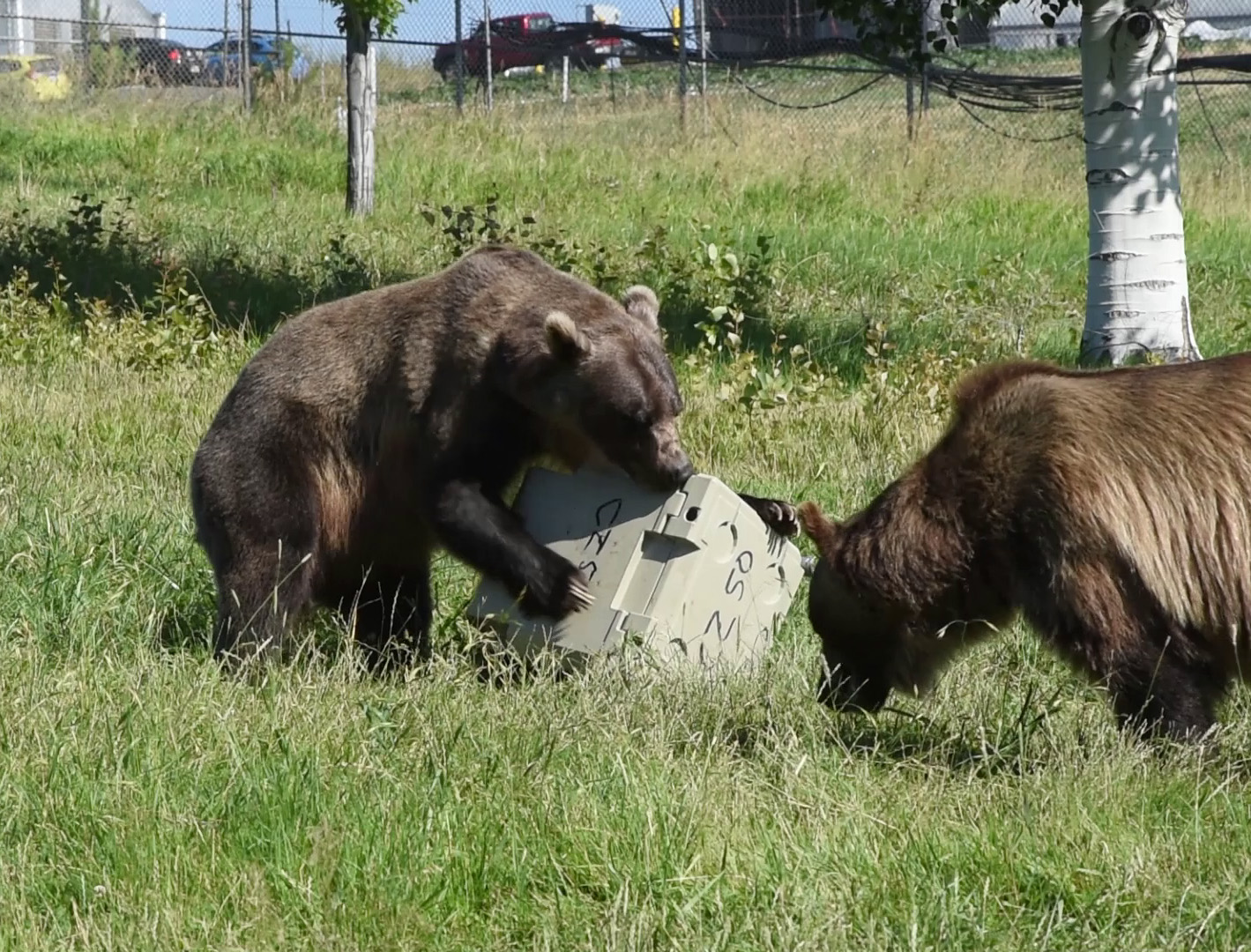
A grizzly bear rolling a cooler while another sniffs the ground nearby.

WSU grizzlies put coolers to the test

Products that survive an hour against the bears can be labeled “bear-resistant.”
A gravel path winds through flowers, trees, and other plants.

Master Gardeners know all the dirt

WSU Extension has educated the public to become garden experts for more than 50 years.
Two people testing a softball on measuring equipment.

“Bat Lab” targets the science of the ballpark
At Washington State University’s Sports Science Laboratory, the crack of a bat against a ball is the sound of science.
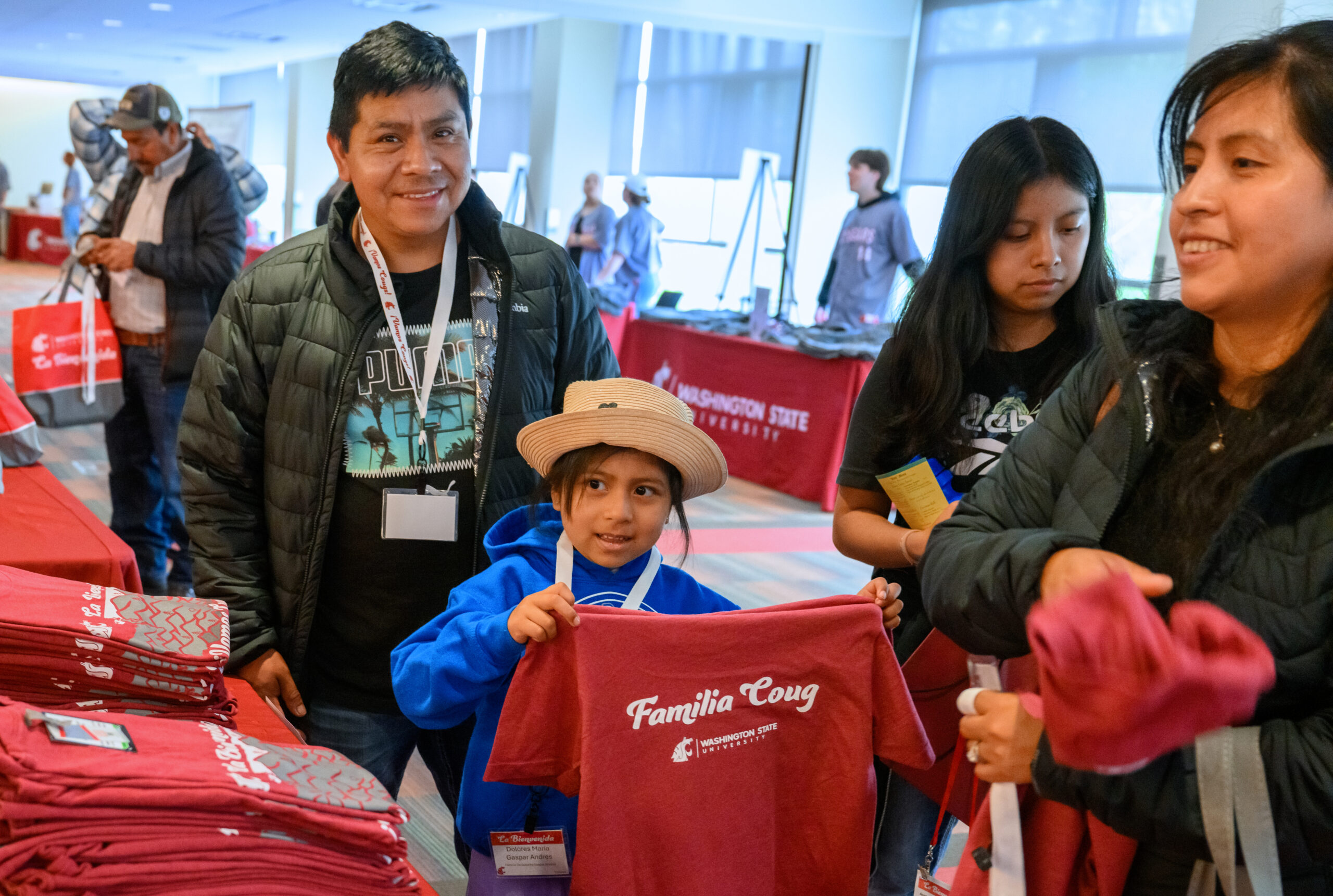
Child holding up familia coug shirt at New Coug Orientation.

High expectations, high support for first gen
Innovative programs help first-gen students at WSU navigate their path to success.
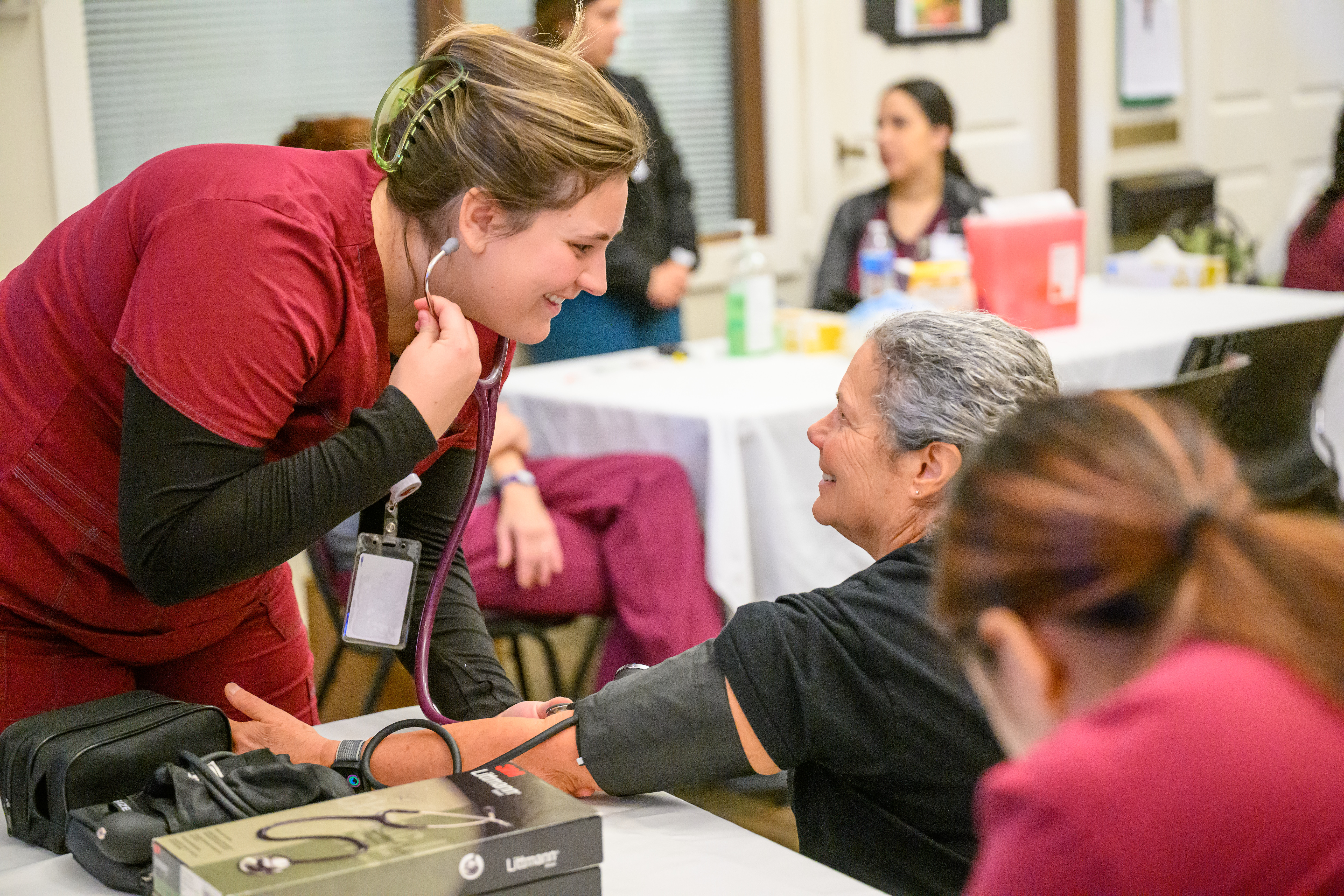
Medical student checking a patient with a stethoscope.

Community care is the curriculum

Medicine, nursing and pharmacy students at WSU deliver care in community settings across the state.
Medical person giving a shot to a child.

WSU on the ground in East Africa

Infectious disease experts identify and track emerging viruses before they can spread, and bring new approaches to old diseases.