HERE WE GO

Connecting the garden dots
WSU Extension’s Master Gardeners are the grassroots gardening experts in their communities.
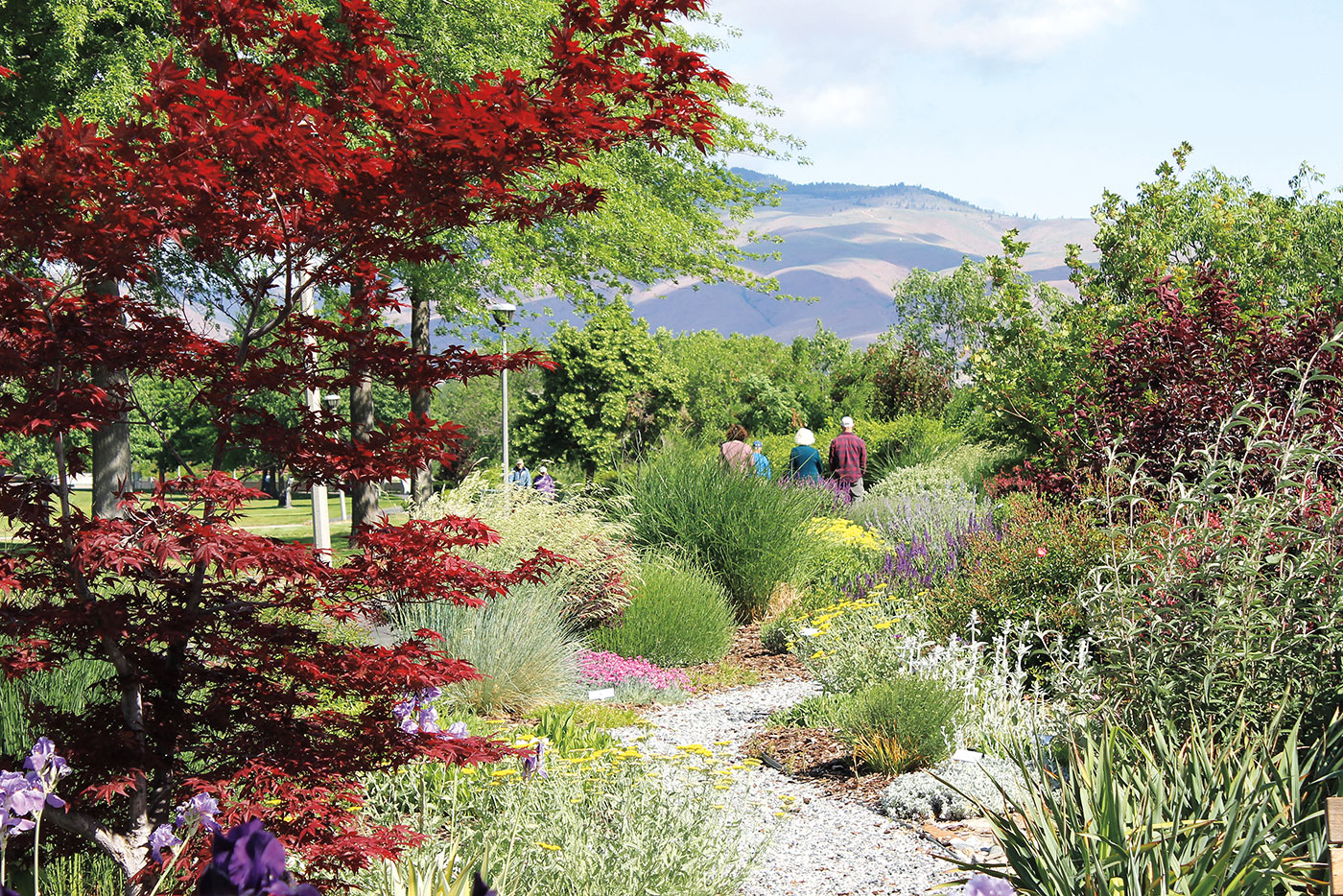
Serviceberry blossoms skirt a berm a stone’s throw from hopvines creeping up an arbor. Snowdrops circle a nearby trellis in a round raised bed dotted with daffodils and tulips. “It’s all just lovely, and it shows what you could grow here in the Yakima Valley with a lot of good color,” Diana Pieti said. “I’m very proud of our garden.”
The Yakima County Master Gardener Demonstration Garden in Union Gap stretches 1.2 landscaped acres and is just one of the projects established or maintained, or both, by Master Gardener volunteers like Pieti. Founded in 1973, Master Gardeners has grown into one of Washington State University Extension’s longest-running and most successful public, educational outreach efforts. Almost every county in the state is covered. There are 31 Master Gardener programs representing 35 of Washington’s 39 counties.
“Now, we’re in all 50 states and most recently in Puerto Rico as well as the United Kingdom, Canada, and South Korea,” said Jennifer Marquis, leader of Master Gardener programs statewide.
The idea is to give everybody research-based information about plants and add local knowledge unique to specific growing areas.
Tim Kohlhauff
No matter where they weed and water, rake and hoe, teach and learn and grow, Master Gardeners are the grassroots gardening authority in any region in which they work. Whether it’s the arid steppe of Yakima or the mild maritime climate surrounding Puget Sound, they are incredibly knowledgeable. About soils. About pests. About what grows well at a particular elevation or in a specific hardiness zone.
“The idea is to give everybody research-based information about plants and add local knowledge unique to specific growing areas,” said Tim Kohlhauff, urban horticulture coordinator for Spokane County Master Gardeners.
Master Gardeners are committed to cutting-edge, unbiased, science-based education and community service. Plant clinics are a mainstay. So are plant sales and demonstration gardens, like the one in Union Gap where volunteers cultivate more than 300 plant varieties and teach composting workshops. Classes also cover container planting, mulching, seed saving, and more.
“Nowadays, it’s easy to Google information,” Kohlhauff said. “But we’re still growing and engaging people. People still want to learn from people, people they know, people in their local communities. People still want to come to us with their gardening questions because they know they will get good science-based information and advice, person to person, community member to community member.”
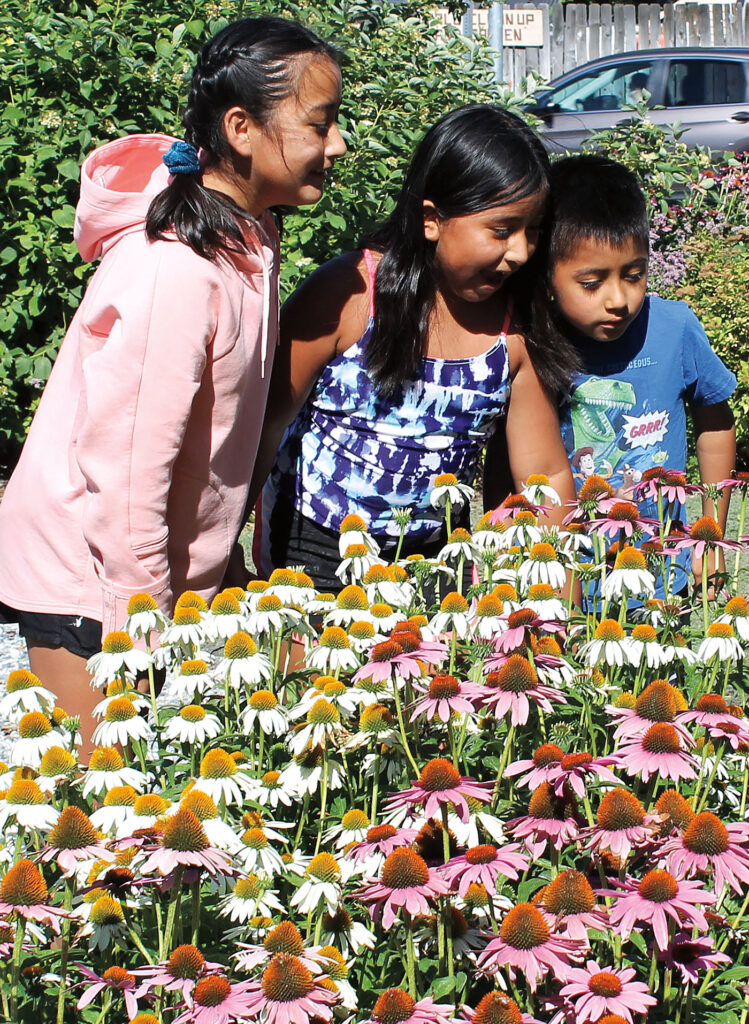
Master Gardeners partners with schools, nonprofits, and other entities. To manage youth gardens and engage future generations of gardeners. To provide guest speakers for gardening and service clubs and classrooms. To run community seed libraries. To beautify public parks and green spaces.
“We’re about way more than gardening,” Marquis said. “We’re about sustainable landscaping and environmental stewardship, soil health and clean water, pollinators, and the health and wellness of our communities. We can make a difference in these areas. We can connect the dots.”

Tell Your Story

Rehab isn’t just for humans
Mass timber on the rise

At WSU, the animal doctors are in
Growing older, living better

WSU builds on the lessons from Covid

“We worry so you don’t have to”
Robotic gripper could offer a helping hand in the apple orchard

Health for the whole person
Students help solve salmon puzzle

Murrow News Fellowship puts more local reporters on the beat
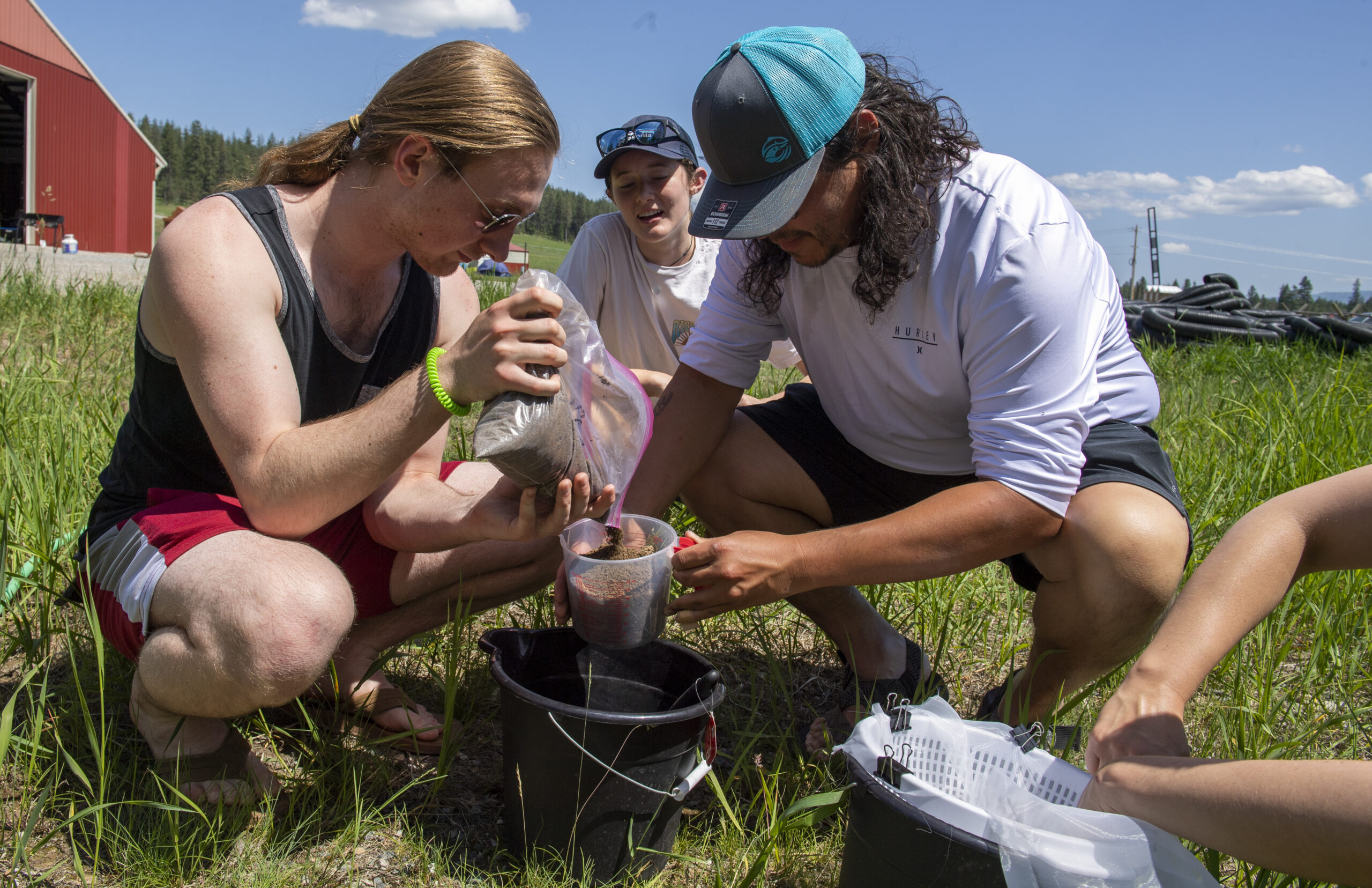
Partners in the field

WSU grizzlies put coolers to the test
Master Gardeners know all the dirt
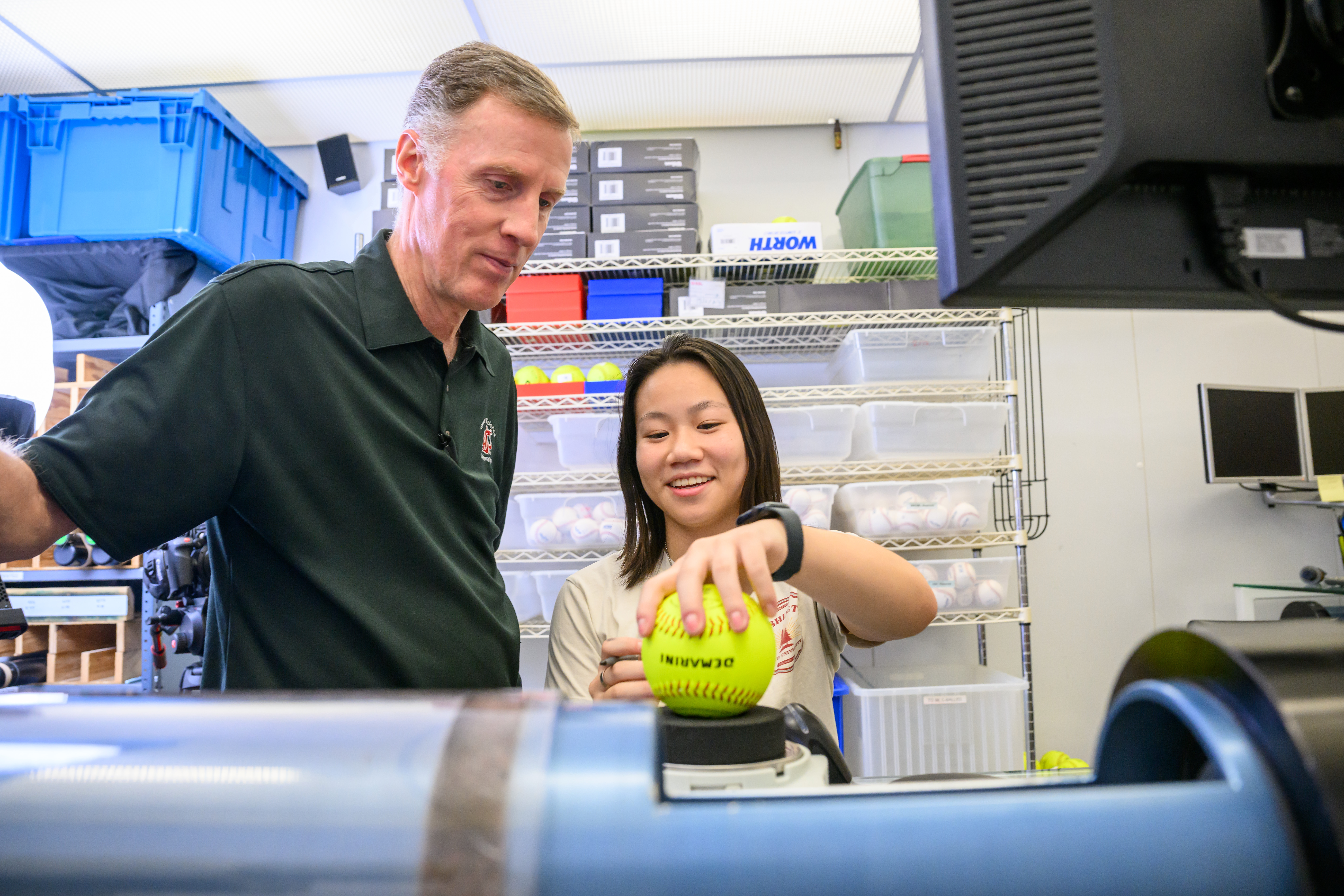
“Bat Lab” targets the science of the ballpark
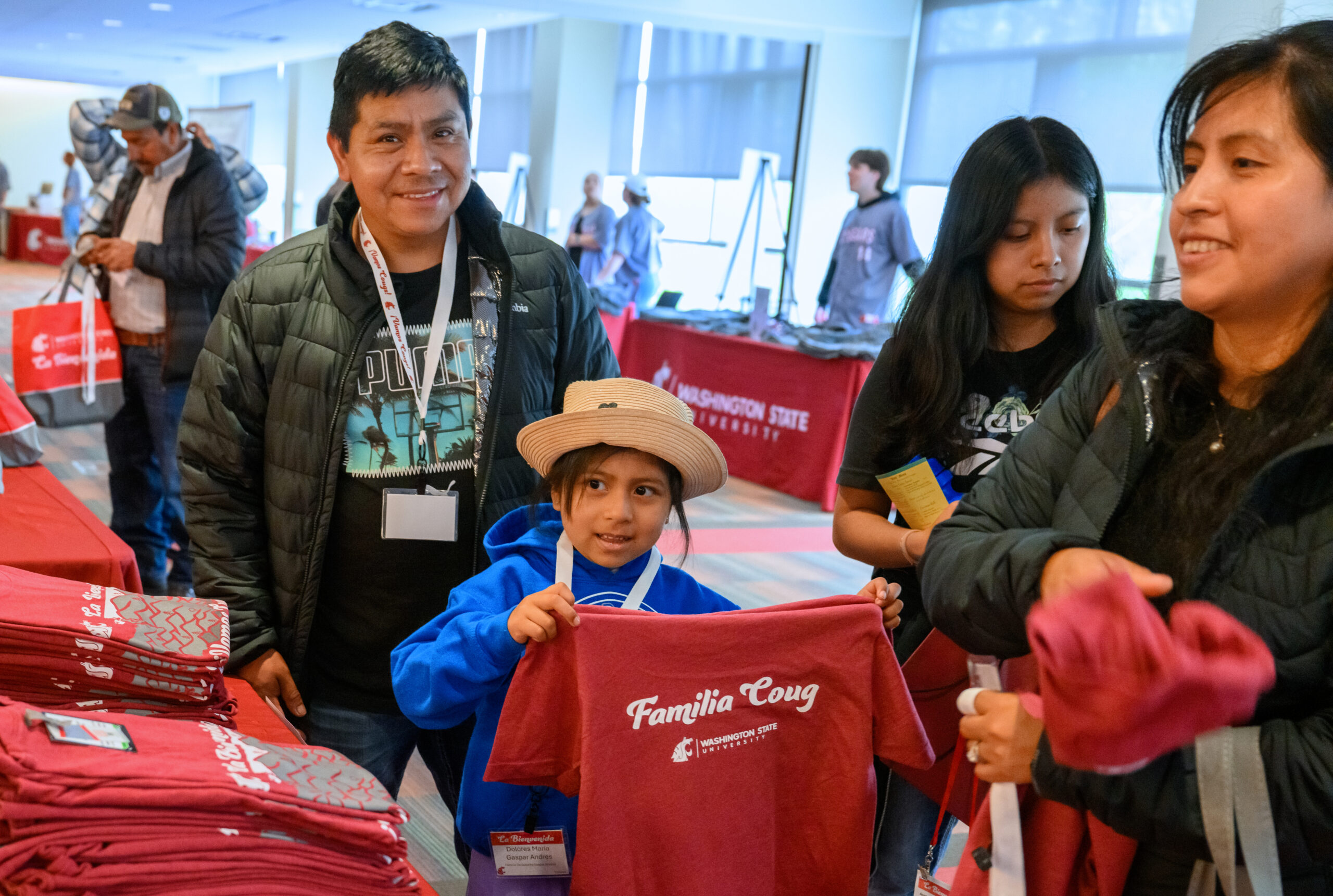
High expectations, high support for first gen
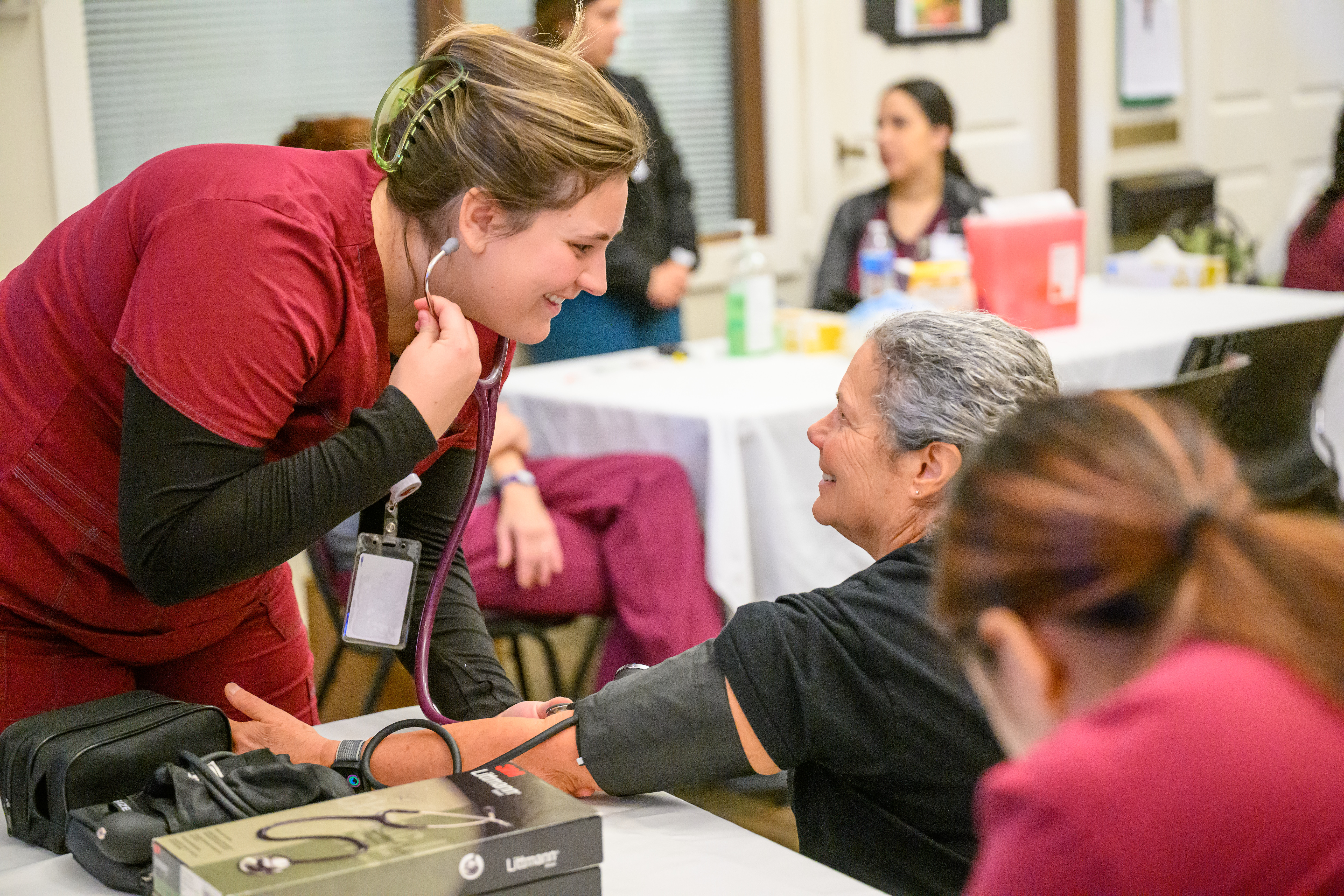
Community care is the curriculum