HERE WE GO

Growing older, living better
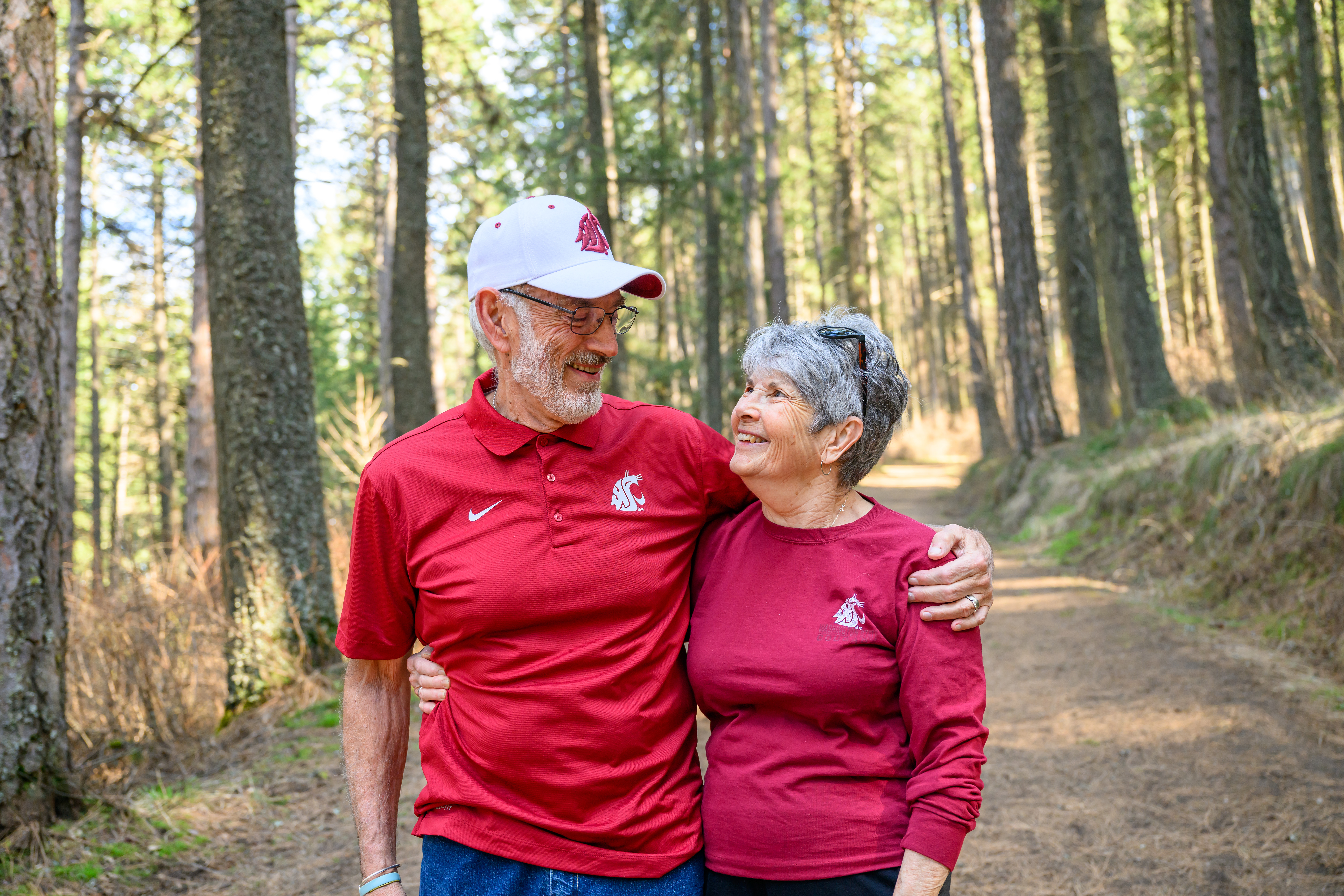
Americans are aging fast, and Washington State University is preparing for that future.
By 2050 nearly a quarter of the U.S. population will be 65 or older. That demographic shift is driving new evaluations of housing, health care, services, and systems to better meet the needs of older people.
“We want to impact the experience of aging,” said Diane Cook, Regents Professor in the School of Electrical Engineering and Computer Science.
Cook, for example, has collaborated with faculty in health sciences and psychology on smart-home technology. Currently her work uses sensors and artificial intelligence in an app that can detect when something is different in a person’s day-to-day life – such as new trouble completing tasks. Knowing this information allows earlier action that could make it possible for that person to live independently longer.

“I foresee people being able to age much more gracefully using technology that fills in the gaps, and does so without them getting impatient or frustrated,” Cook said.
Researchers at WSU’s Integrated Design & Construction Laboratory interviewed and observed older people about their living spaces, and how easy or hard it is to function inside a home. Participants talked about signage, lighting, and storage height, and the frustrations that come with all of those. Someone whose vision is impaired, for example, might have a difficult time seeing things on a speckled countertop. Digital controls were challenging for participants no matter how basic those controls were, said Shelby Ruiz, research project manager for the lab.
“Can we build better buildings for and with the people who are going to be in them?” Ruiz said. “I think the answer is yes, but it takes some careful consideration and actually listening to these folks.”
At WSU we’re working across the system to help the world age with dignity, independence and quality of life.
Nancy Swanger
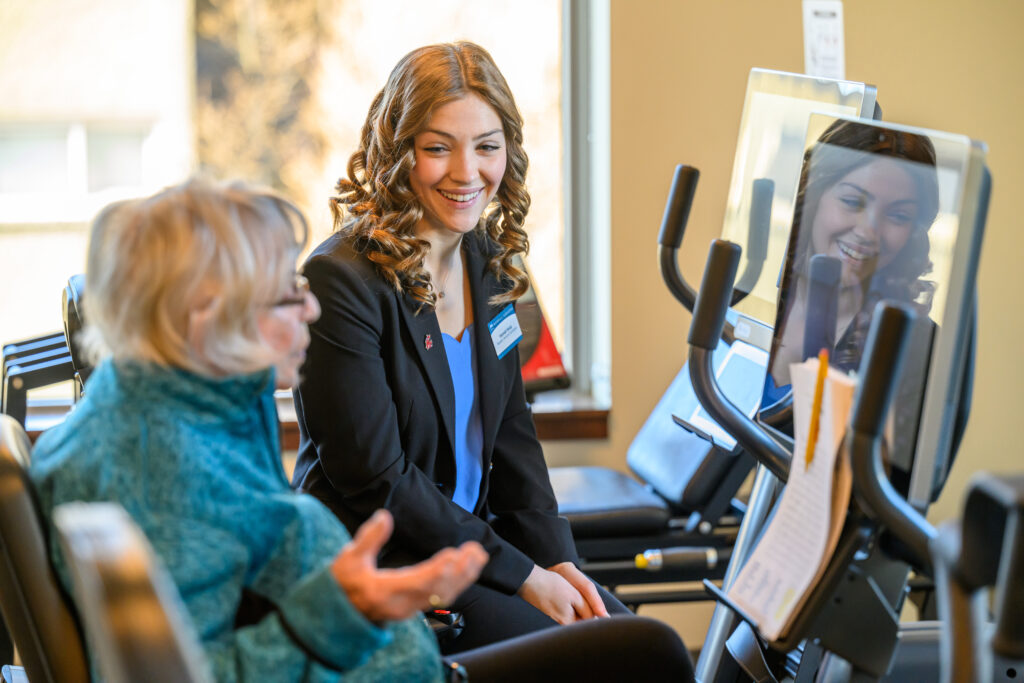
WSU’s Granger Cobb Institute for Senior Living was founded in 2019 to bring a fresh approach to housing for older people, said Nancy Swanger, founding director of the institute and associate professor. It used to be that “senior living” referred to nursing homes and were based on medical need. Now, she said, many seniors are looking for more social life, which is why WSU established the Granger Cobb Institute within the School of Hospitality Business Management.
“There’s a shifting paradigm about what these communities look like, how they feel, and what’s there,” Swanger said.
The institute offers undergraduate and graduate degrees in senior living management, as well as industry partnerships and data analytics.
WSU’s GATHER Lab (Generating Aging & Translational Health Equity Research) looks to improve the health and well-being of older adults by informing policies around aging and strengthening the geriatric workforce.
“Most of us are going to need more support as we age, so we’re looking at how we build in those support structures,” said Cory Bolkan, a professor in the Department of Human Development at WSU Vancouver and codirector of the GATHER Lab.
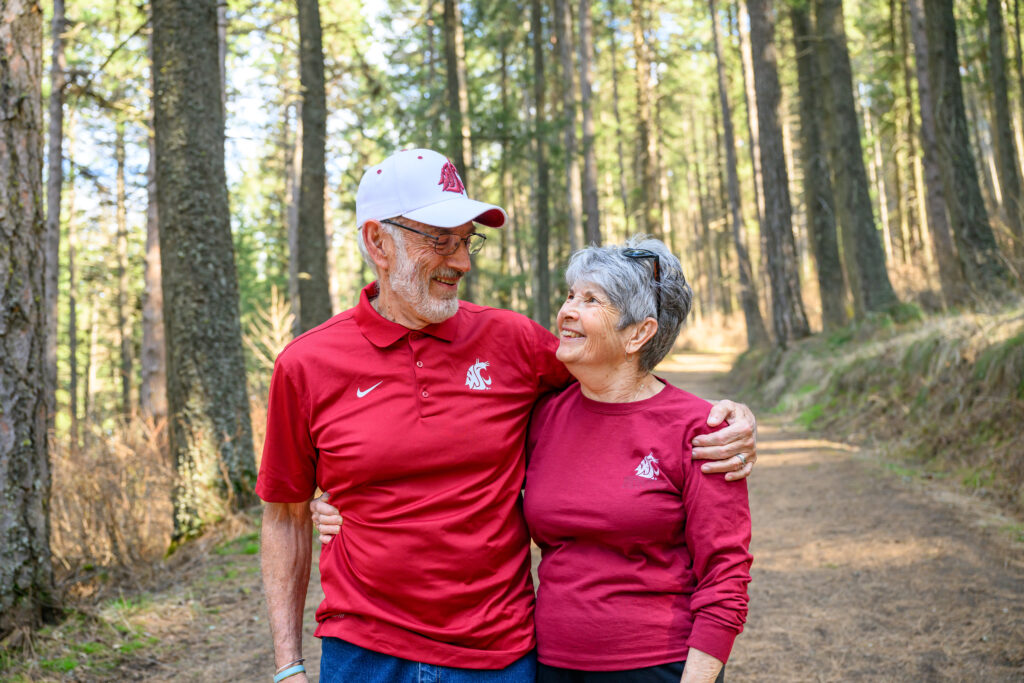
At WSU’s Elson S. Floyd College of Medicine, Research Assistant Professor Solmaz Amiri led a study that showed a connection between living near nature and better physical and mental health for older adults. Even a 10 percent increase in nearby forest space, trees, water, or trails was associated with better health, the study found.
The aim of all this work, in health, housing and connections, is to improve the experience of people as they age.
Said Swanger, of the Granger Cobb Institute, “If you’re breathing, you’re aging, and that’s a real blessing. At WSU we’re working across the system to help the world age with dignity, independence and quality of life.”
Tell Your Story
Rehab isn’t just for humans
Mass timber on the rise
At WSU, the animal doctors are in
Growing older, living better
WSU builds on the lessons from Covid

“We worry so you don’t have to”
Robotic gripper could offer a helping hand in the apple orchard
Health for the whole person
Students help solve salmon puzzle

Murrow News Fellowship puts more local reporters on the beat
Partners in the field

WSU grizzlies put coolers to the test
Master Gardeners know all the dirt
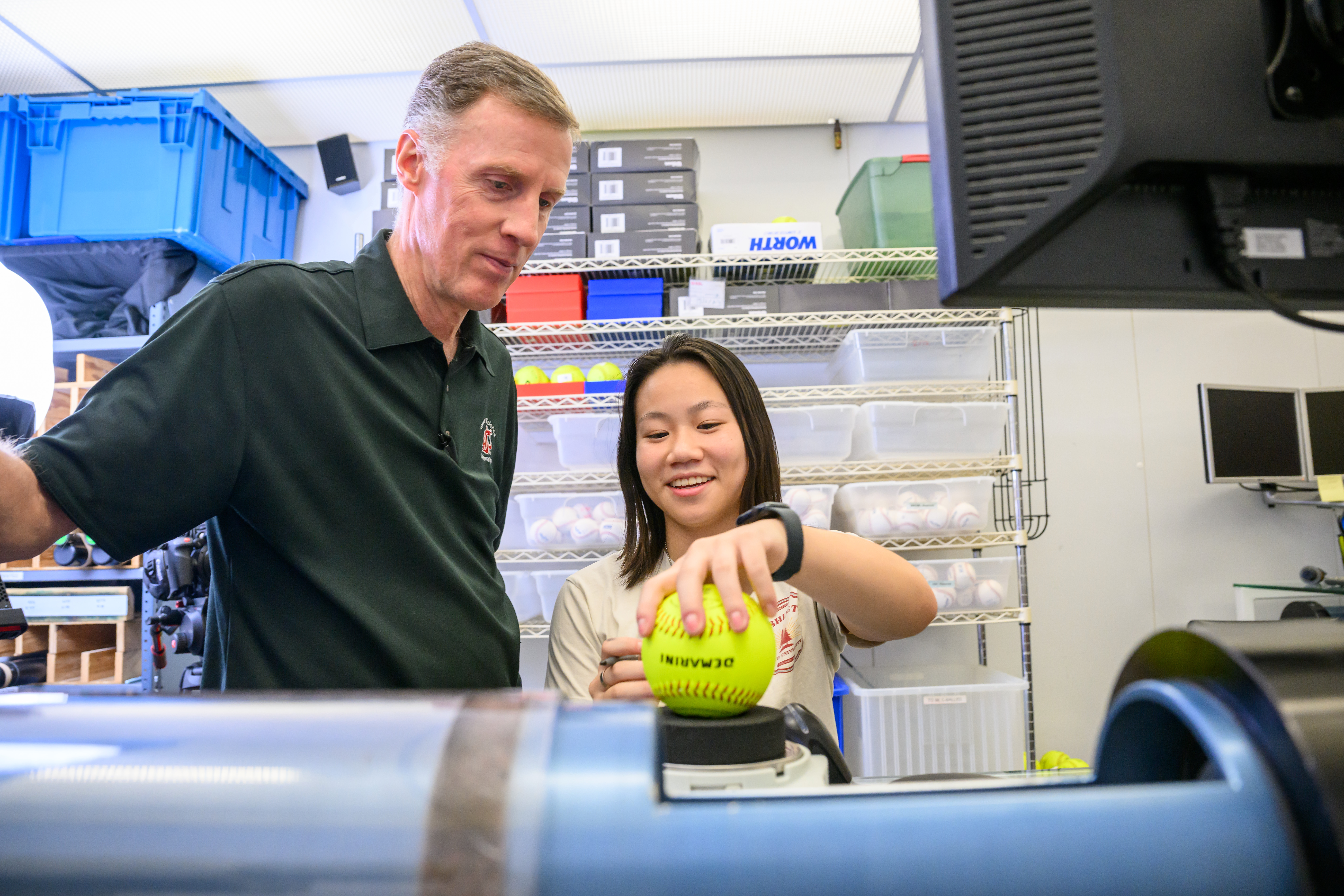
“Bat Lab” targets the science of the ballpark
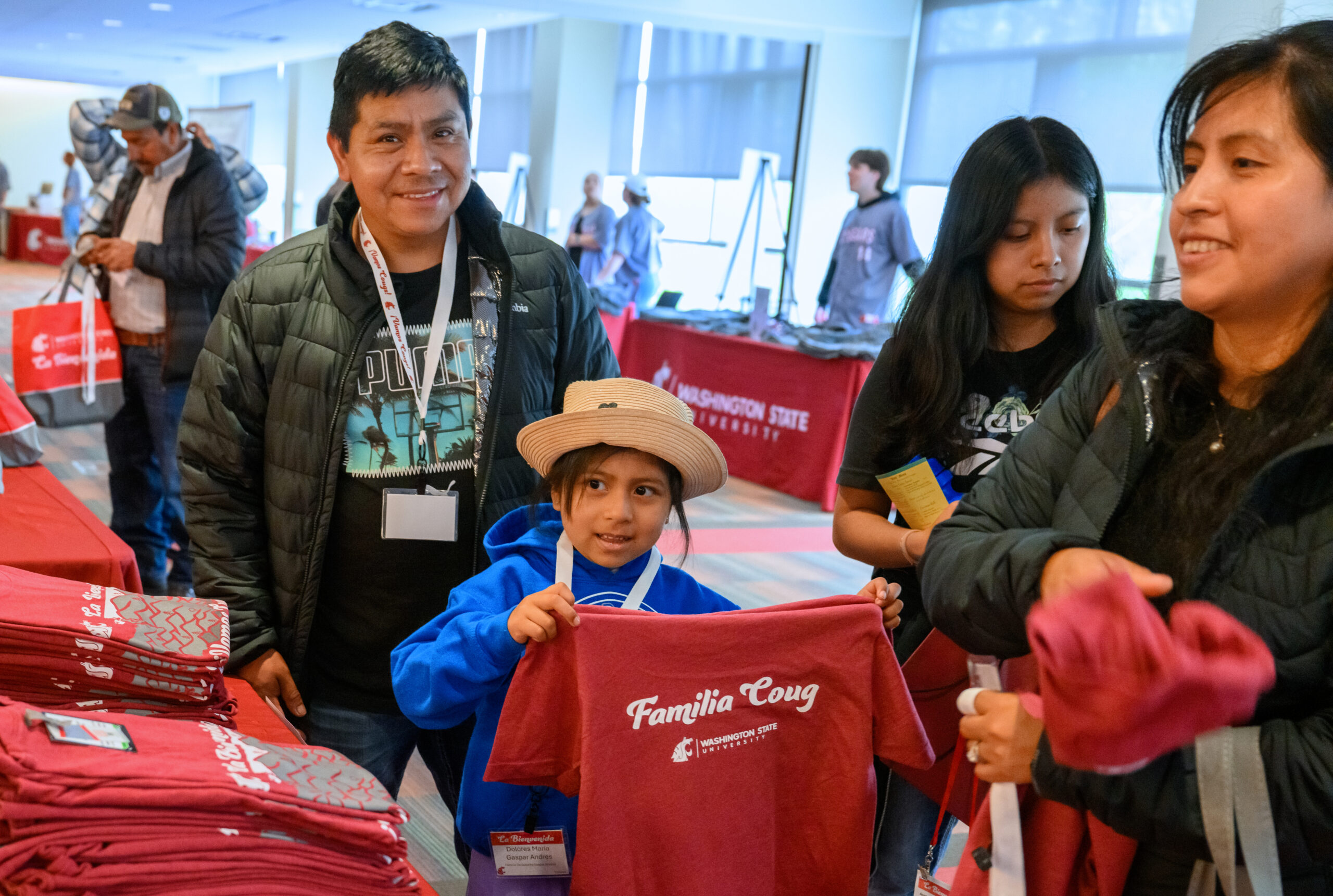
High expectations, high support for first gen
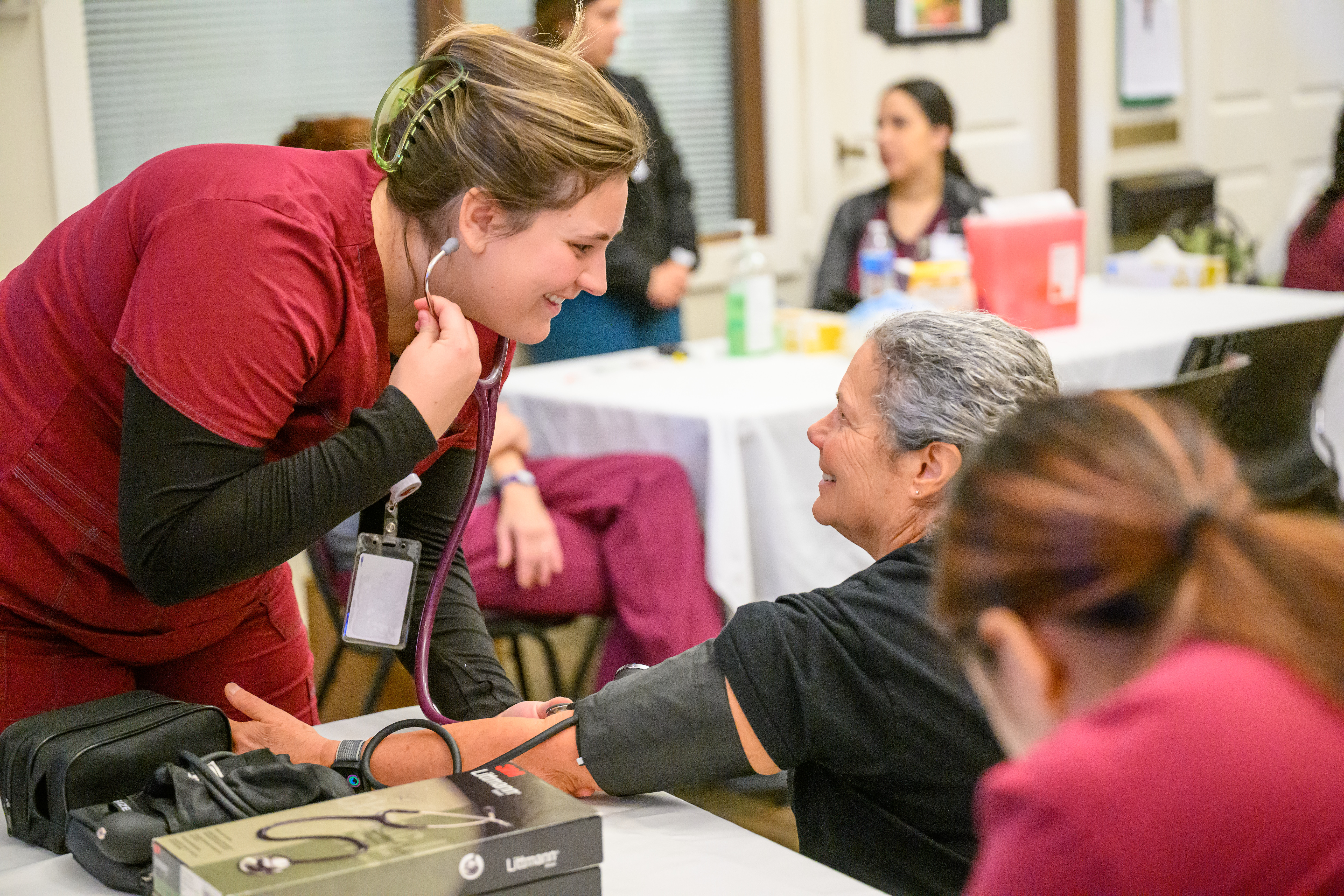
Community care is the curriculum