HERE WE GO

WSU builds on the lessons from Covid
Everything changed when the COVID-19 pandemic swept across the world, and Washington State University was no exception.
But five years later, WSU researchers and educators have built on the lessons of Covid to help move the state forward. WSU is increasing access to lifesaving vaccinations, supporting health care workers, finding ways to make up for lost education, and accelerating research tools and vigilance to monitor diseases that jump from animals to humans.
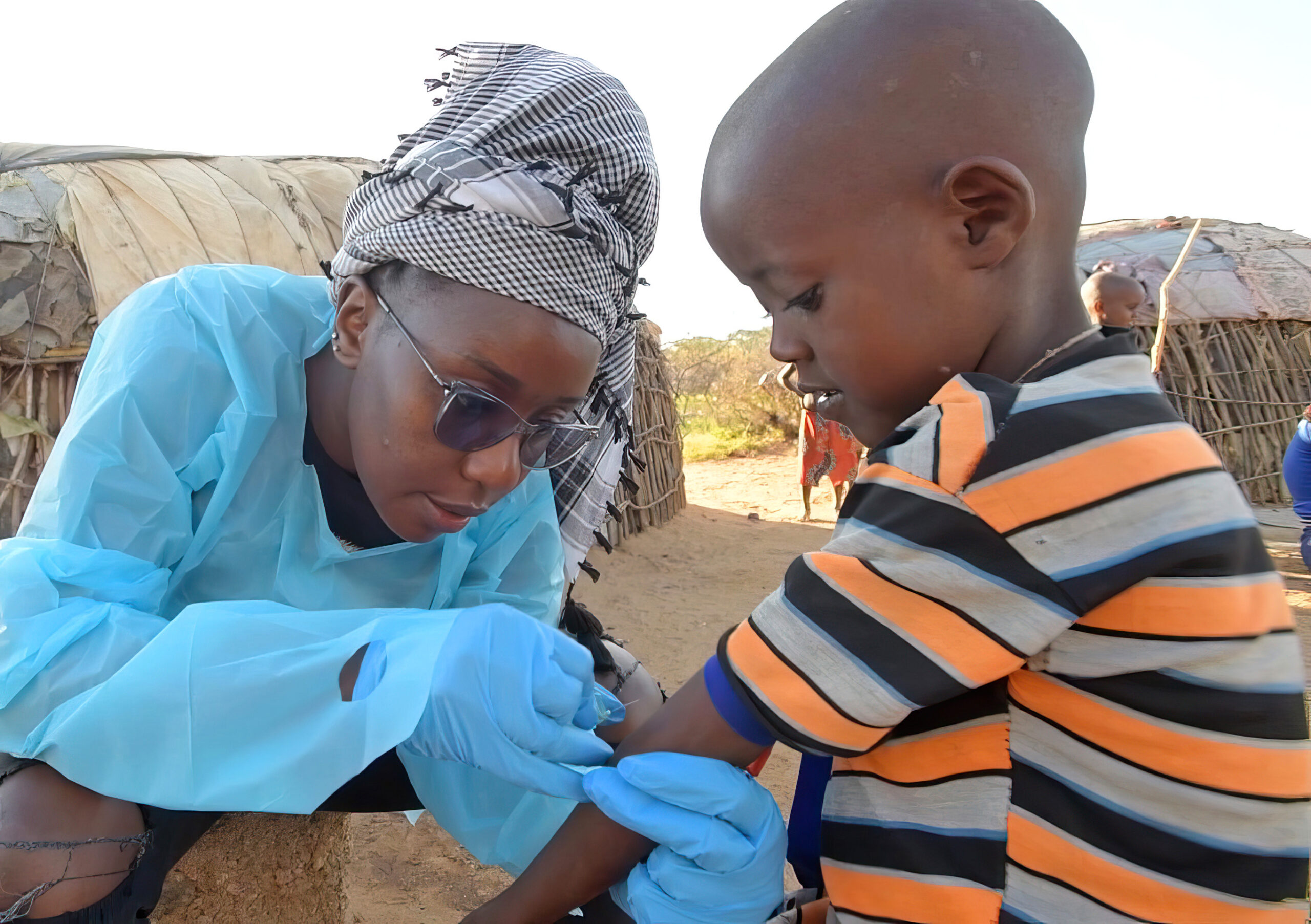
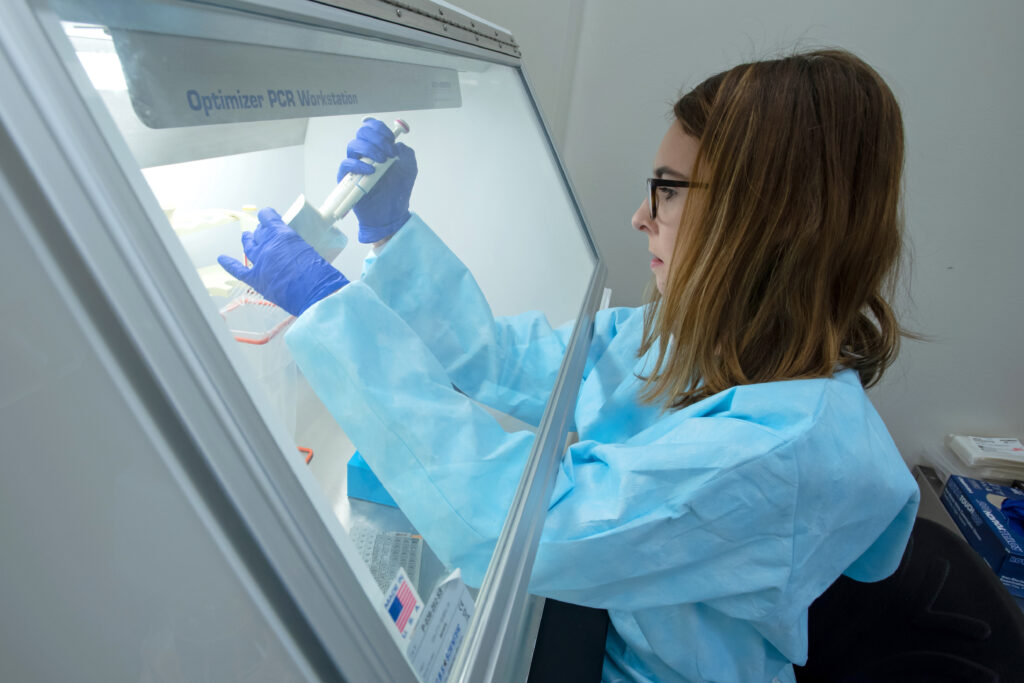
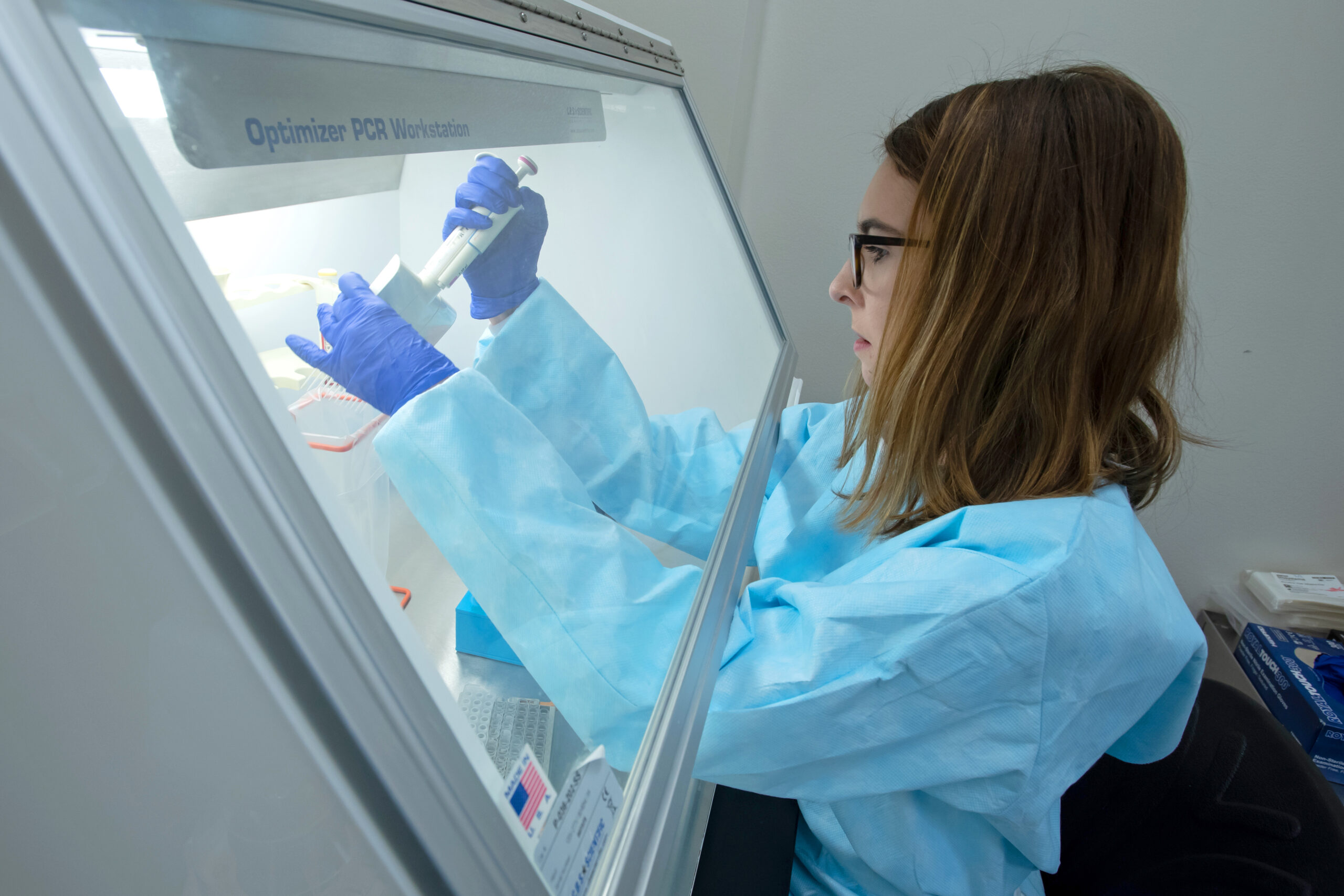
Researchers at WSU’s Paul G. Allen School for Global Health, for example, are tracking survivors of a 2022 Ebola outbreak in Uganda to learn more about a variant of the disease. WSU scientists at the Washington Animal Disease Diagnostic Laboratory work with state and federal agencies to diagnose and monitor outbreaks of the highly contagious bird flu. And at WSU Pullman laboratories, researchers are working to identify which viruses infecting animals could reproduce in human cells.

The pandemic era still resonates through every educational decision made in a school or even in families.
Johnny Lupinacci
All of this is being done to help prepare for the next pandemic, because it’s likely to spread from animals to people. But which viruses are likely to cause outbreaks? What animals are most likely to spread disease? And how do environmental factors contribute to outbreaks? Those are questions WSU researchers are working to answer.
“I go home at night feeling like I’ve done something important,” said Kevin Snekvik, executive director of the Washington Animal Disease Diagnostic Lab.
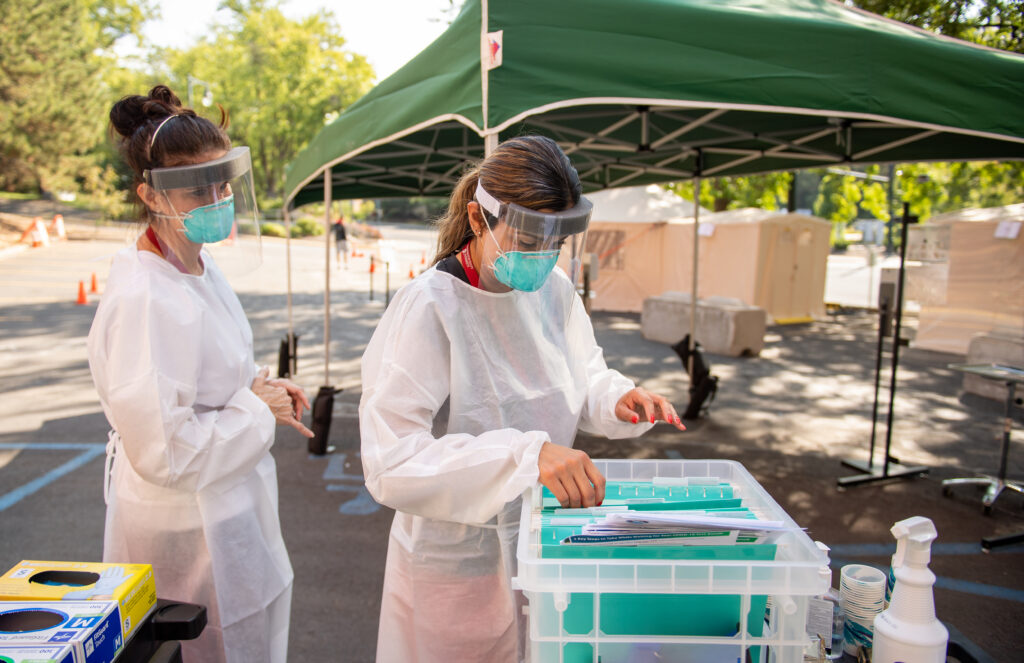
During the pandemic that lab processed 80,000 human COVID-19 tests, part of WSU’s outreach to Washington residents. Another WSU effort developed a first-in-the-country course to train pharmacy technicians to give immunizations. It rolled out in partnership with the American Pharmacists Association in February 2020. Over the past five years more than 139,000 pharmacy techs have taken the training.
“It was all hands on deck during the pandemic, just to make sure that everyone who wanted to be vaccinated could get their shots,” said Kimberly McKeirnan, a professor in the College of Pharmacy and Pharmaceutical Sciences who led the development of the test. “We were able to help meet the need in communities by building up the workforce. That makes me feel really good.”
Hundreds of WSU nursing and pharmacy students also volunteered to give vaccinations in schools and nursing homes, in homeless shelters and clinics around the state. Since then, the WSU College of Nursing has emphasized caregiver wellbeing, in recognition of the toll the pandemic took on the nation’s nursing workforce.

Five years on, it’s clear that one of the biggest impacts of the pandemic was to education. Students and teachers had to adapt virtually overnight to Zoom screens and online learning. Lack of technology, stress and mental health concerns, and different ways of learning and teaching made education unpredictable and often difficult.
Johnny Lupinacci, associate professor at the WSU College of Education, said the pandemic highlighted issues that are informing research and policy today.
“It’s good to revisit these conversations from the pandemic,” Lupinacci said. “The pandemic era still resonates through every educational decision made in a school or even in families.”
Tell Your Story
Rehab isn’t just for humans

Mass timber on the rise
At WSU, the animal doctors are in

Growing older, living better
WSU builds on the lessons from Covid

“We worry so you don’t have to”
Robotic gripper could offer a helping hand in the apple orchard
Health for the whole person
Students help solve salmon puzzle

Murrow News Fellowship puts more local reporters on the beat
Partners in the field

WSU grizzlies put coolers to the test

Master Gardeners know all the dirt
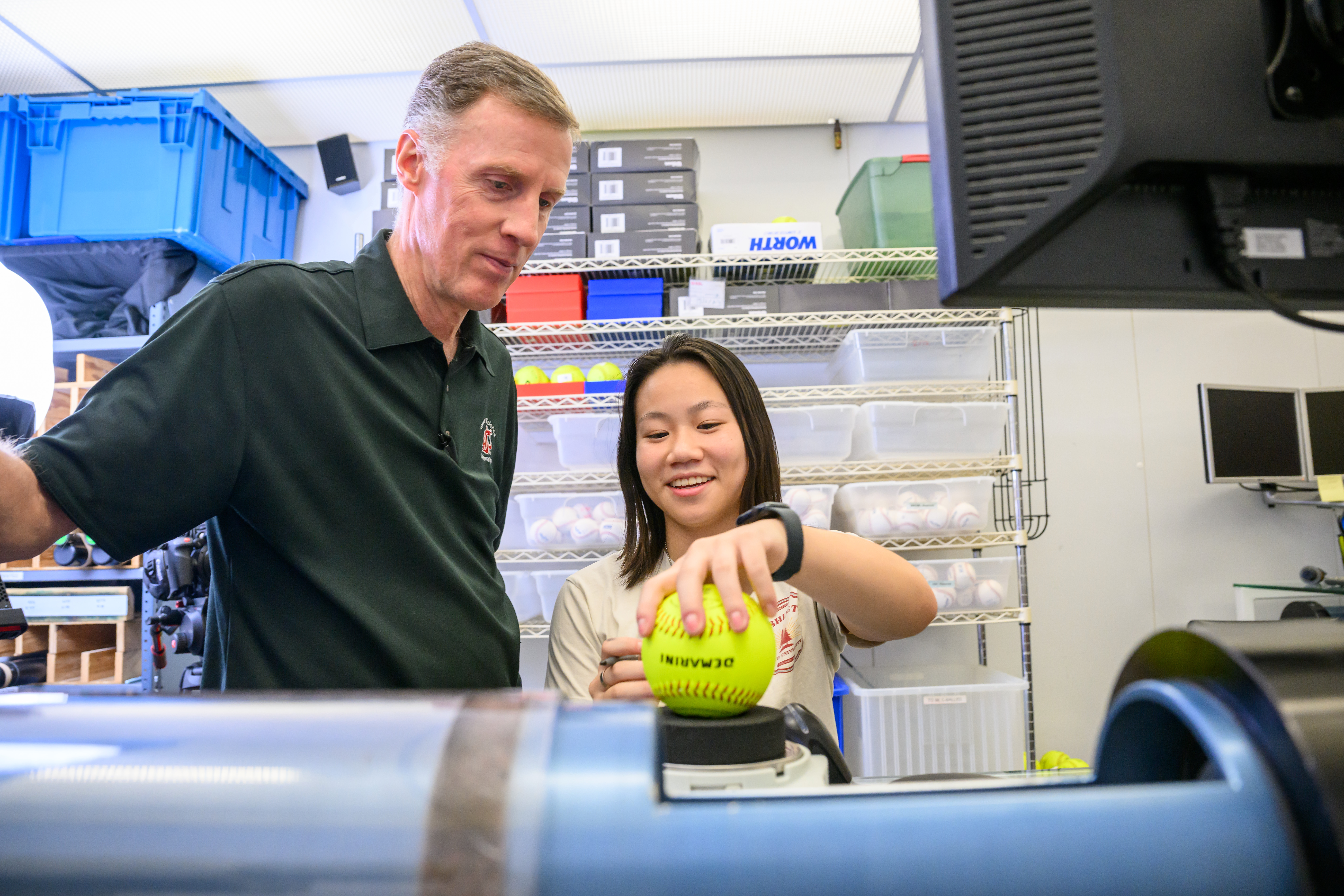
“Bat Lab” targets the science of the ballpark
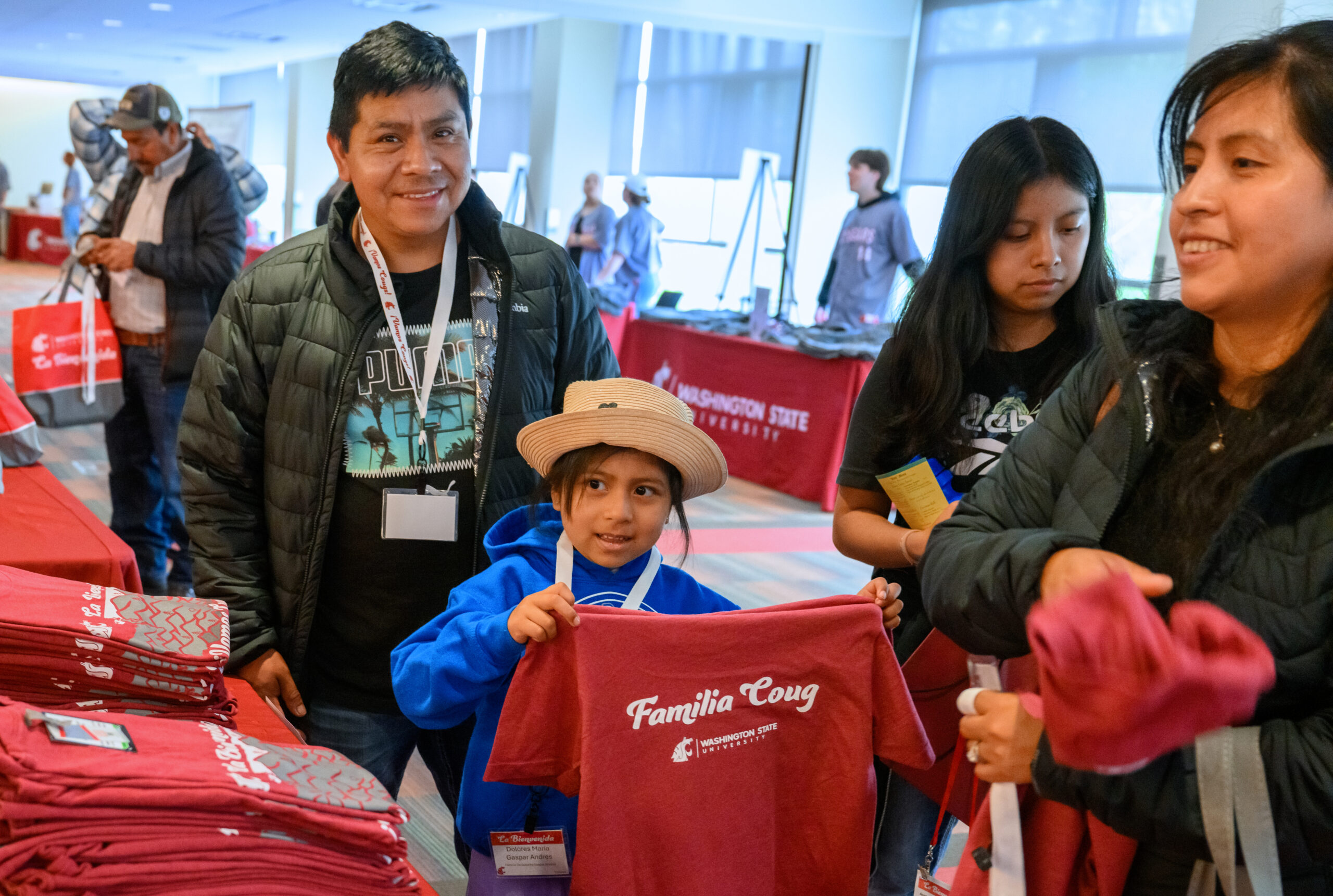
High expectations, high support for first gen
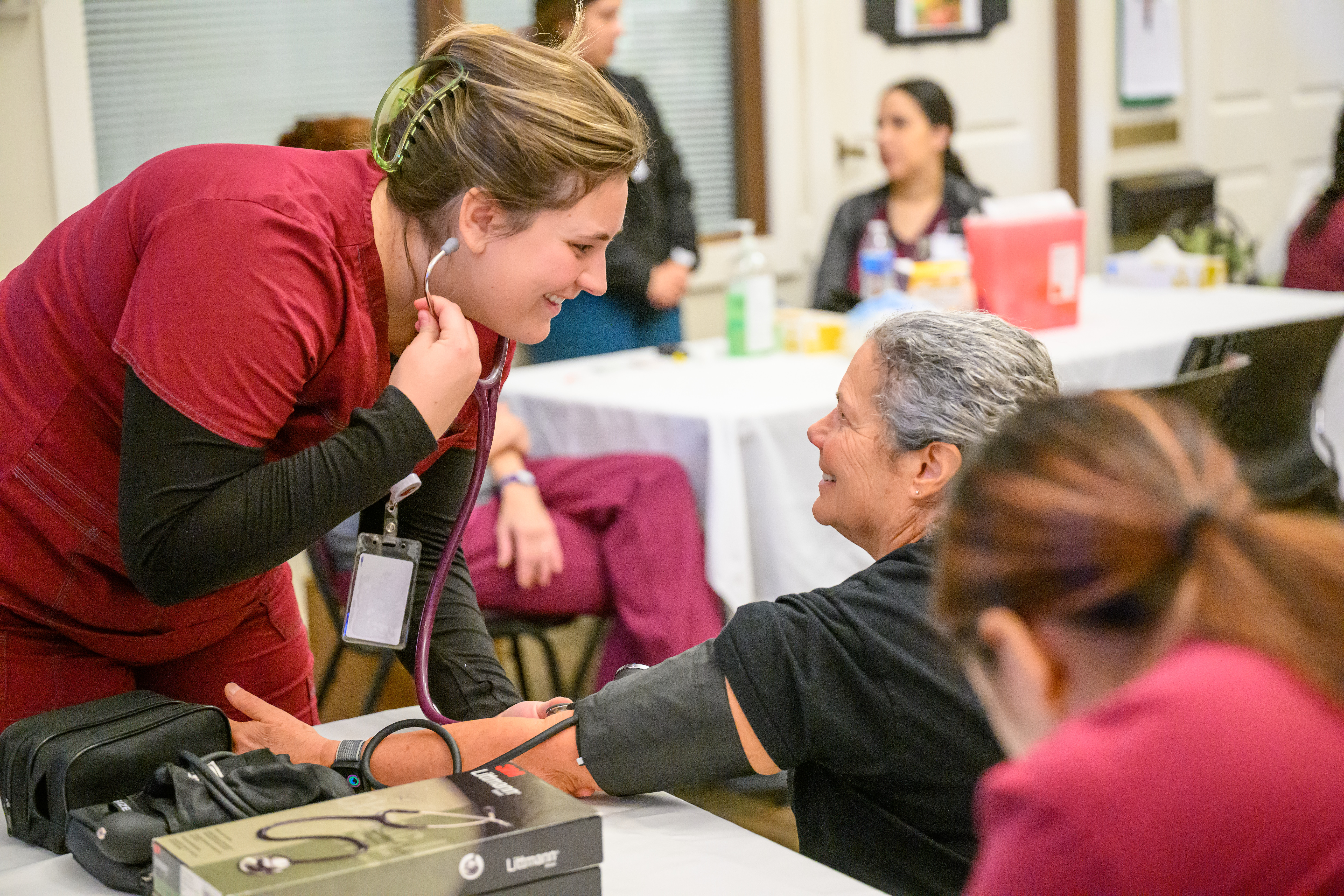
Community care is the curriculum