HERE WE GO

Robotic gripper could offer a helping hand in the apple orchard

The robotic gripper wasn’t working; its “fingers” were too short and stiff to gently pick the apples off the trees.

Chris Ninatanta, a first-year PhD student in mechanical engineering at Washington State University, knew who to consult. His parents had picked apples, cherries and pears in Washington orchards his whole life.

“One day I asked them for a recording of how they pick an apple,” Ninatanta says. “It’s nice to have a reference to how something should work.”

It was the inspiration he needed. Tests in an orchard in Prosser, Washington, showed that the softer silicone fingers of the new robotic gripper were able to harvest about 87% of apples without damaging them.
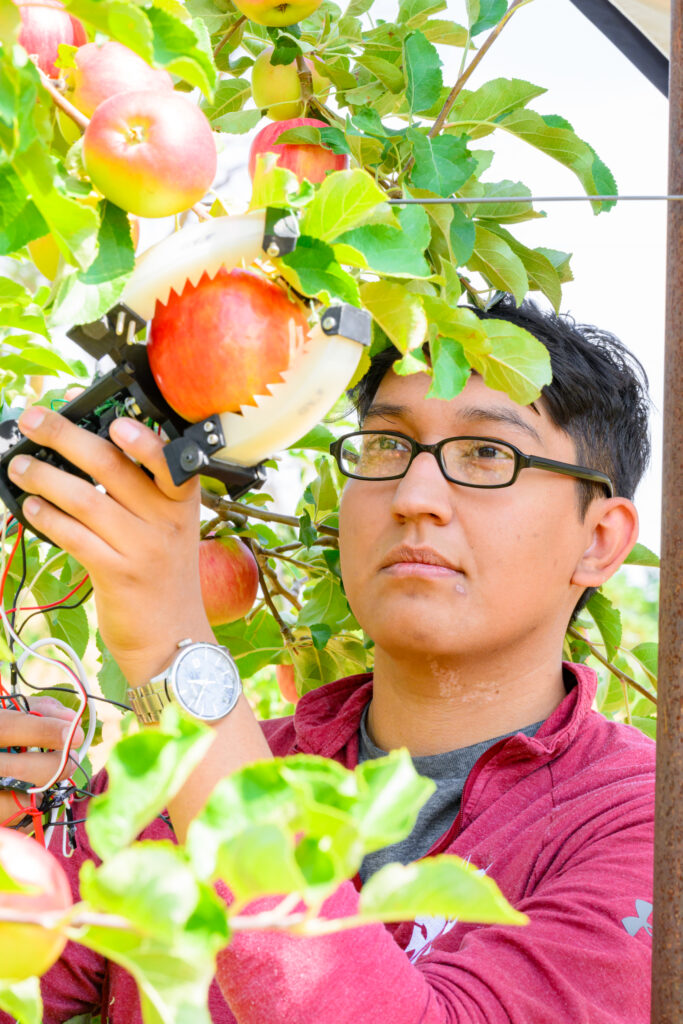

A person testing a robotic apple picking device that uses white silicone "fingers" to grip an apple.
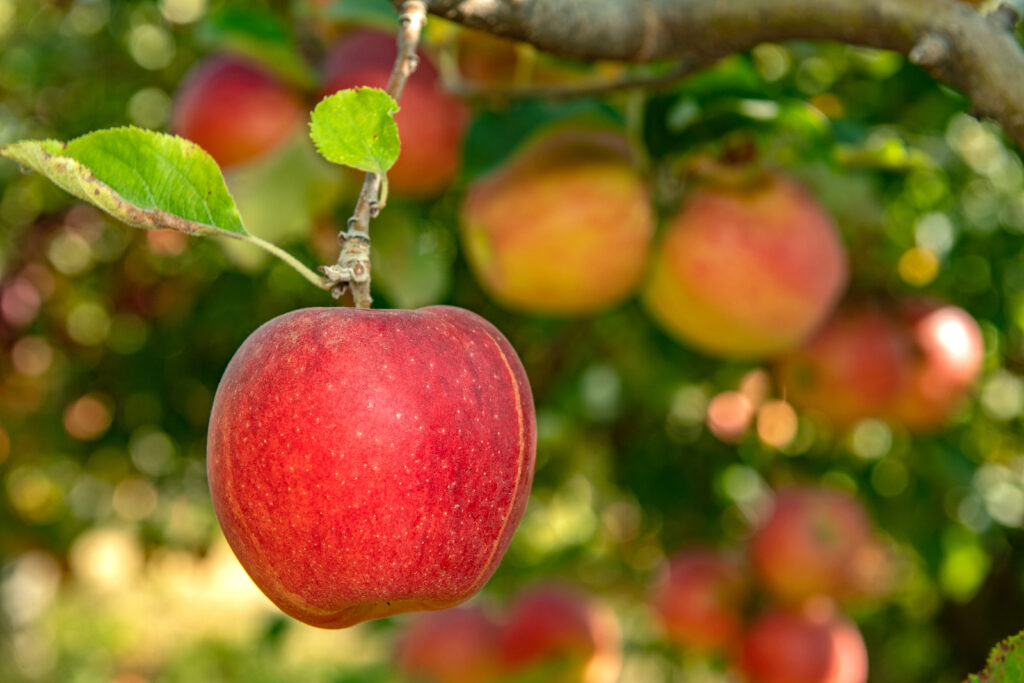
A bright red Imperial Gala apple hanging from a tree with others in the background.

Now Ninatanta and fellow PhD student Ryan Dorosh are working on a fully autonomous apple-picking robot that incorporates the gripper mechanism. Both are part of the Mechanically Intelligent Autonomous Robotics (MIAR) Laboratory at WSU, led by Flaherty Assistant Professor Ming Luo of the School of Mechanical and Materials Engineering. The work is funded by the Washington State Tree Fruit Research Commission.

The gripper mechanism is mostly 3-D printed and is cable-driven, choices that make it simple to operate and inexpensive to make. Another important feature: the autonomous robot is specifically designed to work around people.

He sees potential for robots to someday – maybe in as little as a decade – fill in gaps where there are labor shortages in orchards. Robots also could make apple-picking safer for farmworkers, by harvesting on days when there’s too much wildfire smoke to be outside, or it’s too hot.

Ninatanta sometimes picked cherries and apples with his parents growing up in Wapato, Washington, so it’s not surprising that his scientific interests include apples. He says agricultural robotics is probably his career path since it’s a fast-growing field. He’s part of the National Science Foundation’s next-generation robotics training program at WSU, which includes more than 50 graduate students who are researching and designing robotic solutions to workforce challenges.

We want it to work in collaboration with orchard apple pickers, not replace them.

Chris Ninatanta
Tell Your Story
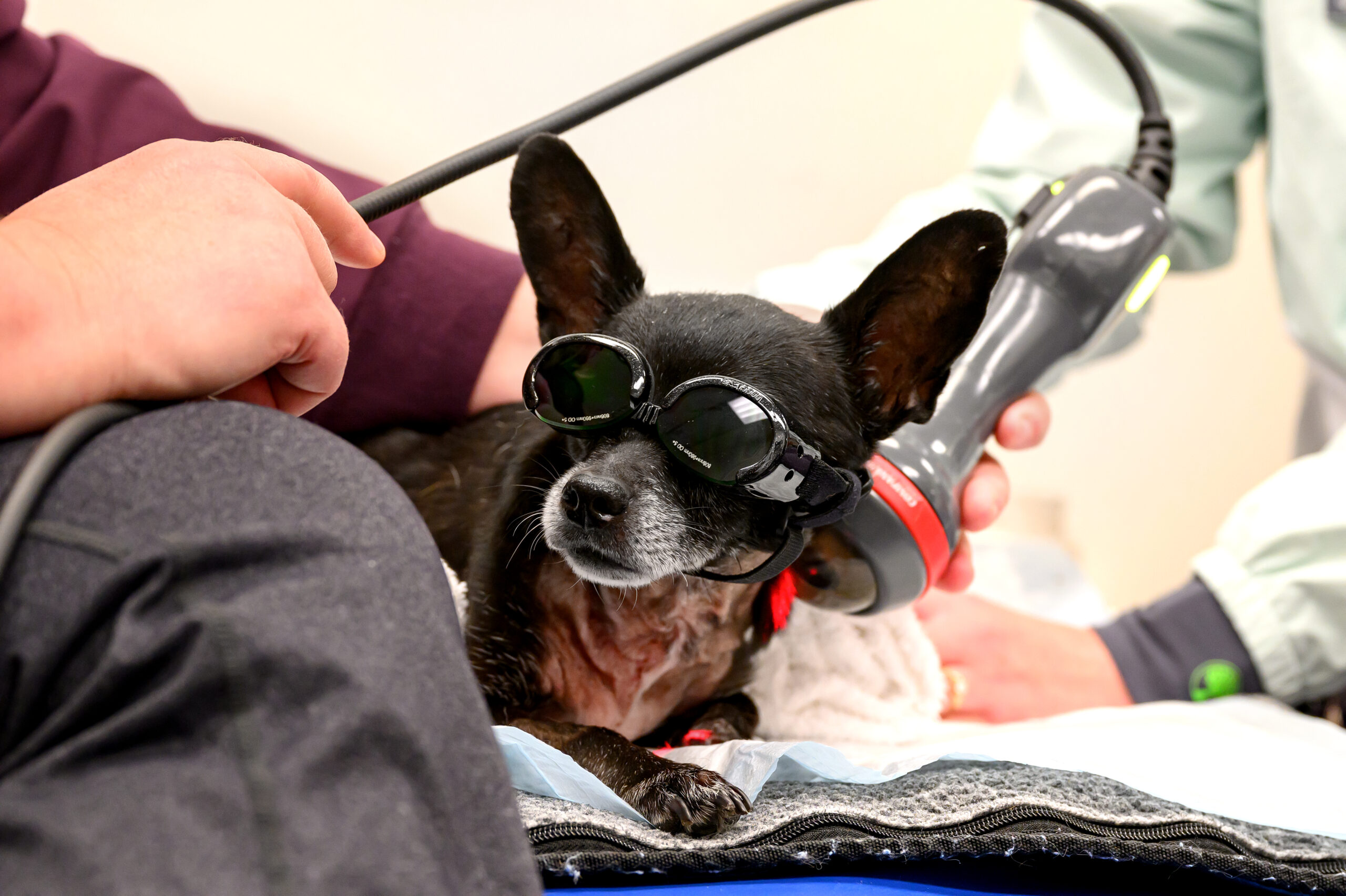
Small black dog with large upright ears wearing protective tinted goggles while a vet passes a wand instrument over her.

Rehab isn’t just for humans

WSU Veterinary Teaching Hospital offers continuum of care for animal patients.
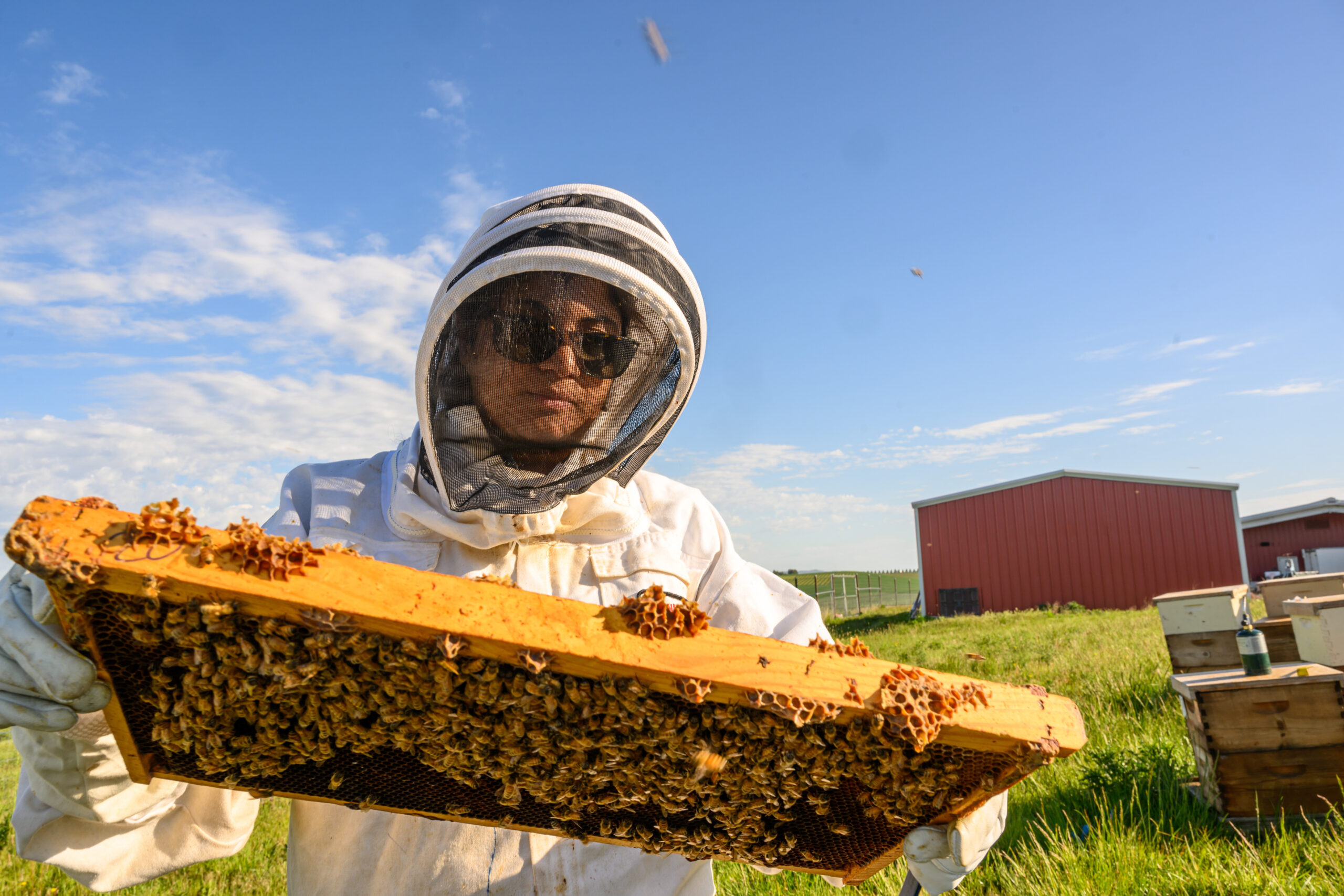
A researcher wearing a full-body protective suit, head covering, and gloves holding up a bee hive frame covered in bees.

Bees on the brink

WSU scientists are fighting to save honey bees from multiple threats.
Two people wearing safety glasses examine a long wooden beam made of glued-together boards.

Mass timber on the rise

Light, strong, and sustainable, “mass timber” is gaining traction in the United States, in part because of research and development at Washington State University.
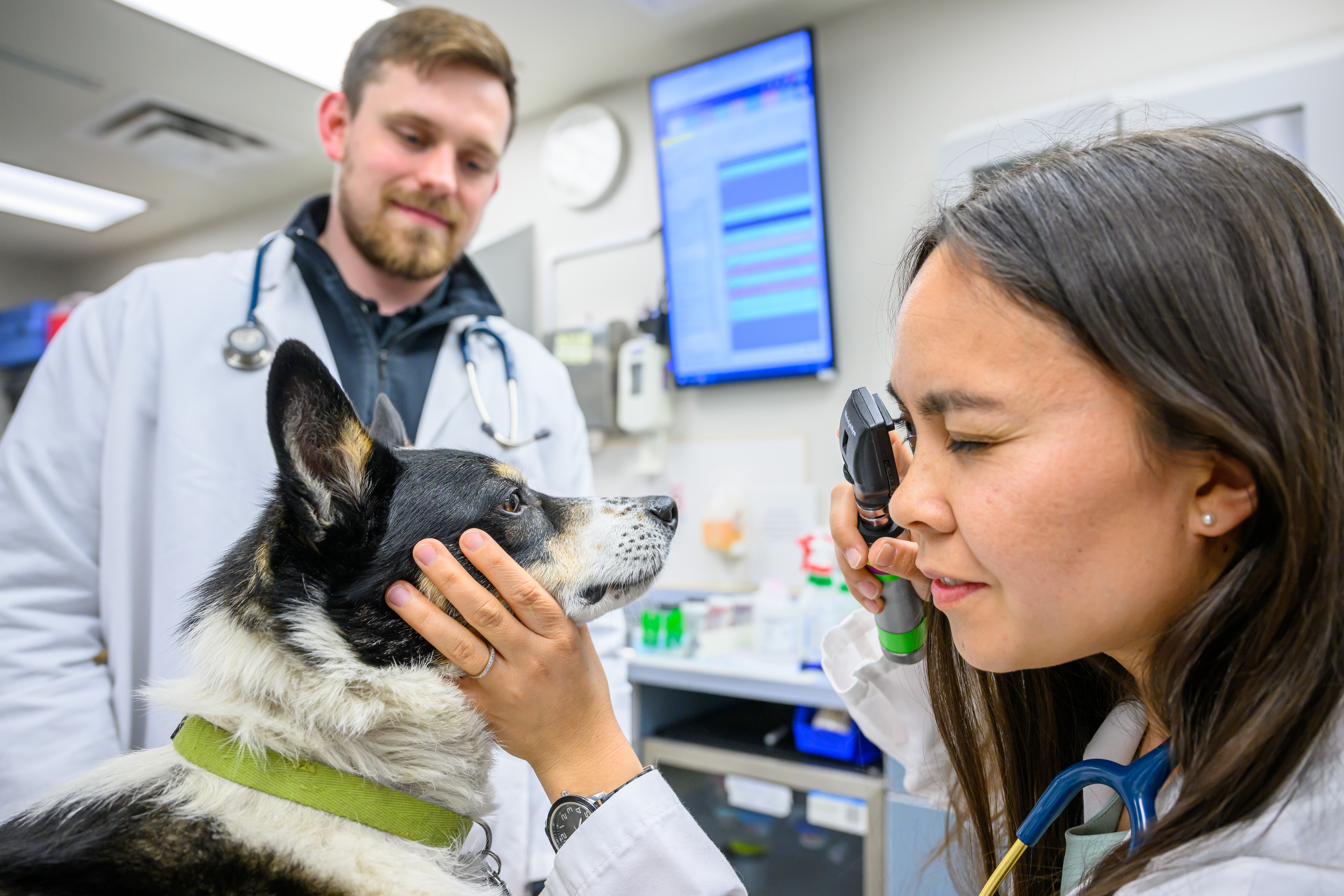
A black-and-white dog calmly having its eyes checked by a veterinarian while another looks on.

At WSU, the animal doctors are in

Washington State University’s Veterinary Teaching Hospital cares for some 20,000 animals each year.
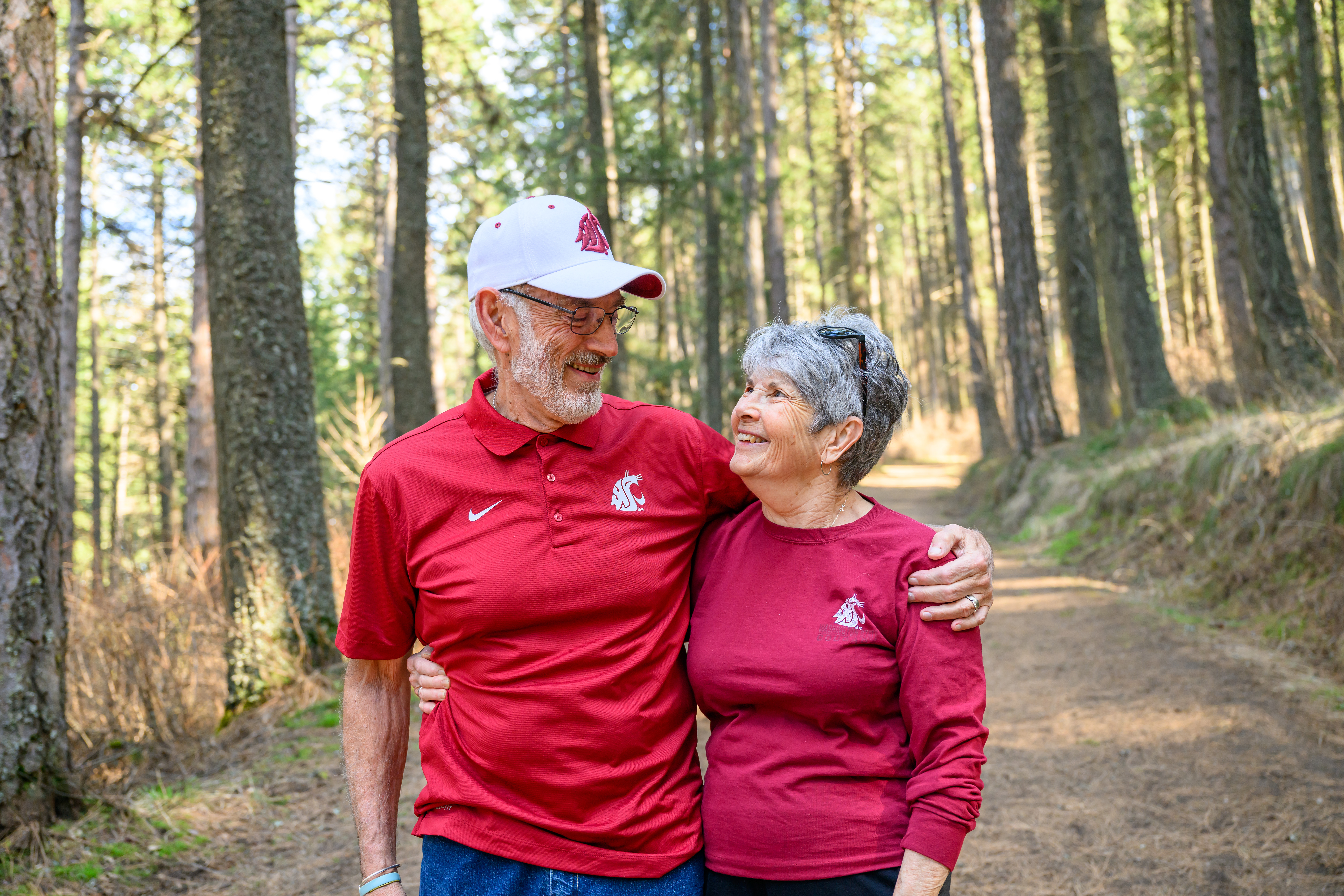
Two older adults, both wearing WSU Cougar branded shirts, smiling at each other as they walk together in the woods.

Growing older, living better

Americans are aging fast, and Washington State University is preparing for that future.
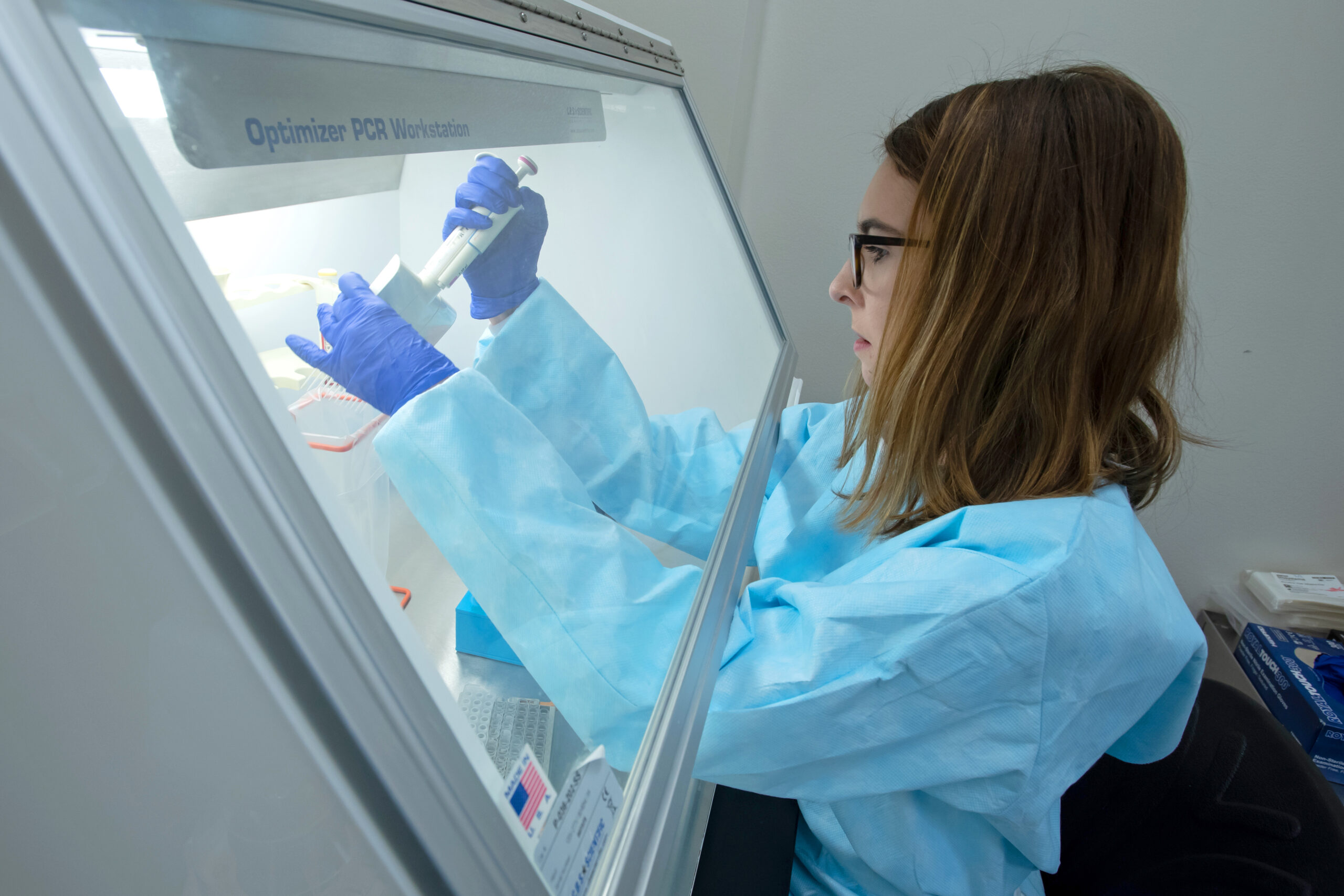
A microbiologist in blue protective equipment works at a biosafety cabinet.

WSU builds on the lessons from Covid

Everything changed when the COVID-19 pandemic swept across the world, and Washington State University was no exception.
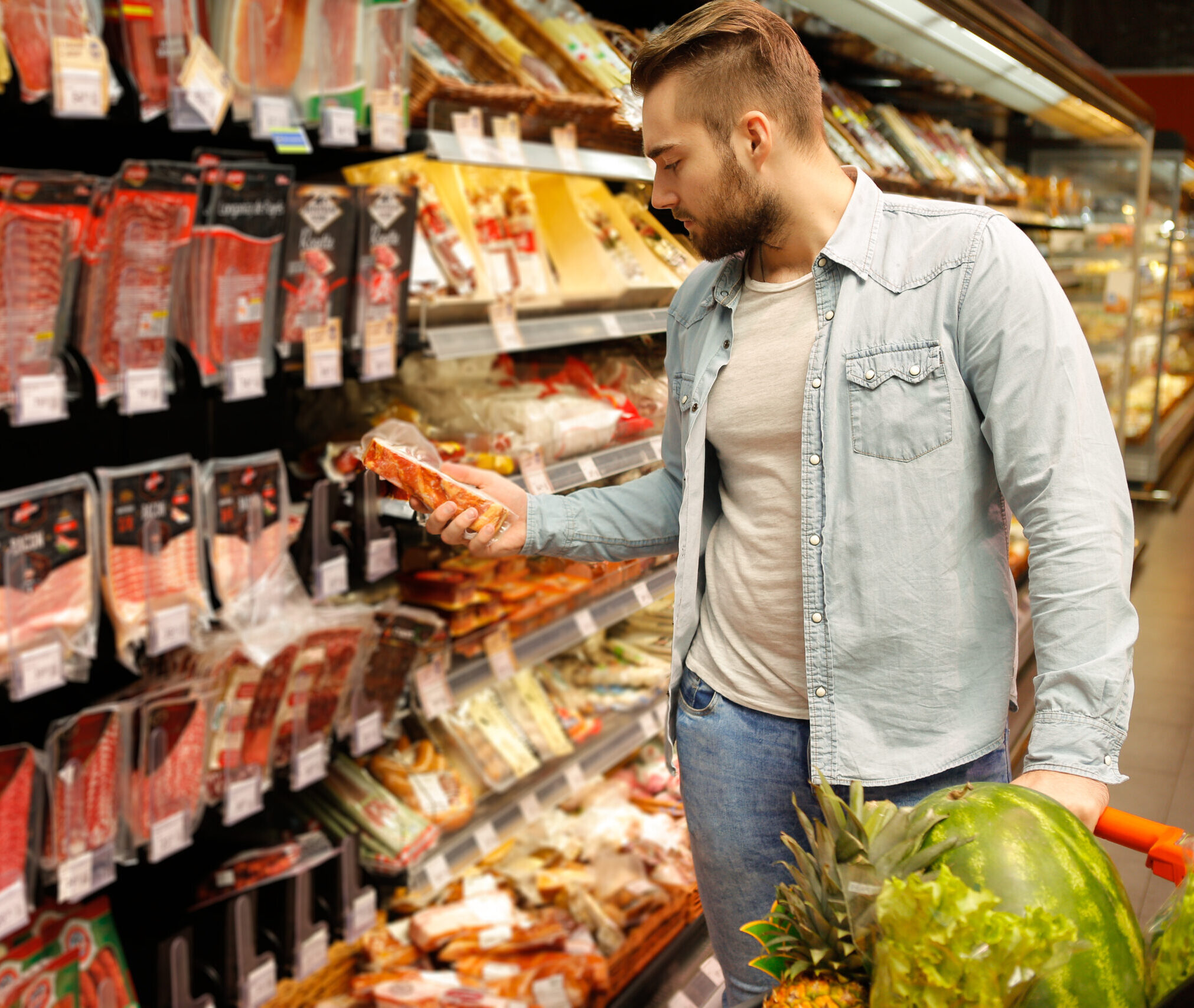
Bearded person reading the label on a meat product while grocery shopping.

“We worry so you don’t have to”

WSU’s sophisticated laboratories and trained scientists are at the regional and national forefront of food security.
A person testing a robotic apple picking device that uses white silicone "fingers" to grip an apple.

Robotic gripper could offer a helping hand in the apple orchard
Robots could make apple-picking safer for farmworkers, by harvesting on days when there’s too much wildfire smoke to be outside, or it’s too hot.
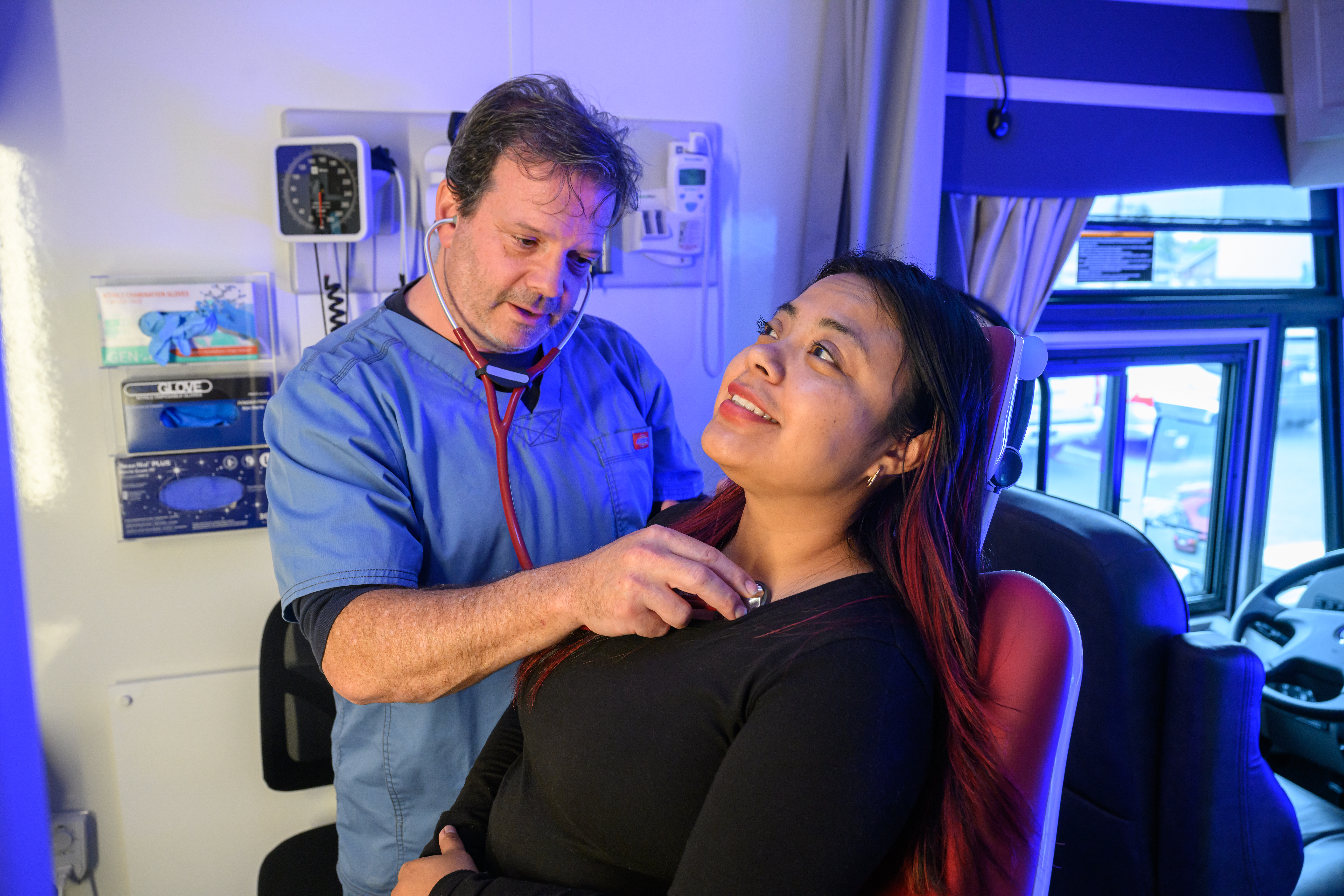
A doctor checking a person with a stethoscope in a mobile clinic.

Health for the whole person

At Washington State University, doctors, nurses, pharmacists and other health care providers learn to focus on a patient’s whole life.
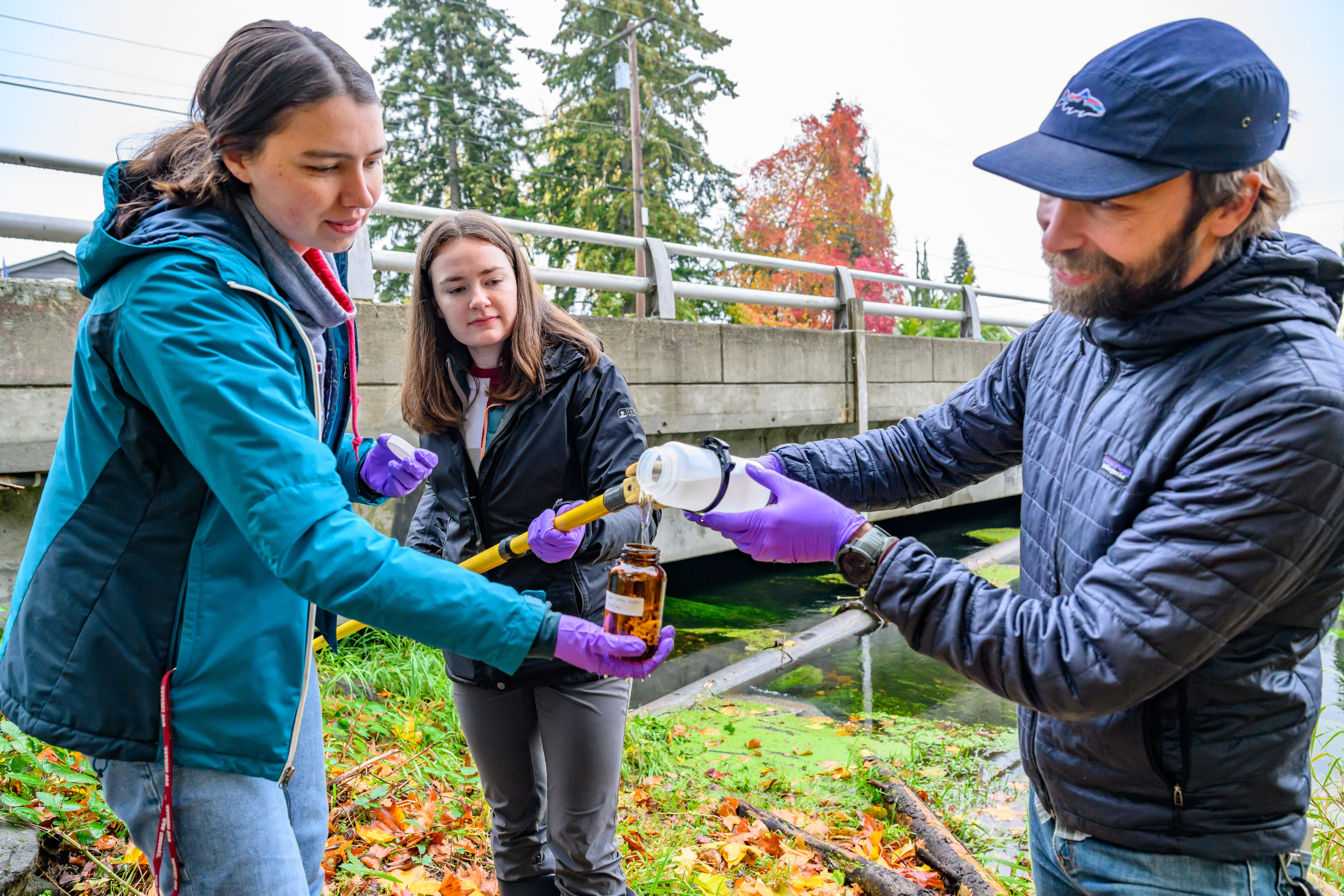
A person pouring liquid into a sample jar while another looks on.

Students help solve salmon puzzle

A team that included scientists from Washington State University learned what was killing salmon in urban streams in the Northwest.
Monica Carrillo-Casas, Murrow Fellow, reading news into a microphone.

Murrow News Fellowship puts more local reporters on the beat
WSU-led program bolsters the state’s news ecosystem.
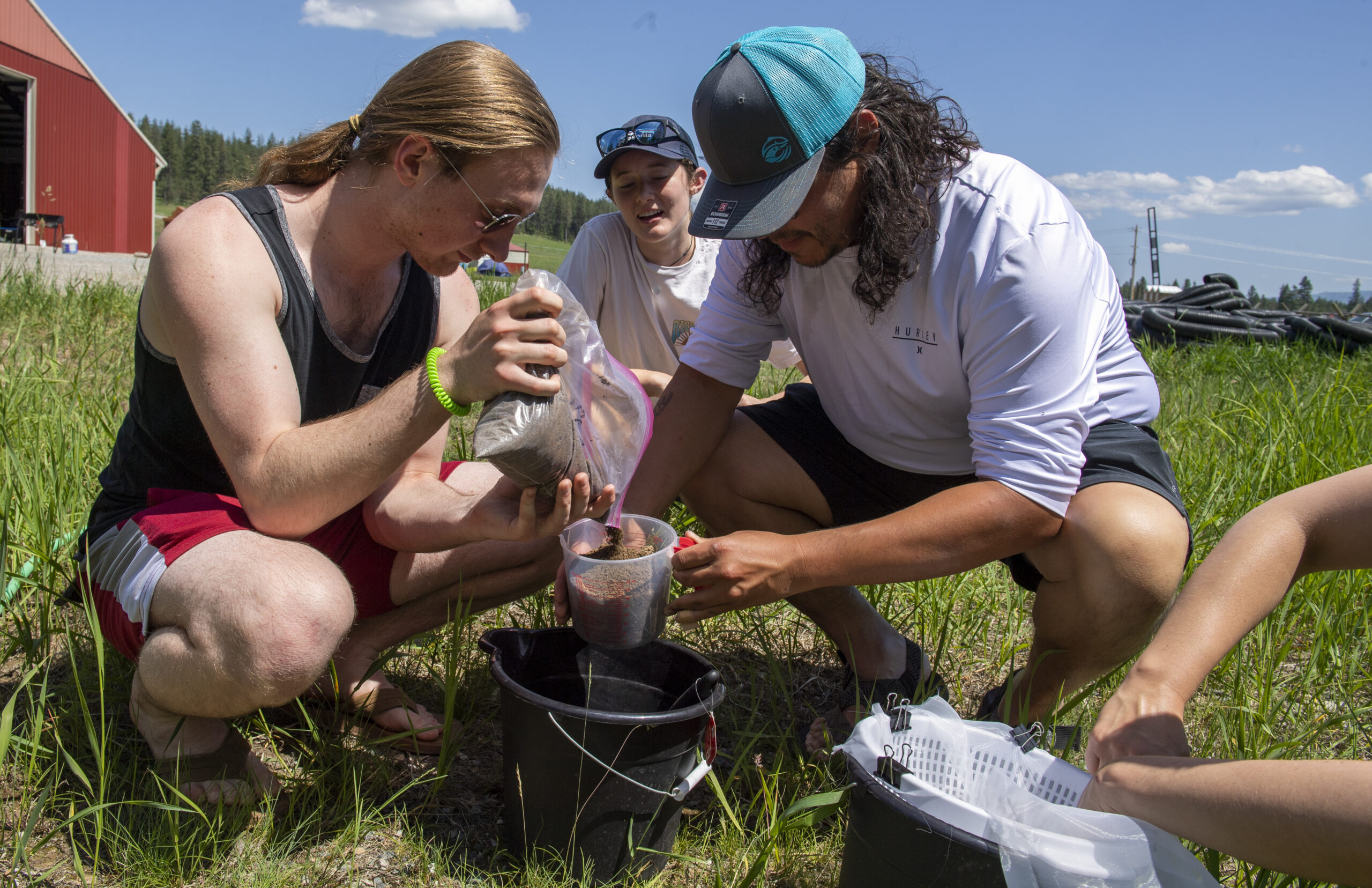
Three people working with soil samples.

Partners in the field

Building on almost a century of collaboration between Washington State University and the Kalispel Tribe.
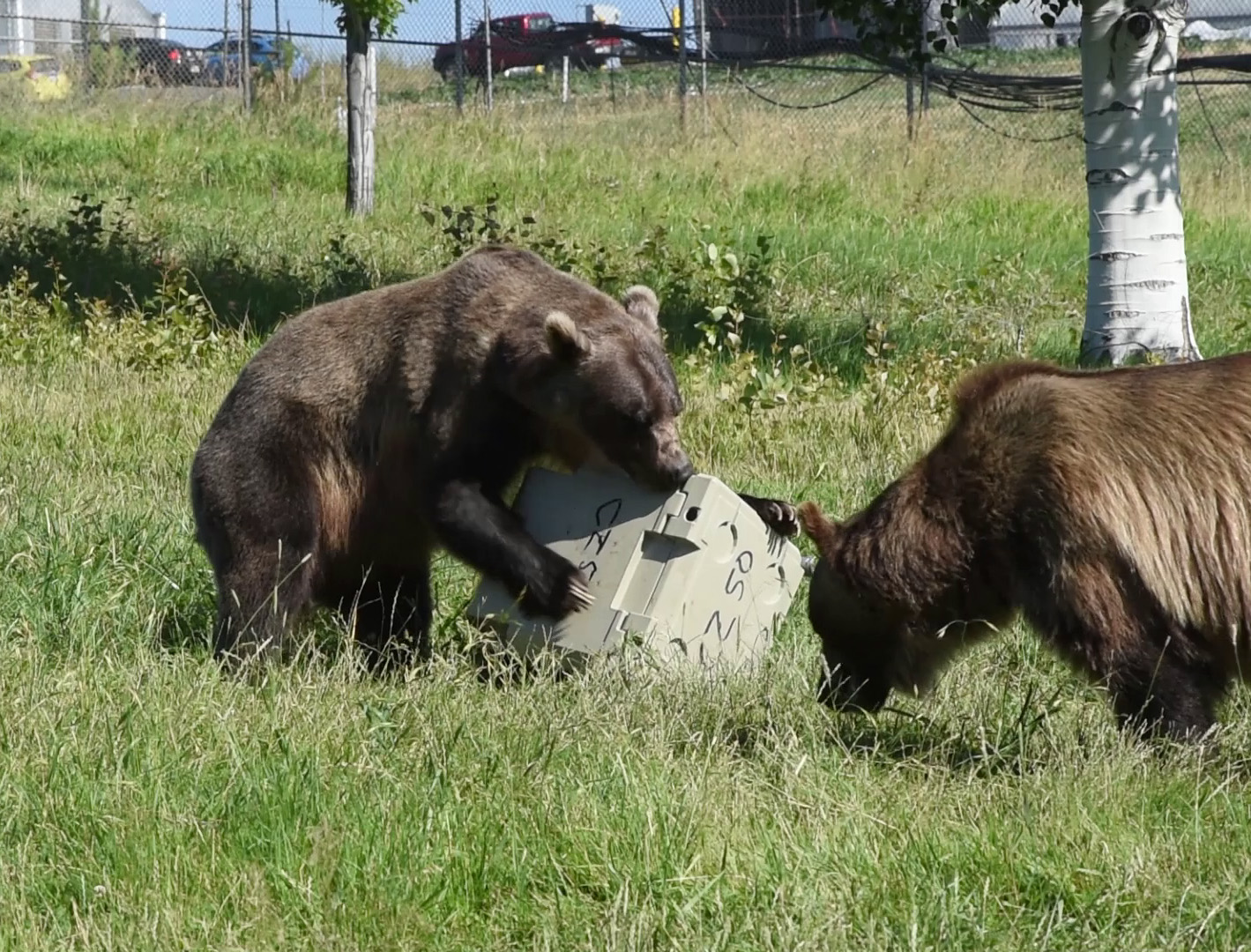
A grizzly bear rolling a cooler while another sniffs the ground nearby.

WSU grizzlies put coolers to the test

Products that survive an hour against the bears can be labeled “bear-resistant.”
A gravel path winds through flowers, trees, and other plants.

Master Gardeners know all the dirt

WSU Extension has educated the public to become garden experts for more than 50 years.
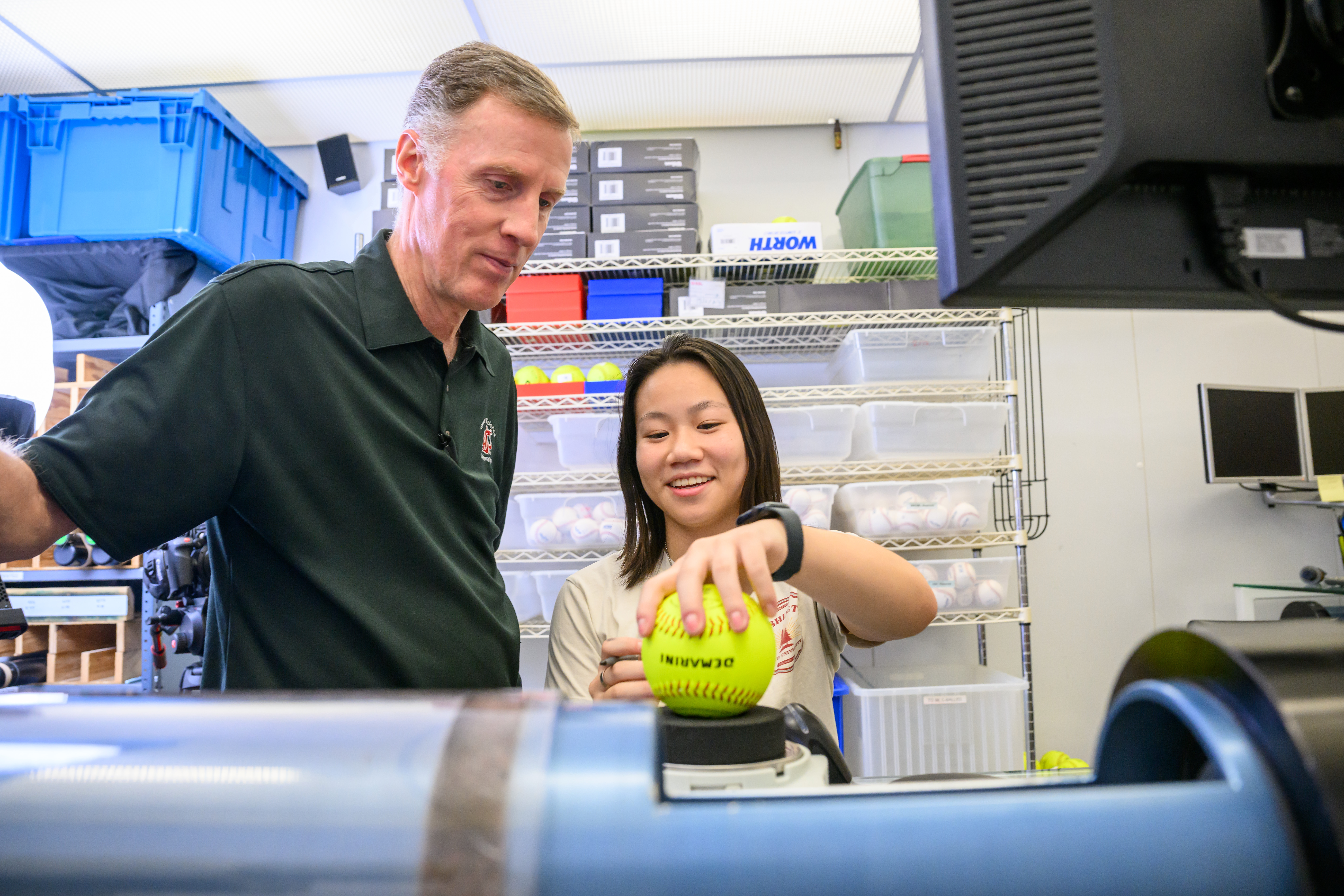
Two people testing a softball on measuring equipment.

“Bat Lab” targets the science of the ballpark
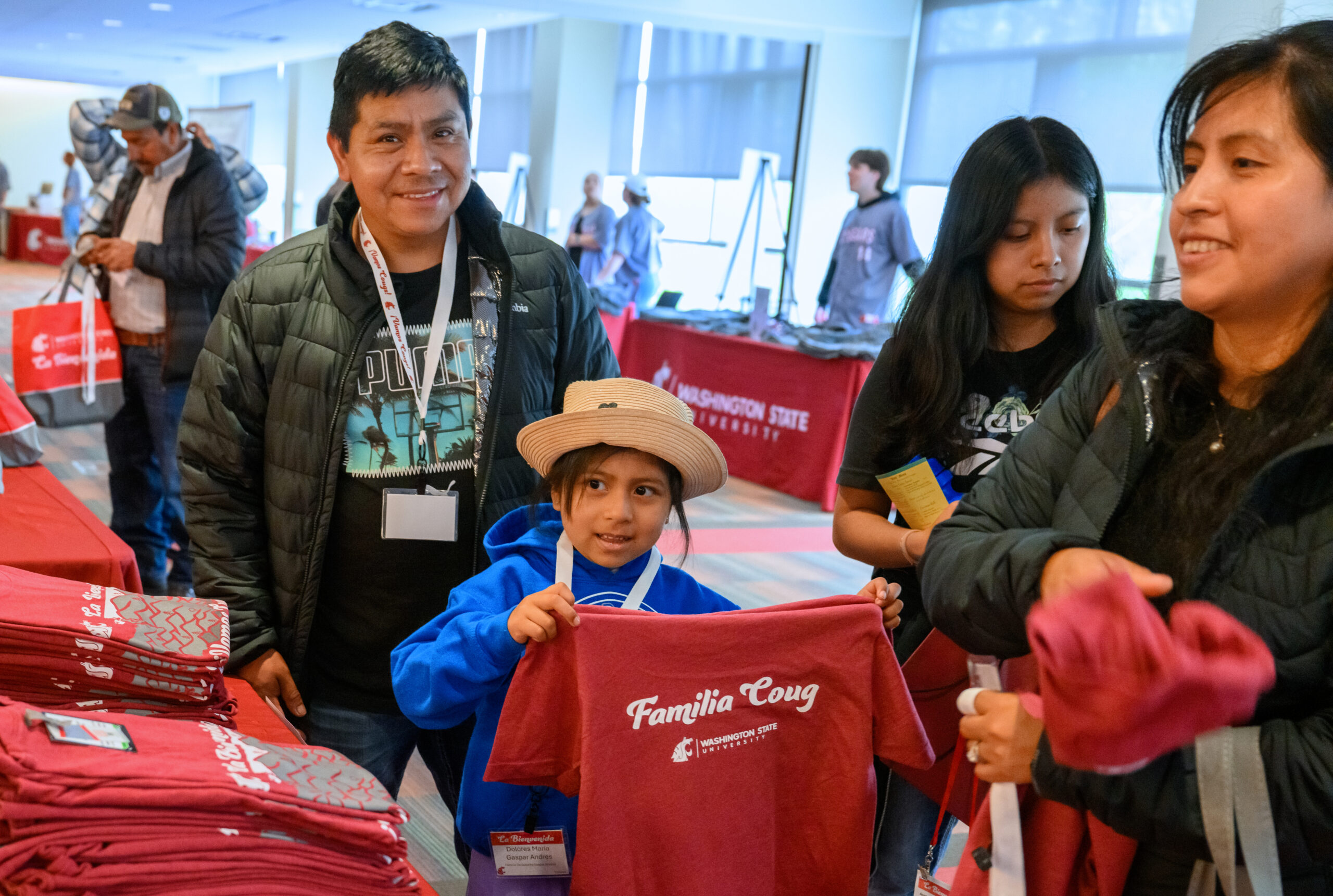
At Washington State University’s Sports Science Laboratory, the crack of a bat against a ball is the sound of science.
Child holding up familia coug shirt at New Coug Orientation.

High expectations, high support for first gen
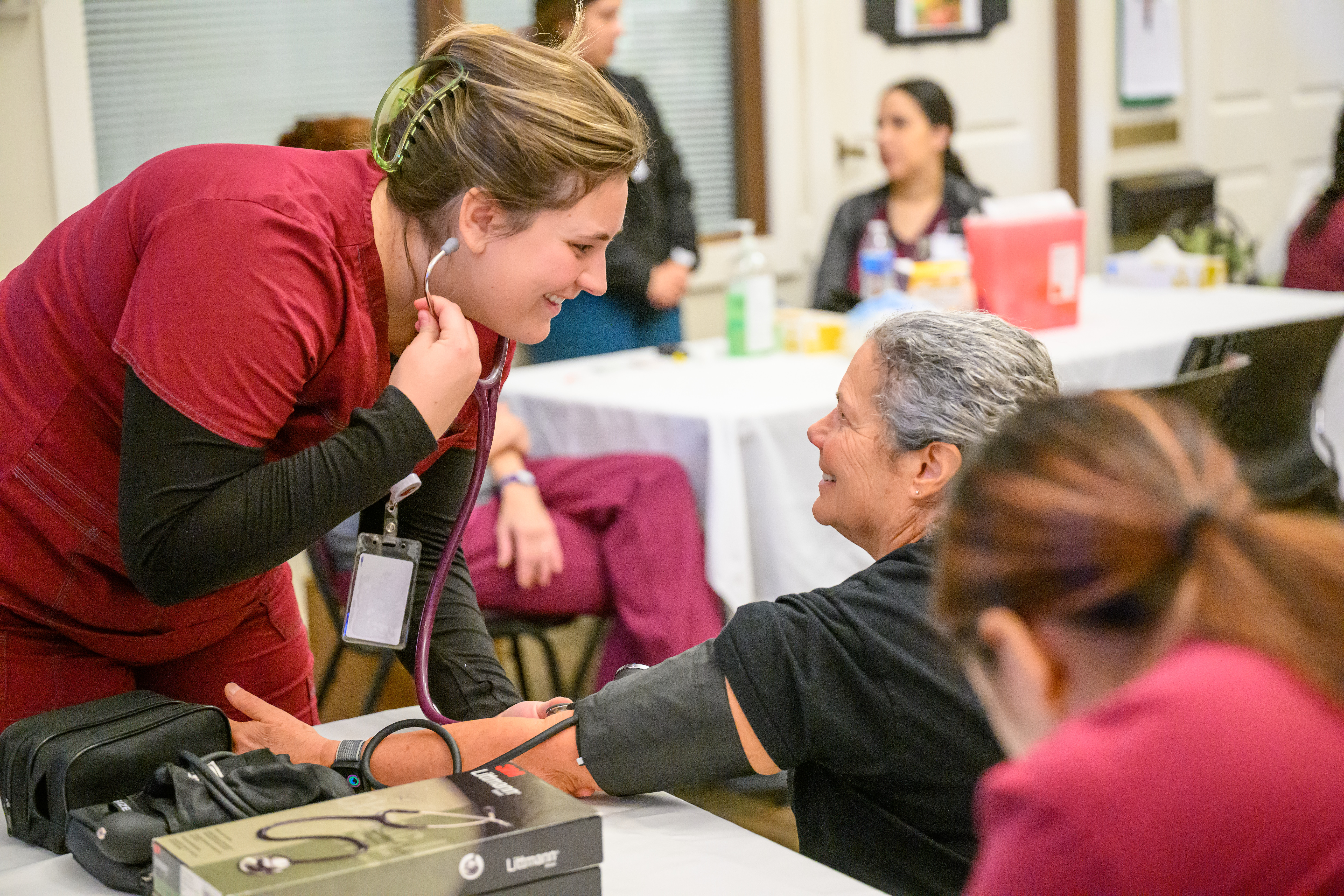
Innovative programs help first-gen students at WSU navigate their path to success.
Medical student checking a patient with a stethoscope.

Community care is the curriculum

Medicine, nursing and pharmacy students at WSU deliver care in community settings across the state.
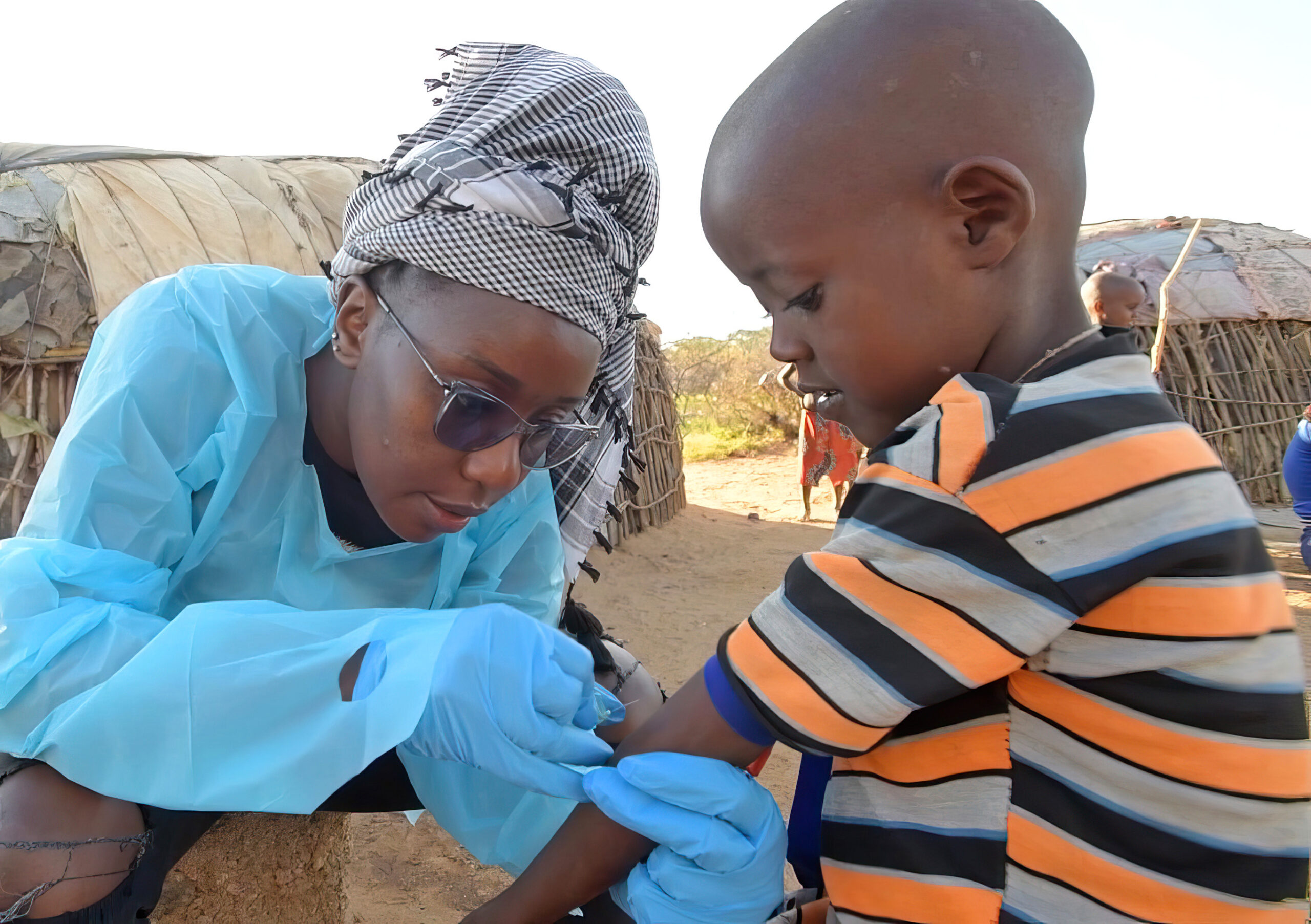
Medical person giving a shot to a child.

WSU on the ground in East Africa

Infectious disease experts identify and track emerging viruses before they can spread, and bring new approaches to old diseases.